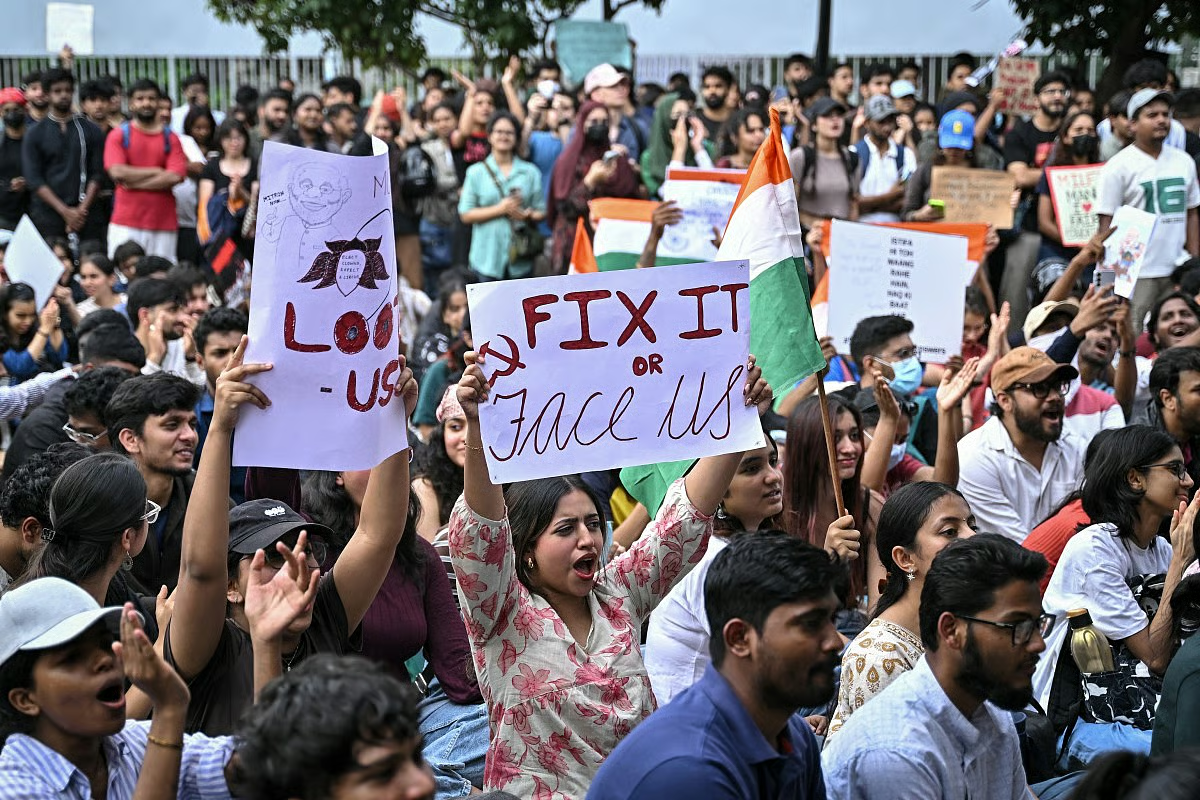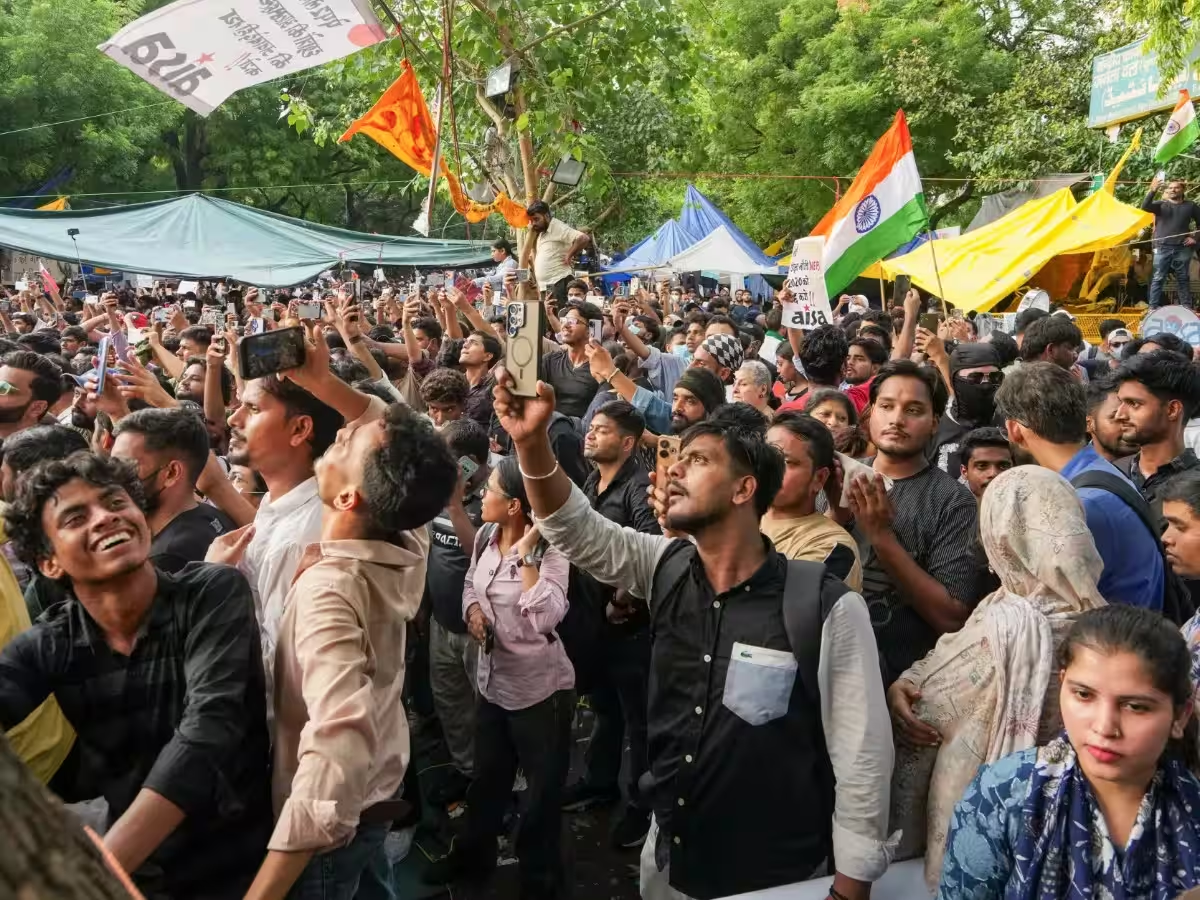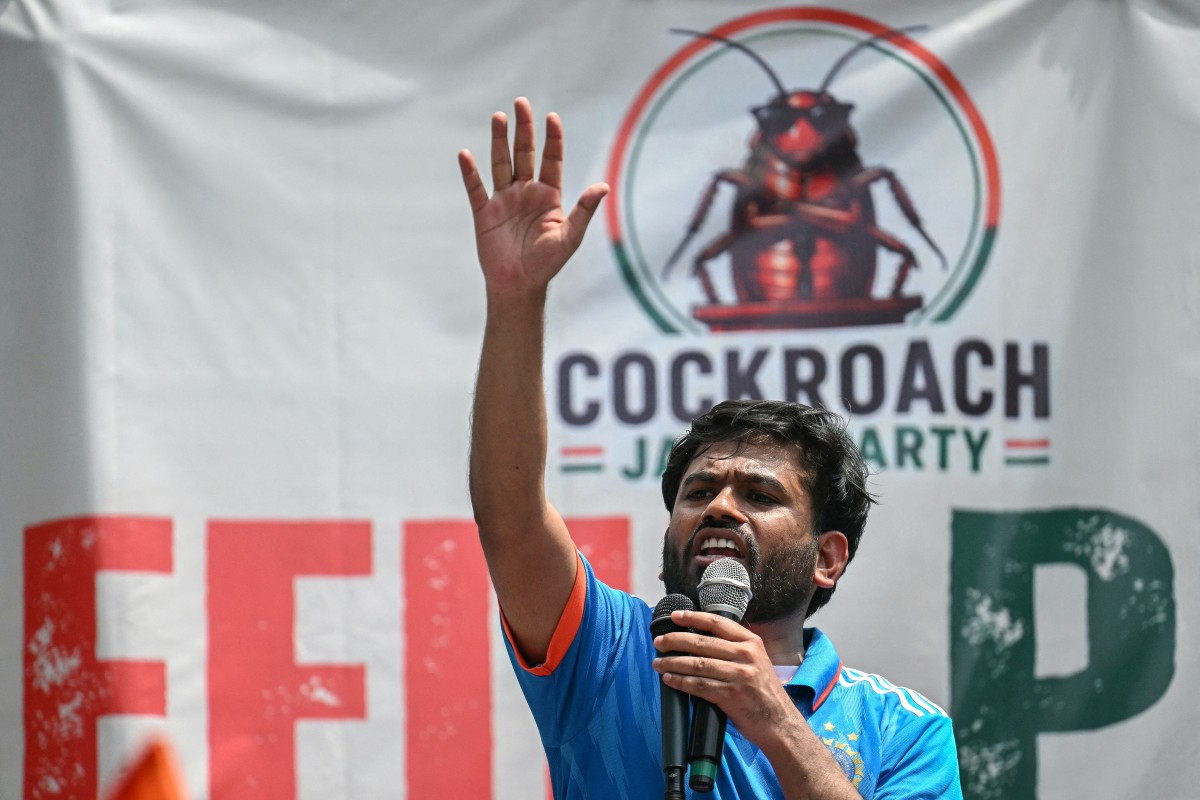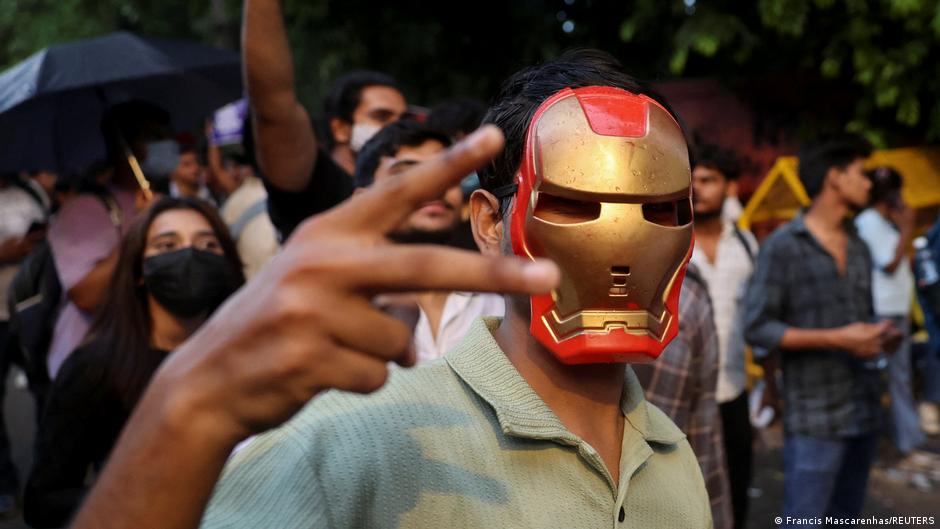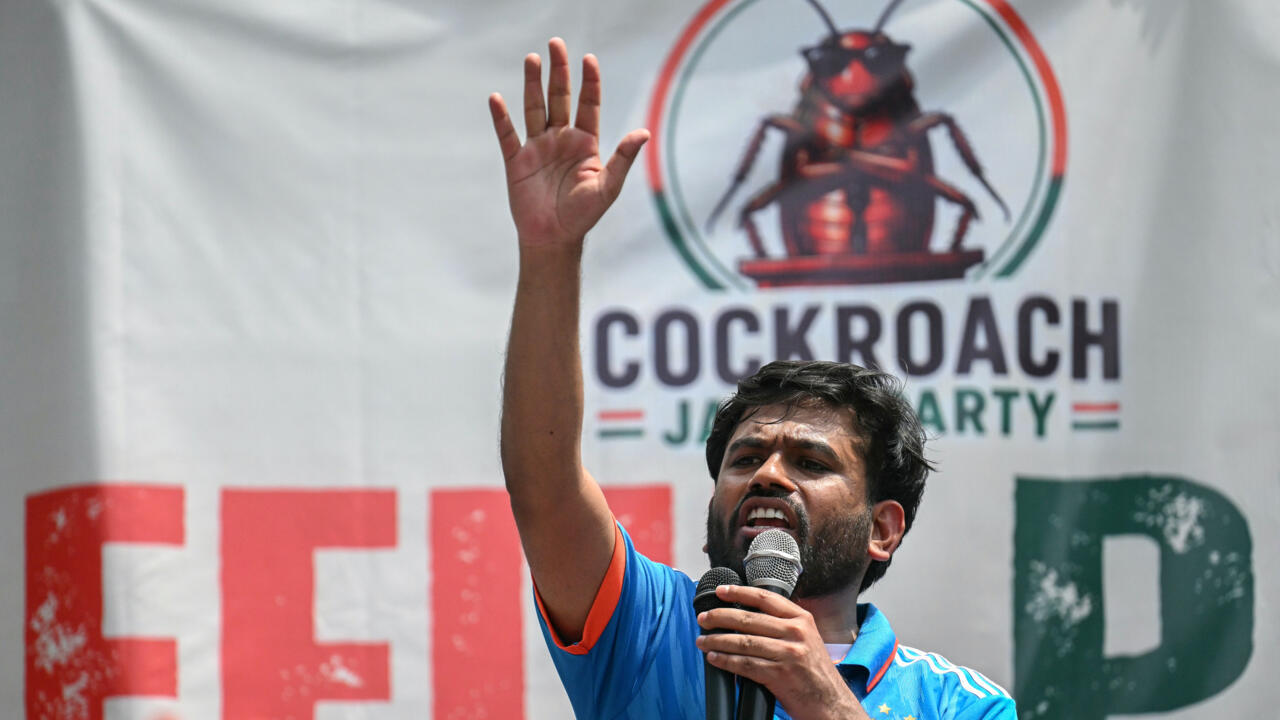
A satirical movement that started as an internet joke gained millions of young followers and carried their frustration over jobs and examinations from the social media platforms into the streets of the capital. Or, perhaps strategically planned! The easy conclusion to draw is that India's Gen Z is angry, restless, and focused only on their immediate concerns. However, I had a chance to look through a recent survey by the India Israel Centre, which reveals something more intriguing and somewhat reassuring. This generation, which can mobilise quickly around domestic issues, also has a well-formed, clear view of India's interests in a rather turbulent world. There are three points from the survey to take note of that stand in the face of the lazy caricature many often accept.Gen Z (Representational)The first point is fundamental but frequently overlooked. India is home to roughly 370 million people between 15 and 29, the largest youth population of any nation on earth, and more than half of all Indians today are under 25. To treat the young as peripheral is to misread the country itself, given how much of its present and future they now account for. That weight is felt at the ballot box as much as anywhere; in the 2014 general election, turnout among the youngest voters exceeded the national average for the first time. This showed that when this generation believes an election matters, they turn out in large enough numbers to influence the outcome. Be it general elections, Haryana, Assam or West Bengal!The second notable finding concerns how Gen Z views the country's relationships with other nations. When asked which power is most helpful to India today, they placed Russia first, the US second, and Israel third, ahead of every other nation named. This ranking closely matches the priorities identified by India's broader strategic community. Of course, one may debate the positions, but the point falls through. It reflects a thoughtful understanding of the world, recognising Russia's ongoing role as a defence supplier and a counter to western pressure, the significance of the American relationship, and the growing importance of Israel in areas where India seeks to enhance its capabilities.Behind this ranking is a working understanding of how Indian foreign policy operates. It rarely offers clean choices and almost always demands trade-offs. India buys Russian oil and weapons, even as it gets closer to Washington. It seeks to build ties with Gulf monarchies while strengthening its cooperation with Israel. At the same time, India continues to support the Global South from a position of increasing influence in the organisations that shape the global order. These young respondents appear to understand that a rising power must manage relationships rather than pick sides, and that a partnership is ultimately judged by what it delivers for the national interest.The third finding is the most reassuring because it shows a generation that can value a partnership while remaining critical of it. Participants associated Israel first with defence and technological strength, the dimensions on which the relationship has in fact been built, from the November 2025 defence cooperation agreement and the move towards joint development and co-production to an FTA now under negotiation. It indicates that they recognise why this partnership is vital for India's capabilities. At the same time, they remain cautious about whether Israel's actions reflect democratic values. Gen Z's ability to value a partnership while keeping a critical perspective mirrors a reasonably established foreign policy mindset.Well, the survey was equally honest about what young Indians did not know. They were largely unaware of the developmental aspects of the relationship, such as agricultural and energy cooperation across a dozen Indian states. This gap, perhaps, comes from where they get their news, which the survey confirms is overwhelmingly Instagram and YouTube. Whoever has spent time building digital entities on social media would know the wrath of algorithms. It appears as if the social media algorithms push conflict and defence to the top, while ‘dry’ stories pertaining to an irrigation project rarely surface at all. What appears to be a blind spot at first is really a reflection of how little of this story has ever reached them.Taken together, the three findings reshape the narrative on the streets. The energy behind the movements and protests reflects the resilience of Indian democracy and a generation serious enough about its demands. And, beneath the immediate grievances lies a steady and consistent sense of where India's interests lie. The upcoming challenge for the government and commentators is to engage with it effectively. It's essential to meet them on the platforms they use and acknowledge that the future leaders of this country, within fifteen years, have largely grasped the key issues that matter most.(The views expressed are personal)This article is authored by Arjun Singh Kadian, academic, author and former executive, The Prime Minister Museum and Library, New Delhi.
The generation we keep underestimating
This article is authored by Arjun Singh Kadian, academic, author and former executive, The Prime Minister Museum and Library, New Delhi.
808 words~4 min read