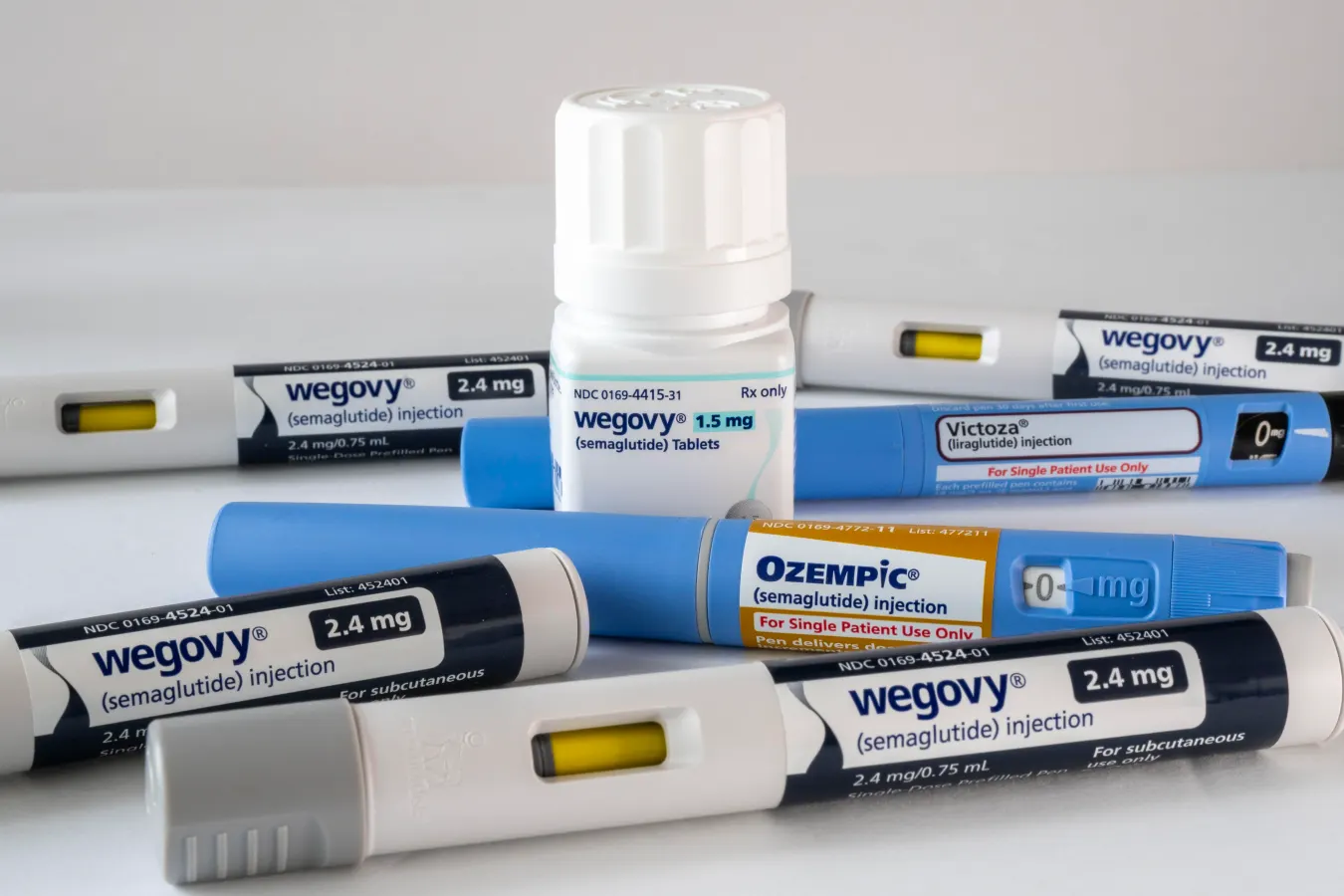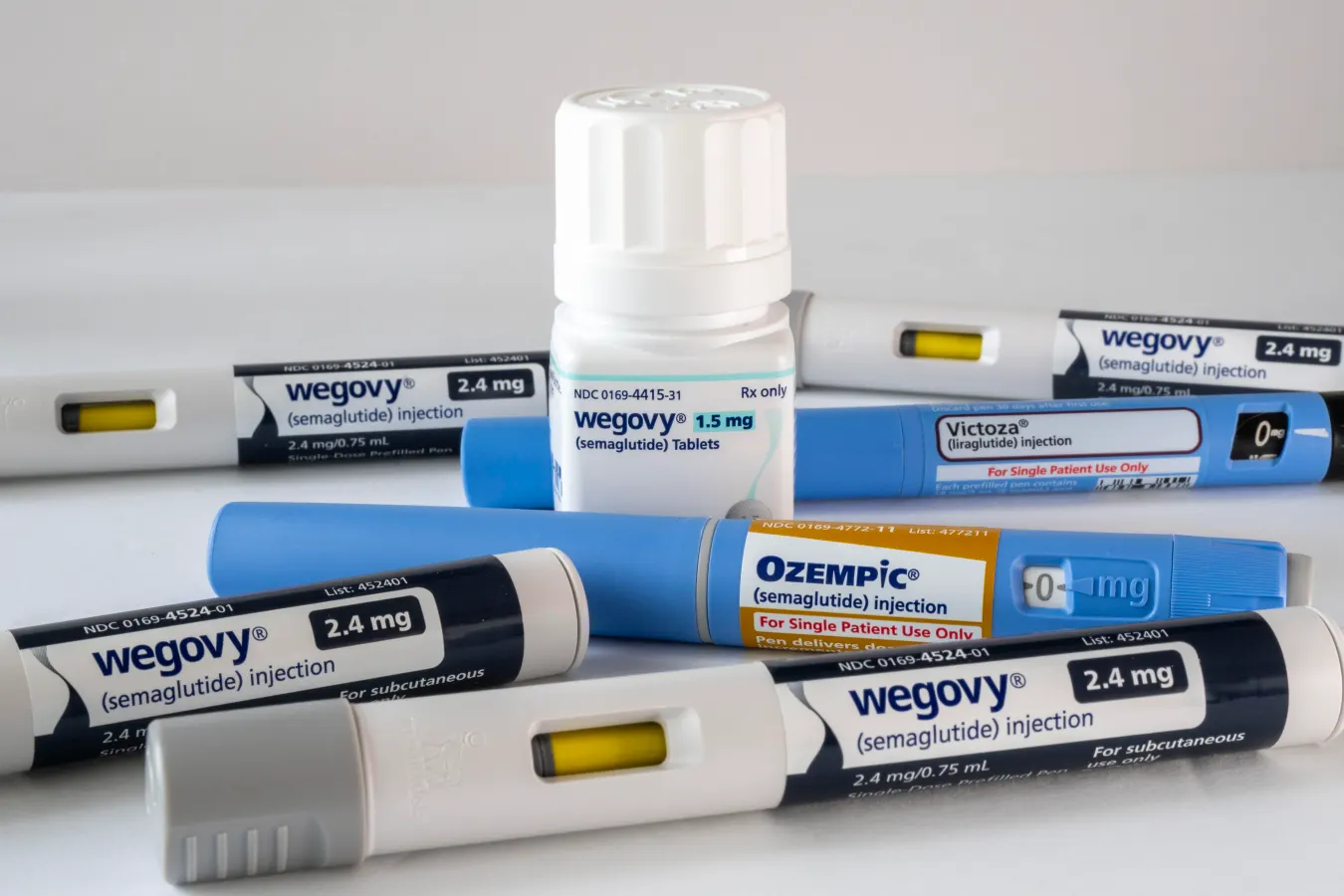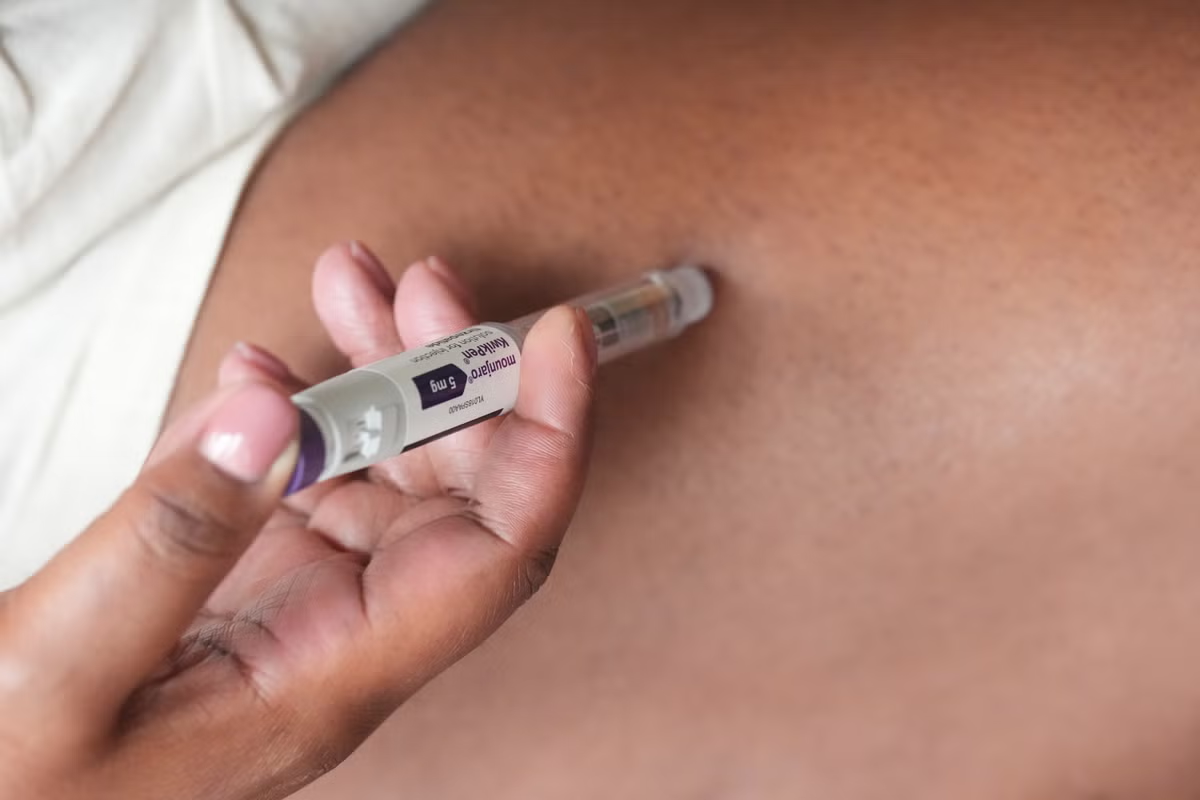
Jerusalem Post/Health & Wellness/Health and Wellness Around the WorldA broad study found a link between the use of GLP–1 receptor agonists and a decreased risk of metastatic progression in four types of cancer.Follow us on GoogleRadiation therapy for a cancer patient(photo credit: SHUTTERSTOCK)ByDR. ITAY GALJUNE 17, 2026 11:00The new benefit of weight–loss injections: After becoming one of the biggest revolutions in the treatment of obesity and diabetes, drugs from the GLP–1 family continue to surprise the medical world. A new study, to be presented at the Annual Meeting of the American Society of Clinical Oncology in Chicago, found a link between the use of these drugs following a cancer diagnosis and a reduced risk of progression to metastatic disease in several types of tumors. However, this is an observational study, and therefore it does not prove causality and does not change the recommendations for treating cancer patients at this stage.Drugs from the GLP–1 family, including semaglutide and tirzepatide, are currently known mainly as injections for treating diabetes and obesity. In Israel, they are known to the public primarily through medications such as Wegovy and Mounjaro, which have entered public discourse in recent years due to the significant weight loss they can cause. But in recent years, it has become clear that their impact is broader: They have been linked to reduced cardiovascular risk, improvement in kidney and liver metrics, and various studies have also examined the possible link between them and a reduced risk of cancers related to obesity and diabetes.The new study went a step further. Instead of only checking whether the drugs might reduce the risk of cancer onset, the researchers examined whether they might also affect what happens after diagnosis, meaning the risk that the cancer will spread and become a metastatic disease. The researchers analyzed data from the TriNetX medical research network, which includes real–world data from healthcare systems, and compared patients who began treatment with GLP–1 drugs after a cancer diagnosis to patients who began treatment with other diabetes medications from the DPP–4 inhibitors family.The study included patients diagnosed at stages 1 to 3, prior to the appearance of metastatic disease, with one of seven types of cancer related to obesity: Non–small cell lung cancer, breast cancer, prostate cancer, pancreatic cancer, colorectal cancer, liver cancer, and kidney cancer. Following statistical matching between the groups, which included age, origin, body mass index, oncological treatments, and other factors, 12,112 patients were included in the final analysis.Weight loss injection (credit: SHUTTERSTOCK)The most prominent findings were observed in four types of cancer. Among colorectal cancer patients, the rate of progression to metastatic disease within 5 years stood at 13% in the GLP–1 group compared to 22% in the comparison group. In liver cancer, metastatic progression was observed in 19% compared to 28%. In breast cancer, progression was recorded at 10% compared to 20%, and in non–small cell lung cancer, progression was recorded at 10% compared to 22%. In relative terms, this represents an estimated decrease of about 31% to 50% in the risk of progression to a metastatic stage, depending on the type of tumor.In three other types of cancer examined, prostate, pancreatic, and kidney, a numerical trend in favor of GLP–1 users was observed, but the differences did not reach statistical significance. The meaning is that it is impossible to infer from them at this stage that a clear effect exists. Even in the cancer types where a significant difference was found, the researchers emphasize that the study does not prove that the drugs themselves prevented the spread of the tumor. It is possible that the drug users differed from the outset in health characteristics, medical follow–up, lifestyle, or the oncological treatment they received, despite the attempt to perform statistical adjustments.The possible biological explanation for the findings is still being examined. GLP–1 drugs do not only act on blood sugar levels. They affect satiety, weight loss, insulin sensitivity, and inflammatory markers. Obesity, diabetes, high insulin levels, and chronic inflammation are considered a biological environment that could contribute to the development and progression of certain tumors. Therefore, reducing inflammation, improving blood sugar balance, and losing weight could theoretically also affect the tumor environment.Weight loss injection (credit: OMER DONSKY)The researchers also examined data from The Cancer Genome Atlas database to determine whether the expression of GLP–1 receptors in tumor tissue is linked to survival. According to the presented data, high expression of the receptor was linked to a 33% lower risk of mortality across all seven types of tumors examined, and in breast cancer the link was more prominent, with up to a 45% reduction in the risk of mortality. Here too, this is a research link, not proof that activating the receptor using a drug changes the course of the disease on its own.The caution of the experts is not accidental: Studies based on real–world data can identify important connections, but they are susceptible to biases. They sometimes lack key details, such as the exact tumor characteristics, its degree of aggressiveness, previous treatments, compliance with treatment, functional status, smoking, nutrition, physical activity, and the degree of accessibility to medical follow–up. Each of these factors could affect the risk of metastatic progression.This is the reason why the main message of the study is not to start prescribing the drugs to prevent metastases, but to open a new research direction. To determine if GLP–1 injections are indeed capable of delaying cancer spread, randomized controlled clinical trials will be required, in which patients are divided in advance into organized treatment and follow–up groups. Only such studies can determine whether this is a direct effect of the drugs or an indirect link stemming from patient characteristics.According to the researchers, no increase in the risk of side effects such as pancreatitis or gastritis was observed in the study among the cancer patients who received GLP–1 . However, this figure also requires caution, because in practice the decision to give the drugs to an oncological patient depends on their general condition, appetite, weight, digestive system functions, the medications they receive, and the treatment goals. In patients with sharp weight loss, lack of appetite, or advanced disease, a treatment that reduces appetite could be problematic.These drugs have already changed obesity and diabetes medicine, but oncology is a different field, where the bar of proof is particularly high. The new findings are intriguing, mainly because they point to a possibility that metabolic drugs might also affect cancer disease. However, years of studies will still be required to prove that the drugs indeed have an effect on the process of cancerous tumors spreading.Follow us on Google
New study: Possible link between weight-loss drugs and slowing cancer spread | The Jerusalem Post
A broad study found a link between the use of GLP–1 receptor agonists and a decreased risk of metastatic progression in four types of cancer.
1,098 words~5 min read