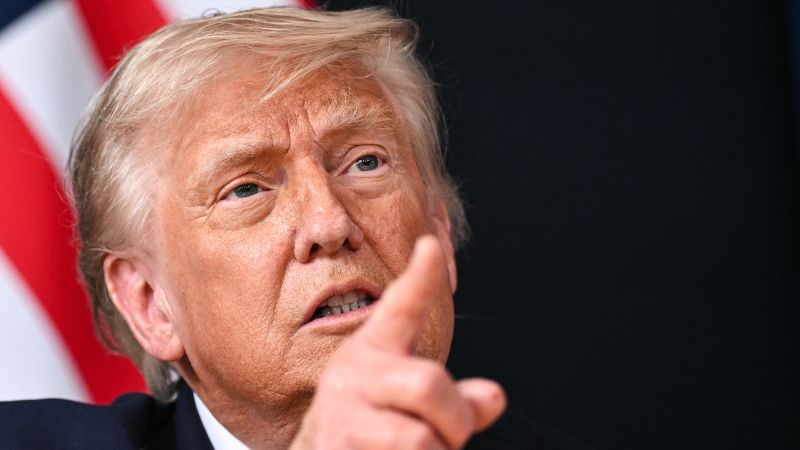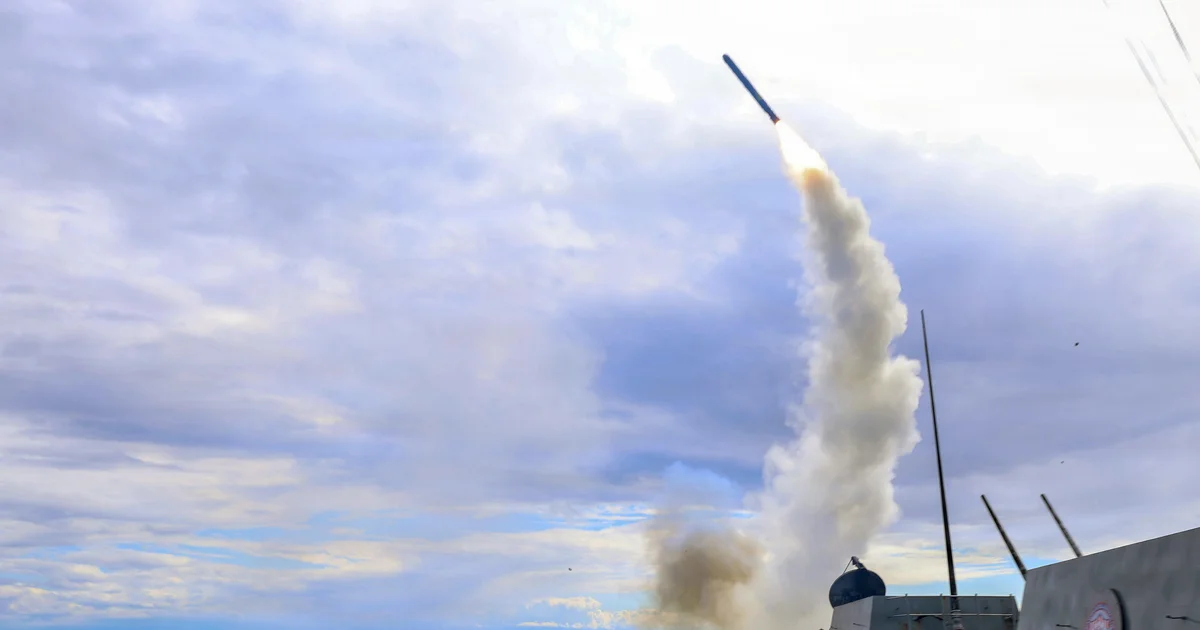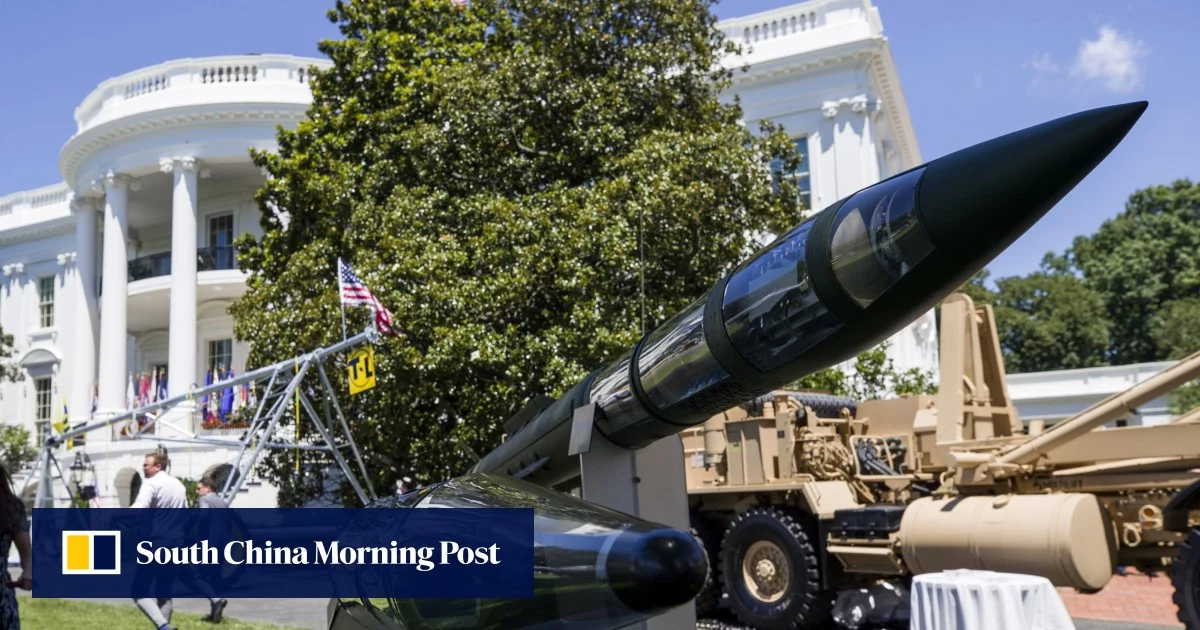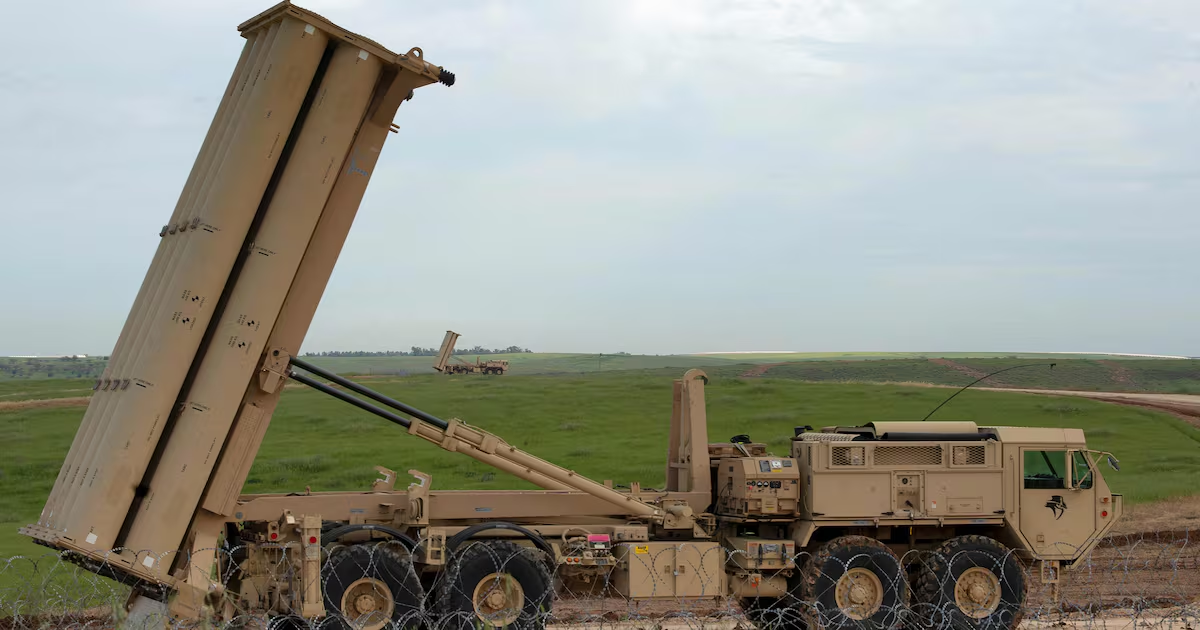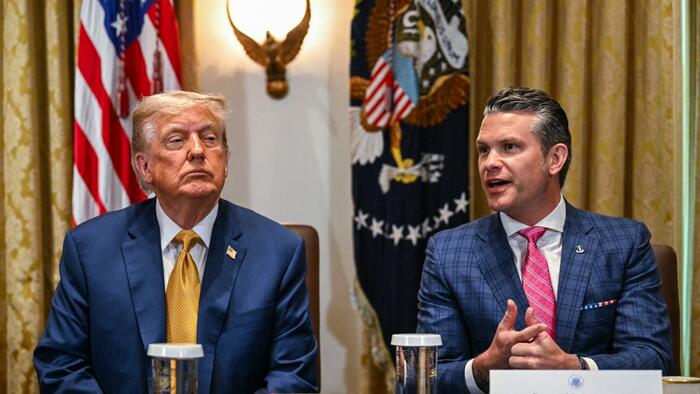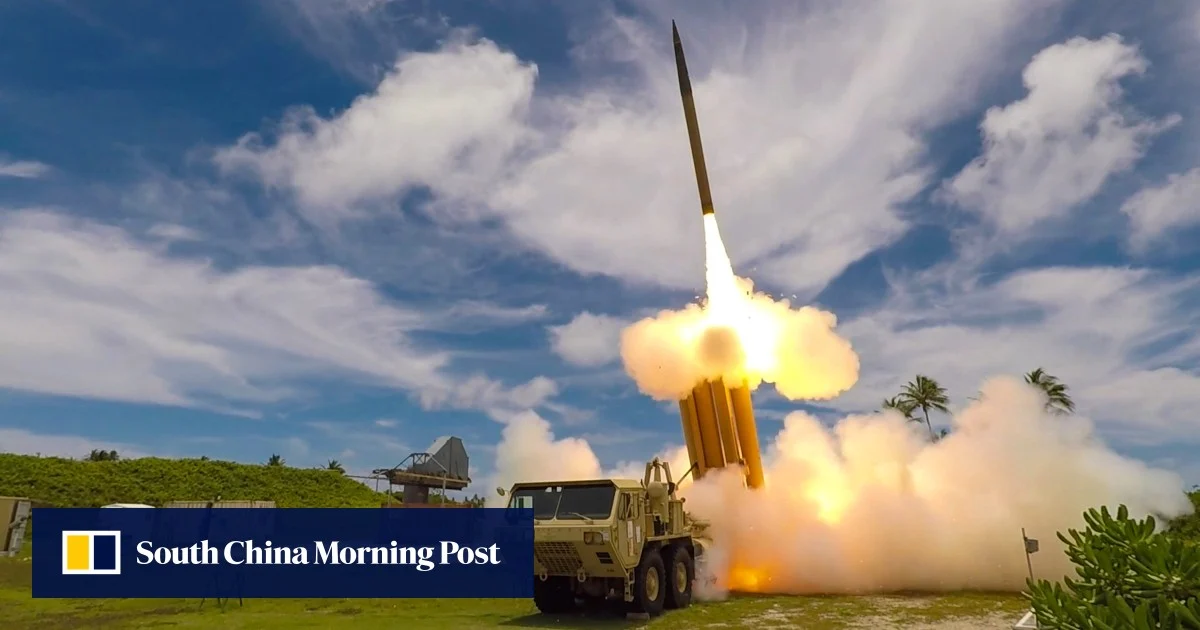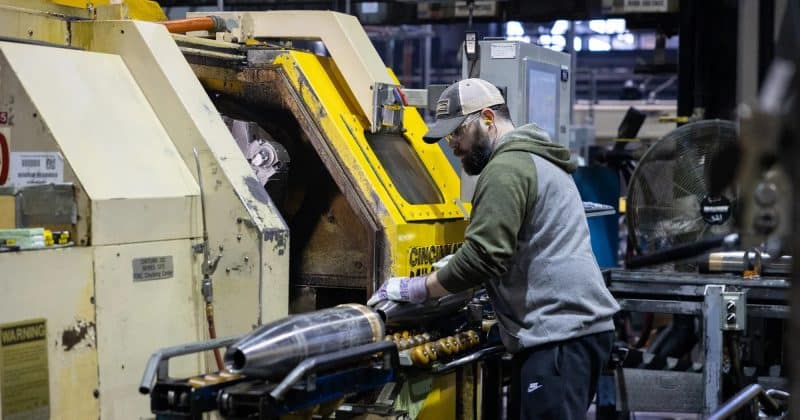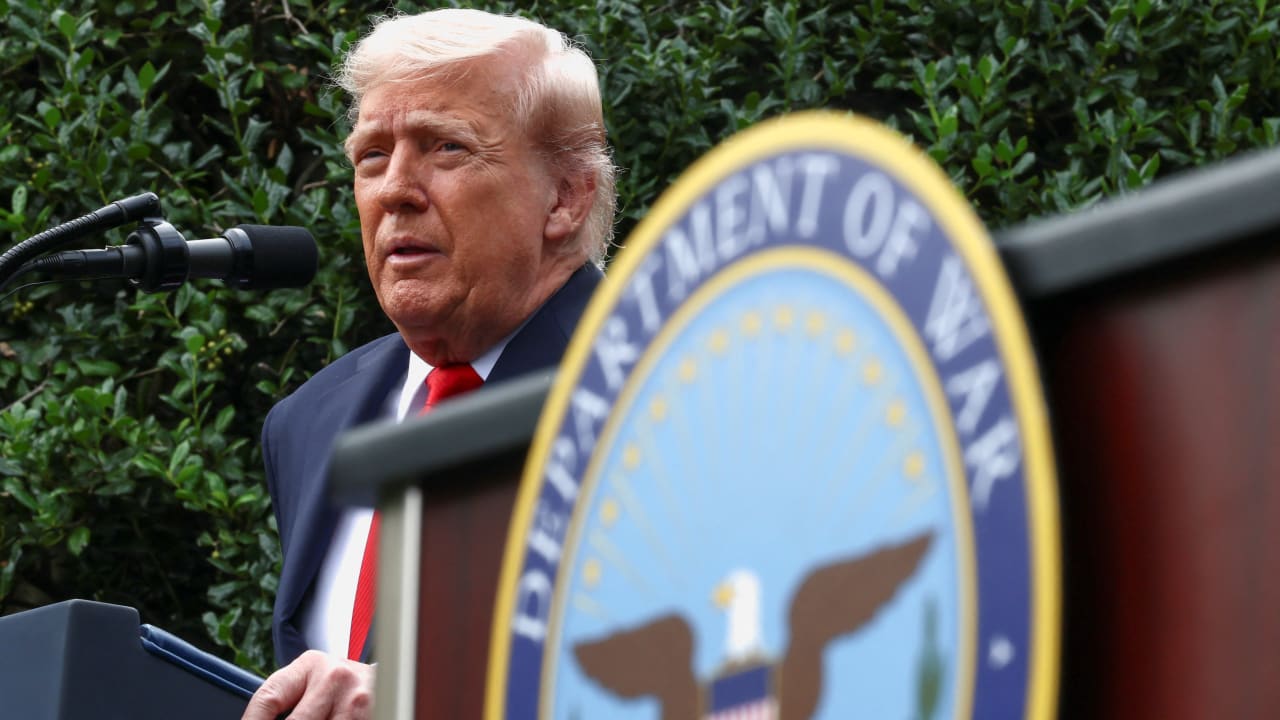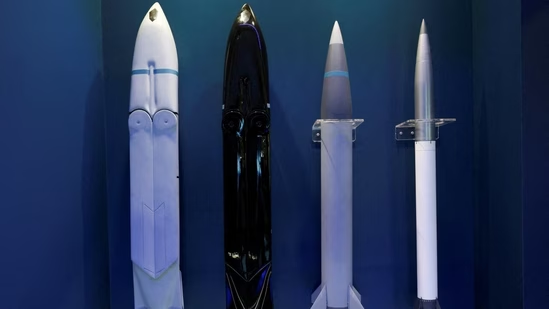
President Trump invoked a Cold War-era law in an effort to increase production of critical munitions, according to a memo released Tuesday, a step that signals the U.S. is concerned about a potential shortfall in weapons after heavy usage in Iran.Lockheed Martin missiles and rockets were on display at an air show last year in Australia.The decision to turn to the Defense Production Act comes amid doubts that American weapons makers are able to meet increased demand. The act has has been used in the past to increase production of critical products such as critical minerals, baby formula or vaccines.“I hereby find that conditions exist which may pose a direct threat to the national defense or its preparedness programs,” Trump wrote in a June 11 memo to Defense Secretary Pete Hegseth. Trump cited “limited production capacity, fragile supply chains, long-lead dependencies, and related production bottlenecks.”The memo delegates authority to Hegseth to pursue voluntary agreements with private industry that would “help provide for the national defense.” The U.S. has fired more than 1,000 long-range Tomahawk missiles since the war with Iran began Feb. 28, as well as 1,500 to 2,000 critical air-defense missiles, including Thaad, Patriot and Standard Missile interceptors, according to U.S. officials who declined to give exact figures.Completely replacing those stockpiles could take up to six years, officials told The Wall Street Journal at the time.Trump last week summoned the CEOs of seven top munitions makers for a meeting at the White House with Deputy Defense Secretary Stephen Feinberg, according to three people familiar with the internal discussions. However, the meeting was postponed because of developments in the Iran conflict, some of those people said.Some administration officials think that the high munitions-expenditure rates could complicate the Pentagon’s ability to defend Taiwan from a Chinese invasion in the near term. The White House and Pentagon pushed back against reports of low munitions levels this spring, including an article by The Journal about the potential difficulty in defending Taiwan. White House press secretary Karoline Leavitt disputed the article, saying “The entire premise of this story is false.”The Journal also reported that Joint Chiefs Chair Gen. Dan Caine warned Trump about the risk of an extended operation in Iran would to the Pentagon’s munitions stockpiles.The Center for Strategic and International Studies released a report on the topic in April. Based on prewar inventories, the think tank estimated that munitions expended in Iran would represent roughly 27% of Tomahawk stockpiles, about 23% of Jassm missiles, a third of SM-6 missiles, nearly half of SM-3 missiles, more than half of Patriot interceptors and up to 80% of Thaad interceptors.“It’s going to be years before we can rebuild those inventories,” Mark Cancian, a senior adviser at CSIS who co-wrote the report, told the Journal at the time.Trump invoked the Defense Production Act during his first term in early 2020 to speed production of Covid-19 test kits and medical equipment such as face masks. More recently, the act has been used to expand critical minerals manufacturing.The Pentagon has been pressing defense companies to accelerate munitions production since well before the Iran war began. In January, the Pentagon announced the first of several seven-year agreements with companies to significantly increase the annual production of Patriot, Thaad, Standard Missiles and other weapons.Congress must approve the long-term deals and funding before the Pentagon can lock in the contracts. Meanwhile, companies, including Lockheed Martin and RTX, have agreed to make investments in weapons factories to handle the expanded annual manufacturing.Lockheed Martin is in talks with General Motors about how the automaker could manufacture parts that could help the military contractor bolster munitions production.Write to Lara Seligman at lara.seligman@wsj.com and Marcus Weisgerber at marcus.weisgerber@wsj.com
Trump Invokes Cold War-Era Law to Boost Munitions Production
Concerns have grown that the U.S. has burned through a lot of weapons during the war with Iran. | World News
613 words~3 min read