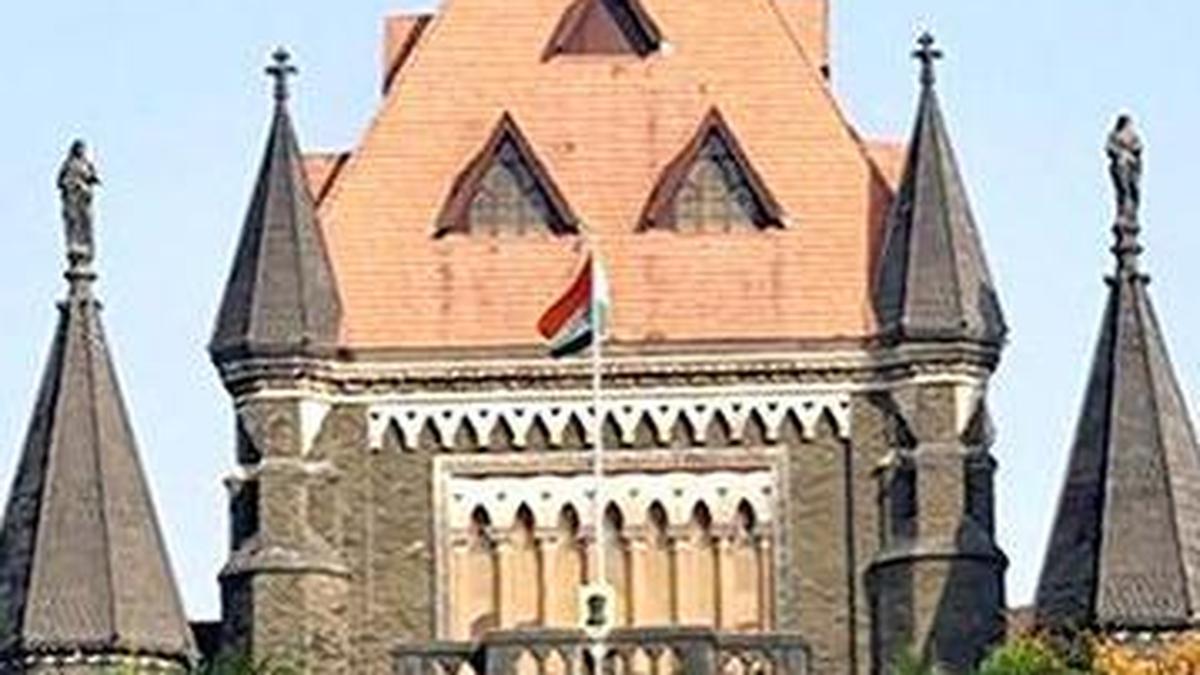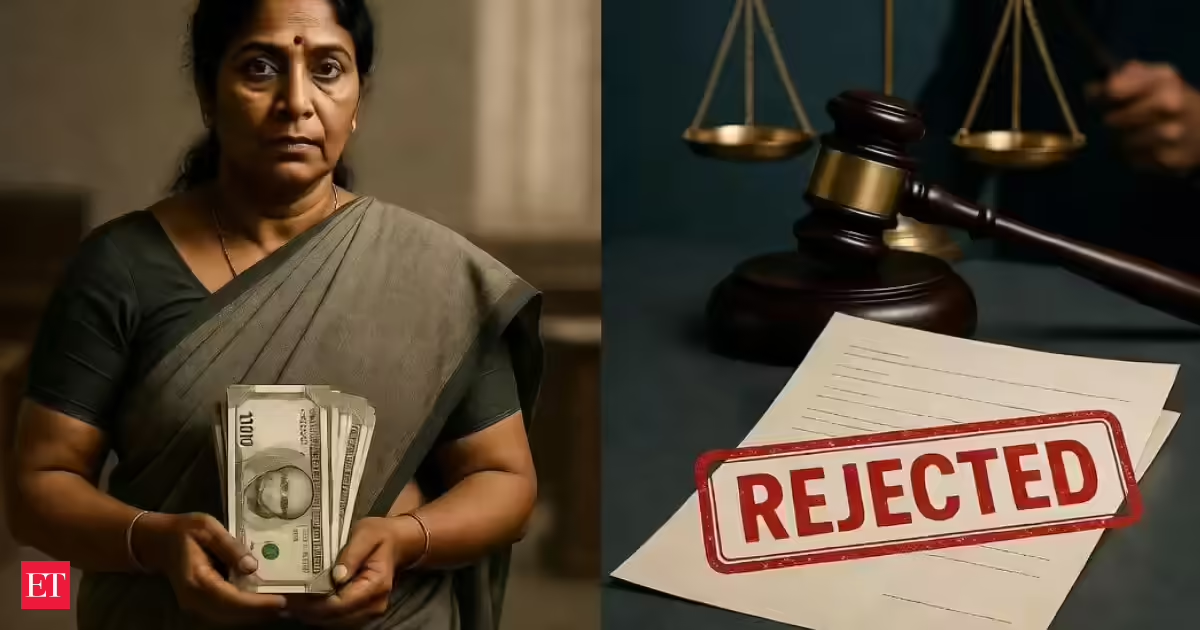
A divorced woman can continue receiving maintenance that has already been awarded to her even after her former husband's death. But if she wants that amount increased, the law draws a line there. In a recent ruling, the Bombay High Court held that while a divorced wife can recover decreed maintenance and pending arrears from her late husband's estate, she cannot seek enhancement of that maintenance after his death. The judgment came in a case involving a woman from Mumbai's Malabar Hill area who challenged a family court order that had refused to increase her maintenance amount after her former husband died in 2012. Divorced wife can recover maintenance after her ex-husband dies The bench said a wife's right to maintenance remains enforceable during her lifetime. If a court has already quantified and awarded maintenance, that amount can still be recovered from the deceased husband's assets or estate. Justice Bharati Dangre, who authored the judgment, observed that the wife's right to maintenance is a personal entitlement that remains valid during her lifetime. As a result, the court said she can continue recovering maintenance already awarded to her, along with any unpaid arrears, from the late husband's estate. Wife cannot ask for a higher maintenance amount after her husband's death While existing maintenance can be enforced, seeking an increase is a different legal exercise altogether. The High Court explained that a request for enhancement is not merely the enforcement of an existing order. Instead, it involves claiming fresh rights, requiring a fresh hearing and a fresh judicial determination. Since the husband is no longer alive, such a process cannot take place. After examining provisions of the Special Marriage Act, the court said any modification, enhancement or cancellation of maintenance requires both parties to be alive.Why did the court refuse to allow enhancement claims? The bench agreed with arguments that allowing enhancement claims against a deceased person's estate could create legal uncertainty. According to the judgment, such a position could lead to endless disputes over estates and succession matters long after a person's death. The court noted that permitting enhancement proceedings against a deceased husband could result in "absurdity" and undermine the principle of finality in succession law.What questions was the High Court asked to decide? In January 2026, the High Court framed two key legal questions. The first was whether a divorce decree granting monthly maintenance could be enforced against the estate of a deceased husband. The court answered this in the affirmative, holding that the divorced wife could recover maintenance already awarded to her. The second question was whether the wife could seek enhancement of that maintenance from the husband's estate after his death. On this issue, the court ruled against the wife, holding that such a claim could not survive the husband's death.What does the ruling mean going forward? The judgment clarifies an important distinction. A divorced wife does not lose her right to receive maintenance already awarded by a court merely because her former husband has died. That obligation can continue to be met from his estate. However, if she wants the maintenance amount increased, that claim cannot proceed after the husband's death because it would require a fresh legal determination involving both parties. In short, existing maintenance survives. A future claim for higher maintenance does not.
Divorced wife retains right to recover maintenance after ex-husband's death, loses claim for higher payment
Bombay High Court has ruled that a divorced wife can continue to recover maintenance already awarded to her, including arrears, from her late husband's estate. However, she cannot seek an increase in the maintenance amount after his death. The court said enhancement of maintenance would require fresh adjudication, which is only possible when both parties are alive.
549 words~2 min read