Time-series data is one of the most common types of data generated by modern applications. Every log entry, API request, metric, transaction, sensor reading, or user interaction is recorded with a timestamp, making time the primary dimension for analysis. As organizations collect billions of these records, efficiently storing and querying them becomes increasingly challenging.
This is where ClickHouse® excels.
Although ClickHouse is not a dedicated time-series database, its columnar storage architecture, vectorized query execution, high compression ratios, and massively parallel processing make it an excellent choice for time-series analytics at scale. It is capable of ingesting large volumes of data while delivering analytical queries in milliseconds.
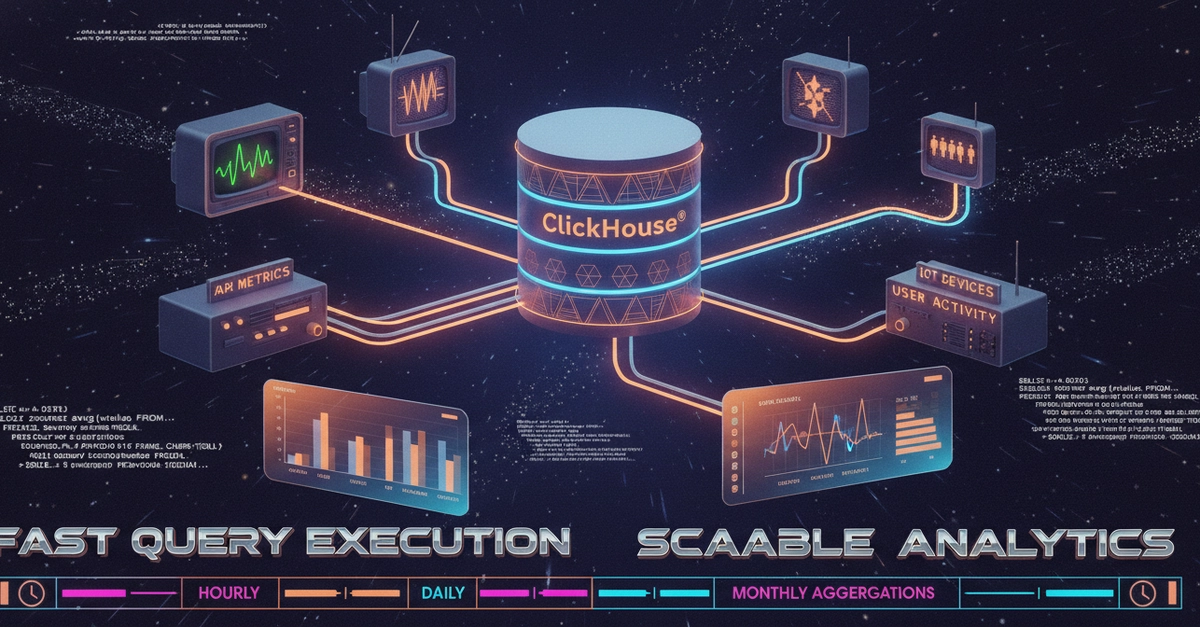
The article begins by explaining the fundamentals of time-series data and highlighting common real-world use cases such as application monitoring, IoT sensor data, financial market analysis, server metrics, user activity tracking, and business analytics. These workloads typically involve continuous data ingestion, time-based filtering, aggregations, and trend analysis.
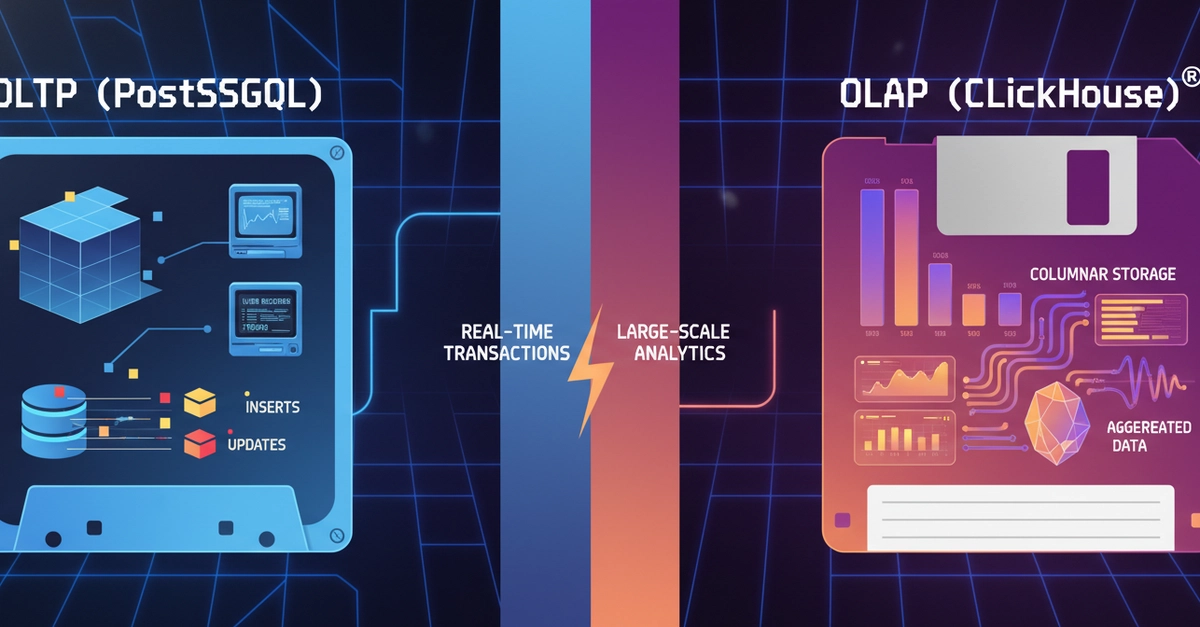
One of ClickHouse's biggest strengths is its optimization for analytical workloads. Since data is stored column-wise rather than row-wise, only the required columns are read during query execution. Combined with compression and vectorized processing, this significantly reduces I/O and improves query performance over massive datasets.