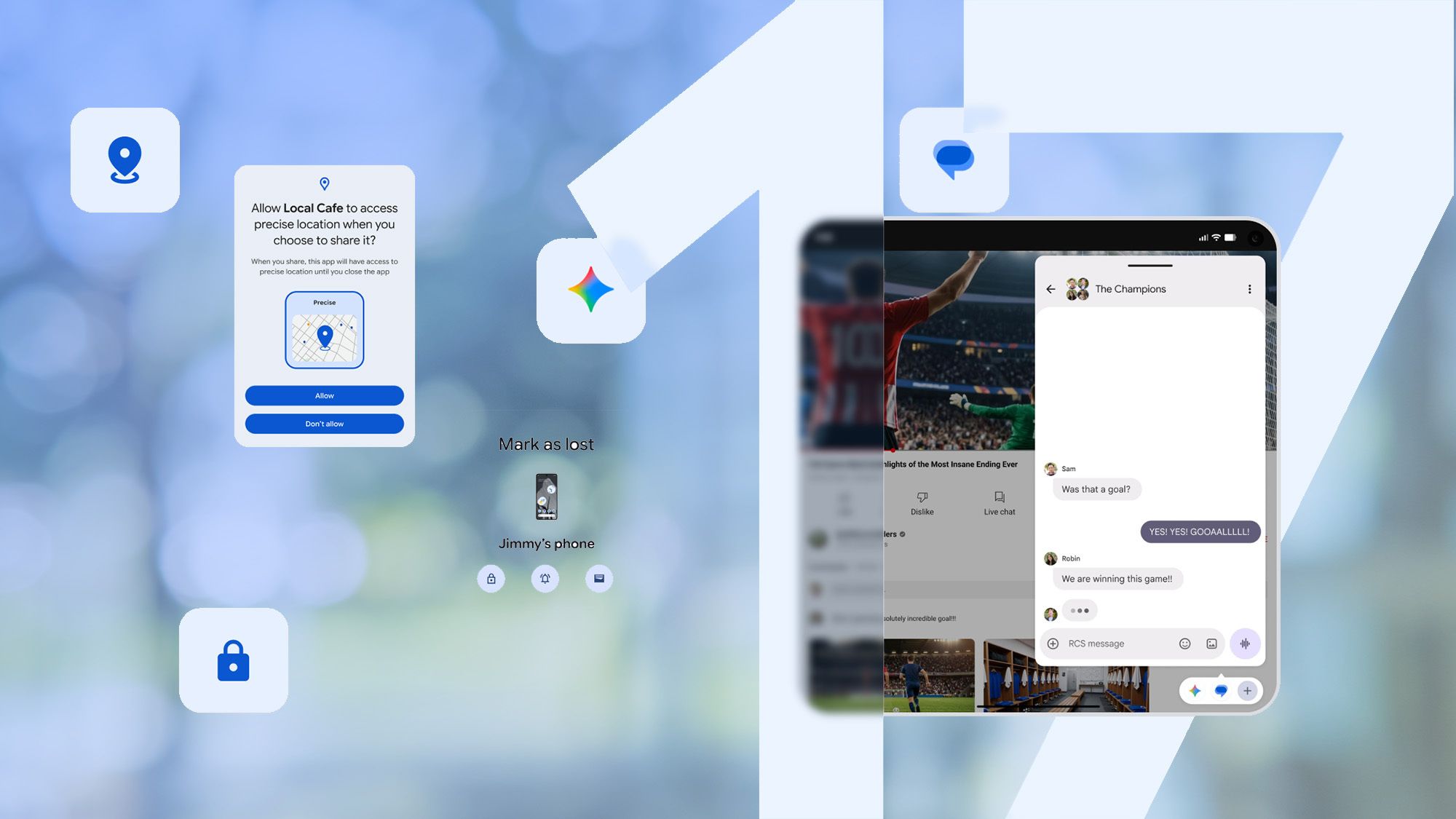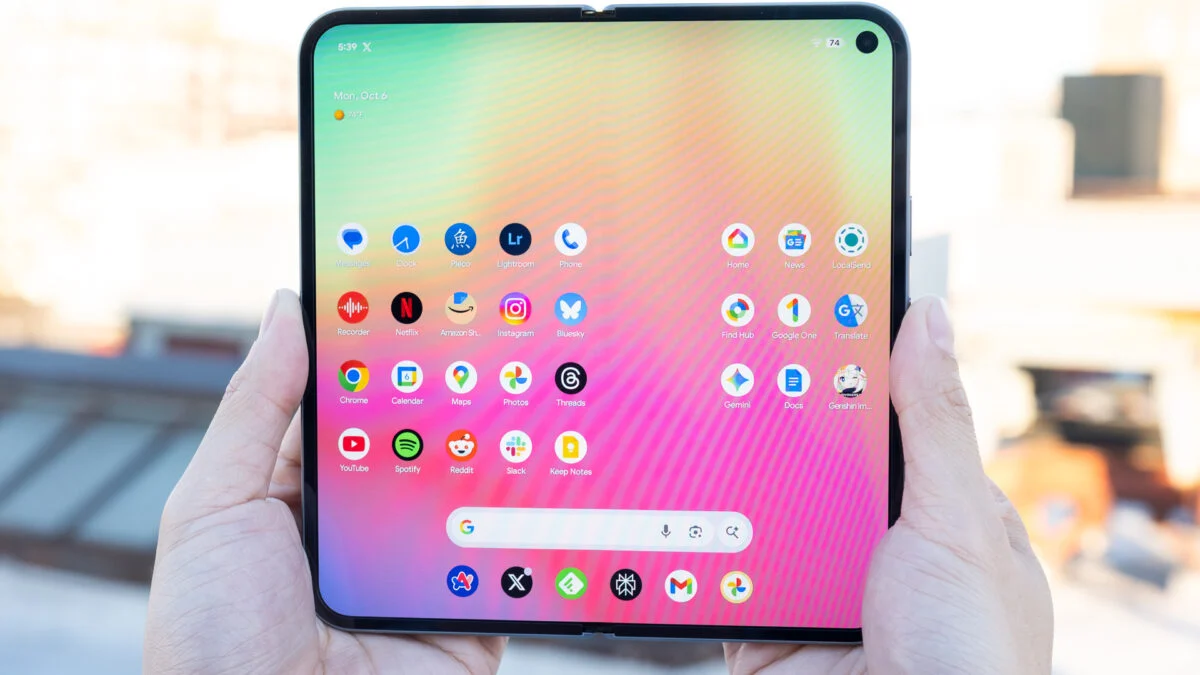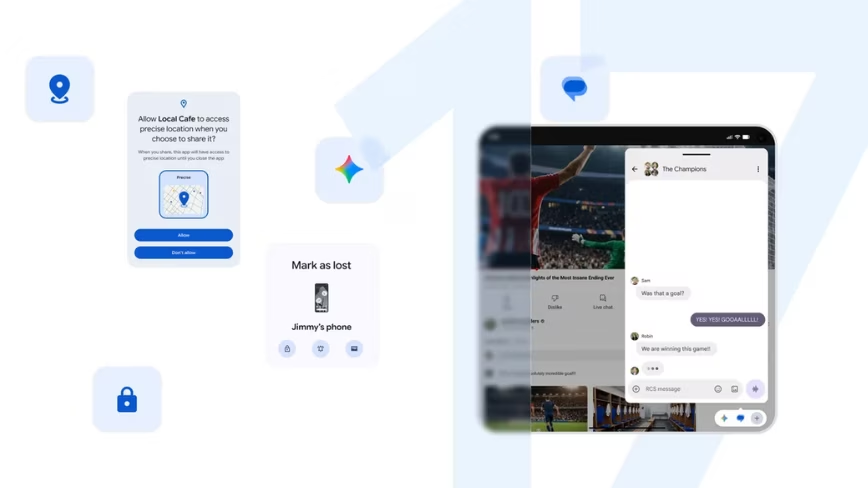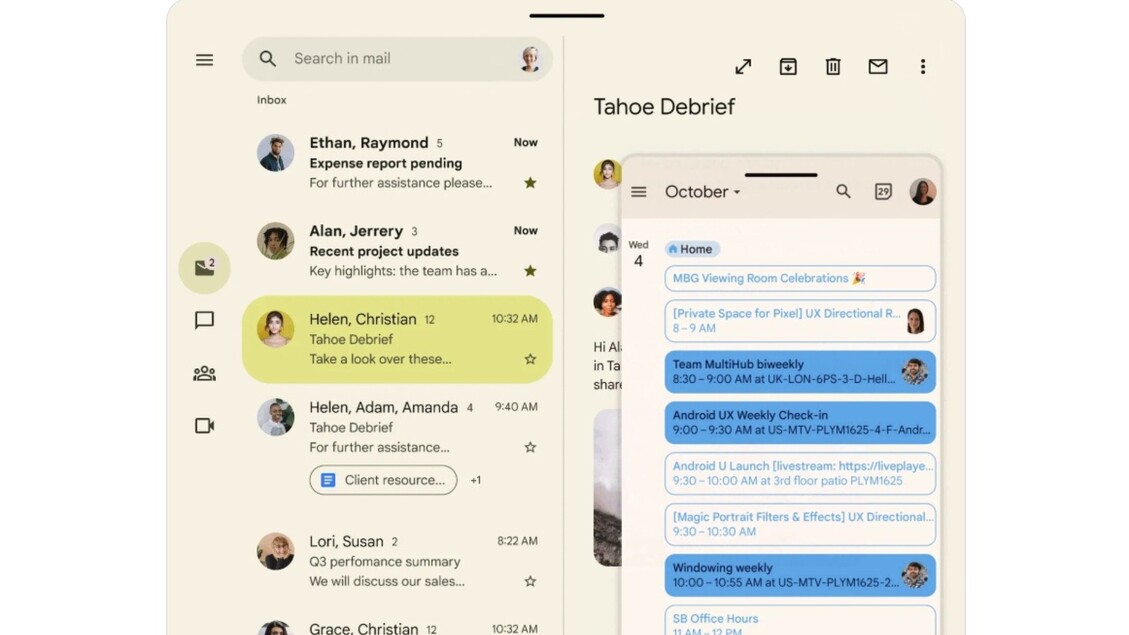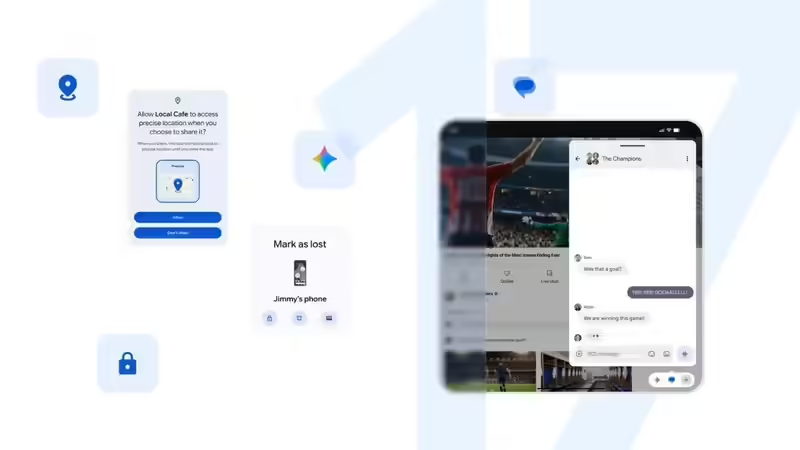
Google released the stable build of Android 17 on 16 June, first to Pixel 6 through Pixel 10a, and the version most people install arrives with its headline feature switched off. Gemini Intelligence - the agentic AI Google built the launch around - needs a phone carrying Gemini Nano v3, a current flagship chip and at least 12GB of RAM. Most handsets fall short of all three. What reaches the majority, then, is the bodywork of a car whose engine stayed back in the showroom.Key TakeawaysAndroid 17's stable build landed on 16 June 2026, reaching Pixel 6 through Pixel 10a first, with the Samsung Galaxy S26 and One UI 9 next in line.Gemini Intelligence, the headline agentic AI, requires Gemini Nano v3, a flagship SoC and at least 12GB of RAM, according to 9to5Google - a bar that sidelines most phones, including several older Pixels.Every eligible phone gets App Bubbles (float any app in a movable window), Screen Reactions (selfie-over-screen recording for reaction videos) and a per-use precise-location permission.Gemini Intelligence covers Rambler (voice dictation that strips filler words), Create My Widget (natural-language widgets) and multi-step task automation inside apps.In India, the Pixel 10 and Galaxy S26 are the clear on-ramps to Gemini Intelligence; most sub-Rs 40,000 phones get base-tier Android 17 without it.What lands on every eligible phoneSet the AI aside, and Android 17 still earns the upgrade. The base release behaves like a new building every tenant moves into on the same day, and the lobby is genuinely better furnished than last year's.App Bubbles is the most useful arrival. It floats any app as a movable, chat-head-style window that sits over whatever you are doing - long-press the icon, tap the bubble button, drag it where you like. On foldables and tablets, a dedicated bubble bar in the taskbar holds several at once. Screen Reactions revamps the screen recorder to capture your display and selfie camera together, with AI cutting your background out for a built-in green-screen effect, so reaction and tutorial clips need no separate editing app. Foldables gain a gaming mode with an on-screen virtual gamepad, aimed at devices like the Pixel 10 Pro Fold. Underneath, a redesigned location permission grants apps precise location only while you actively use them.FeatureWhat it doesWho gets itApp BubblesFloats any app as a movable window; bubble bar on foldables and tabletsAll Android 17 phonesScreen ReactionsOverlays your selfie camera on a screen recording, with AI background removalPixel phones on Android 17Foldable gaming modeOn-screen virtual gamepad for foldables such as the Pixel 10 Pro FoldFoldablesLocation permissionGrants precise location only while an app is in useAll Android 17 phonesSecurityMay 2026 patch plus tightened privacy controlsAll Android 17 phonesThe 12GB wallGemini Intelligence is where Android 17 splits in two. Google's agentic layer - the part that completes multi-step tasks, drafts and books on your behalf, and rewrites how you talk to your phone - runs only where the hardware can host it on-device.The mounting points are specific. According to 9to5Google, the marquee local model wants Gemini Nano v3 support, a qualifying flagship system-on-chip and 12GB of RAM as a floor, which rules out most phones built before 2026. An engine of this size needs an engine bay to match: the NPU does the inference, and AICore polices it, handing each app a quota so a single one cannot monopolise the chip and drain the battery. Bolt that motor into a chassis without the mounts, and it simply will not sit.Behind the wall sit the features Google demonstrated hardest. Rambler cleans up Gboard voice dictation in real time, stripping filler and handling self-corrections across languages. Create My Widget builds custom widgets from a plain-language request, wired into Gmail, Calendar and Keep. The headline act is full multi-step automation - the assistant checking your Gmail, finding a book, adding it to a cart - the kind of errand-running that already works on the Galaxy S26 and Pixel 10 and now extends further.So which phones actually qualify?Two ranges clear the bar at launch: the Pixel 10 family and the Samsung Galaxy S26, with the One UI 9 beta carrying Android 17 to Samsung devices within a week or two. Most older Pixels - anything from the Pixel 6 up - receive Android 17 itself, yet stop at the velvet rope when Gemini Intelligence checks the guest list.The roster will widen. How-To Geek notes the MediaTek Dimensity 8550 arrived with Gemini support, pulling more chips toward the qualifying side, and Google says the agentic features roll out across select Samsung and Google phones through the second half of 2026. For now, the keycard opens for a thin top floor while everyone else settles into the lobby.What this means for Indian buyersIn India, the split lands exactly where the market is thickest. The Pixel 10 and Galaxy S26 are the on-ramps to Gemini Intelligence, both premium-tier devices; the 12 GB RAM and flagship chip requirement passes over most of the sub-Rs 40,000 segment - the same crowded band where 200MP cameras and 7,000mAh batteries now sell hardest. A buyer picking up a strong Rs 35,000 phone this month gets App Bubbles, Screen Reactions and the privacy upgrades, and watches the agentic AI from outside the glass.Skins decide the timeline for everyone else. One UI 9 leads, and the Android 17 builds from OnePlus, Xiaomi, Vivo, and others will follow over the coming months, with their own flagship tiers gating Gemini Intelligence the same way Google does. Quick Share, gaining AirDrop compatibility - already expanding to Samsung, Oppo, OnePlus, Vivo, Xiaomi and Honor through 2026 - will matter more to the average Indian user than an agentic model they cannot run.The line hardens in SeptemberQPR1, the first major Android 17 update, arrives around September, and it lands on a divide that looks set to widen rather than close. Google has chosen to make its most advanced phone software a reason to buy its most expensive phones, and the gap between the two tiers of Android 17 is now a hardware-buying argument as much as a software one.The irony sits one ecosystem over. While Google routes its agentic AI to flagships, Apple is reportedly preparing to route complex Siri requests to Gemini from iOS 27, which would put Google's model on phones that Google's own gate would lock out. The richest version of Gemini on Android may end up rarer than Gemini on an iPhone.Frequently Asked QuestionsWhen did Android 17 launch, and which phones got it first?Google released the stable build on 16 June 2026. It reaches Pixel 6 through Pixel 10a first, followed by the Samsung Galaxy S26 and the One UI 9 beta within a week or two, then other manufacturers over the following months.What is Gemini Intelligence, and which phones support it?It is Android 17's suite of agentic AI features, including multi-step task automation, Rambler voice dictation and natural-language widgets. According to 9to5Google, it needs Gemini Nano v3, a flagship SoC, and at least 12GB of RAM, so most phones get Android 17 without it.What are App Bubbles?App Bubbles lets you float any app in a movable, resizable window that sits over your current screen. On foldables and tablets, a bubble bar in the taskbar manages several at once. It is available on all phones running Android 17.What are Screen Reactions?Screen Reactions revamps the screen recorder to capture your display and selfie camera at the same time, using AI to remove your background. It produces reaction and tutorial videos without a separate editing app, and reaches all Pixel phones on Android 17.Which phones in India get Gemini Intelligence?At launch, the Pixel 10 and Samsung Galaxy S26 qualify. Most mid-range phones, including the popular sub-Rs 40,000 models, receive Android 17 but miss the agentic AI tier.end of article
Android 17 Is Here, but Its Best AI Skips Most Phones
Android 17 has touched down, introducing innovative features like App Bubbles and Screen Reactions to a range of smartphones. Yet, the next-level Gemini Intelligence AI is a luxury reserved for select high-end devices, leaving a gap between standard users and those with flagship models.
1,288 words~6 min read