Get the latest news and updates from Dawn
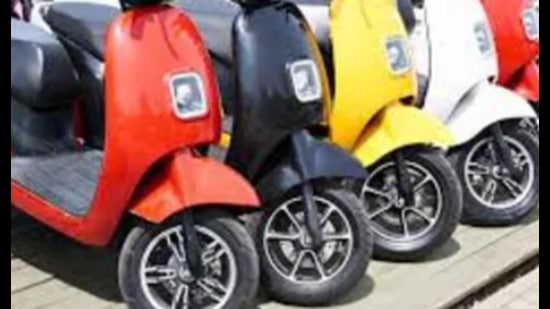
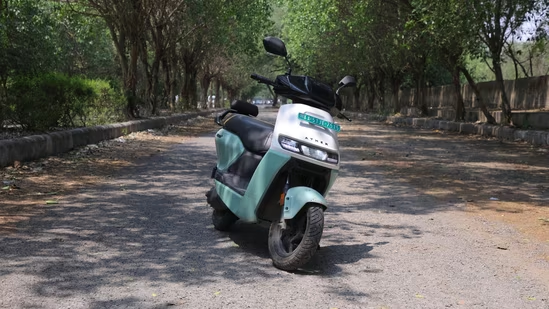
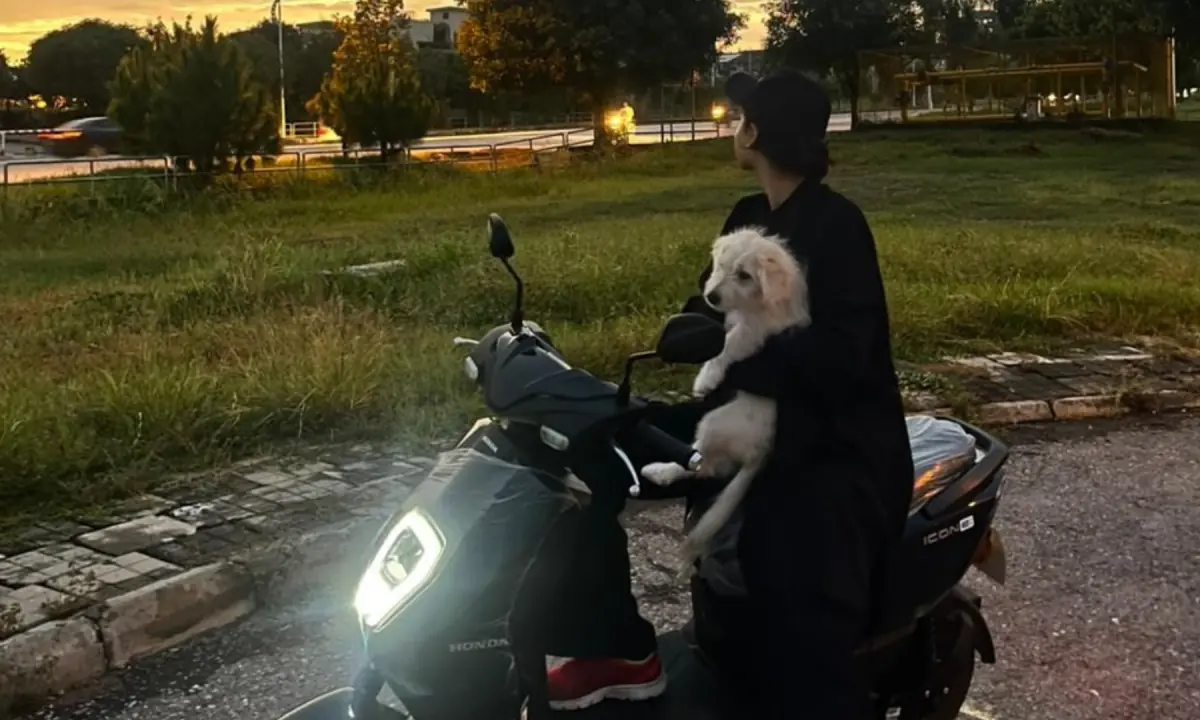
Esha named her scooty Riri, after herself.
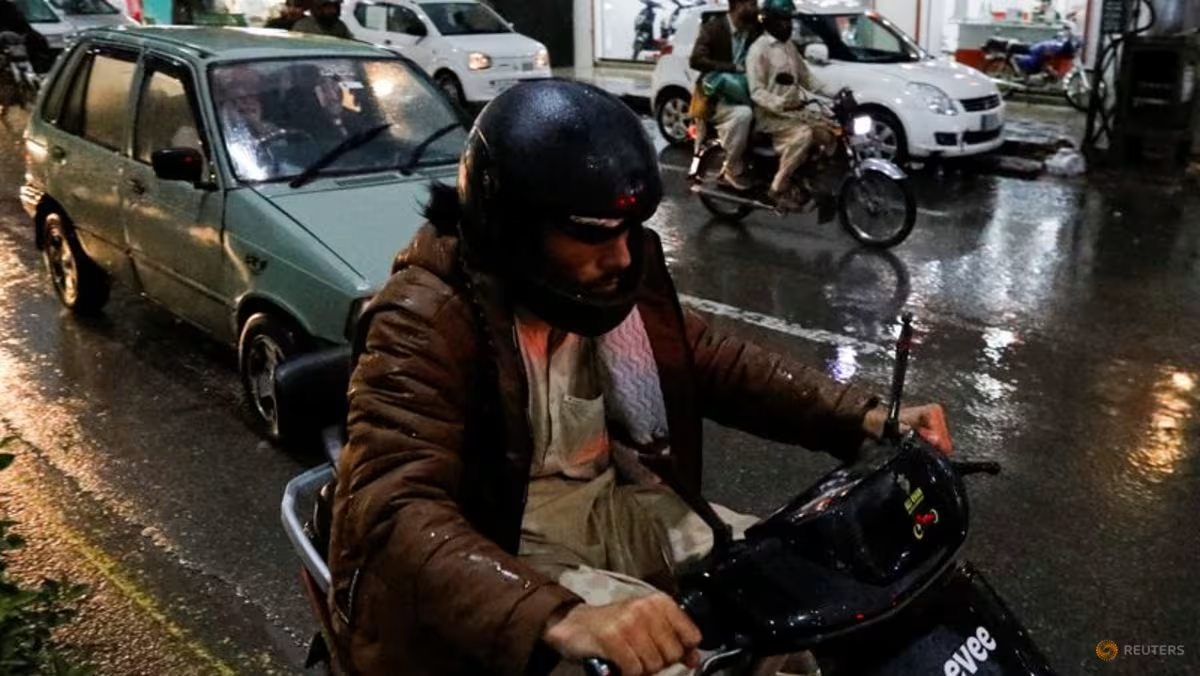
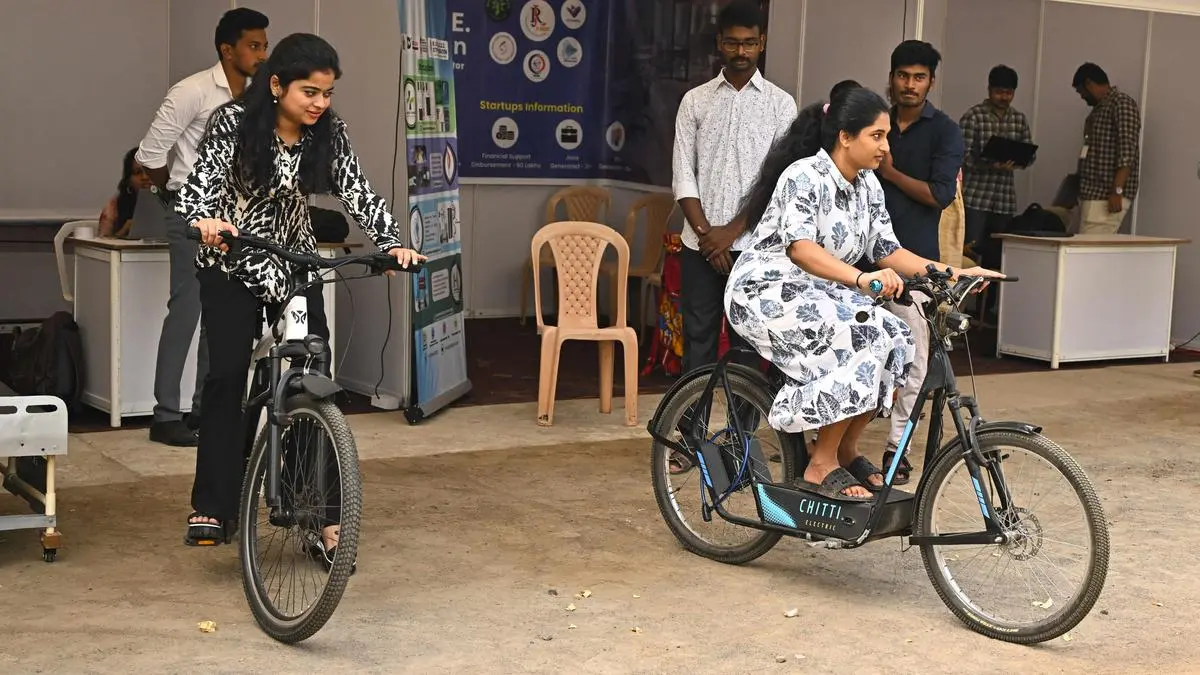
It cost Rs420,000 and she hasn’t spent a rupee more since on transport. Every time the scooty hums to life—when the 22-year-old leaves for classes at the College of Electrical & Mechanical Engineering—heads turn. “My friends think it’s cool,” she says. “Young women light up in public. They say it looks easy to handle.” Their reaction means everything to her.
In a country where a woman’s movement is still being negotiated, the sight of a young woman riding an electric bike is its own argument. Esha has thought carefully about why that argument meets resistance. “One, the upfront cost. But honestly, why would a family invest in a scooty for their daughter when bhai is around as a free drop service?” she says. The second resistance comes from the feeble ‘log kya kahenge’ and ‘kuch ho jayega road pe’ fear. And lastly, Esha believes that women’s independence makes men uncomfortable. “The control only works when we’re dependent,” she adds.
The economics of freedom are hard to argue with, though. Pakistanis have, in the last year or so, been floored by soaring petrol prices that electric two-wheelers are beginning to find their riders. A monthly fuel bill of Rs12,000 has doubled now.