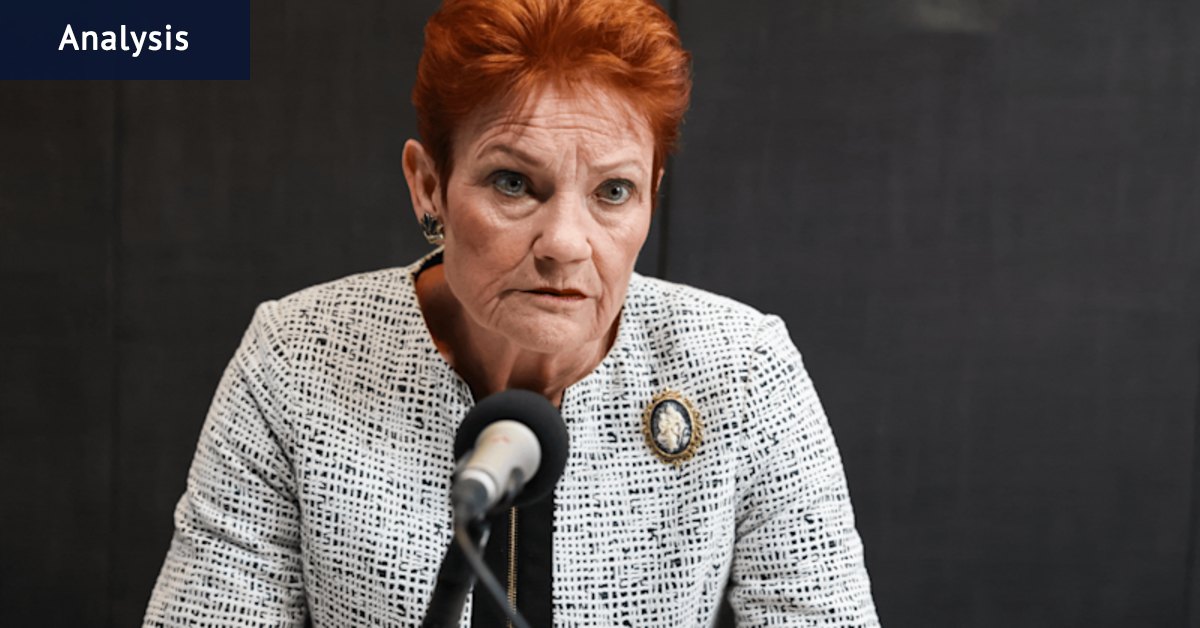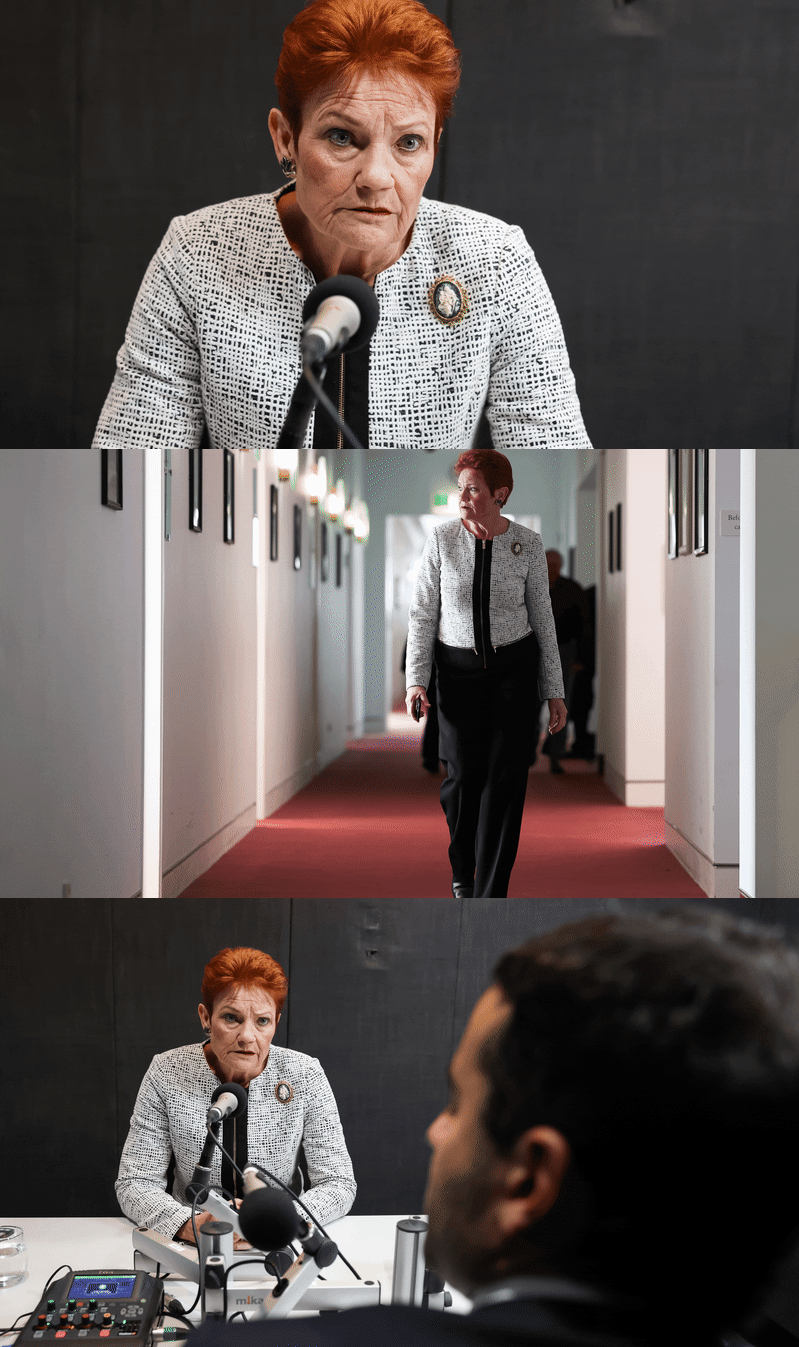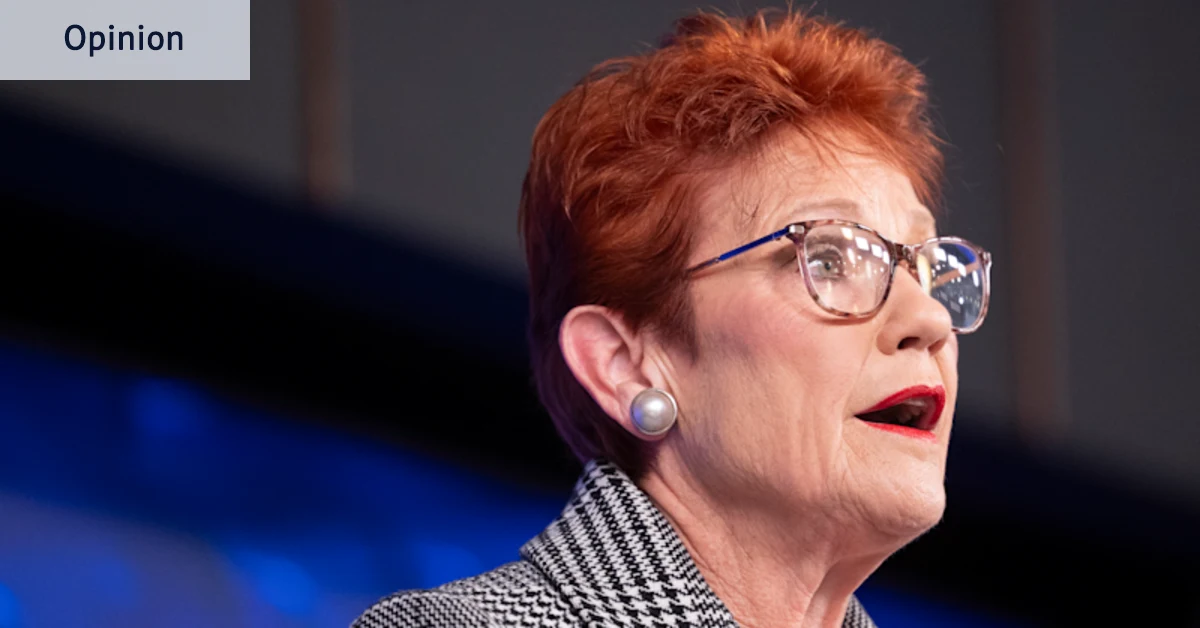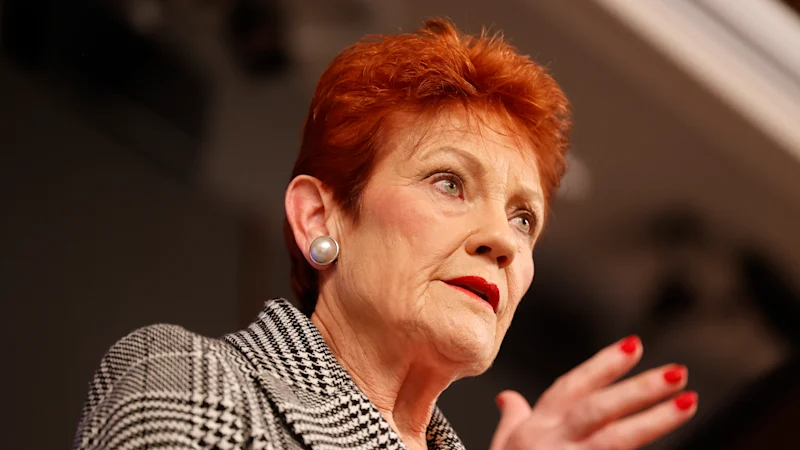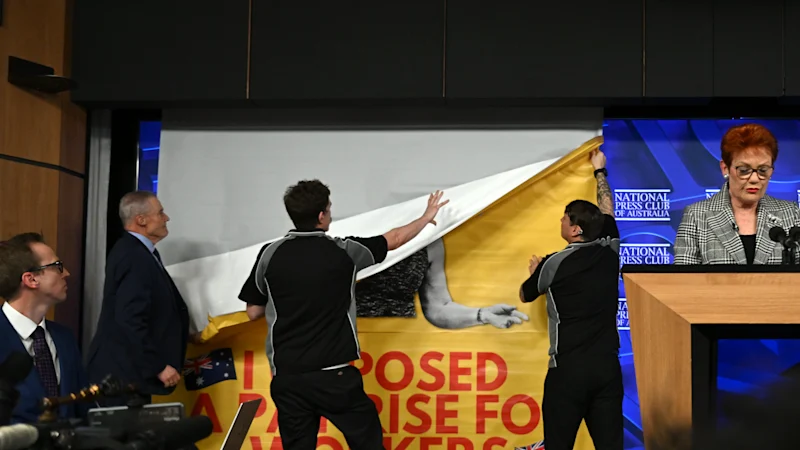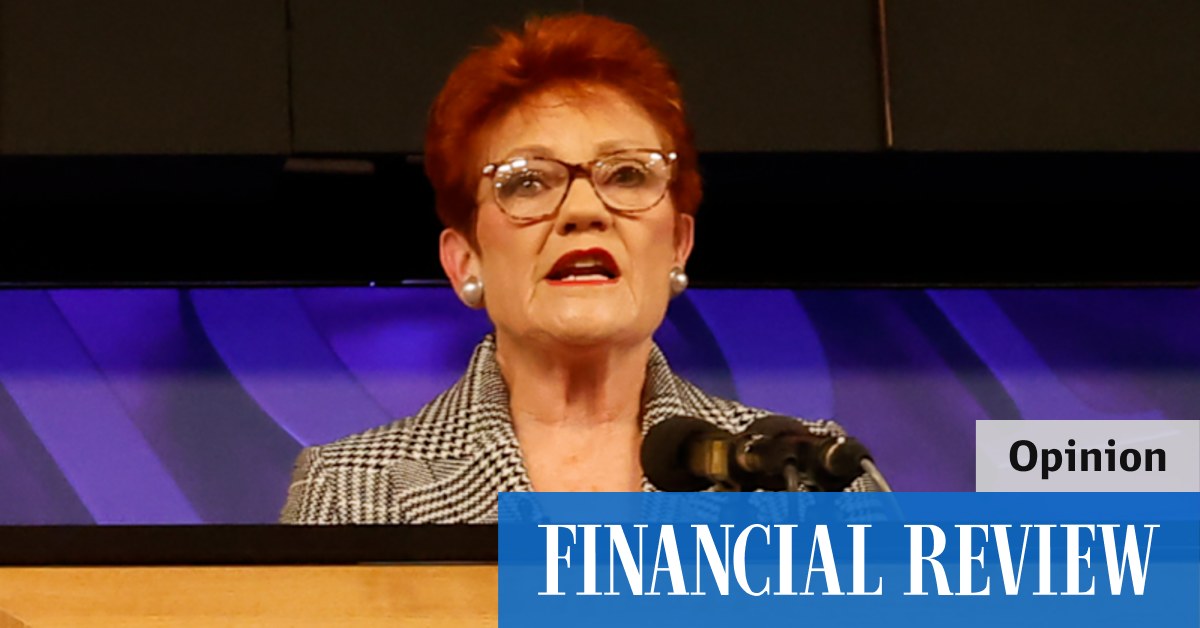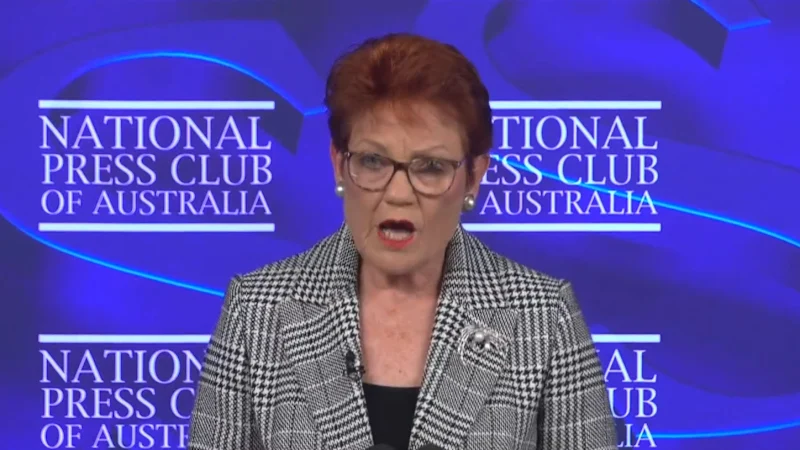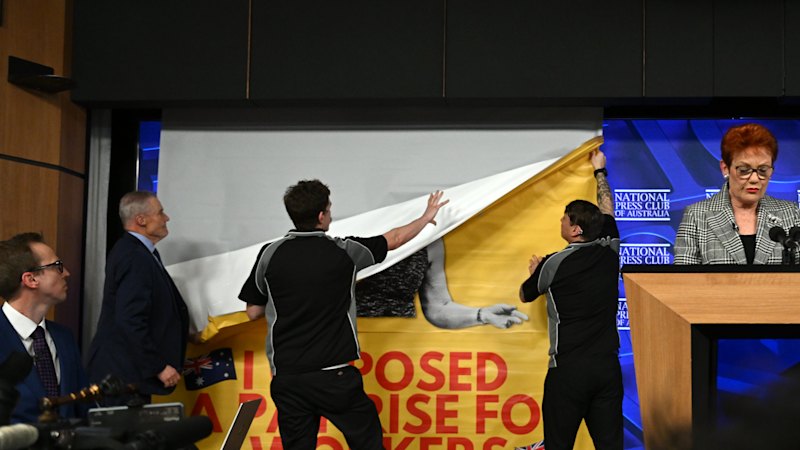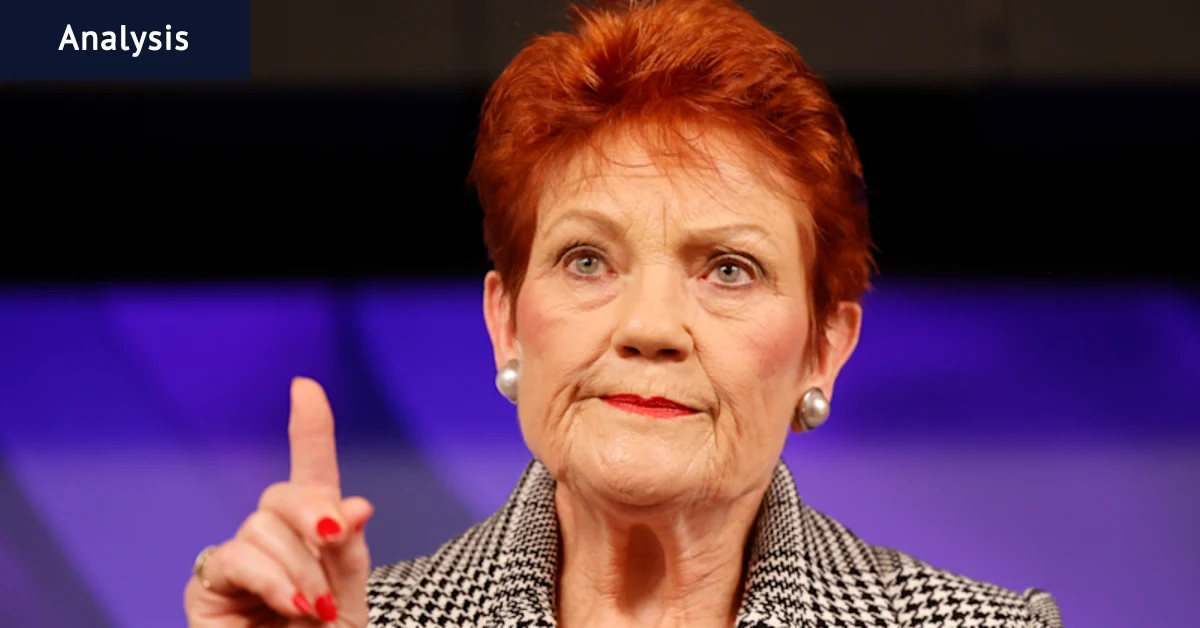
June 17, 2026 — 4:27pmFor months, the conventional wisdom was that Pauline Hanson would eventually trip up — that she would self-implode, be caught out by some association or crack under the weight of sustained scrutiny.The press gallery, the major parties and the broader political class have all, in different ways, banked on some version of that outcome.But her performance at the National Press Club in Canberra suggested something more uncomfortable. The One Nation juggernaut may not have peaked yet.One Nation leader Pauline Hanson made some bold claims at the Press Club. Not all of them stacked up.Getty ImagesShe wasn’t slick, she constantly contradicted herself and mangled her words. But, under the spotlight and on national television, she never lost her cool.She was the same Pauline Hanson that Australians first came to know 30 years ago, but a touch more worldly and, in some ways, more sophisticated. She has been a staple of Australian culture for three decades in a way none of her opponents will ever be. Nowadays, that is a rare gift for a politician.So it is now worth asking whether those she is trying to dislodge from office — on both sides of politics — need to adjust not just their tactics but their diagnosis. Because if Hanson is not burning out on cue, then the political system that has long attacked her personally and screamed “racist” has to confront what is actually driving her support.At the National Press Club - for decades a stage for prime ministers, ministers, dignitaries and captains of industry, Hanson’s real target was not Labor, nor the Coalition, nor even the ABC.It was the broader collection of institutions — governments, media organisations, bureaucracies and experts — that she argues stopped listening to ordinary Australians years ago. By the end of the speech, she was offering herself as the antidote to a crisis of confidence she believes those institutions created.Hanson was all diagnosis and very few genuine cures, but the point of the exercise was not policy design. Her central proposition was blunt: Australia is in decline because its leaders have refused to face reality.Immigration and housing were fused into a single pressure point, with Hanson pointing to official figures to argue population growth has outstripped housing supply, intensifying rents and homelessness.From there she moved through the familiar ledger of cost-of-living politics: energy prices, food costs, household stress. Charity-sector data was deployed not as colour but as evidence — people skipping meals, rationing medicine, relying on emergency relief while being told, repeatedly, that Australia remains a wealthy country. In her framing, that gap between big picture prosperity and daily distress is the defining political failure of the moment.Hanson’s strategy is not really to persuade the mainstream any more, it is to bypass it. Her speech was streamed live on Facebook. A press club address used to be for corporate fat cats and the chattering classes. Not this one.She rolled out her greatest hits. Radical Islam, migration, Welcome to Country, Flick the UN, gender bending and dismissing climate change.She accused journalists and commentators of cycling through the same reflexes of dismissal and ridicule for three decades.“You have to earn the trust of the Australian people,” she said. “I am confident I can. Can the media say the same thing? Many see you as part of the problem. In some respects, they’re right.”The Liberals and Nationals remain caught in a familiar bind: how to oppose her without legitimising her, and how to recapture her voters without importing her worldview. Labor has, until recently, seen her as a problem for the opposition. But her rise in the polls now shows otherwise.The media has never settled on a stable way of responding to her without strengthening her appeal among her base. And now she seems too electorally durable to ignore.The biggest issue for them all is that if voters no longer trust the messenger they won’t listen to the message. And Hanson knows it.For nearly three decades, opponents have predicted her irrelevance. Protesters have marched and screamed. Journalists have written her political obituary more times than they can count.Across democracies, the pattern is now familiar: Donald Trump in the United States, Marine Le Pen in France, Nigel Farage in Britain, the AfD in Germany.Movements and figures like these are met first with disbelief, then condemnation, then uneasy adaptation — but rarely with any clear sense of how they are meant to be confronted or contained.Australia has long told itself it is different, that these dynamics belong elsewhere. Hanson is now testing that assumption.Cut through the noise of federal politics with news, views and expert analysis. Subscribers can sign up to our weekly Inside Politics newsletter.From our partners
She wasn’t slick, but Hanson’s formidable Press Club performance proved her enemies wrong
Hanson’s strategy is not really to persuade the mainstream any more, it is to bypass it.
780 words~4 min read