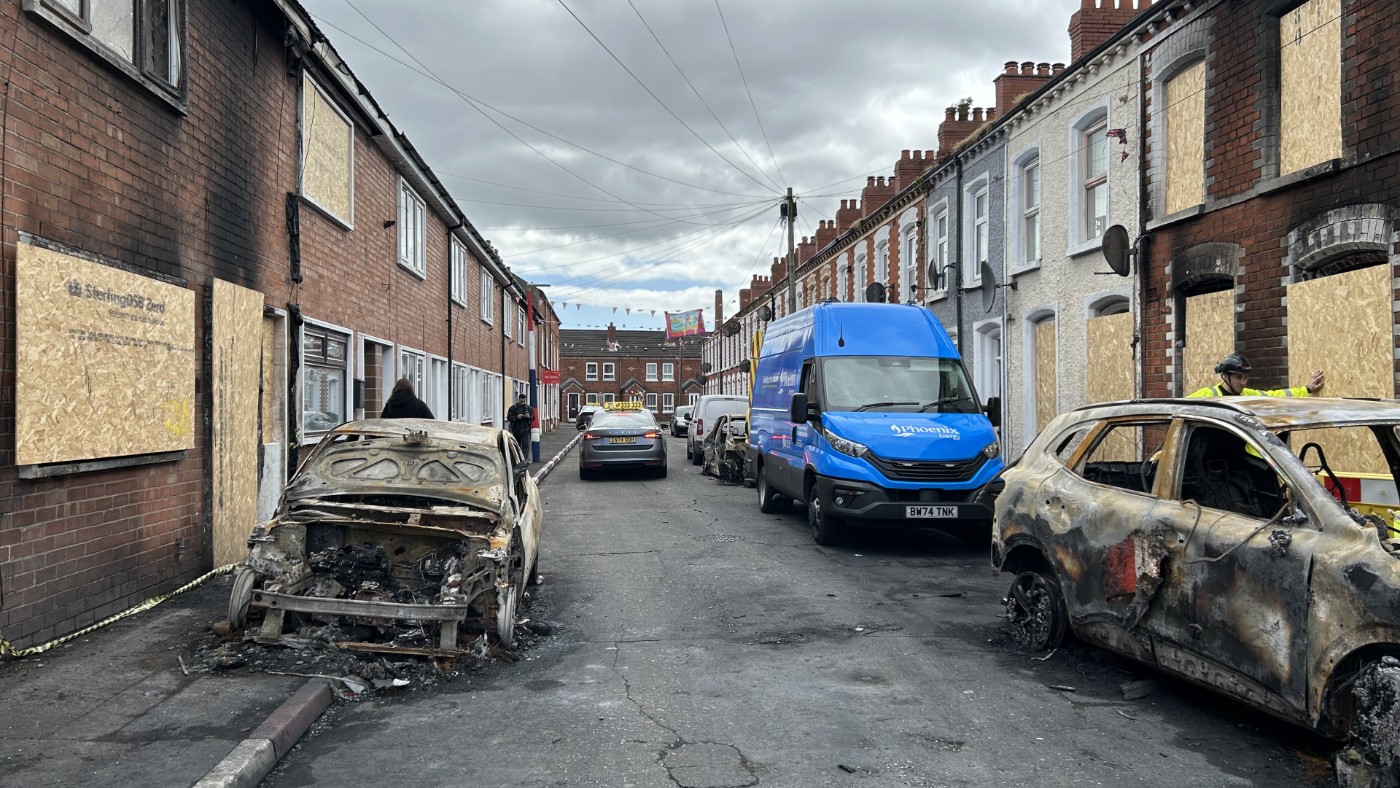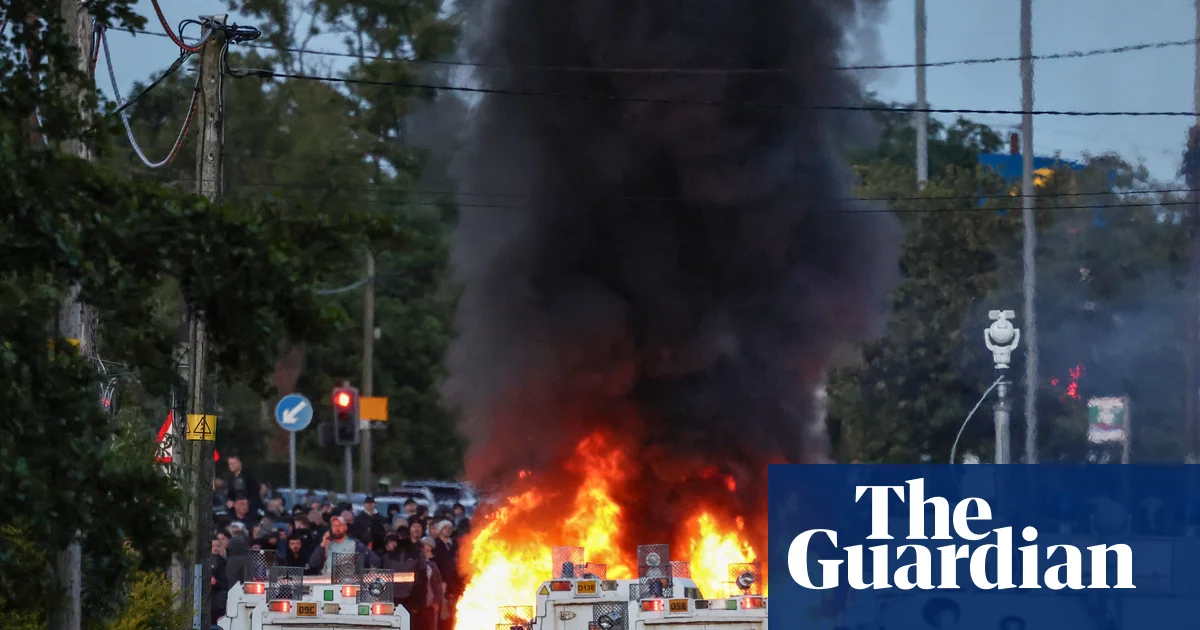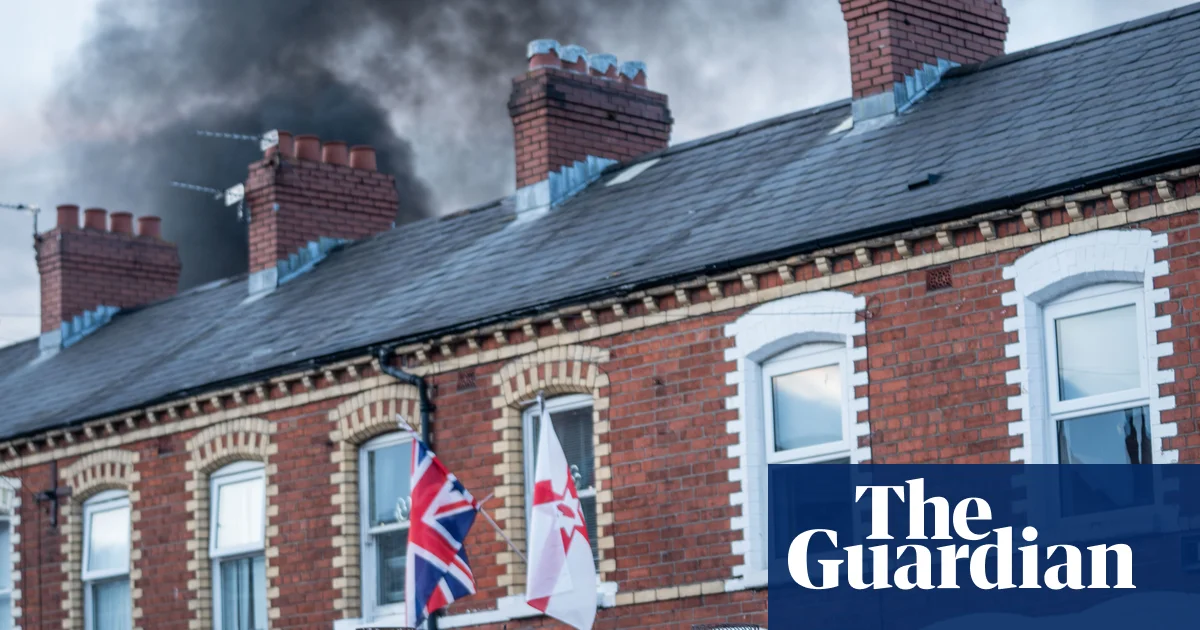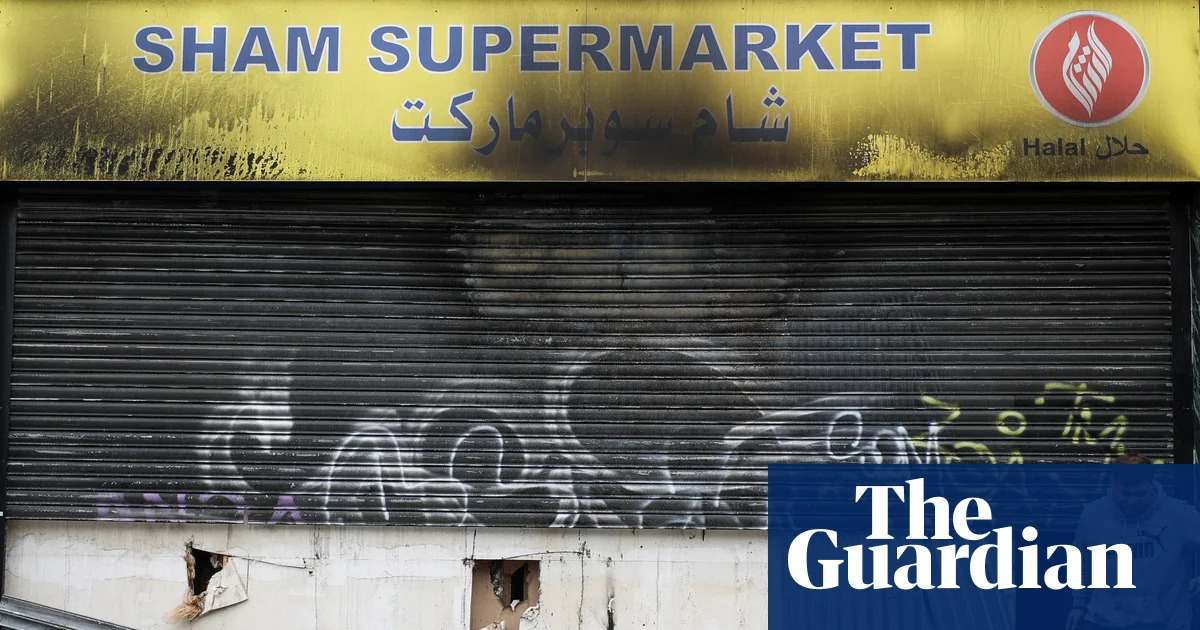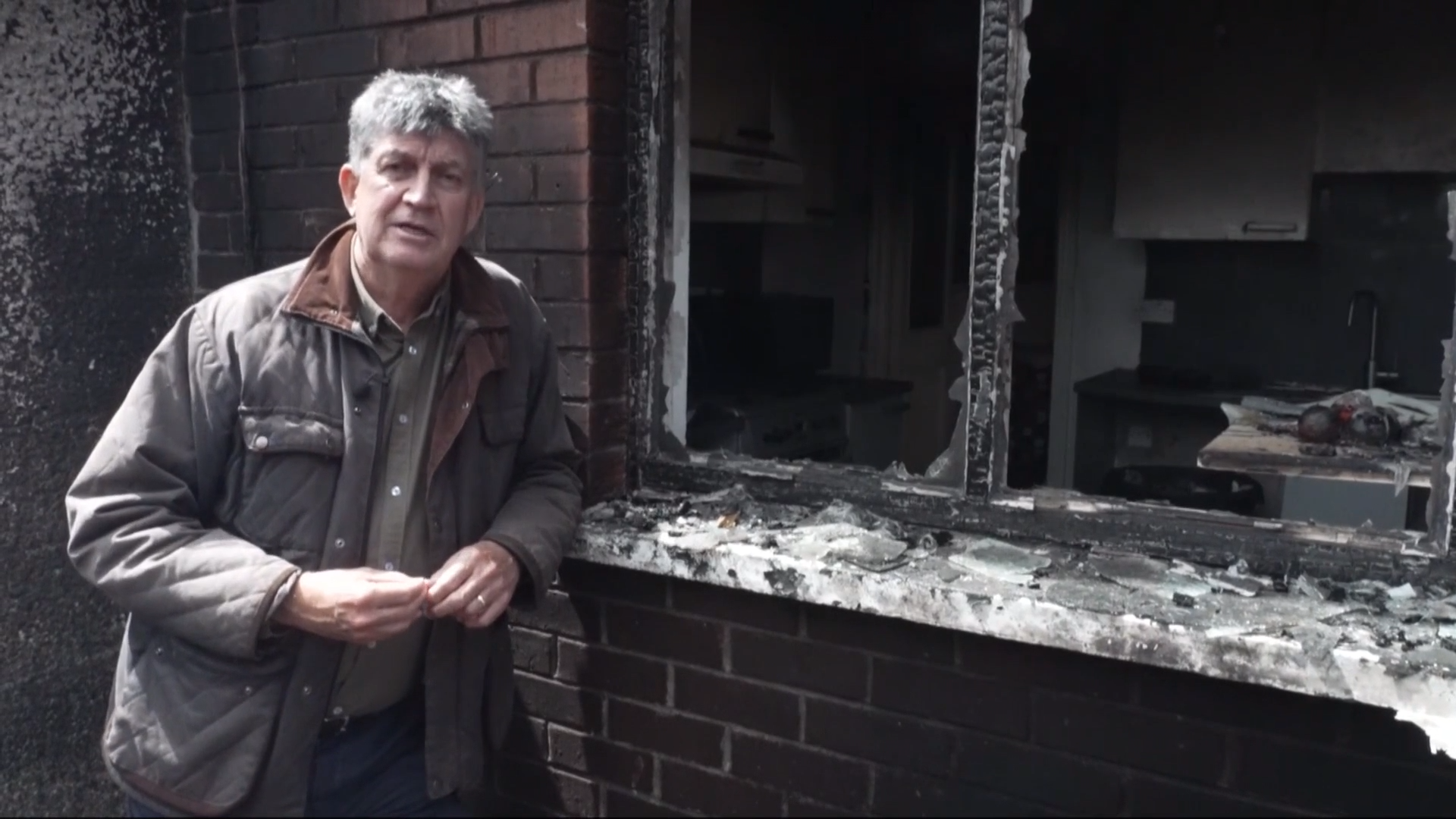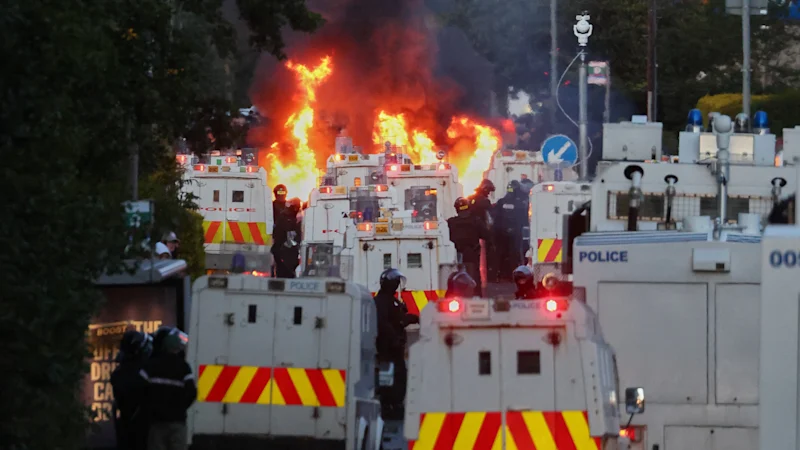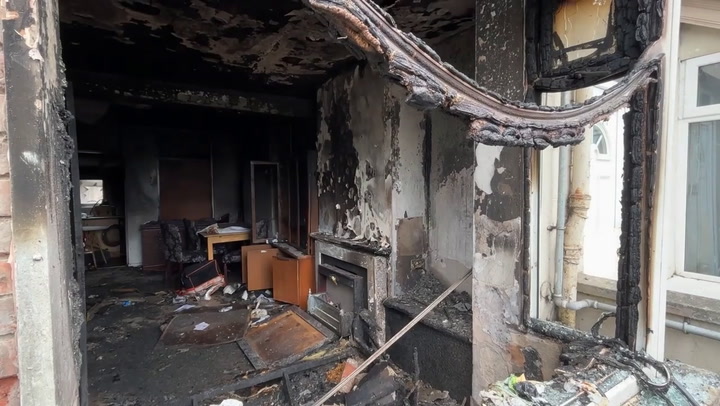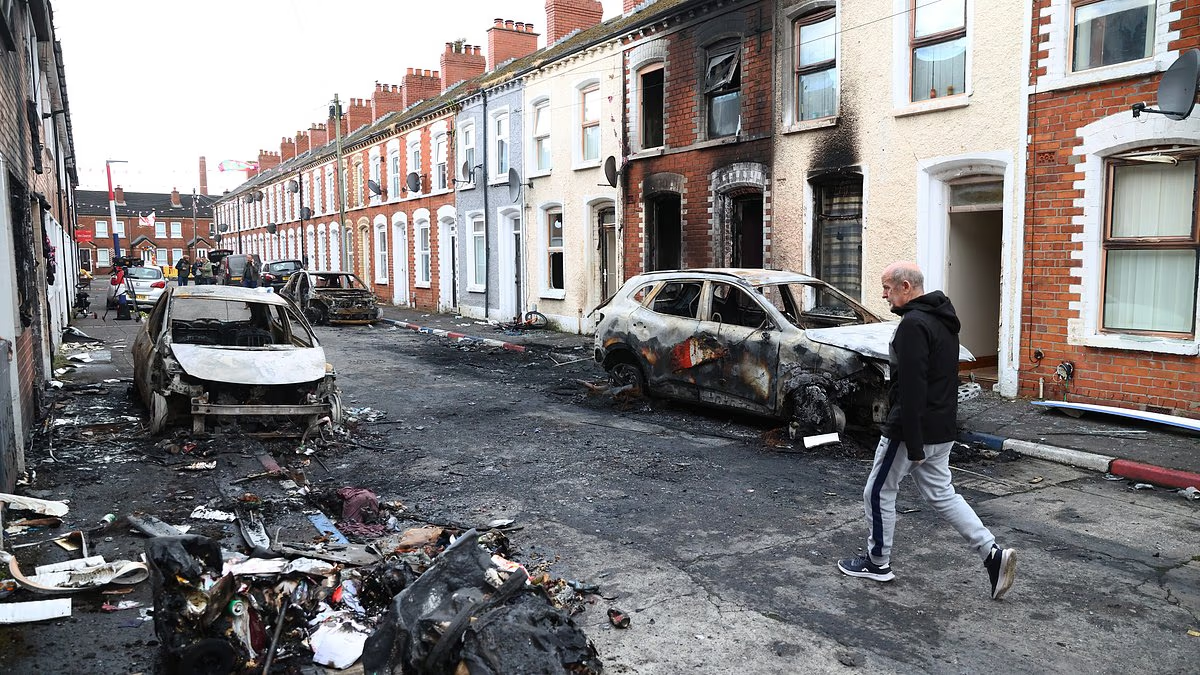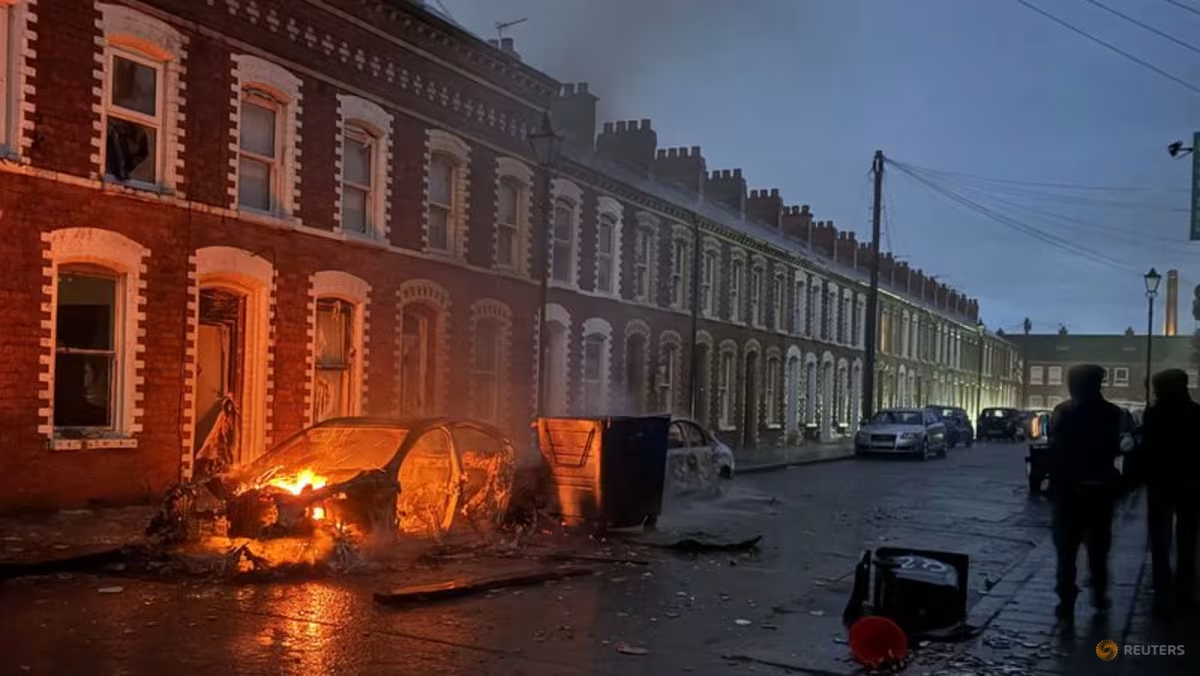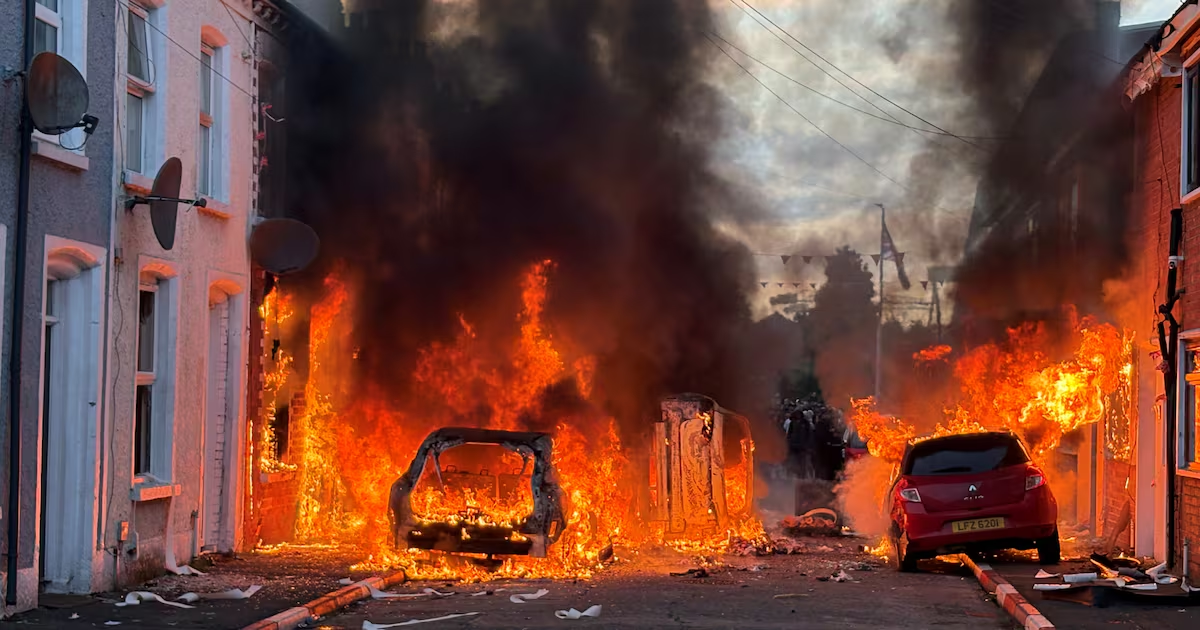
Reflecting on the odious communal violence in Northern Ireland over the last fortnight, the first thing that comes to mind is that burning innocent people out of their homes is not new. Nor is the sight of a family’s possessions being destroyed in a sea of flames as they are bundled into the back of police vans to be accommodated in community centres. It is a pattern of behaviour that unfortunately can be traced back for more than 100 years. This time, however, the communal thuggery was unleashed on a small and vulnerable segment of society: mostly people who immigrated into Northern Ireland from parts of the world which used to constitute the British Empire. Loyalists whose antecedents were loud in their devotional praise for the empire 60 years ago and more now focused their cruel fury on people of colour, many of whose ancestors were fellow subjects of the crown. As a subscriber to newspapers of all shades on the political spectrum, I have been struck over the last number of years by the picture painted in the columns of the Belfast Telegraph of loyalist criminality and intimidation. Print and broadcast media south of the Border largely ignore the day-to-day experiences of minorities in loyalist-dominated areas of Northern Ireland, who face low-grade violence, including window-smashing, graffiti-daubing, tyre-slashing and occasional firebombing. All of this is carried out to assert local dominance and purge minorities from loyalist enclaves.That pattern of behaviour, unfortunately, has been a more or less constant aspect of post-Belfast Agreement Northern life. Doubtless there has been similar behaviour on the green side of the divide. But racial minorities have not attracted significant violence from the remnants of nationalist or republican paramilitarism. The viciousness of burning people out of their homes on the basis of their skin colour is even more repugnant when you consider its utter futility. Loyalists who engage in such behaviour are in fact firebombing their own political futures.Similar violence deployed against vulnerable Catholics in the past was, in the distorted minds of loyalist terrorists, justified by the notion that the victims were a politically treacherous minority, dangerous for the union. [ Elon Musk conjures up a fantasy for Wall Street and a nightmare for BelfastOpens in new window ]But now Northern demographics have changed utterly. Recent census data confirms that Catholics outnumber all other Christian denominations in four of the North’s six counties and in the city of Belfast. Northern Ireland is no longer a majority Protestant state. Immigrants and those who no longer declare their religious denominations to census enumerators hold the balance between the traditional Christian denominations. One might hope that the new demographic balance would create circumstances in which reconciliation between the traditional communities would flourish.Alas, reconciliation, like peace, comes dropping slow. The anti-immigrant mini-pogrom marks a worrying introduction to the traditional marching season. The outburst of terrifying violence deployed against innocent immigrants goes far beyond what could be dismissed by the cynical as seasonal recreational rioting. Is it the case that official policies of successive governments since 1998 have appeased former paramilitaries to an extent that has become completely indefensible? Have former paramilitaries been left unchallenged as they seek to control drug-trafficking and racketeering within their communal bases? While peace walls still exist, should sectarian gable murals be viewed or excused as genuine expressions of popular cultural identity?This raises the question as to whether the influence of former paramilitaries will eventually wither away or whether their influence is being sustained by the delusion that throwing money at the remnants of paramilitarism somehow buys it off.Tánaiste Simon Harris has signalled his intention that Fine Gael will publish a plan for Irish unity in autumn. Whether Fine Gael has actually done the spadework for a worthwhile initiative of this kind remains to be seen. Some might suspect that such an initiative in the coming months is aimed more at obtaining the edge in poll support over Fianna Fáil rather than advancing Irish unity in whatever shape or form. We do not know, for instance, whether Fine Gael – which once favoured a confederal approach to Irish unification – will propose instead some form of unitary state. In a recent debate among University College Dublin students, which I chaired, DUP MP Gregory Campbell said any referendum held in Northern Ireland on its constitutional future would come down to the simple question as to whether a majority of the voters in Northern Ireland were willing to go to the polling stations to end its existence. That stark description of the binary issue to be determined by a Border poll may appear simplistic to some. On the other hand, it seems to me that most Northern voters will only opt for a unitary state if it appears probable to them that their personal, social and economic circumstances would radically improve in that scenario. That is a tall order. The recent racial outrages remind us just how large are the obstacles that remain.
Michael McDowell: Loyalists who burn people out of their homes are fire-bombing their own political futures
Rioters focused their cruel fury on people of colour, whose ancestors were once fellow subjects of the crown
826 words~4 min read