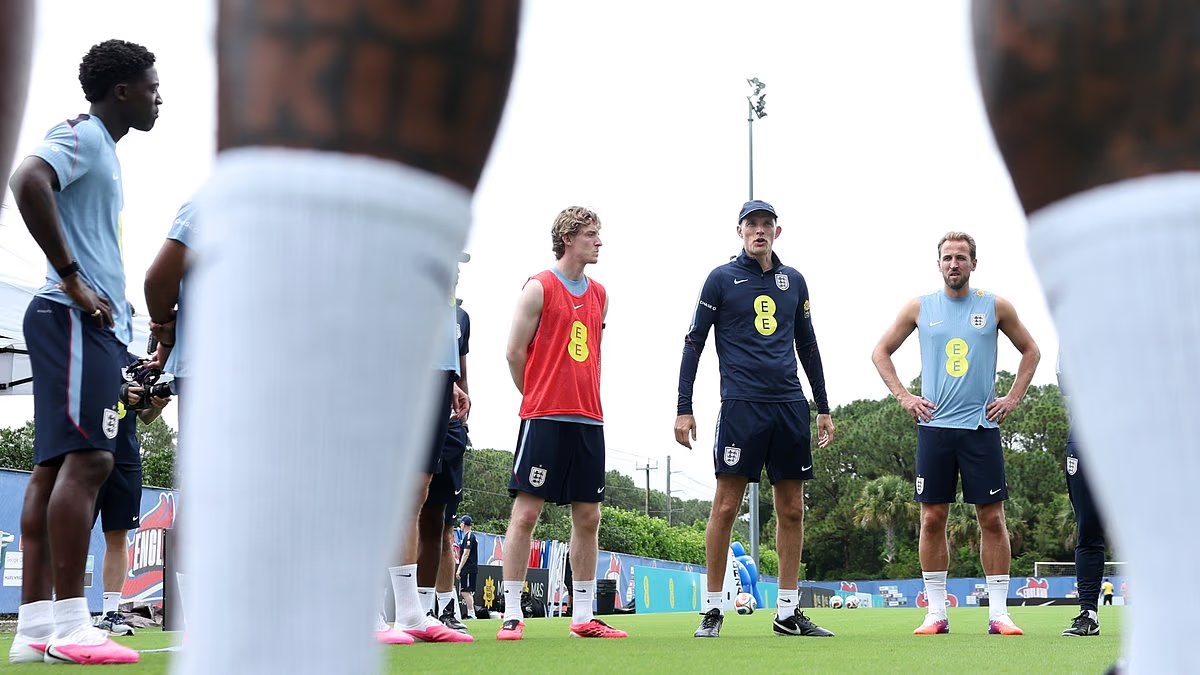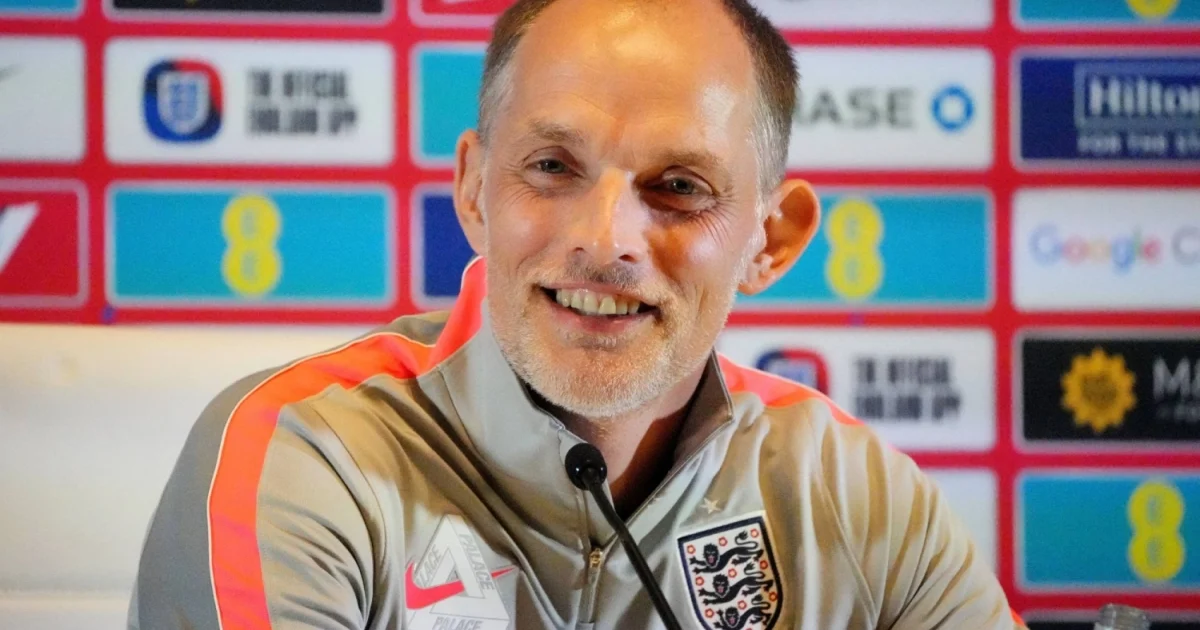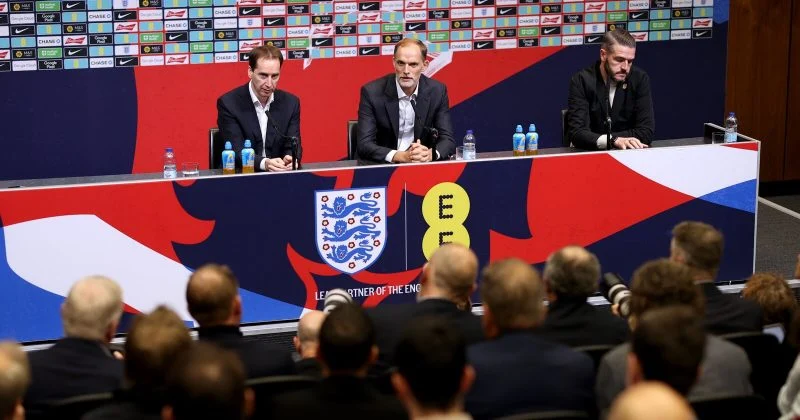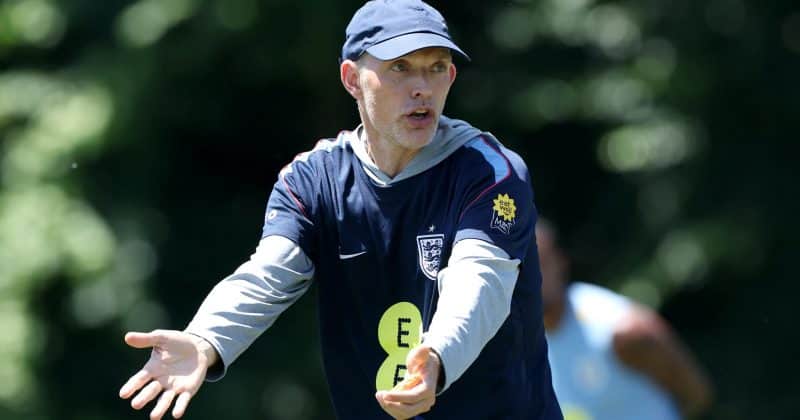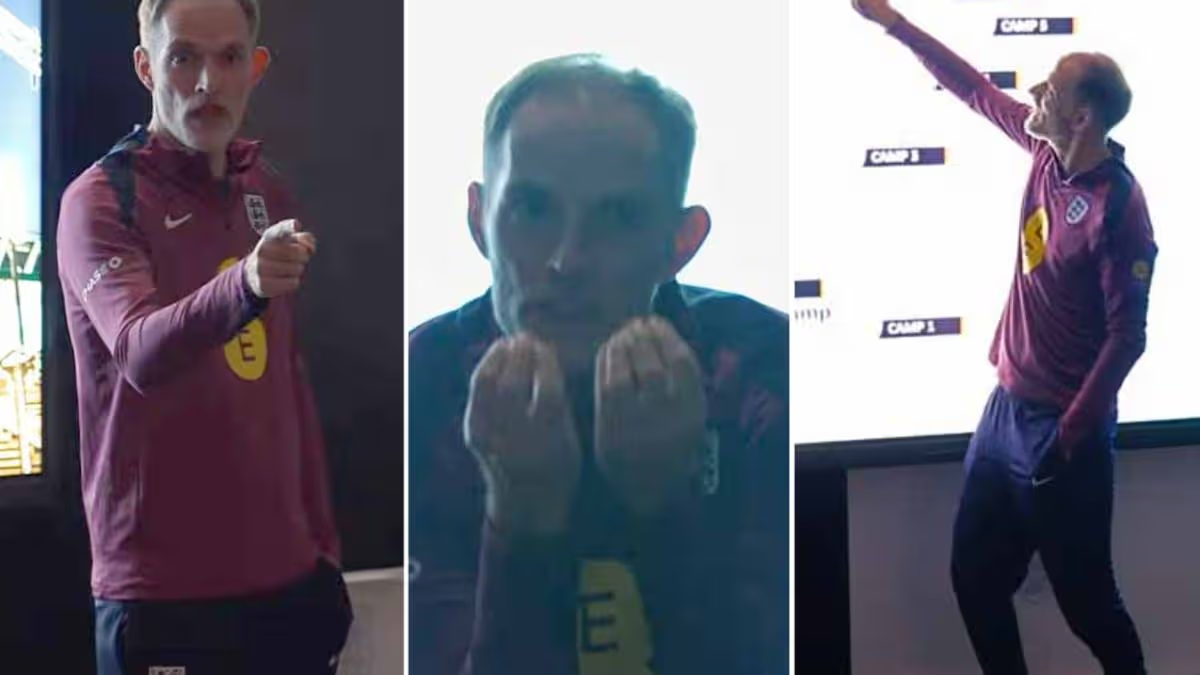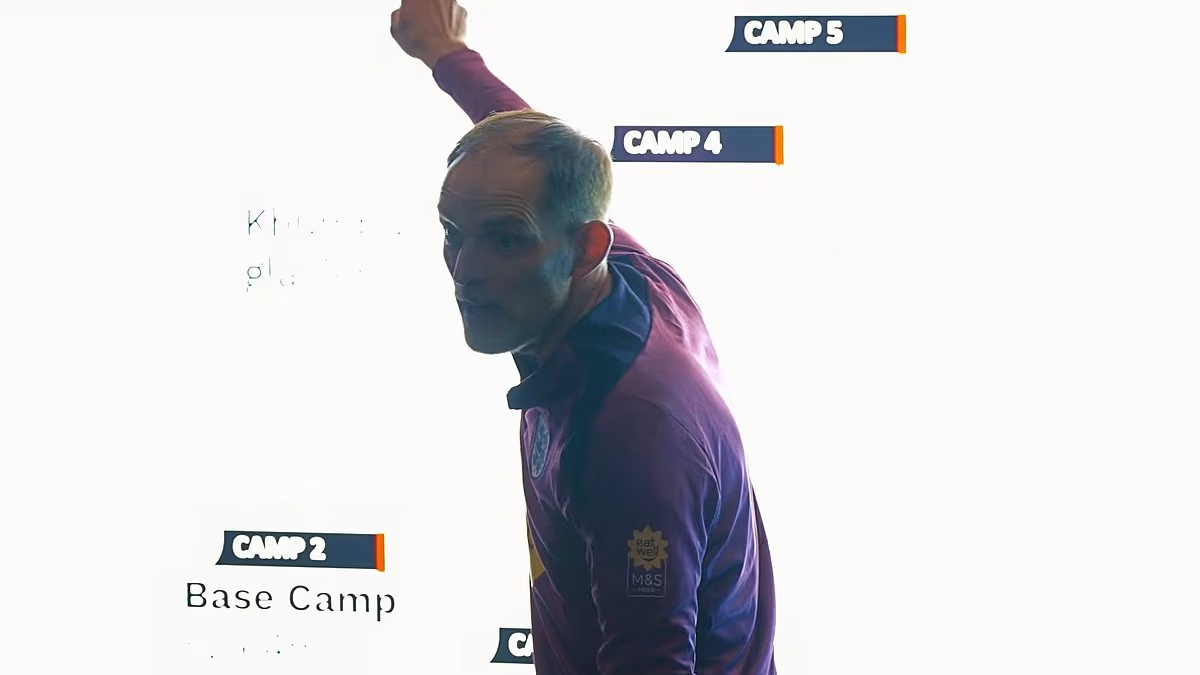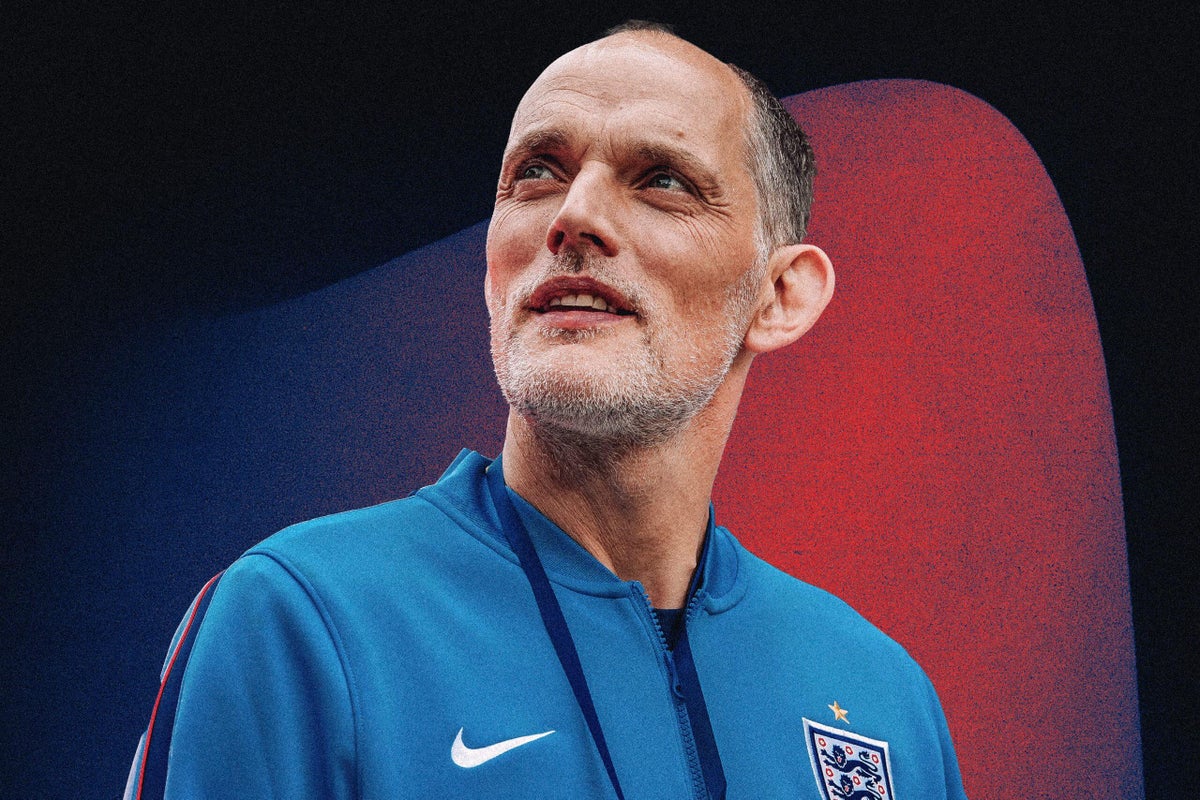
This story is part of Peak, The Athletic’s desk covering sports leadership and personal development. Sign up for Peak’s newsletter here.The clip is just 34 seconds long. Thomas Tuchel, head coach of the England men’s national team, stands before his players in a meeting room in the spring of 2025, outlining the goal for the country’s 2026 World Cup campaign.“For me, it’s very important that we just speak about it,” Tuchel tells his players. “Just straight away speak about it. The mission, the target of this mission, is clear: second star on our shirt.”Maybe it’s the sweeping music in the background, or maybe it’s Tuchel’s emotional delivery. Both helped the clip go viral in the days before the World Cup began in the United States. But it was also the message: the second star would represent the first World Cup trophy for England since 1966, and Tuchel did not wish to hide from high expectations or the primary goal. He wanted to speak it out loud.“It was from the heart,” Tuchel told reporters earlier this month. “But I prepared it.”It was March 2025, and Tuchel was addressing his team for the first time during their World Cup qualifying campaign after being appointed the previous October. The purpose, Tuchel said, was to create a feeling that his players would remember.“I want to arrive here on top,” he says, pointing to a whiteboard, “when it gets really tough, with the toughest group in the world… This will be a team nobody wants to play against.”Yet the German coach’s words also tapped into the science of mindset, or how our beliefs and expectations about an experience can shape physiological, psychological and behavioral outcomes.Alia Crum, an associate professor of psychology at Stanford University, is the principal investigator of the Stanford Mind & Body Lab. She is also a former women’s hockey player at Harvard who has spent her career studying how humans use mental filters, or mindsets, to understand the world around us.Aspects of her research have focused on how people can reframe the idea of stress, which leads to better performance under pressure and increased adaptability and resilience. One of the simplest ways, Crum said, is embracing the stress and then utilizing the body’s natural response.“Our cultural message for a long time has been stress is bad for you, and therefore you should avoid it,” Crum said. “And avoiding it typically takes the form of either denying that you’re stressed or hyper-reacting to it and doing whatever you can to manage or suppress the stress.”
Thomas Tuchel said the ‘mission’ out loud, in front of his England team: Win the World Cup
In a fiery speech, the England head coach addressed his players' targets head on and reframed the idea of stress
1,097 words~5 min read