Write On
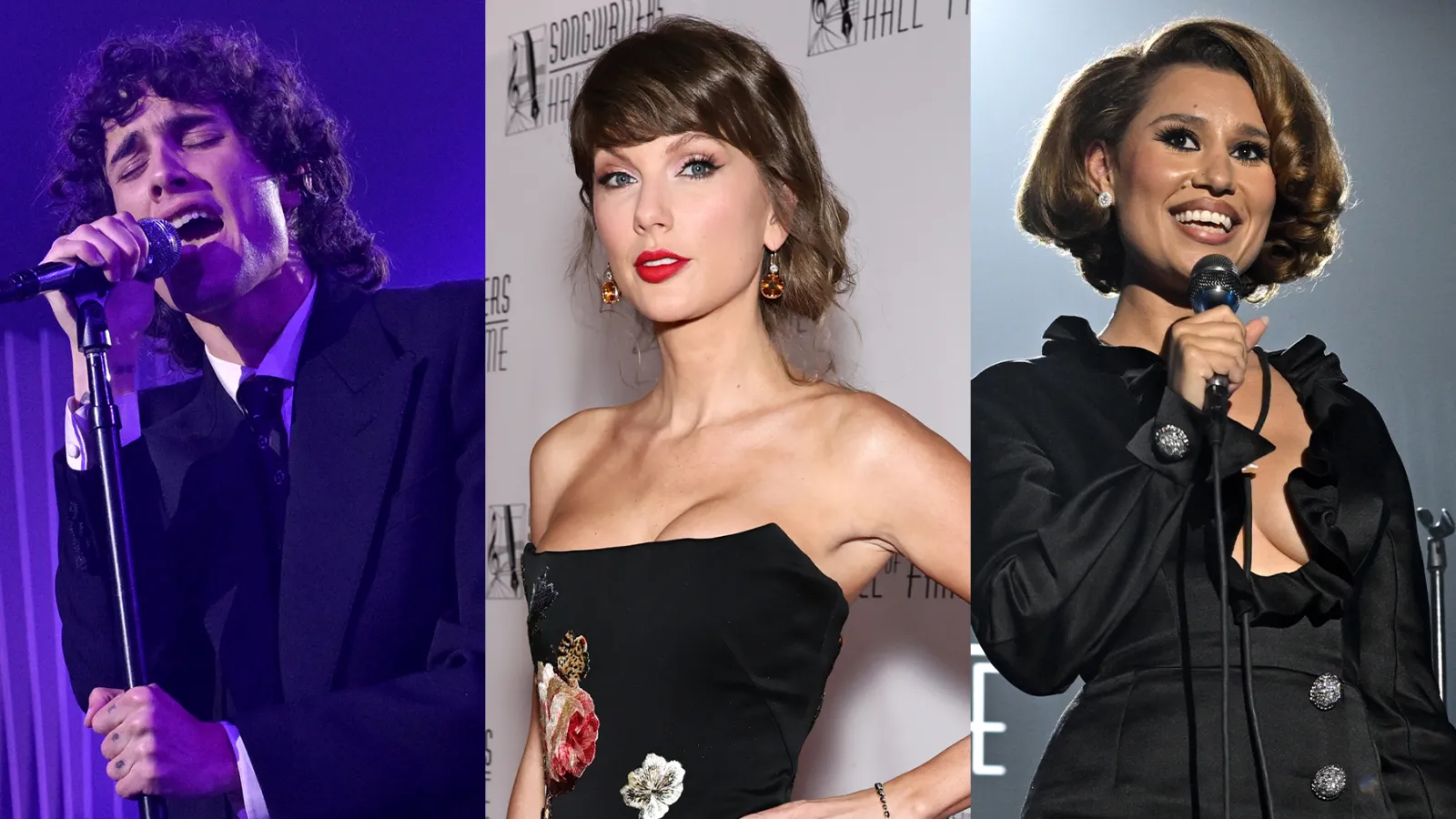
Taylor Swift, Alanis Morissette, and Raye were among the honorees at the gala dinner, which also became a forum for concerns about credits, royalties, and writers’ rights
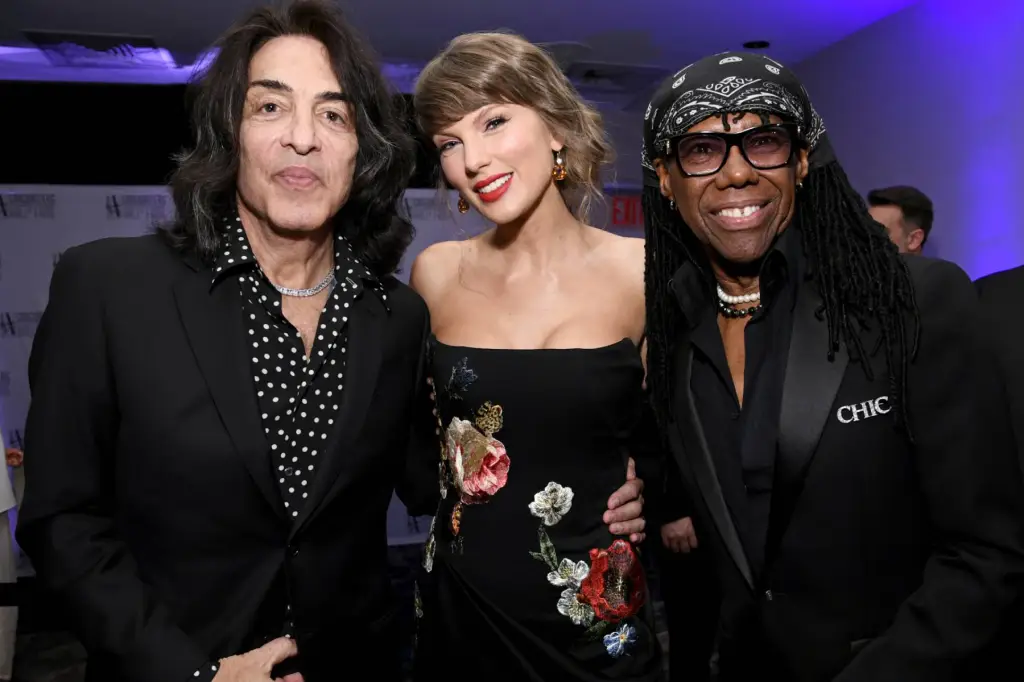
Songwriters have had a tough go of it since streaming turned the music economy on its head. They play a pivotal role — crafting our biggest hits and our cultural touchstones — but to hear the honorees in the Songwriters Hall of Fame‘s Class of 2026 tell it, the profession remains a minefield of rights and royalties. Walter Afanasieff, best known for his work with Mariah Carey, joked about lawsuits related to credits; KISS’ Paul Stanley and John Fogerty referenced label woes; Raye advocated for a songwriter’s share of recording master rights.
To understand music publishing is a bit like trying to explain nuclear fusion. The complicated formulas of splits and royalties are still being dictated by legal decrees dating back decades, and what was once a viable career path — in the days of physical sales, writers credited on album tracks could earn a good living even if those particular songs weren’t singles or hits — now looks more like volunteerism, as many songwriters have decried.
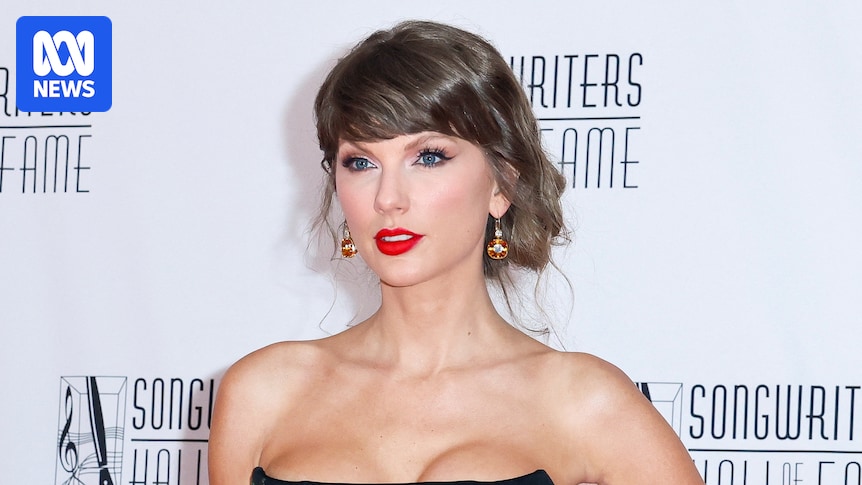
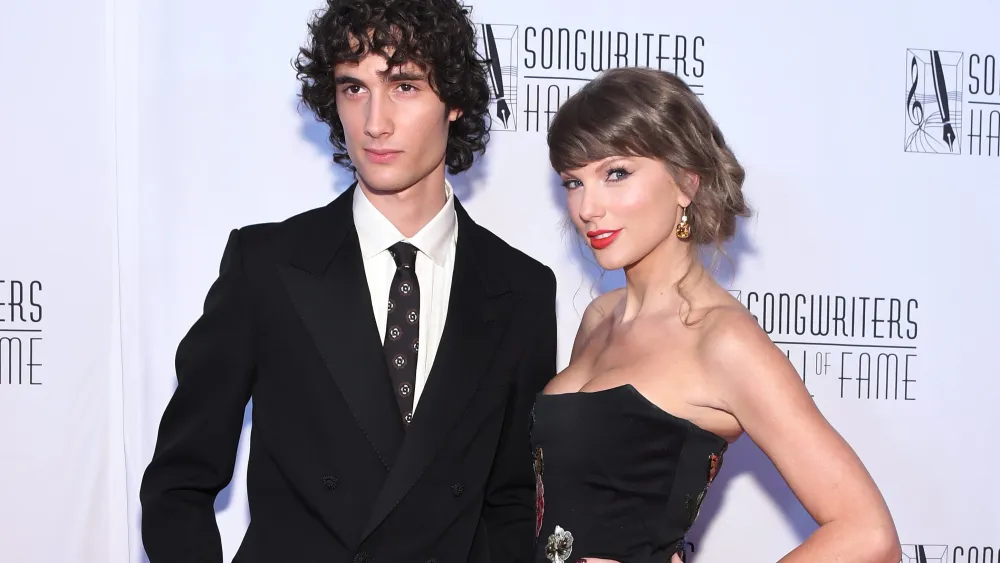
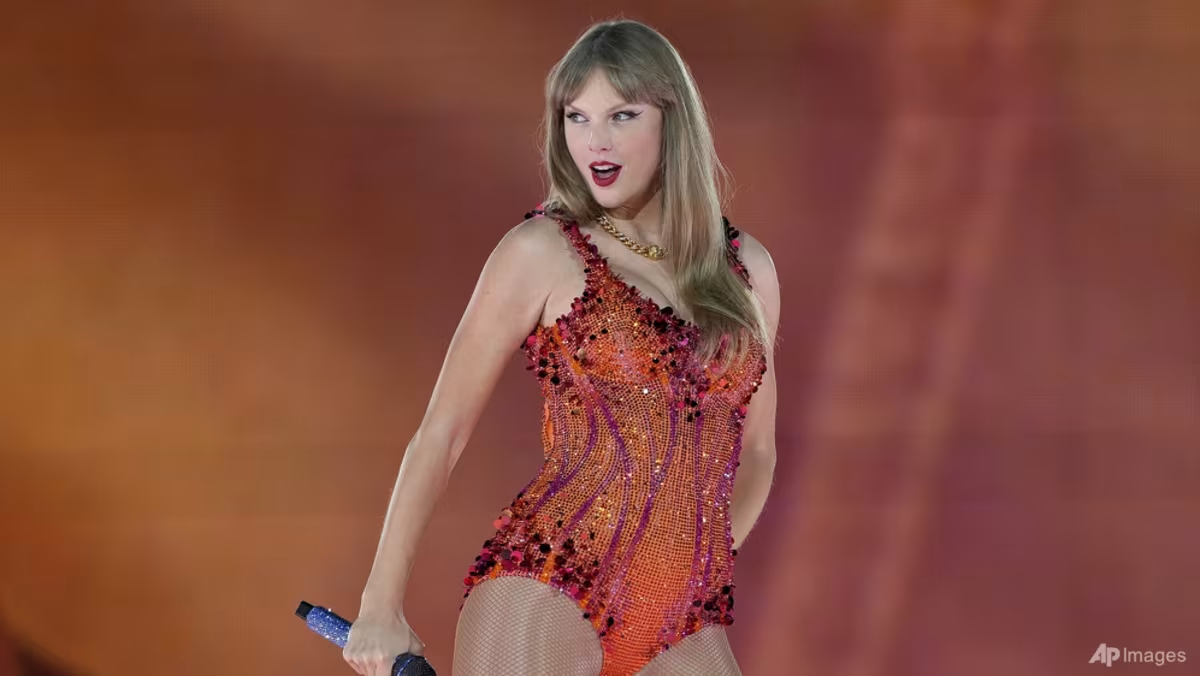
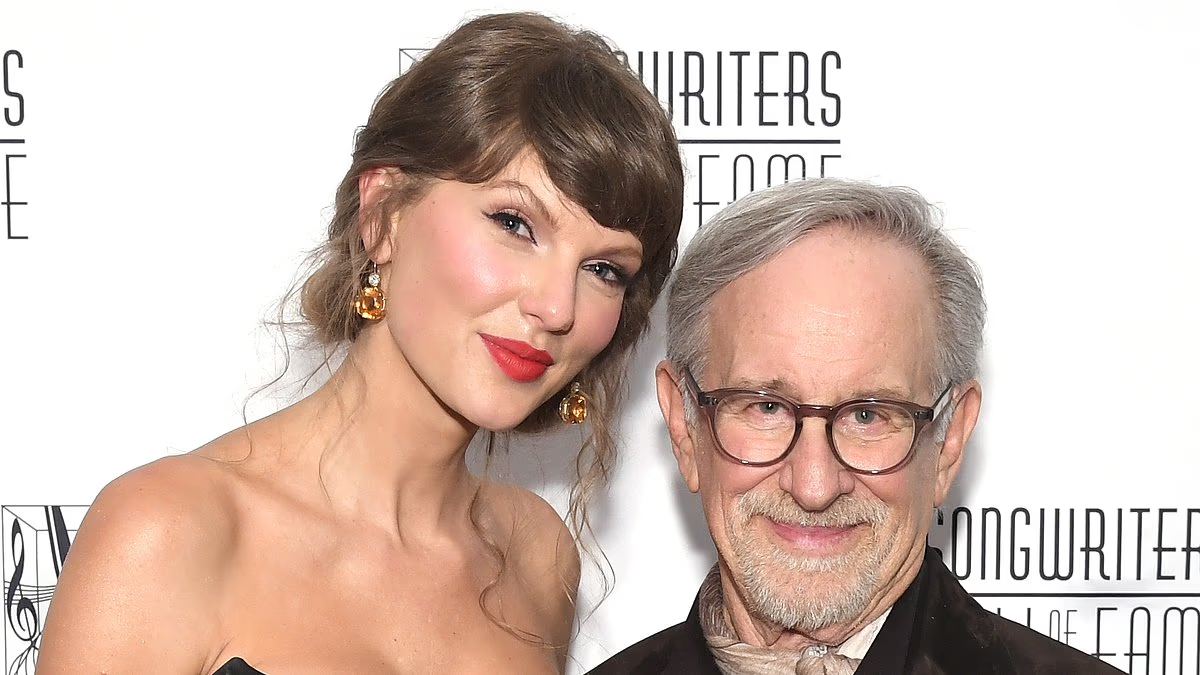
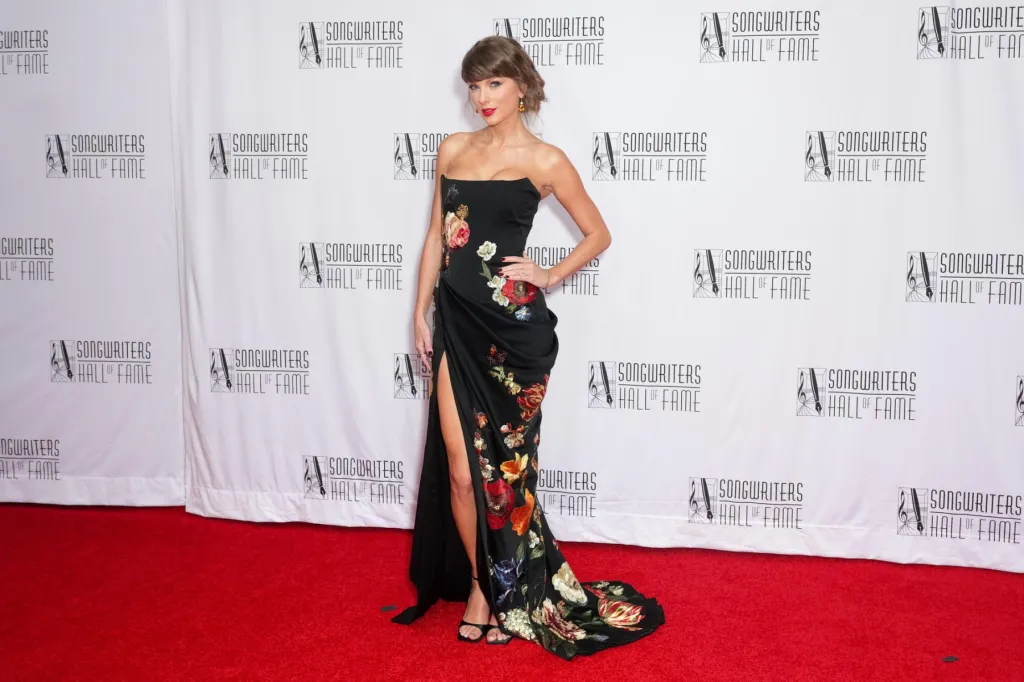
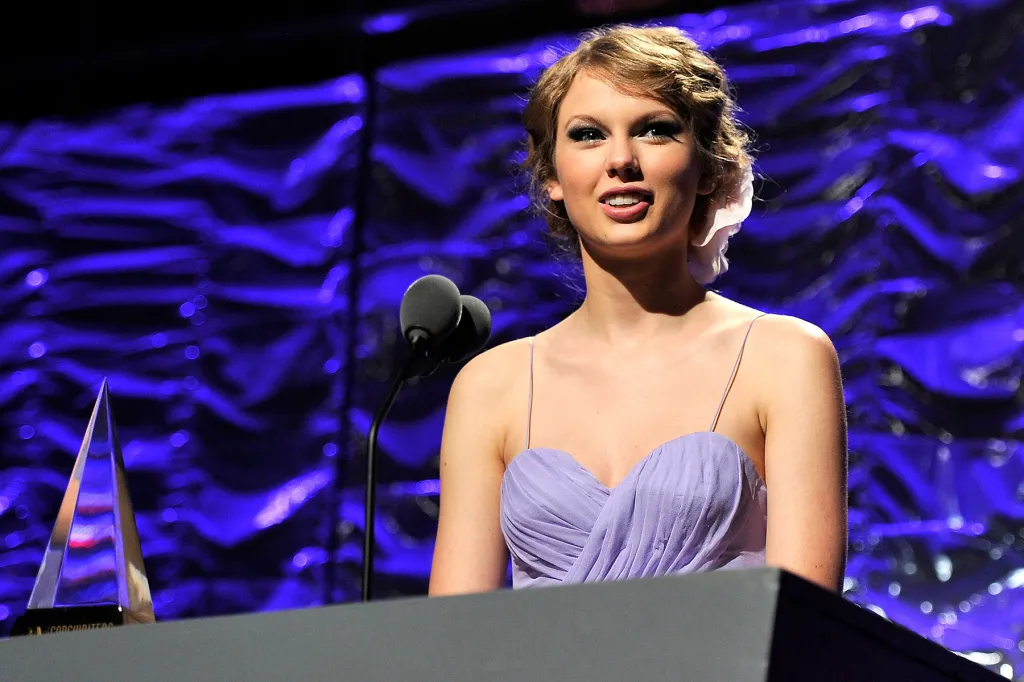
The one percent of star artists aren’t immune from these challenges, though some are more adept at navigating them. Two of the night’s inductees, Taylor Swift and Alanis Morissette, might be the shining examples — both carry major writing credits in addition to being performers. Swift was lovingly introduced at the gala dinner by filmmaker Steven Spielberg (at her request), who said of the honoree, “Through her songs, she makes us believe … we can grow up, live, love, make mistakes, succeed, fail, and yet continue to believe in our own self-worth.”