Ashton-in-Makerfield, northern England —
Far from the gilded halls of Westminster, an unassuming community center – squat, utilitarian, and with a parking lot whose potholes overflow with water whenever it rains – has become the center of power in British politics.
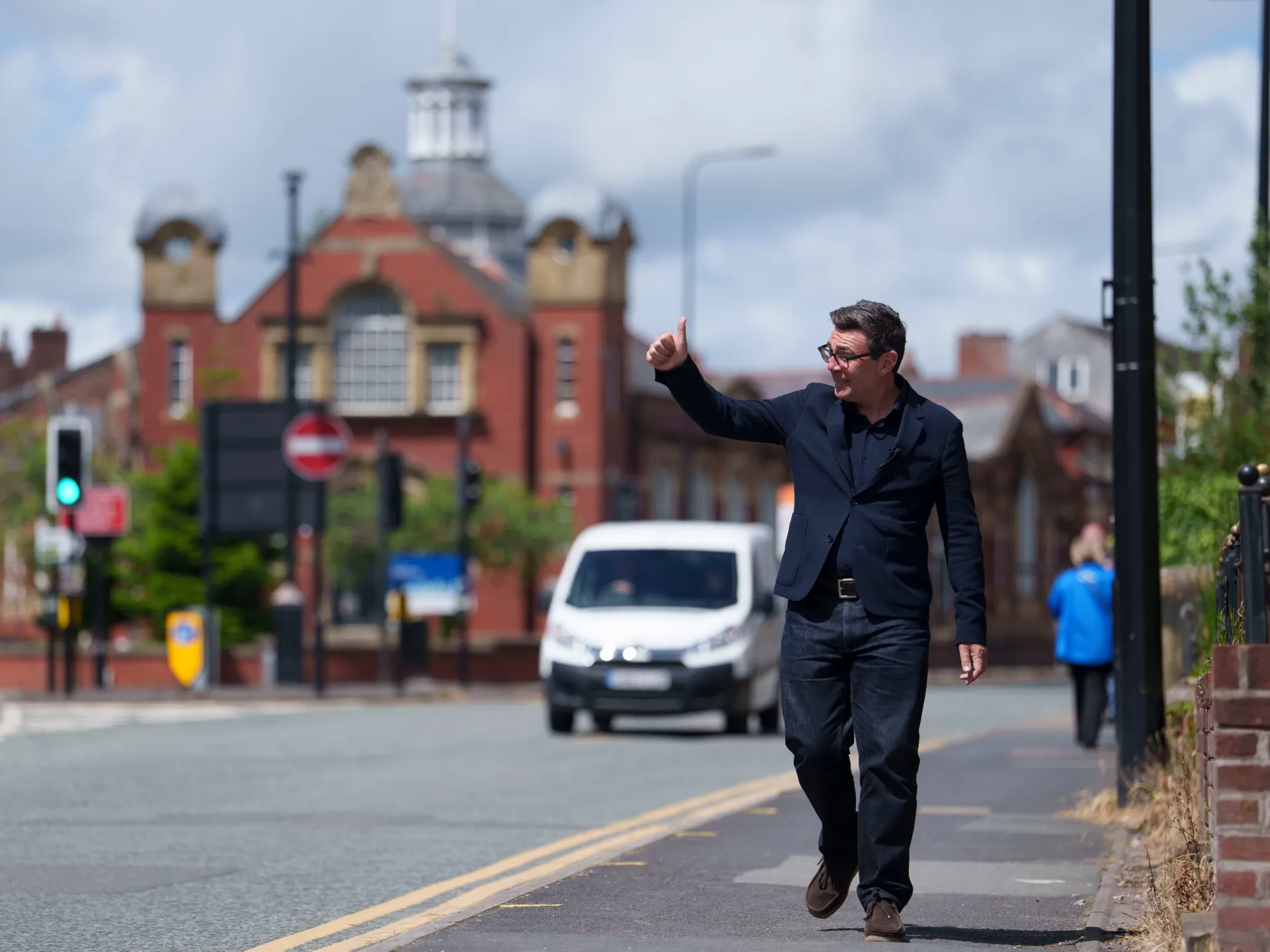
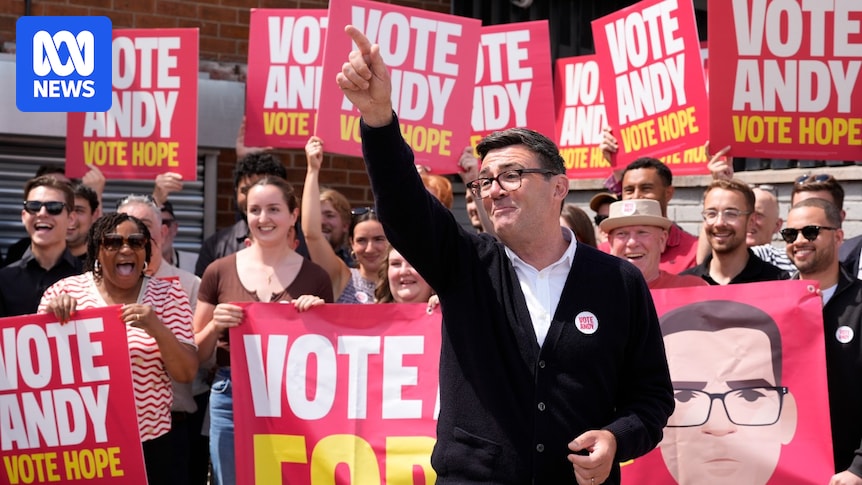
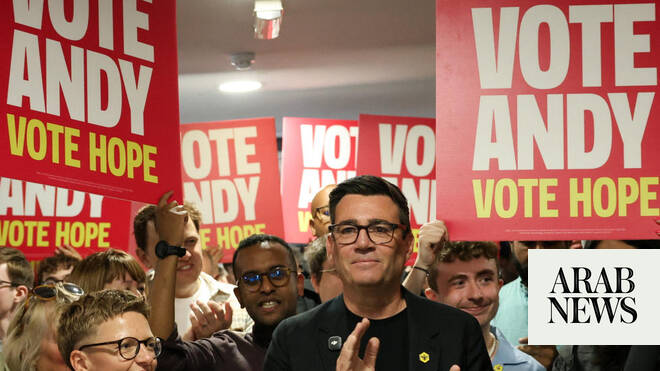
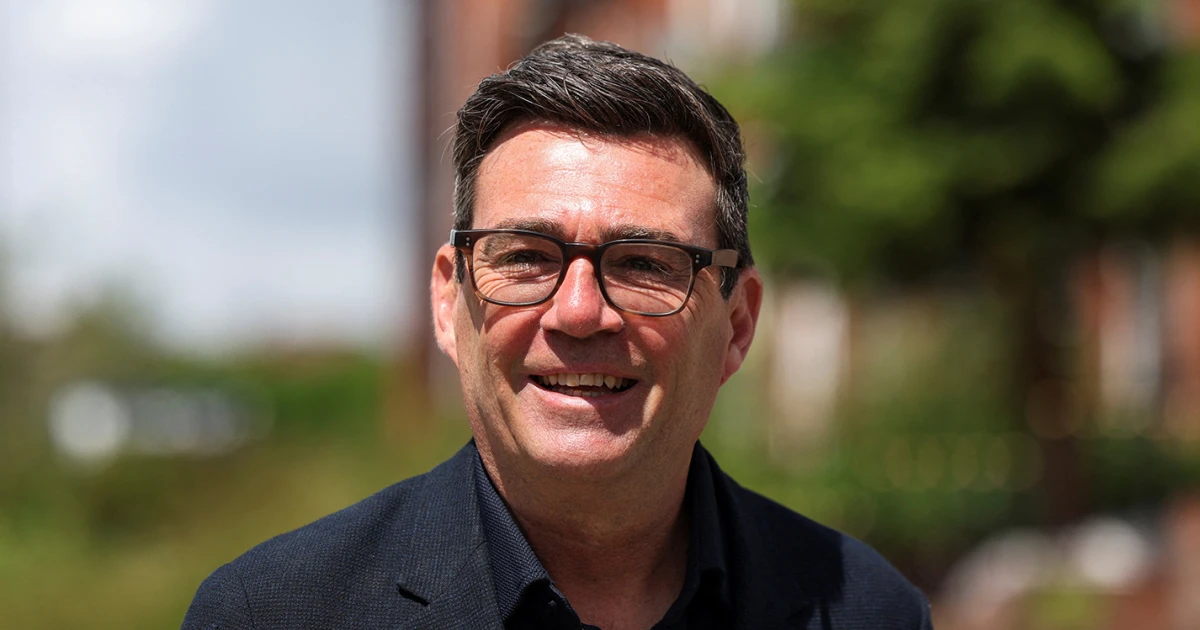
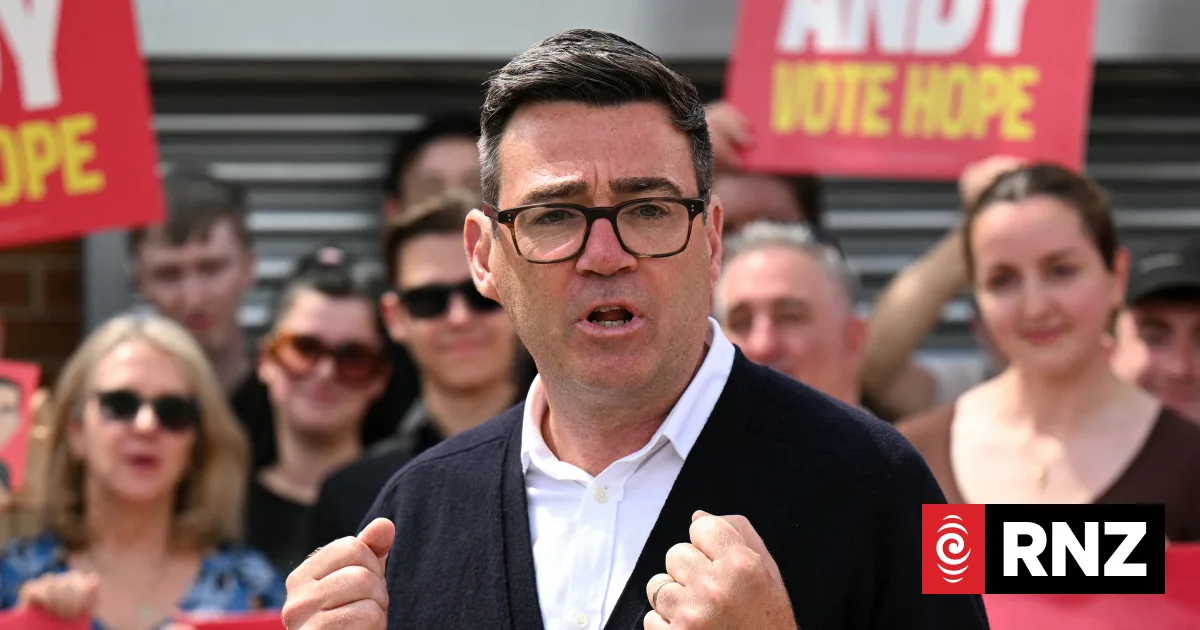
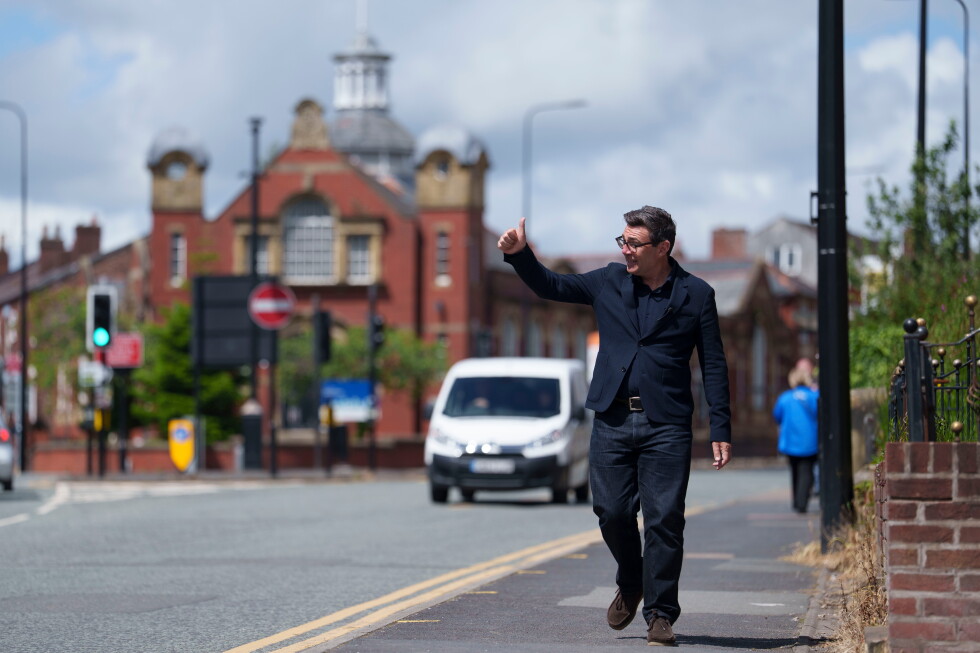
Here, in rooms more accustomed to hosting bingo nights, dance classes, sports watch parties and weddings, Greater Manchester Mayor Andy Burnham’s campaign team is plotting his return to parliament. If he succeeds, it is likely he will challenge Britain’s Prime Minister Keir Starmer for leadership of the center-left governing Labour Party, and so the premiership.
Burnham is widely perceived to be the country’s most popular politician, but he cannot challenge Starmer’s crumbling authority unless he is a sitting member of parliament (MP). And without Burnham’s presence, no Labour leadership race can really materialize despite seven ministers resigning from Starmer’s government since a drubbing for the party in May’s local elections, which do not affect the national government but provide an important indication of the public’s mood.
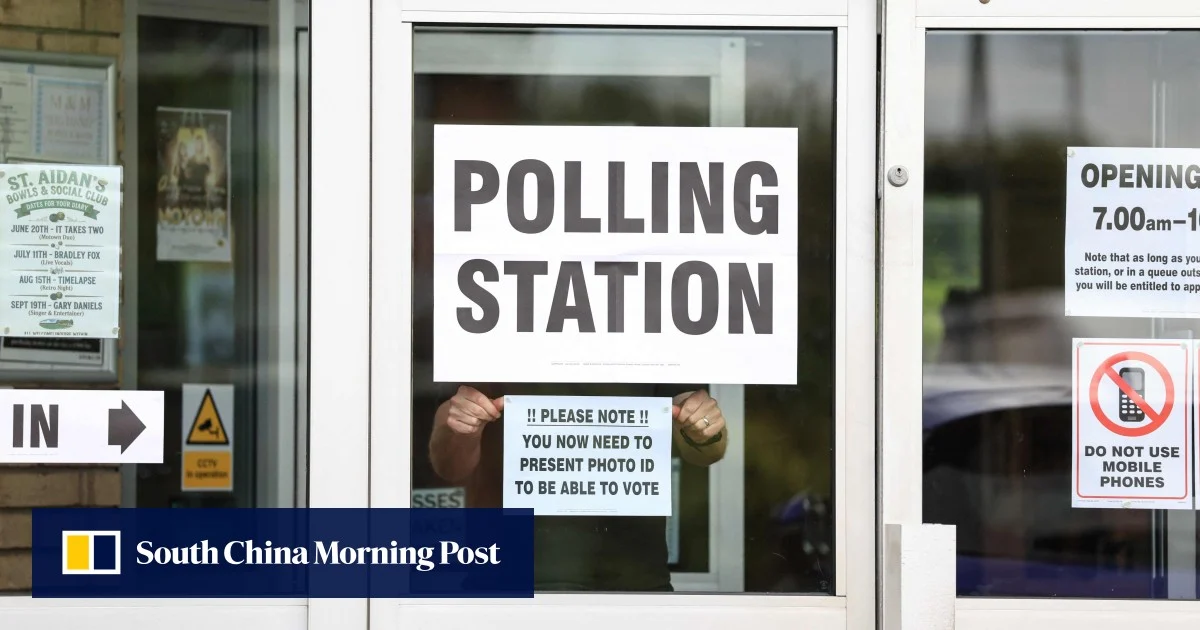
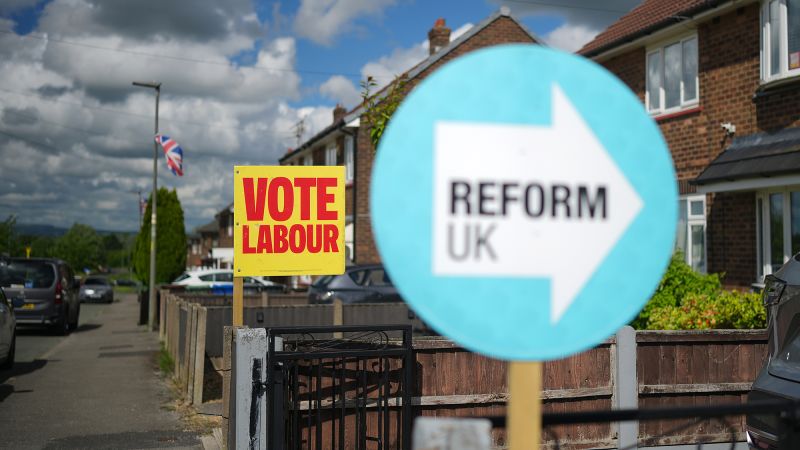
Burnham has circled a potential seat near Manchester for months. In February, the party’s governing body blocked Burnham from running in another by-election. But, as Starmer’s political capital has eroded ever further, he could do nothing when Burnham’s ally Josh Simons resigned his seat in the Makerfield constituency last month. Burnham was promptly selected as Labour’s candidate, making Thursday’s by-election perhaps the most consequential in British history.