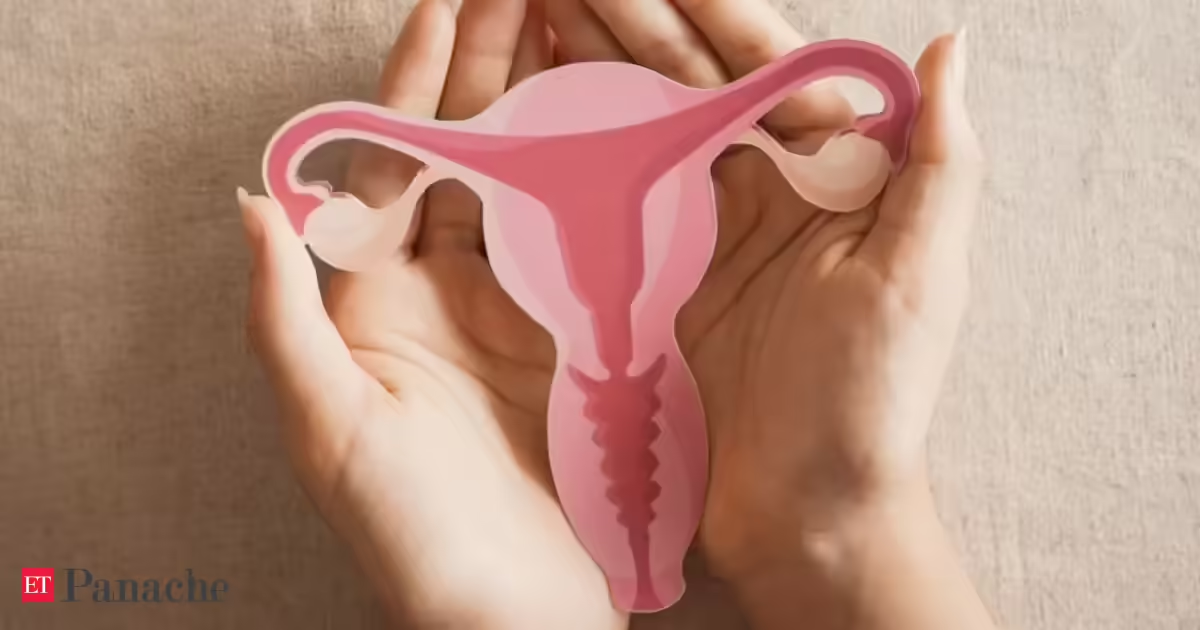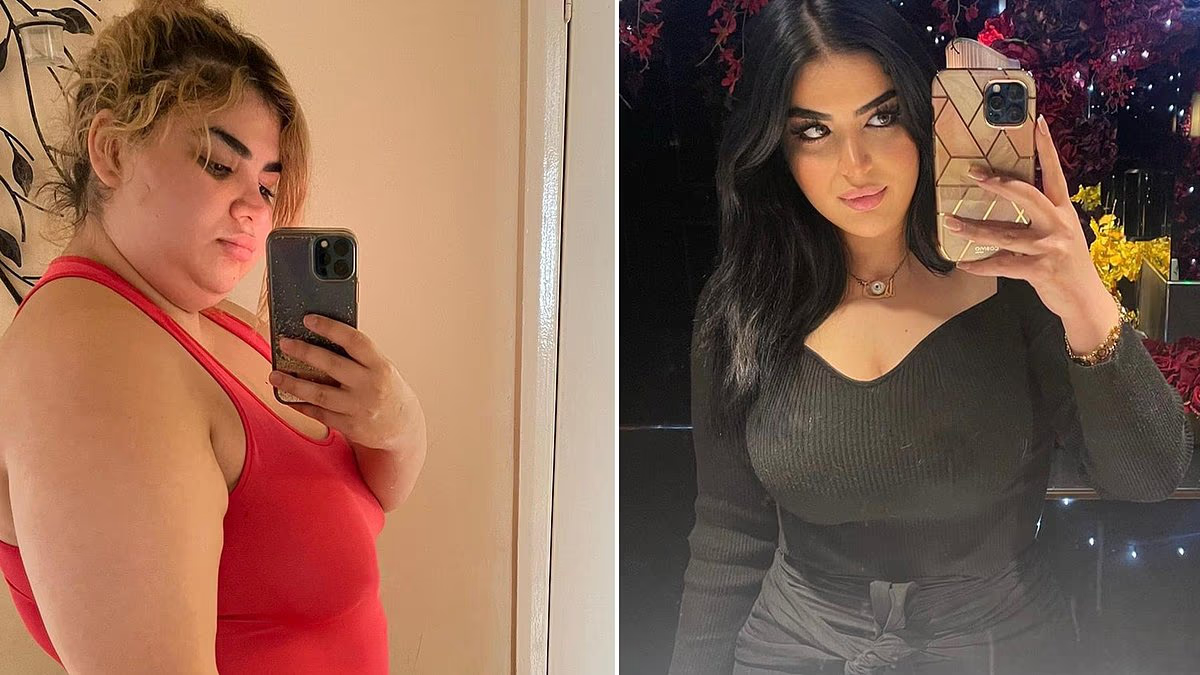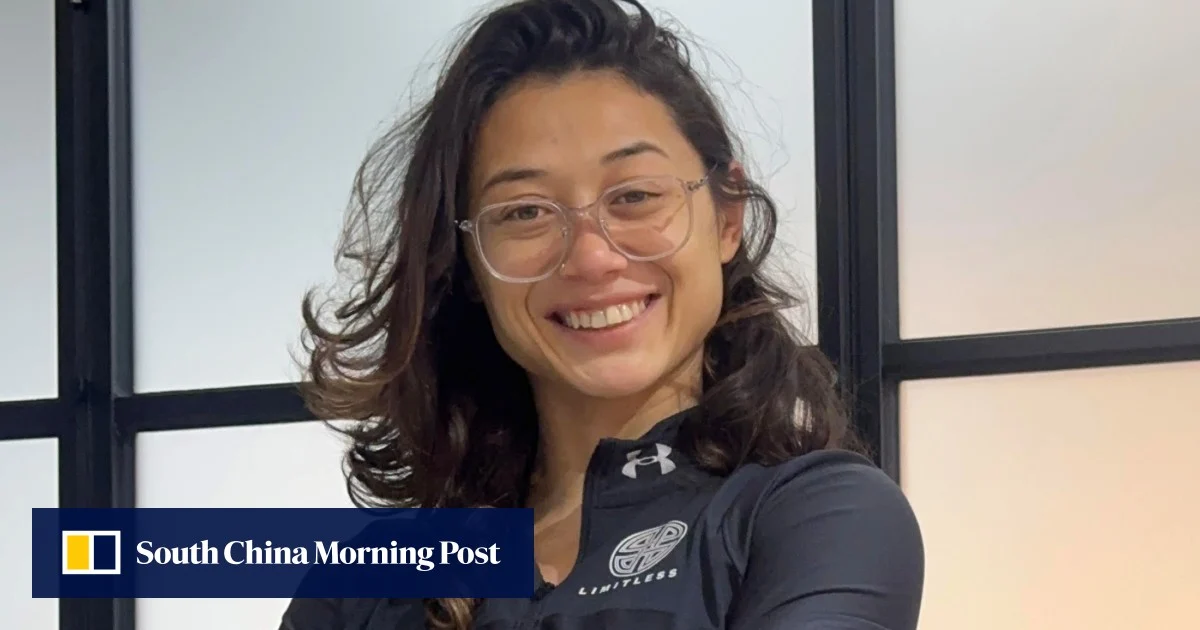
At age 22, Ashleigh Martin’s body went into rebellion. She watched as her periods became erratic and she gained 35kg (77lbs) in just six months.Then came the frightening diagnosis: an ultrasound showed 20 “cysts” on each ovary.“I remember being told that I might not be able to have kids and that the cysts might be cancerous. I was terrified,” says Martin, a now 34-year-old British-Singaporean born in Hong Kong who at the time was working in the food and beverage industry as a VIP account manager, and as a model and emcee.But those “cysts” were likely underdeveloped, fluid-filled sacs called follicles, each containing an immature egg, and the name of her condition – polycystic ovary syndrome (PCOS) – was fundamentally misleading.Last month, in what is being hailed as a landmark victory for women’s health, PCOS was given a more accurate name after a global survey of more than 14,360 women with the disease. It is now called polyendocrine metabolic ovarian syndrome (PMOS).The change aims to end decades of delayed diagnoses, fragmented care, overlooking of potential hormonal and metabolic symptoms, and even stigma surrounding a condition that affects one in 10 women globally, according to a publication in the medical journal The Lancet.
She put on 35kg in 6 months from a hormonal disorder. How she dealt with it
Personal trainer Ashleigh Martin reveals her journey with PMOS – until recently called PCOS – and why her lifestyle overhaul avoids GLP-1s.
202 words~1 min read