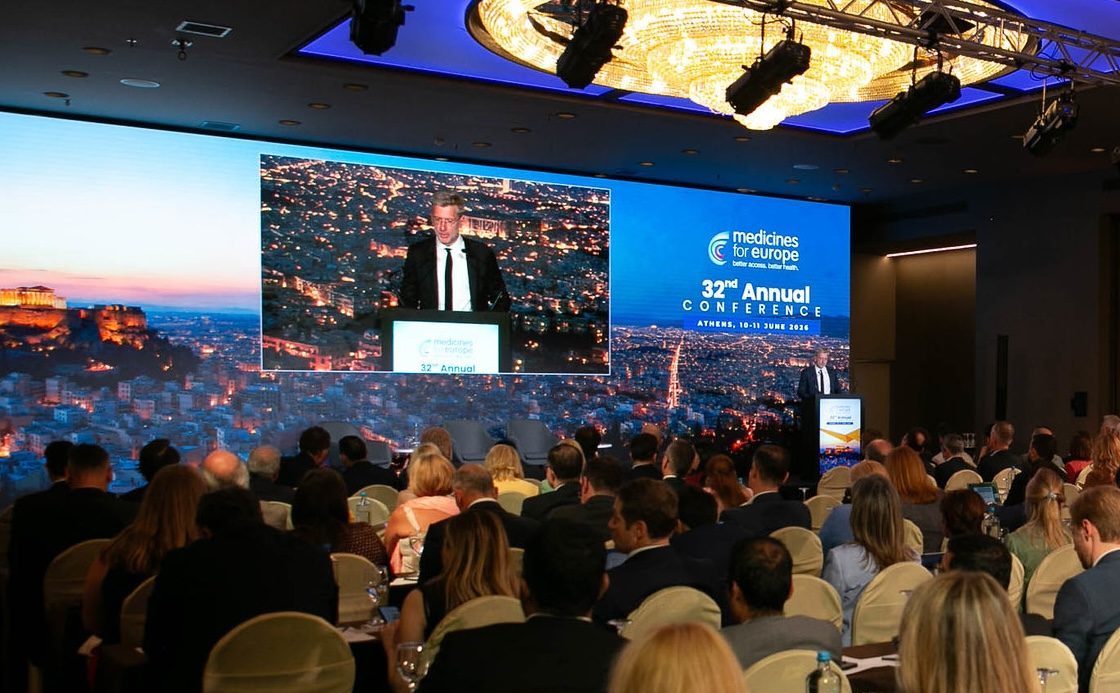
Medicines for Europe conference highlights Greece’s growing role as a pharmaceutical manufacturing hub ahead of the country’s 2027 EU Council Presidency
Europe must decide whether it wants to remain a pharmaceutical producer or become increasingly dependent on imports, political leaders and industry representatives warned at the recent Medicines for Europe Annual Conference in Athens, as discussions on strategic autonomy, supply security and industrial competitiveness have moved to the centre of the EU health agenda.
At a time when the EU is reassessing its dependence on external suppliers for critical medicines and pharmaceutical ingredients, the central message emerging from the conference was that the off-patent medicines sector should no longer be viewed solely as a cost-containment tool for health systems but as a strategic asset for Europe’s economic resilience and health security.
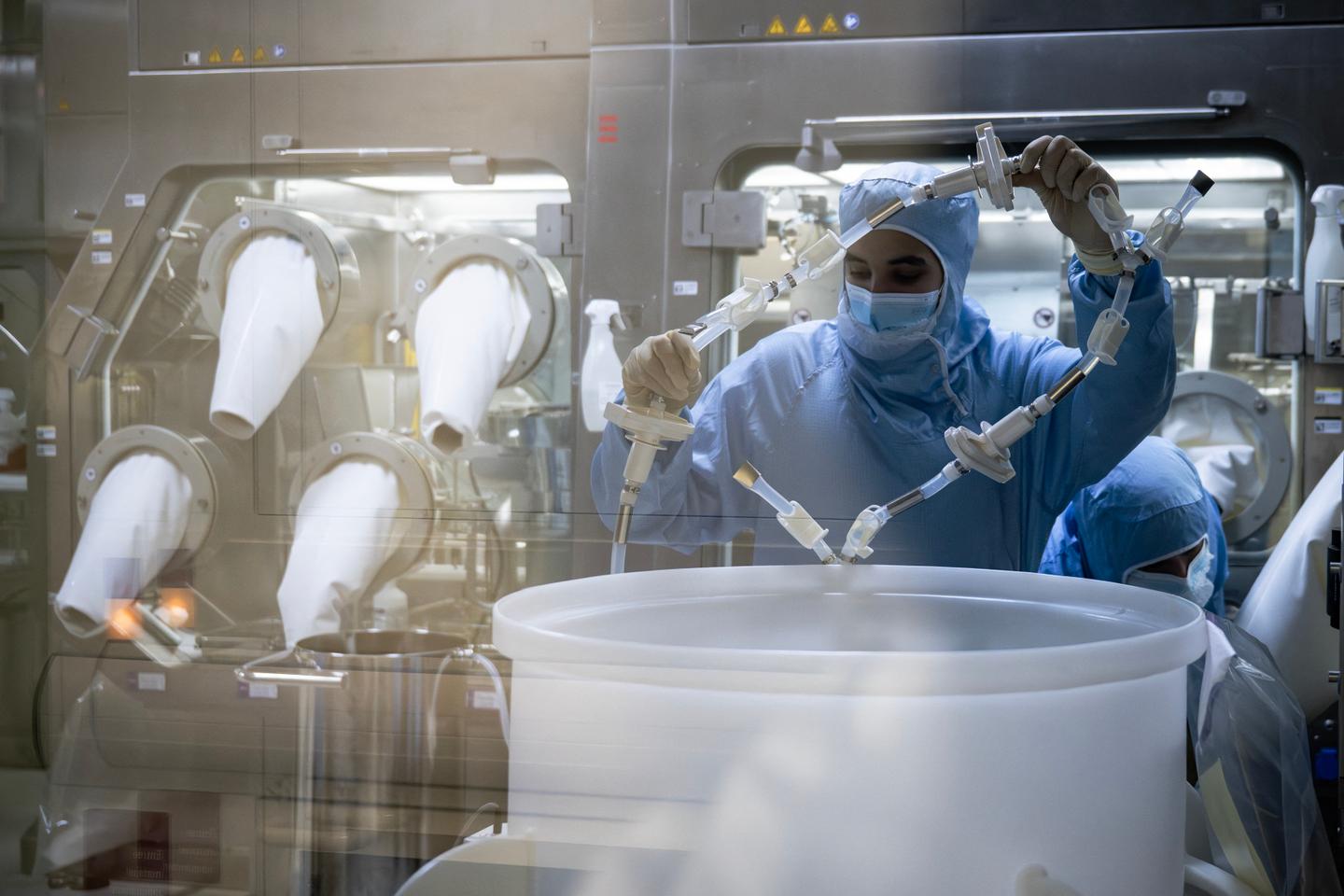
The sector currently supplies around 70% of medicines used across Europe, while supporting approximately 190,000 highly skilled jobs and more than 400 manufacturing sites throughout the EU.
For Greece, the debate carries particular significance. Over the past decade, the country has developed into an important pharmaceutical manufacturing and research hub in southeastern Europe, with 51 manufacturing facilities, 31 research and development centres and more than 15,000 direct jobs.