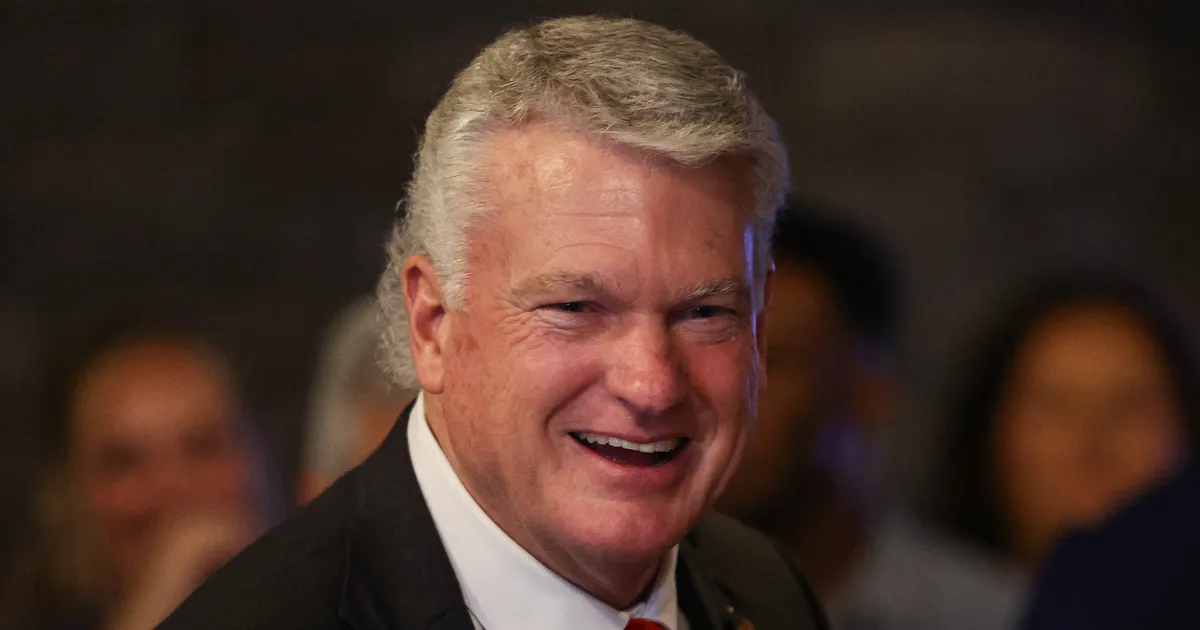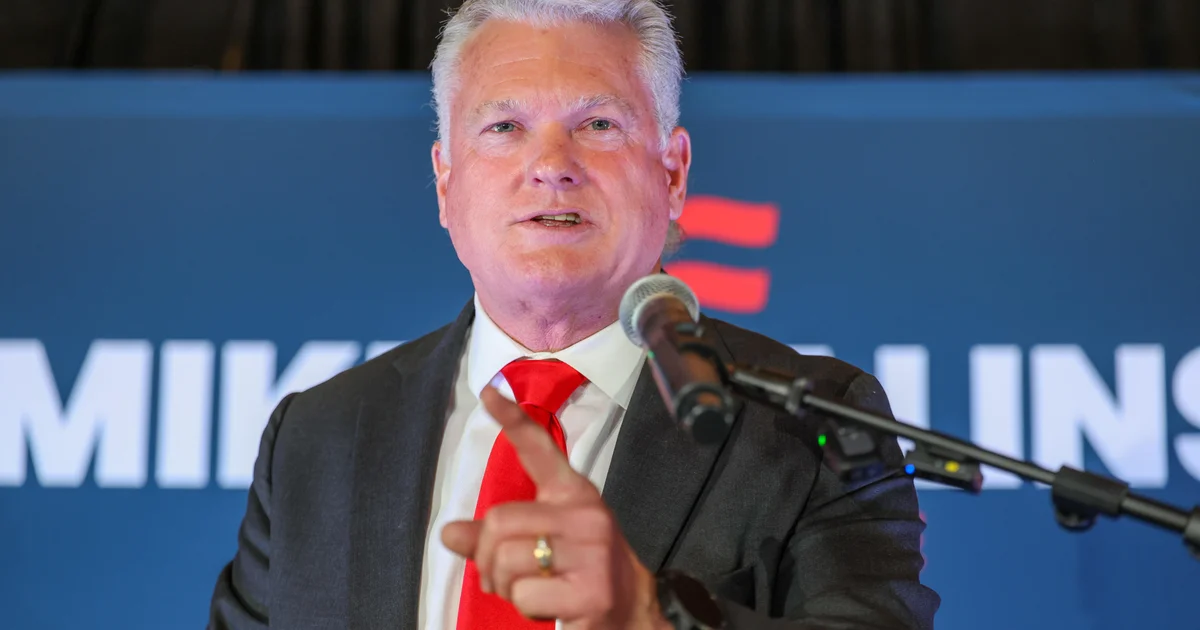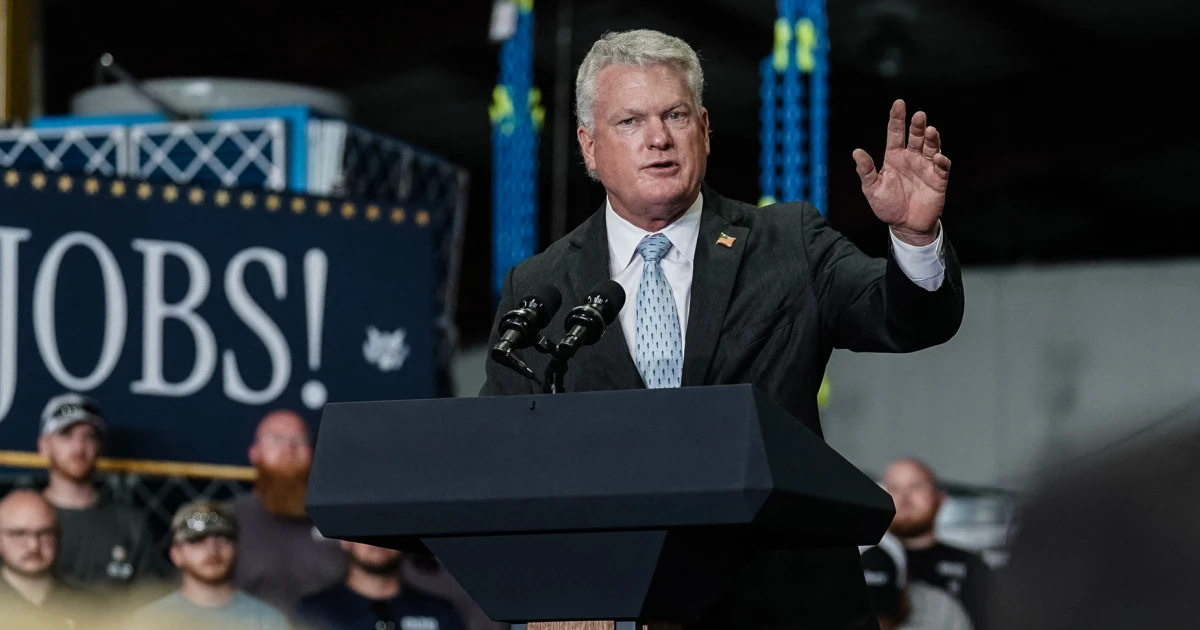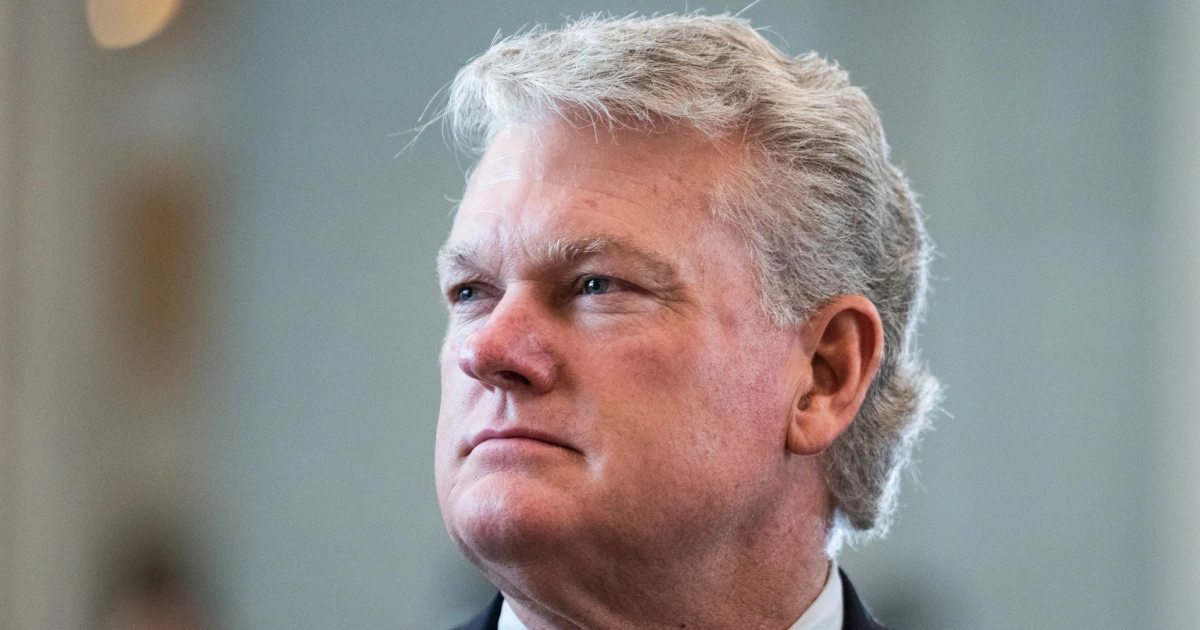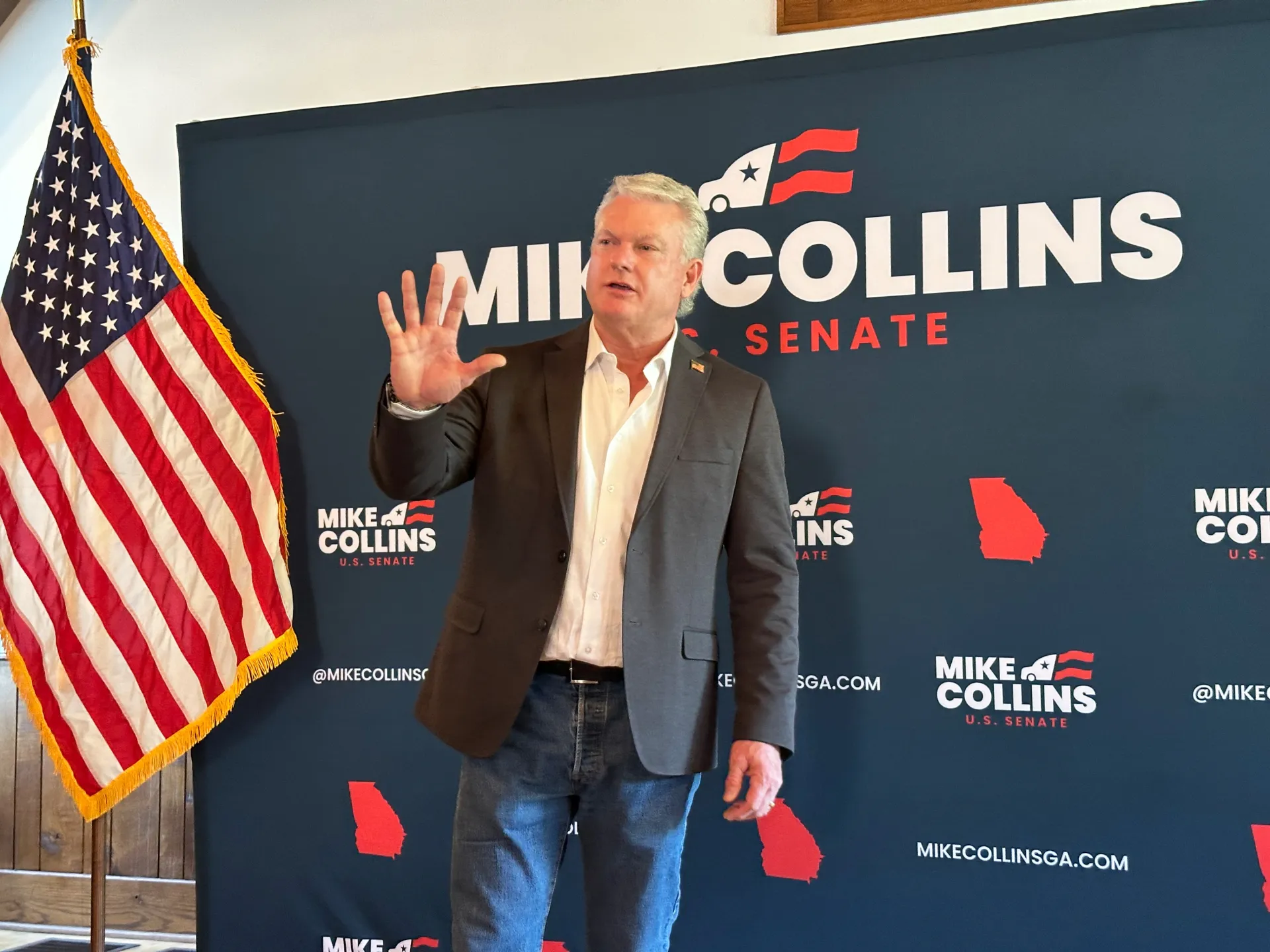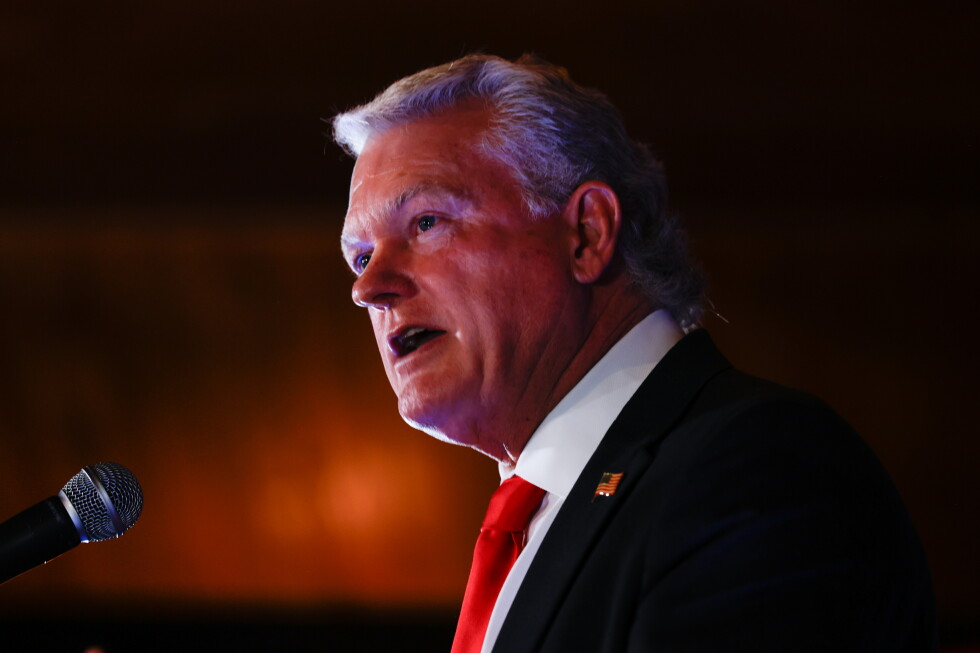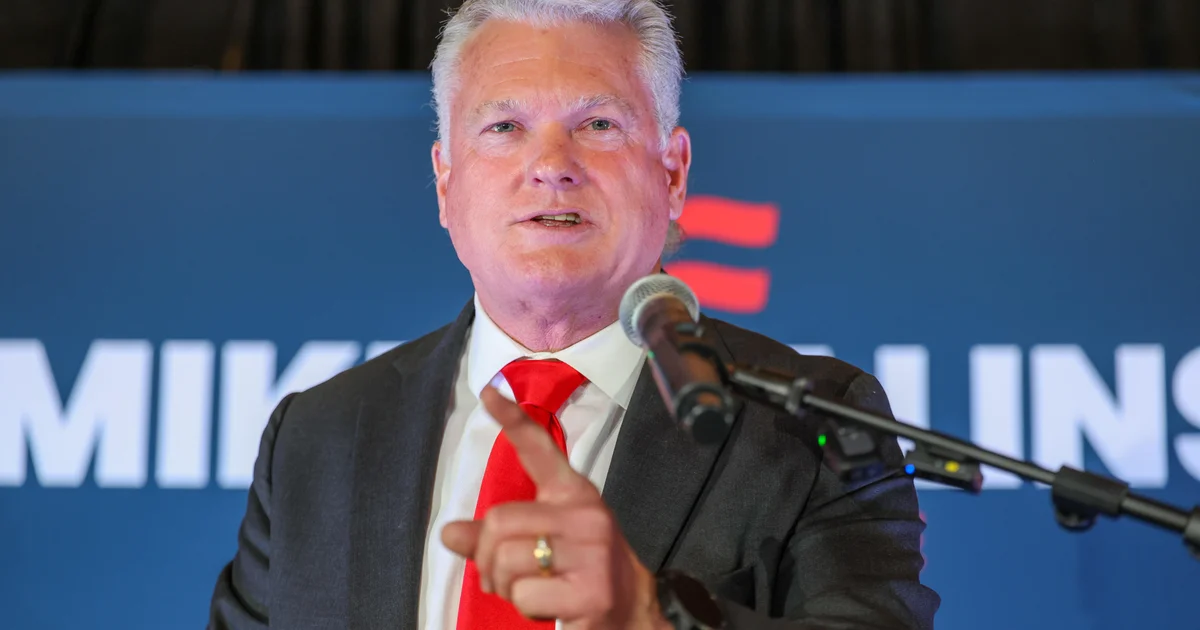
Georgia Republicans selected U.S. Representative Mike Collins as their U.S. Senate nominee on Tuesday, according to U.S. media, choosing President Donald Trump's preferred candidate in a runoff over political outsider Derek Dooley. Collins will face Jon Ossoff, a potential Democratic presidential candidate in 2028 and the only incumbent Senate Democrat up for reelection in a state that Trump won in 2024. Trump endorsed Collins, who finished first in the May 19 primary, over the weekend. Trump called Collins a "WARRIOR and WINNER" who supported the president "from the very beginning." Governor Brian Kemp had endorsed Dooley, a former college football coach. Republicans hold a 53-47 majority in the Senate but have limited opportunities to win additional seats. Their top targets are Georgia and Michigan, two states the president narrowly won. But they have a tall task in unseating Ossoff. Charles Bullock, a political science professor at the University of Georgia, said while Ossoff is more liberal than most Georgia voters, his office has a strong constituent services operation and he spends a lot of time in the state. "Even Republican campaign consultants, activists like that, that I talk to are pretty much willing to concede that, yeah, Ossoff's going to be able to hold this seat," he said. OSSOFF FUNDRAISING JUGGERNAUT Ossoff has raised $60 million and reported entering May with nearly $33 million on hand. He is currently favored to win reelection, according to political prognosticators. Collins has raised $4.9 million through May 27 with $1.2 million on hand. The Democratic Senate Majority PAC has reserved $20 million in TV advertising in Georgia, and the Republican Senate Leadership Fund has pledged to invest $44 million into flipping the seat. Democrats would need to net four seats in November's midterm elections to win control of the Senate. Sabato's Crystal Ball, a newsletter that makes electoral projections, shifted three states toward Democrats last week, moving North Carolina's open seat to lean Democratic and Republican-leaning Alaska and Ohio to toss-ups. Democrats have strong candidates in each of those states: former North Carolina Governor Roy Cooper, former Representative Mary Peltola of Alaska and former Senator Sherrod Brown of Ohio. Their candidacies are buoyed by Trump's low approval rating and concerns over the high cost of living, heightened by the U.S.-Israel war with Iran. Senator Susan Collins of Maine is the most vulnerable incumbent Republican, representing a state that Democratic presidential candidate Kamala Harris won by nearly 7 percentage points in 2024. She will face progressive oysterman Graham Platner, who overcame several controversies to win the Democratic nomination. Democrats believe they have also expanded the map of competitive states to include Iowa and Texas, where Democratic voters nominated state Representative Josh Turek, a paralympian, and state Representative James Talarico, a Presbyterian seminarian. In 2024, Trump won Iowa by 13 percentage points and Texas by 14 points.
Trump-endorsed Mike Collins wins Georgia primary for Senate, to face Jon Ossoff in November
Mike Collins secured the Republican nomination for the U.S. Senate in Georgia, defeating Derek Dooley with President Trump's endorsement. He will face incumbent Democrat Jon Ossoff, who has a significant fundraising advantage. Republicans aim to flip the seat, but Ossoff is considered a strong favorite to win reelection.
472 words~2 min read