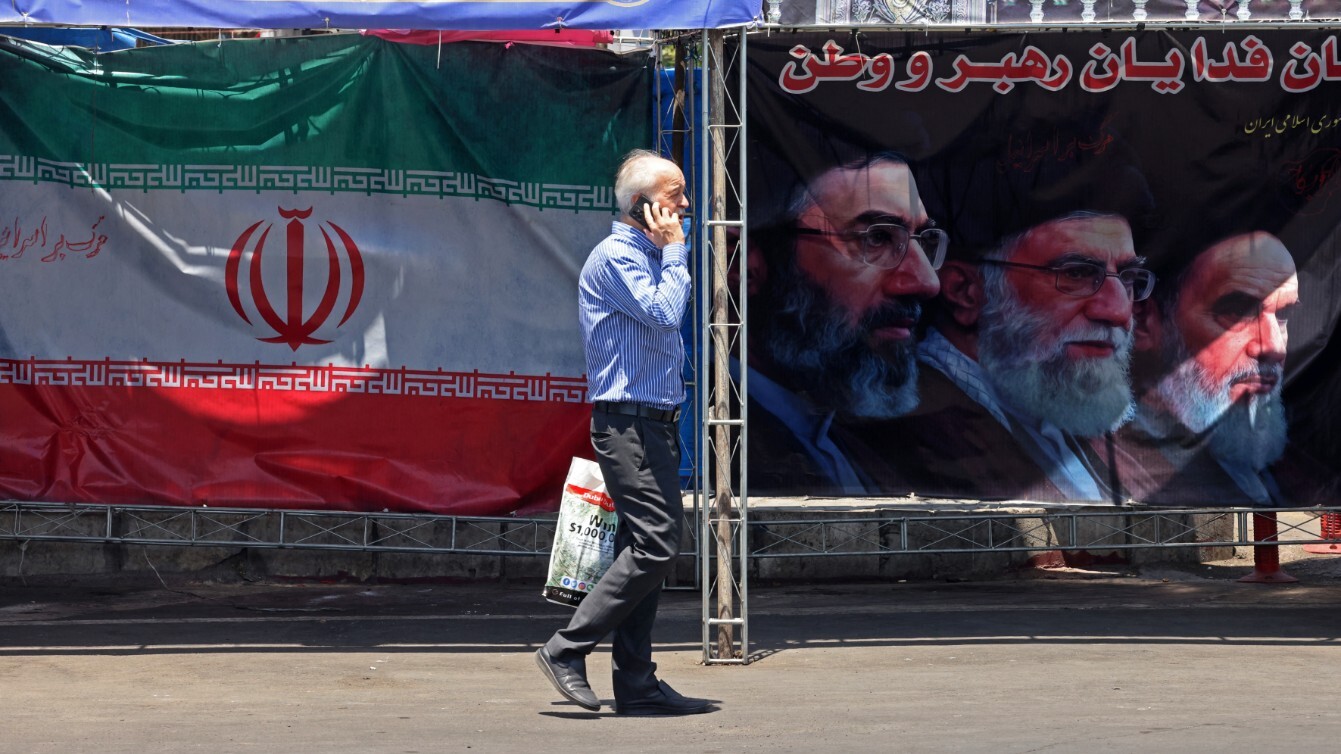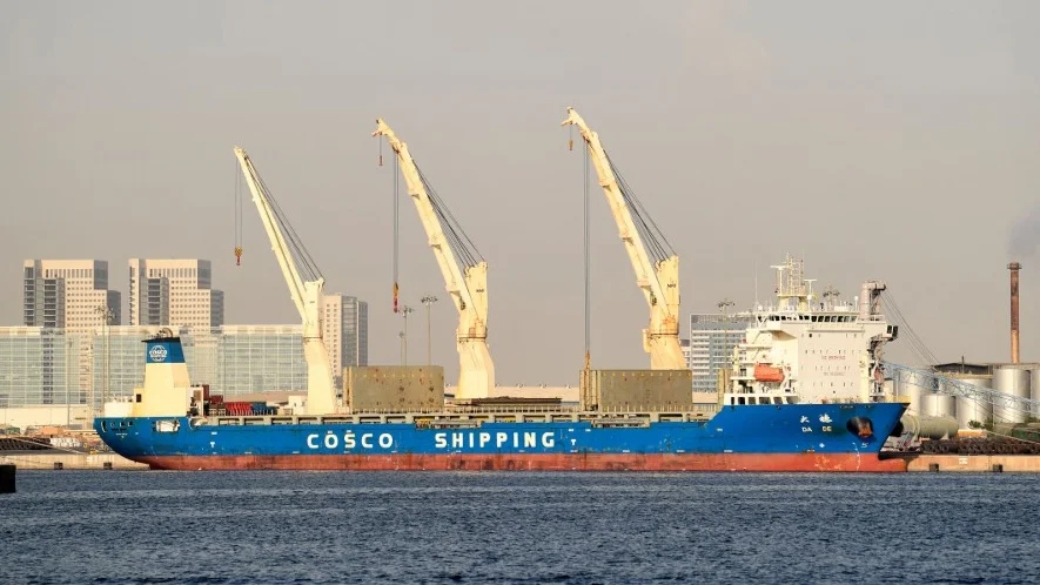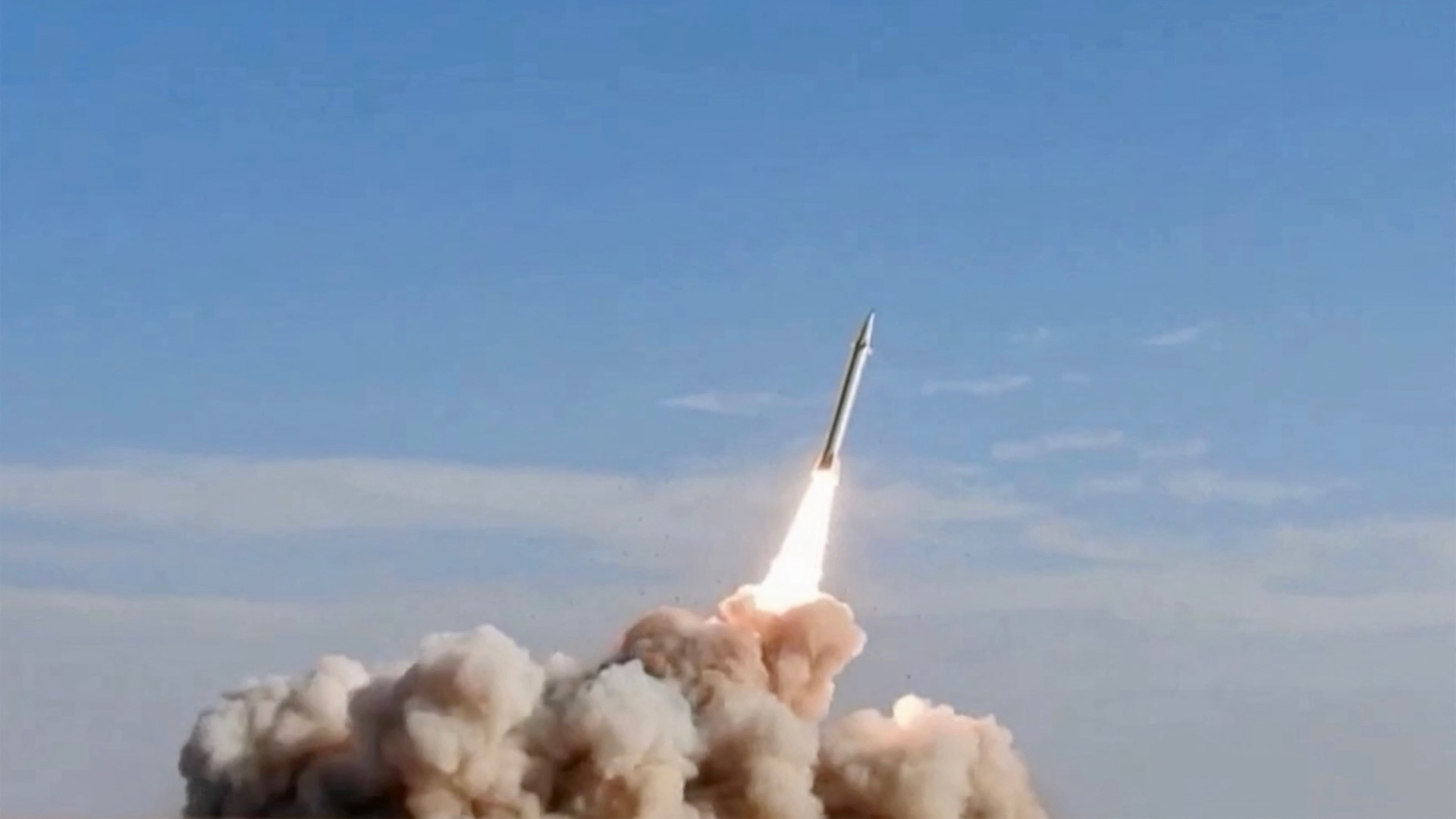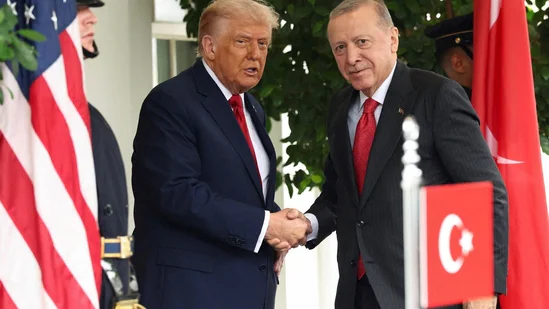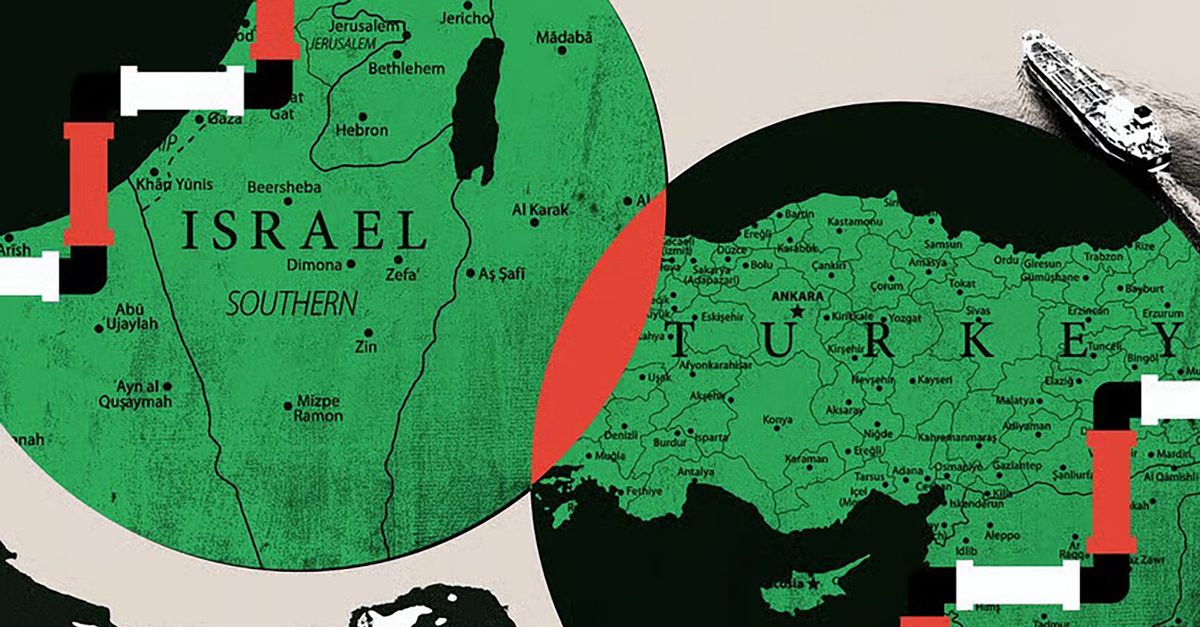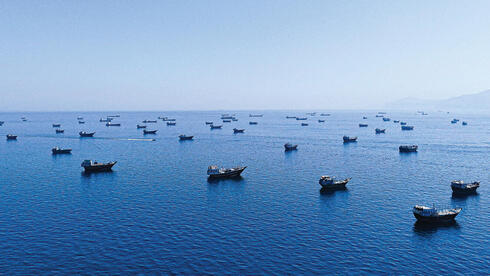
Israel–Turkey rivalry over multi-hundred-billion-dollar trade corridors intensifies, as competing IMEC and alternative routes vie to reshape global supply chains bypassing sea chokepoints like Hormuz and define future economic-security power balanceDr. Kobi Berda|The growing friction between Israel and Turkey is no longer a secret, but in recent weeks it has intensified and taken on unprecedented expression across all fronts. On the diplomatic stage, rhetoric reached a new peak following extreme remarks by Turkey’s Interior Minister Mustafa Çipçī at a ruling party conference. He called for Turkey to take control of Jerusalem and said he hoped to serve as its governor. Israel’s Foreign Ministry responded sharply, stating that the Ottoman Empire is long gone and that Jerusalem will remain the eternal capital of Israel.The tension is not confined to diplomatic halls. It is increasingly reflected in warnings of active military preparations by President Recep Tayyip Erdoğan’s government. Exiled Turkish opposition figure Abdullah Bozkurt has pointed to a series of indicators and sweeping regulatory changes suggesting that Turkey is gradually preparing for a direct military confrontation with Israel, with Syria emerging as the most likely arena of friction. These steps, including expanded emergency powers to mobilize civilian resources and private companies, indicate a strategic shift in which Ankara is designating Israel as its primary threat. Each side is attempting to box the other into a weaker position while carving out spheres of influence that would neutralize its rival.1 View gallery At the heart of this struggle lies the contest over a future strategic corridor meant to replace vulnerable maritime routes (Stringer, REUTERS)At the heart of this struggle lies the contest over a future strategic corridor meant to replace vulnerable maritime routes, amid the dual pressure of disruptions in the Strait of Hormuz and Houthi attacks in the Bab el-Mandeb. This emerging route is seen as the “holy grail” of the new global economy, carrying three critical flows: physical goods, data via fiber-optic cables, and oil.Central to this vision is the IMEC Corridor, a major U.S.-backed project intended to run from India through the Gulf states, continue overland via Jordan and Israel (with the Port of Haifa as a key hub), and then by sea to Europe, reaching Greece or Italy. Turkey, however, refuses to remain outside the equation. Ankara, together with states aligned with the Muslim Brotherhood axis and its partners, is working on an alternative route that would bypass Israel entirely. It is advancing transit agreements and large-scale infrastructure plans involving Qatar, passage through Jordan, a reconstructed Syrian territory, and onward into Turkey and Europe.The massive economic and logistical struggle to establish overland corridors that bypass disrupted sea lanes—and the signing of memoranda of understanding between Turkey and Saudi Arabia that could reshape facts on the ground amid Israel’s slower progress—revives railway concepts dating back to 1908. Turkey, Saudi Arabia, Jordan, and the regime of Ahmed al-Sharaa in Syria are increasingly coordinating under the so-called “Four Seas” project, aiming to turn Damascus and Ankara into the region’s exclusive logistical and energy hubs, while sidelining Israel from the strategic route.This competition over the redrawing of global trade maps is not merely economic. It is a direct struggle over political influence and long-term security. The question of which land corridor becomes the main artery—whether it runs through Israeli ports or bypasses them via Syria and Turkey—will determine the distribution of wealth and the regional balance of power for generations.The conflict is also embedded in a wider network of alliances being forged across regions. Turkey is strengthening its economic and military foothold in Africa, particularly in Somalia, where a major shift has recently occurred with the start of oil production from vast offshore reserves. In response, Jerusalem is advancing counter-levers of influence by deepening ties and pursuing recognition of Somaliland, Somalia’s neighboring rival. A historic visit by Somaliland’s president to Israel’s presidential residence and declarations of an emerging strategic and security partnership against shared threats in the Horn of Africa signal what may be the beginning of a new era. Somaliland, which offers access to natural resources and has reportedly expressed openness to hosting Israeli and U.S. military bases, is emerging as a direct counterweight to Houthi threats off Yemen’s coast and to Turkish expansion in the region.The multi-layered confrontation must also be understood through the long-term strategic vision of U.S. President Donald Trump. During his diplomatic visit to India, he presented his official vision for the IMEC corridor — a historic trade route linking ports, railways, and undersea fiber-optic networks from India through Israel and Italy to the United States. For Trump, the project is not merely economic but almost messianic in scope, aimed at fulfilling a 3,000-year-old vision of lasting peace among the descendants of Abraham through unprecedented economic and strategic integration between Saudi Arabia and Israel. Beyond countering China and Turkey, the ultimate objective is also to cement his global legacy and secure a Nobel Peace Prize.Ultimately, the confrontation between Jerusalem and Ankara is not a local dispute but part of a global chess match. The winning economic-security axis will determine who holds the keys to global trade routes—and who shapes the architecture of the next century.Dr. Kobi Berda is a senior lecturer at the Holon Institute of Technology (HIT) and a senior fellow at the Jewish People Policy Institute (JPPI).
Global trade chessboard: Israel and Turkey compete to control future supply routes
Israel–Turkey rivalry over multi-hundred-billion-dollar trade corridors intensifies, as competing IMEC and alternative routes vie to reshape global supply chains bypassing sea chokepoints like Hormuz and define future economic-security power balance
879 words~4 min read