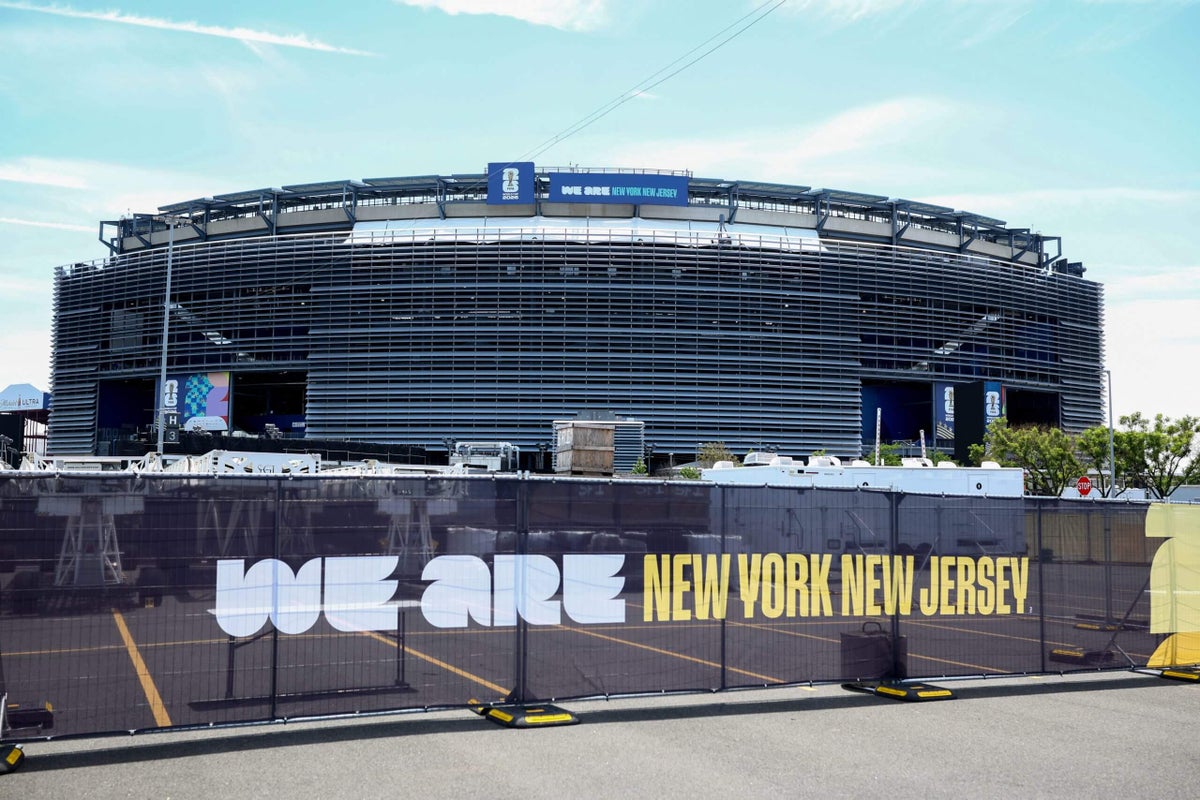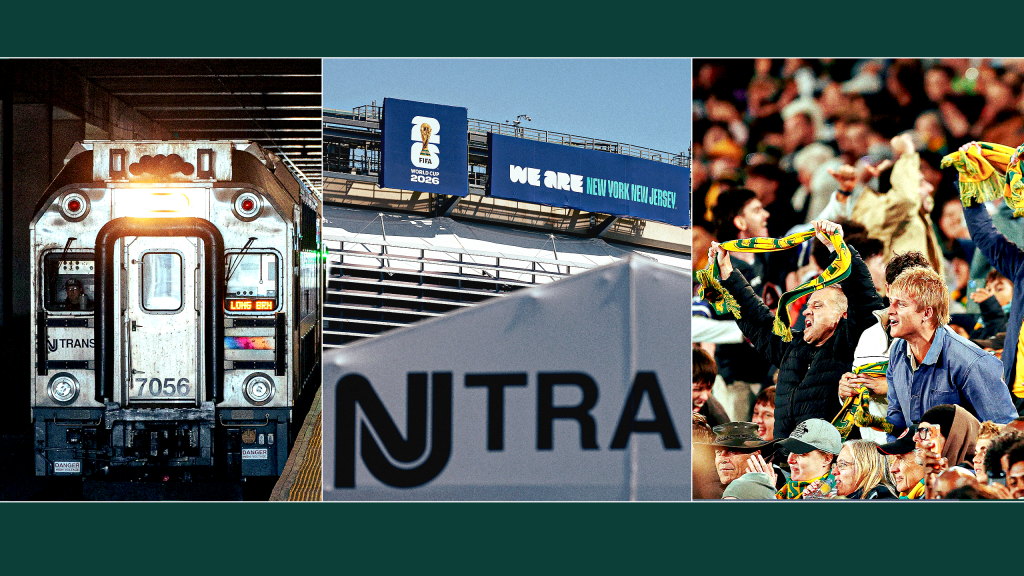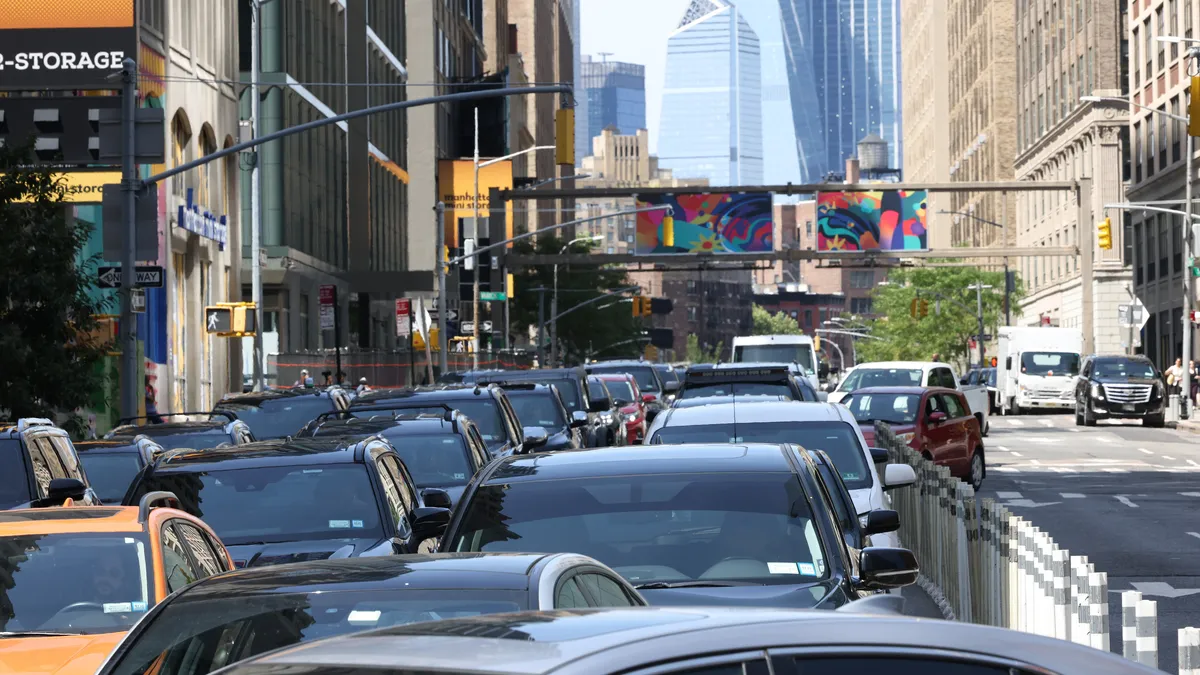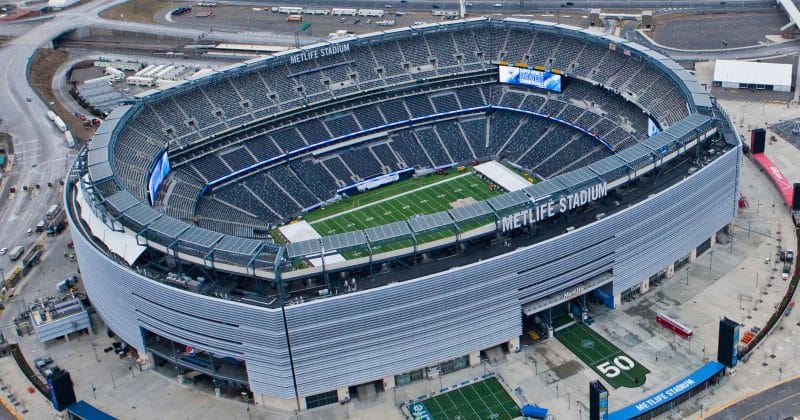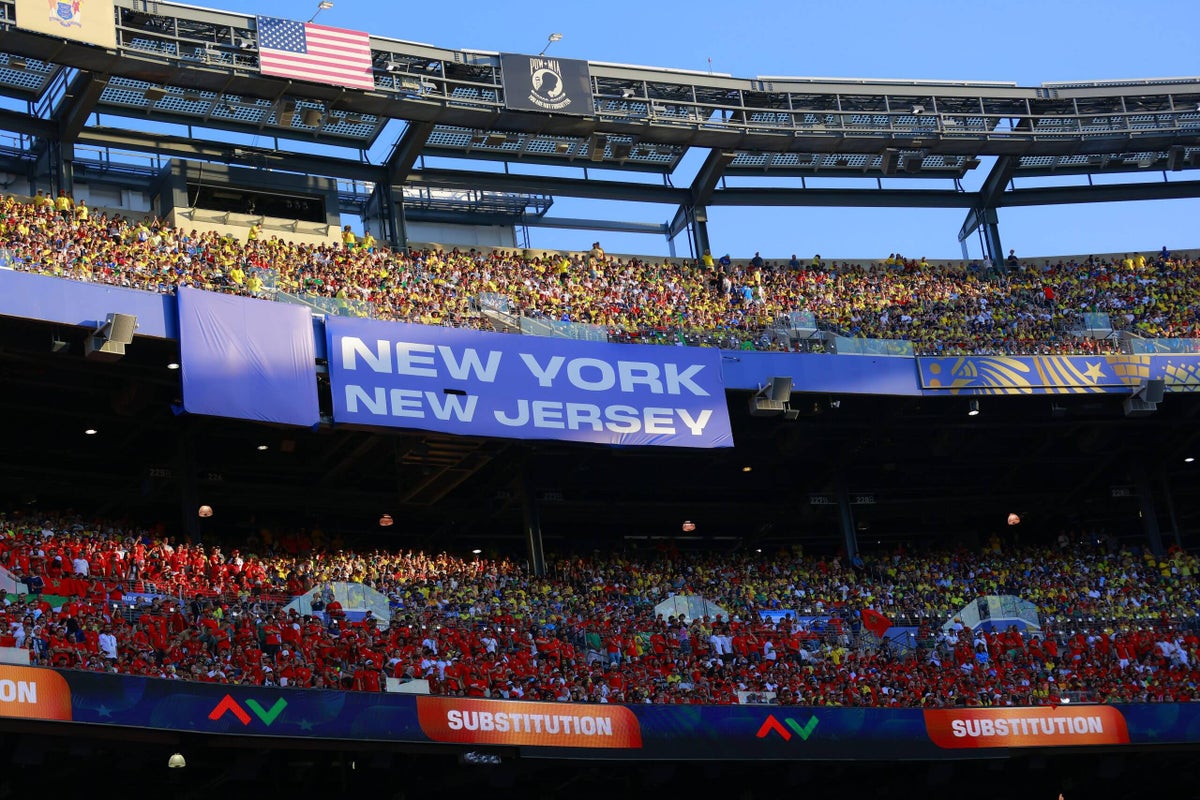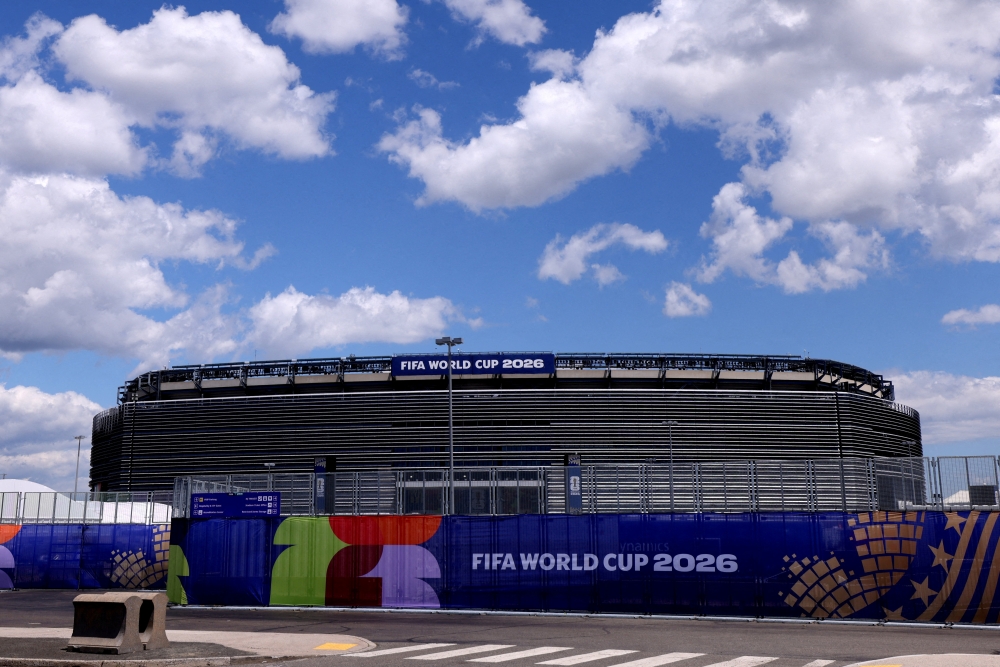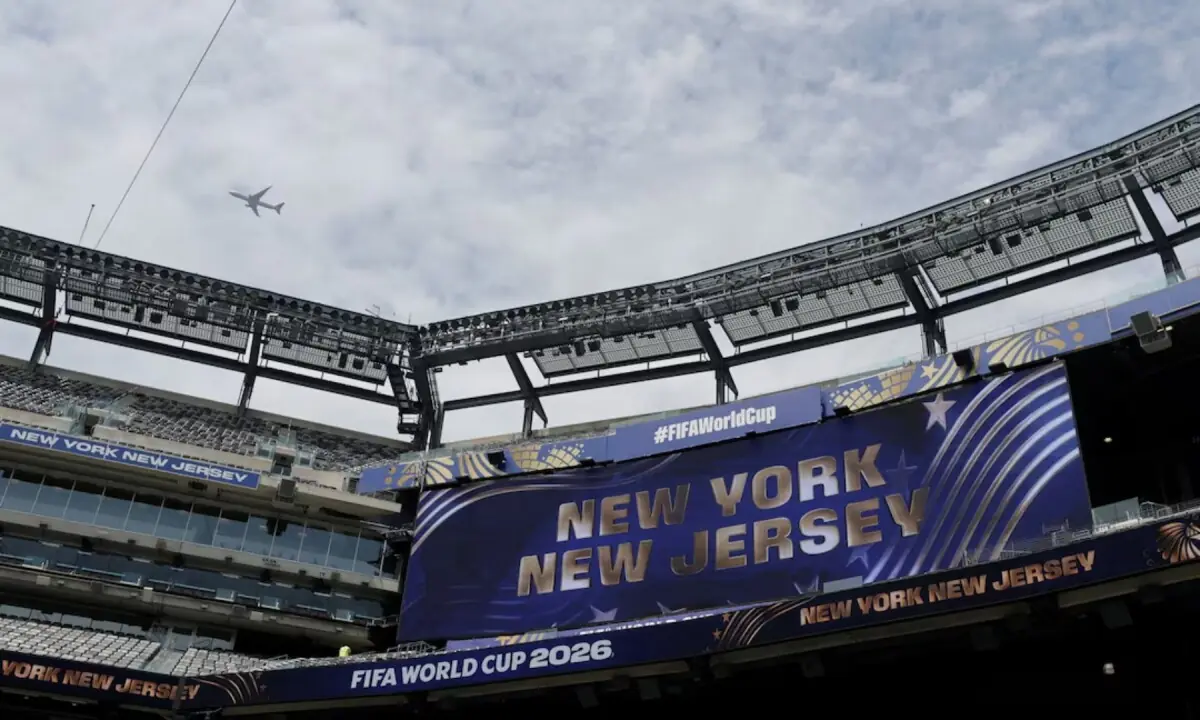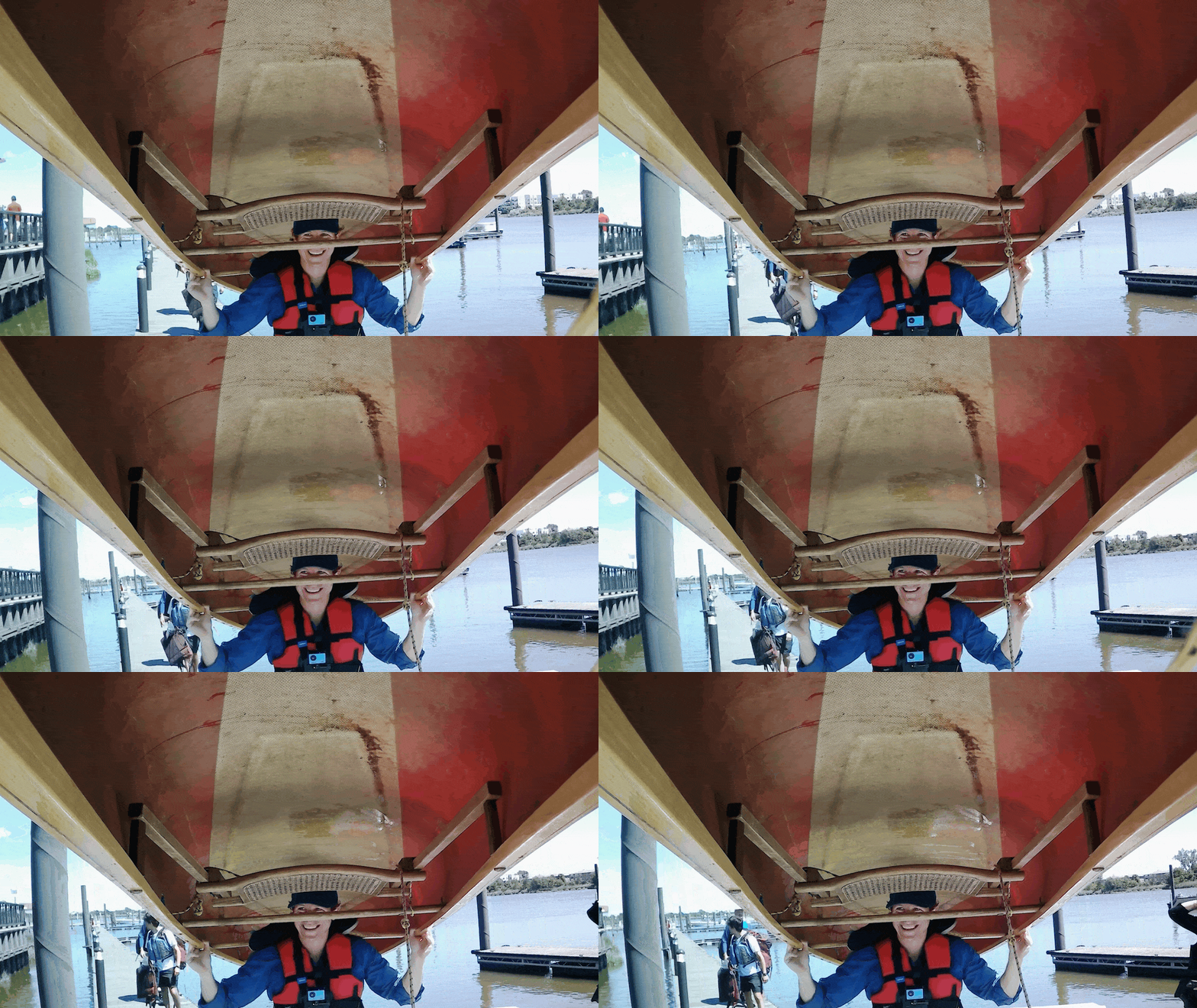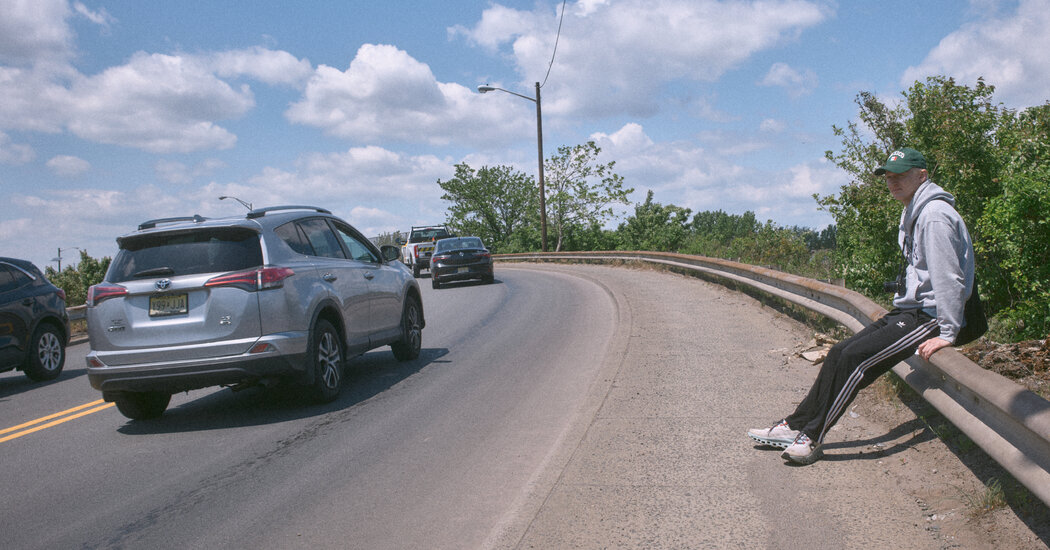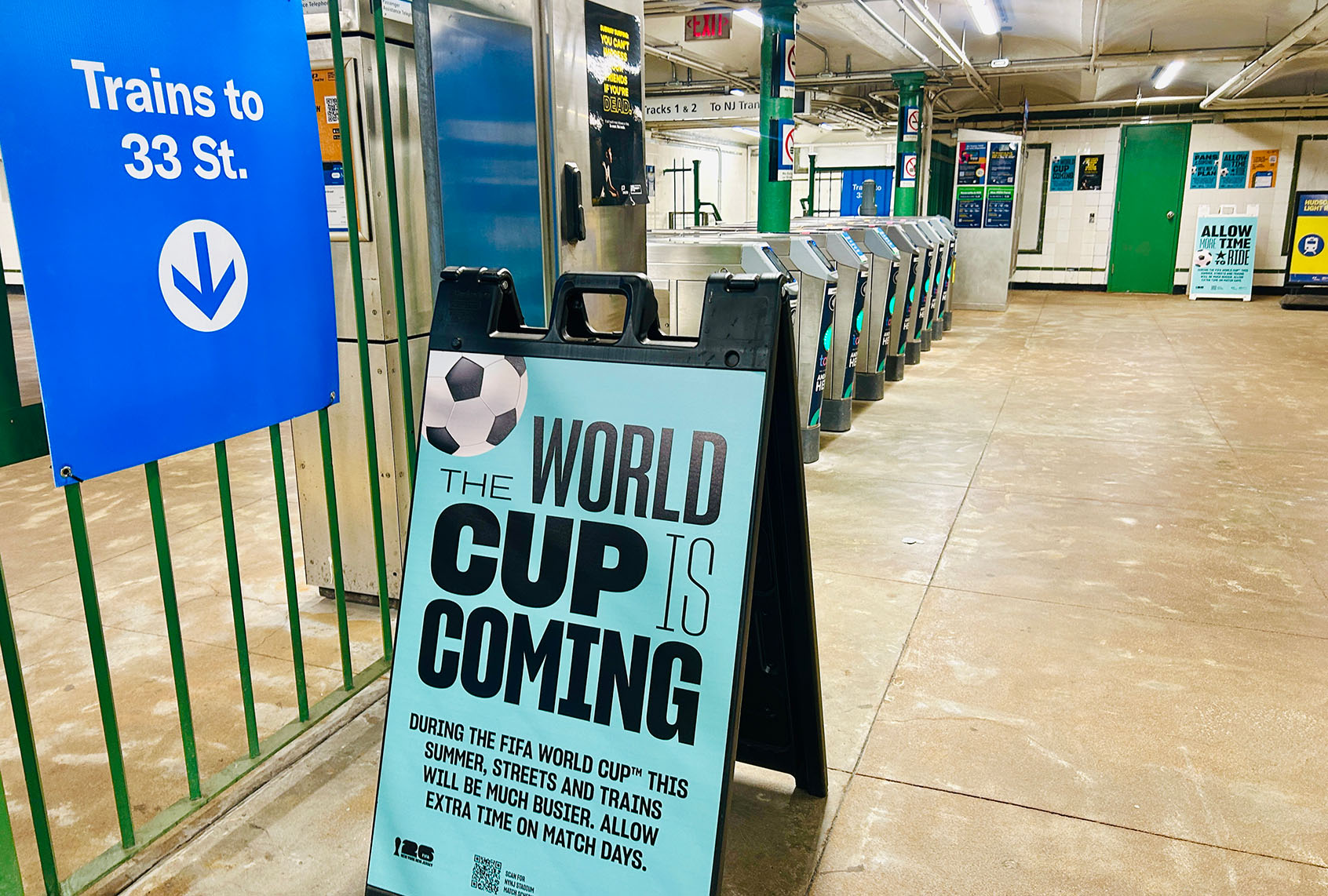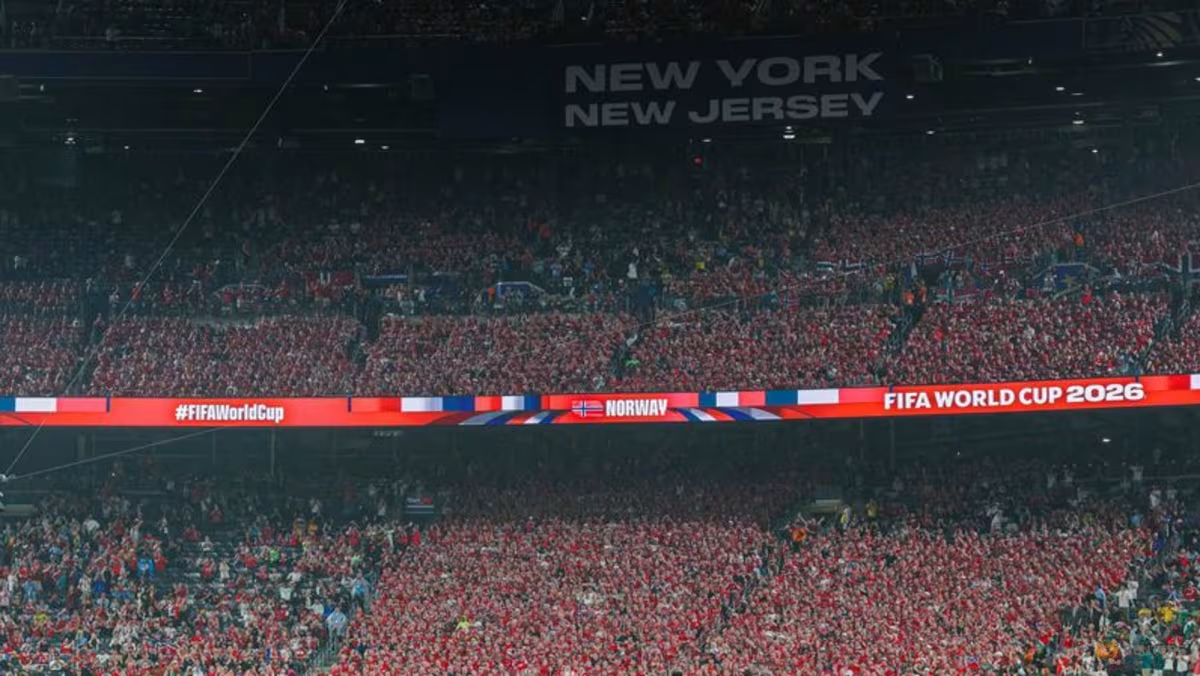
Videos from The New YorkerRecently, as I read transit-disaster stories from MetLife Stadium’s first World Cup match, between Brazil and Morocco on Saturday, it occurred to me that tournament planners from New York and New Jersey had overlooked the Meadowlands’ many creeks, canals, and marshes. A total of eight World Cup matches, including the final, will be held at MetLife throughout June and July, and transit options are severely limited for the eighty thousand fans who are expected to attend. Parking and private drop-offs are prohibited at the stadium. A few thousand spots at the nearby American Dream mall cost two hundred and twenty-five dollars per game. A ride on N.J. Transit from Manhattan to the area, which normally costs thirteen dollars round trip, is going for ninety-eight. Uber prices are exorbitant, and riders have reported waiting three hours for a pickup. Technically, you can walk—a writer and photographer for the Times tried a few weeks ago and had to resort to dashing across Route 120—but large “No Pedestrian” signs were recently posted on the highways around the stadium. Shuttle buses took an hour to go two miles. Some never showed up. Travellers could be forgiven for growing grim about the mouth. But MetLife is surrounded by water. There’s the Hackensack River, Walden Swamp, Mill Creek, Peach Island Creek, Berry’s Creek, and Berry’s Creek Canal. I had a press ticket to the next match, France vs. Senegal, on Tuesday, and, in the name of charting a more pleasant and efficient commute for the world’s soccer fans, I accounted it high time to attempt a passage as soon as I could.Keep reading »For more: Ed Caesar on how Scotland made its return to the World Cup, and all our latest coverage of the tournament.Editor’s PickPhotograph by Jeff Brown for The New Yorker
Taking the Water Route to the World Cup
From the daily newsletter: amid exorbitantly priced public transportation and reports of bumper-to-bumper traffic, we tried our luck arriving by boat.
504 words~2 min read