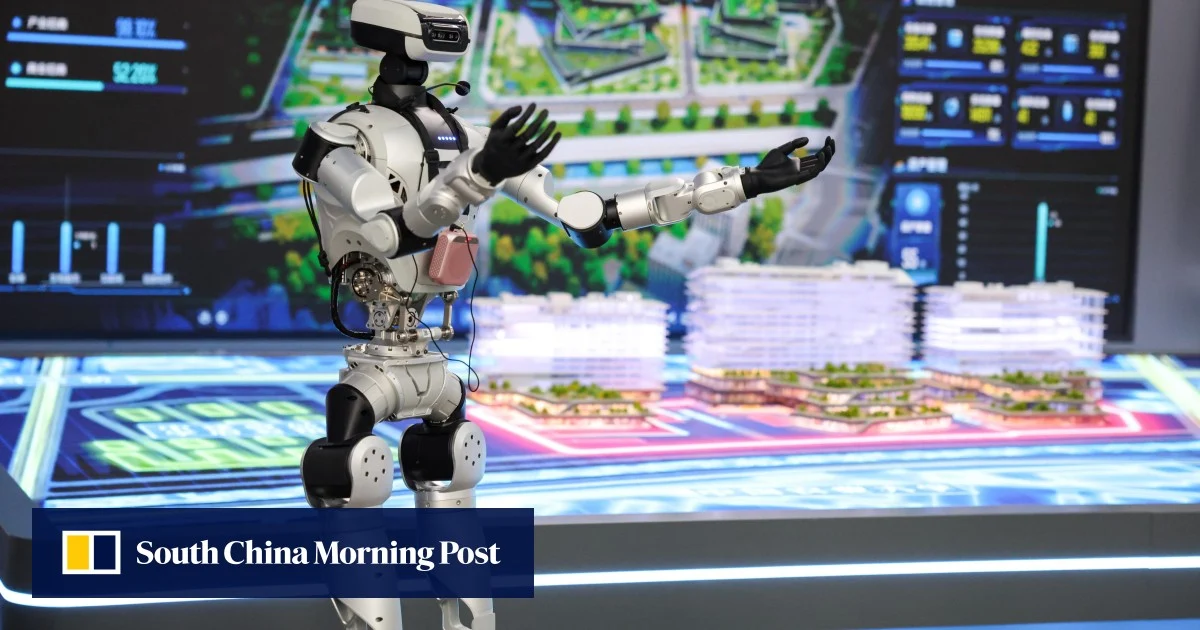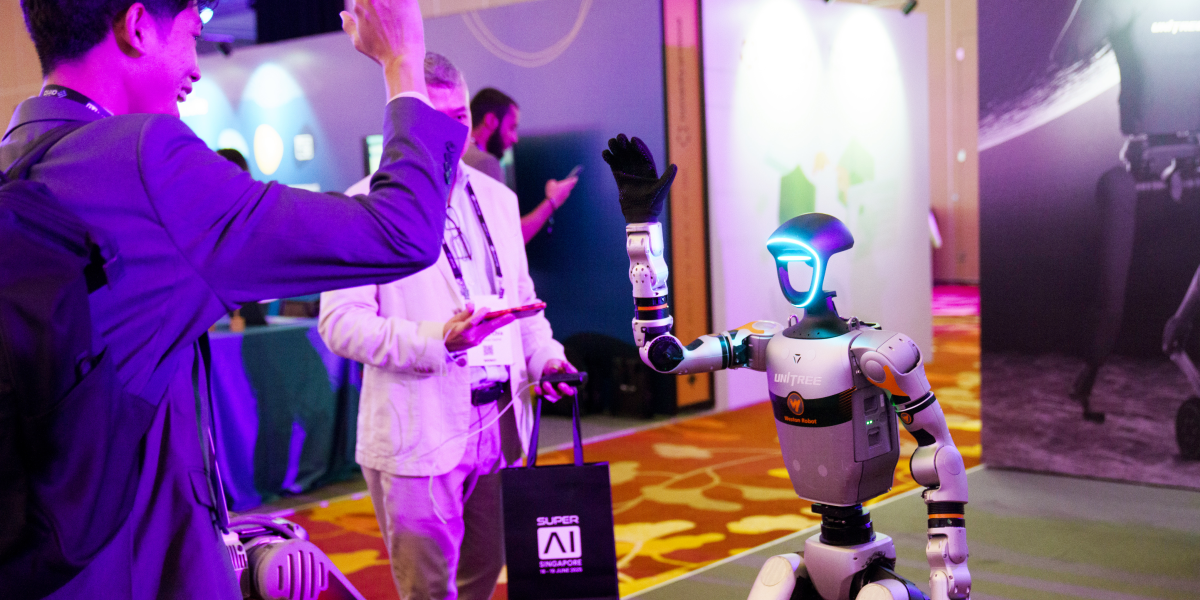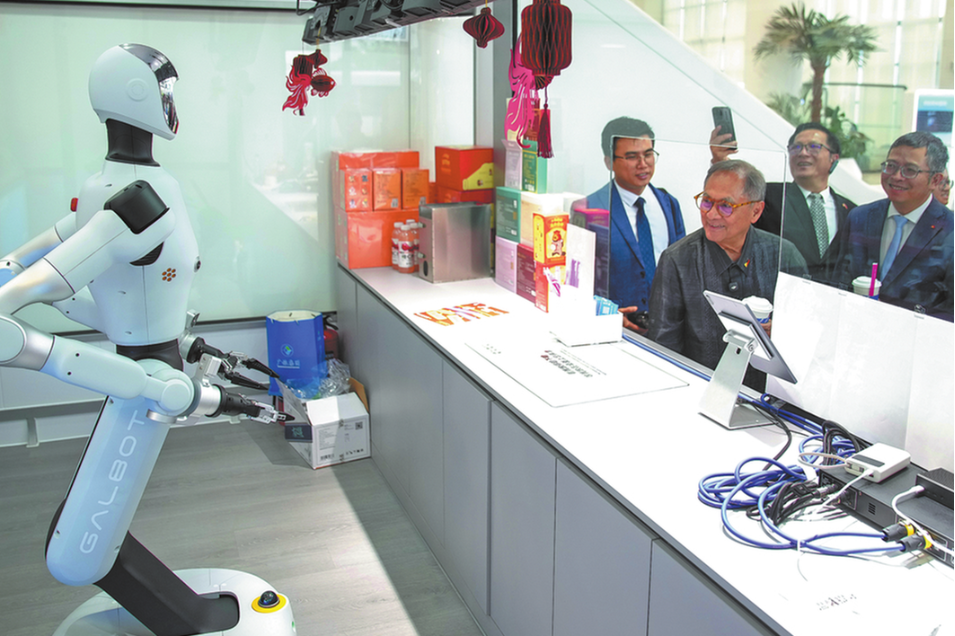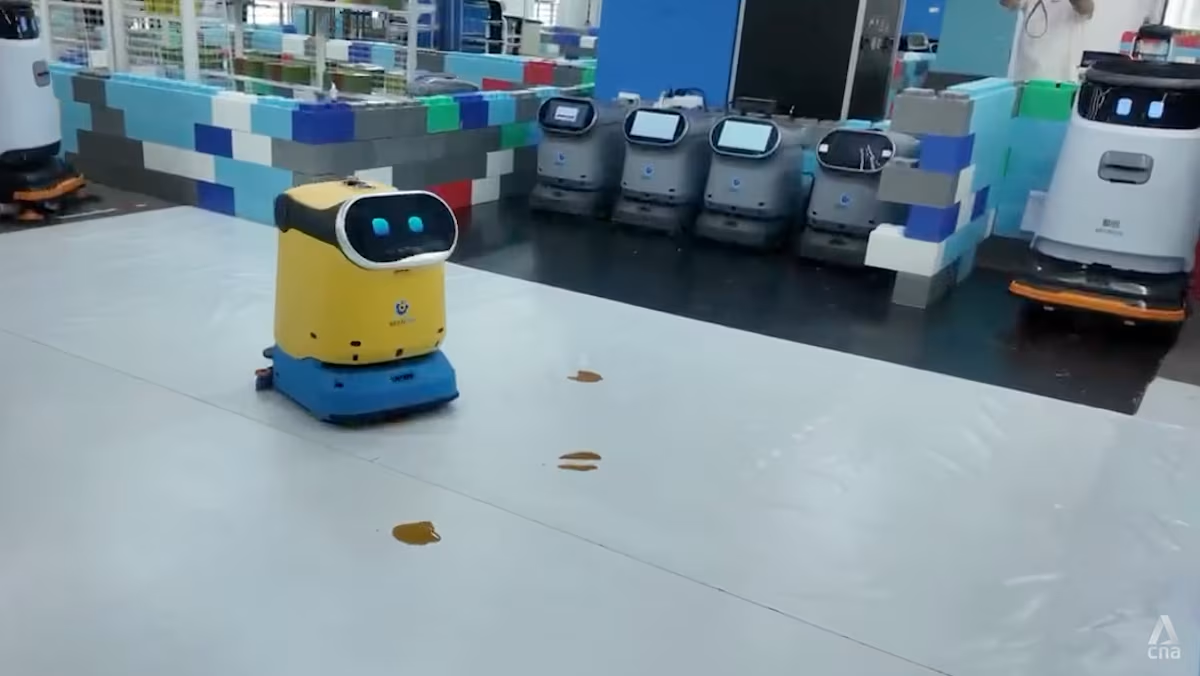
SHENZHEN: A smart cleaning robot trained to navigate an office building in Shenzhen may work flawlessly.But place the same machine in a shopping mall in Kuala Lumpur, and it could struggle with unfamiliar layouts and consumer behaviour.The difference is not the hardware, but the data used to train it.As artificial intelligence (AI) systems spread across borders, access to local data is becoming increasingly valuable alongside algorithms and computing power.
That is driving efforts to find new ways for companies to share information safely and turn it into economic value - a field where China is positioning itself as an early mover.Beijing in 2020 formally recognised data as a new economic resource, alongside traditional drivers of growth such as land, labour and capital.It has been building mostly domestic exchanges where companies can trade access to data products and insights into everything from consumer trends to industry patterns.A recent tie-up with a Southeast Asian firm is now testing whether cross-border data trading can unlock business opportunities on both sides.A memorandum of understanding signed on May 22 between Shenzhen Data Exchange (SZDEX), a state-owned enterprise under the Shenzhen municipal government, and Malaysian technology firm Zetrix AI has put that ambition in focus, as both sides explore ways to connect China and Southeast Asia’s emerging data markets.