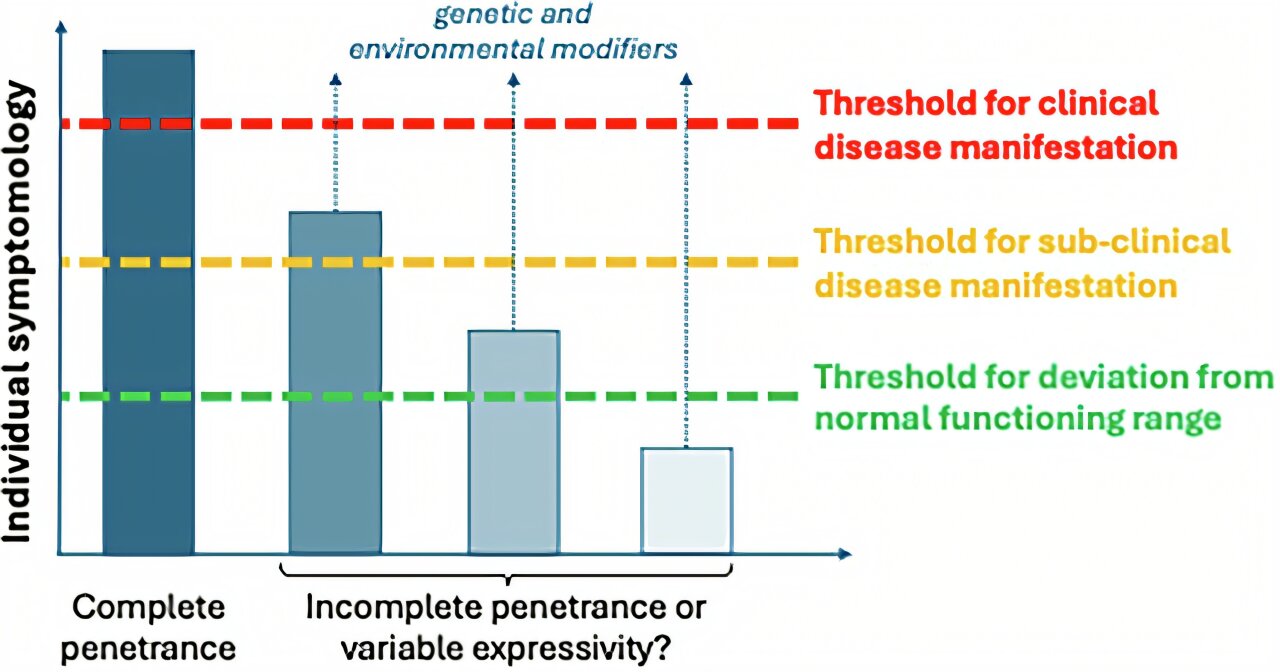
Penetrance and expressivity thresholds for clinical detection. Credit: European Journal of Human Genetics (2026). DOI: 10.1038/s41431-026-02101-1
New research from large population studies provides invaluable evidence on genome screening of newborn babies to reduce risks from overdiagnosis. The authors conclude that further studies are needed before such screening is rolled out.
A team at the University of Exeter is publishing a series of papers which highlight the risks that screening can pose and call for action to minimize harms to families. The research was presented at the European Human Genetics Conference, with three papers so far published in the European Journal of Human Genetics special issue on DNA in public health screening programs.
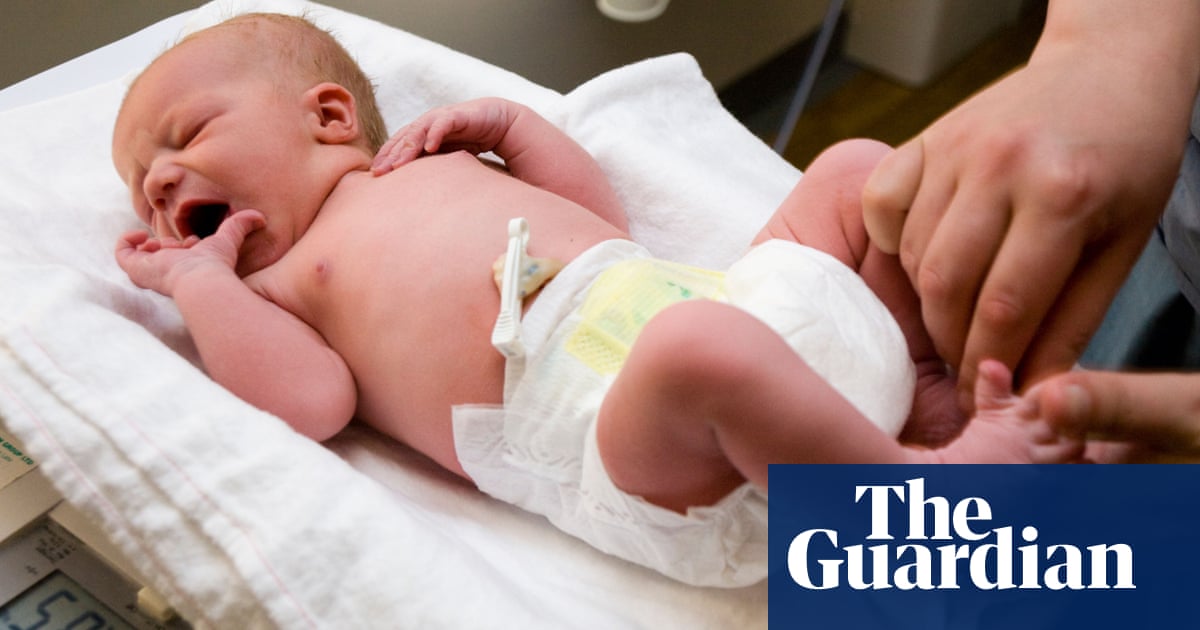
Newborn genome screening pilot studies are increasingly being rolled out in countries including the UK, and involve determining the entire sequence of a baby's genetic code and interrogating it for hundreds of potentially treatable conditions.
The research team cautions that most genetic studies to date have been carried out in groups of people who already have a condition, or are in a high-risk family. This means that the known risk of a genetic variant causing a disease (known as penetrance) is often higher than the actual risk in the general population.