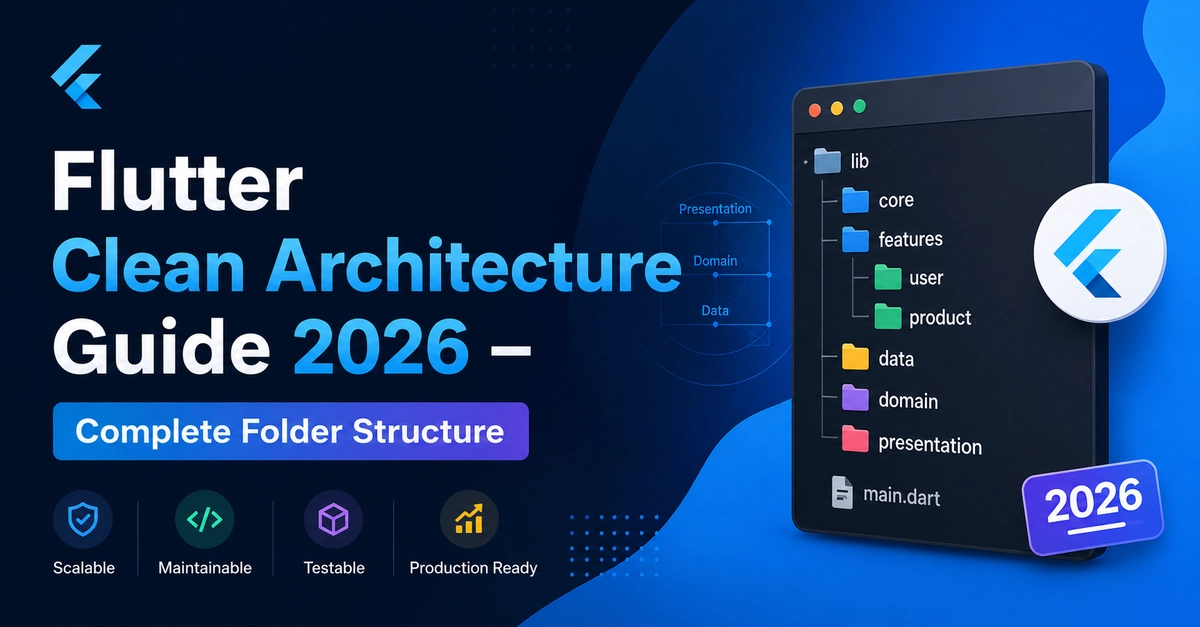
If you're just getting started with Flutter, you'll write your first widget within minutes. But somewhere around day three, you'll hit a wall — why does context crash here? Why did my whole screen rebuild when I changed one variable? Why does Flutter feel so different from React Native or SwiftUI?
The answer is architecture. Once you understand how Flutter actually works under the hood, everything else clicks into place. This is Part 1 of the Flutter From Zero series, and we're covering the foundations.
What Is Flutter — and Why Does It Exist?
Flutter is an open-source UI toolkit from Google that lets you build natively compiled apps for six platforms from a single Dart codebase: Android, iOS, Web, Windows, macOS, and Linux.
But here's what makes it different from every other cross-platform tool: