by Marisa Ramiccio, University of Central Florida College of Engineering and Computer Science
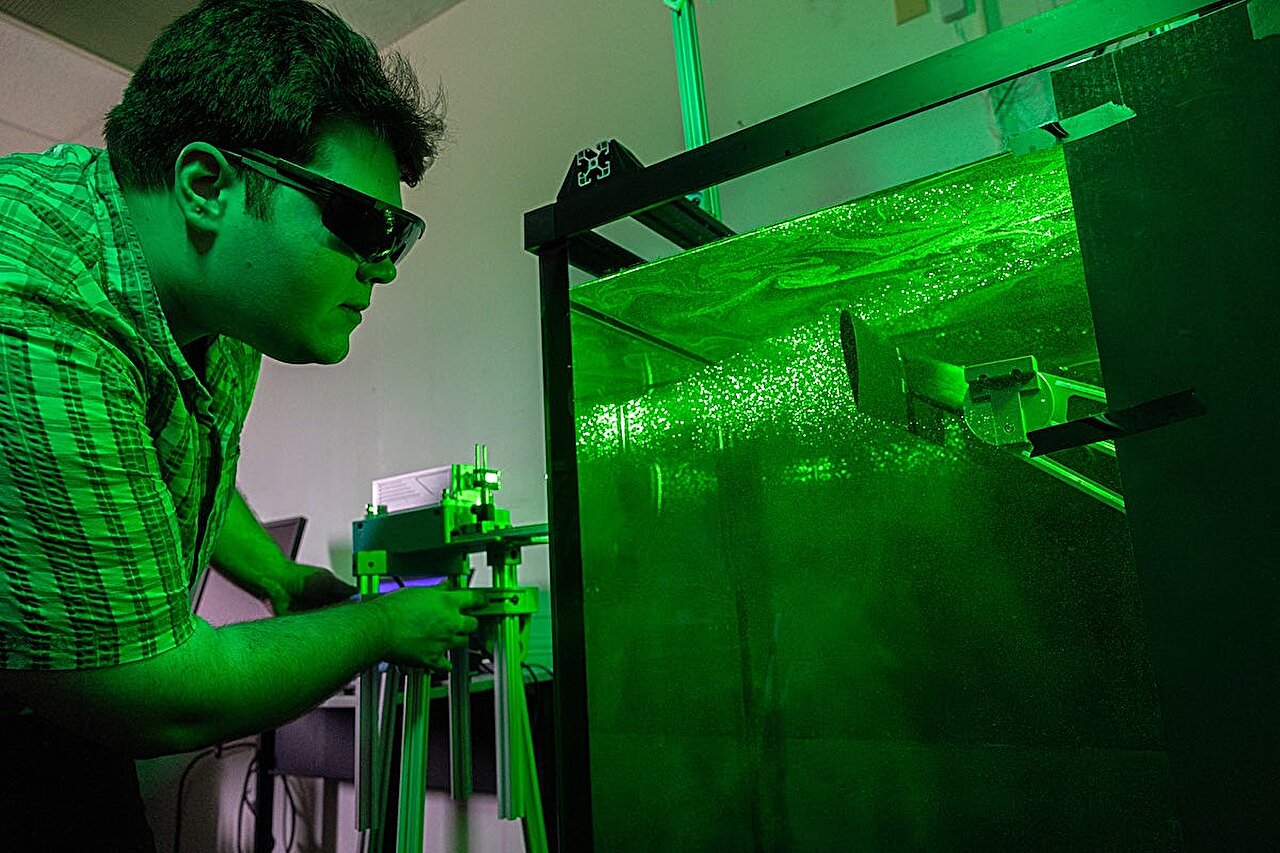
Aerospace engineering master's student Dominic Polidoro '25 observes a water tank experiment illuminated by a laser, which reveals how water flows around a 3D-printed wing as it exits the water. Credit: Antoine Hart
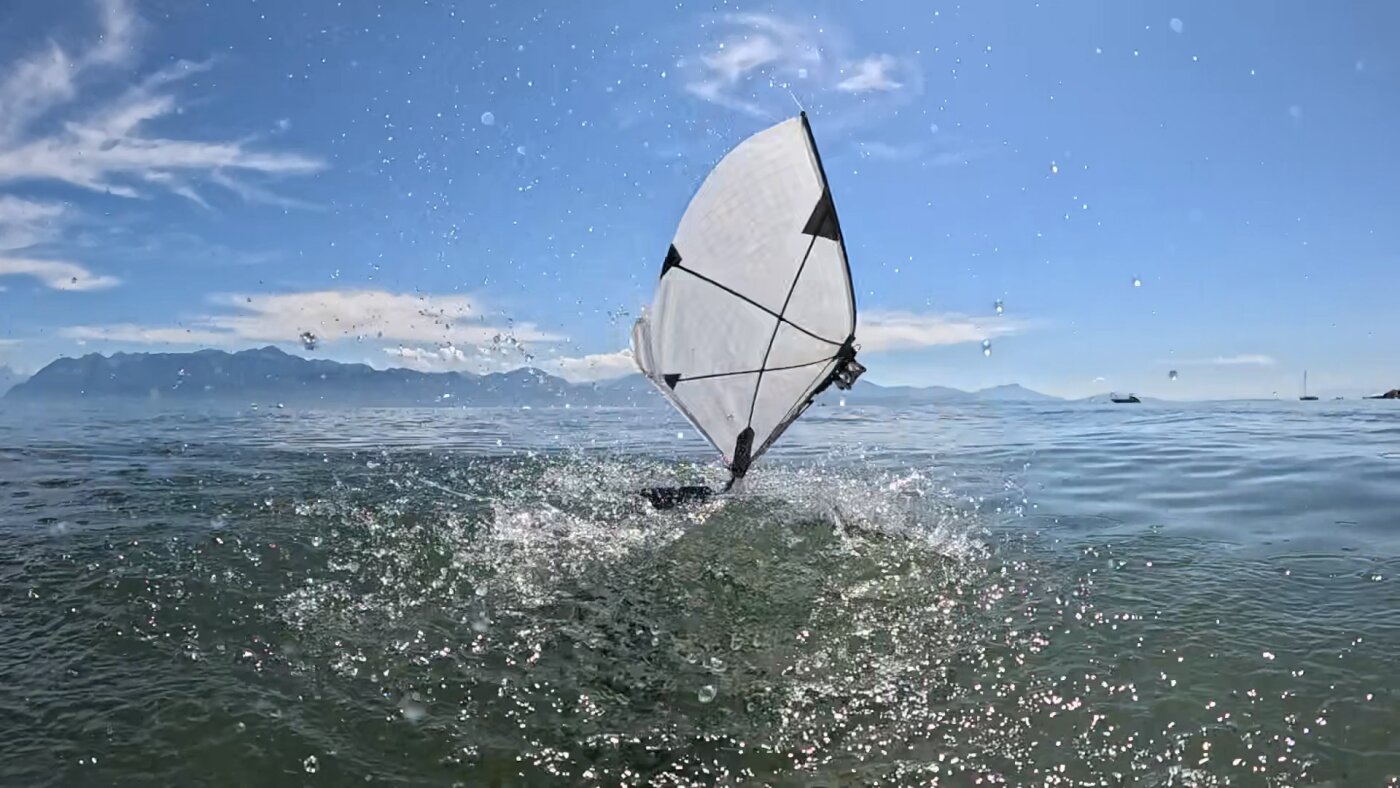
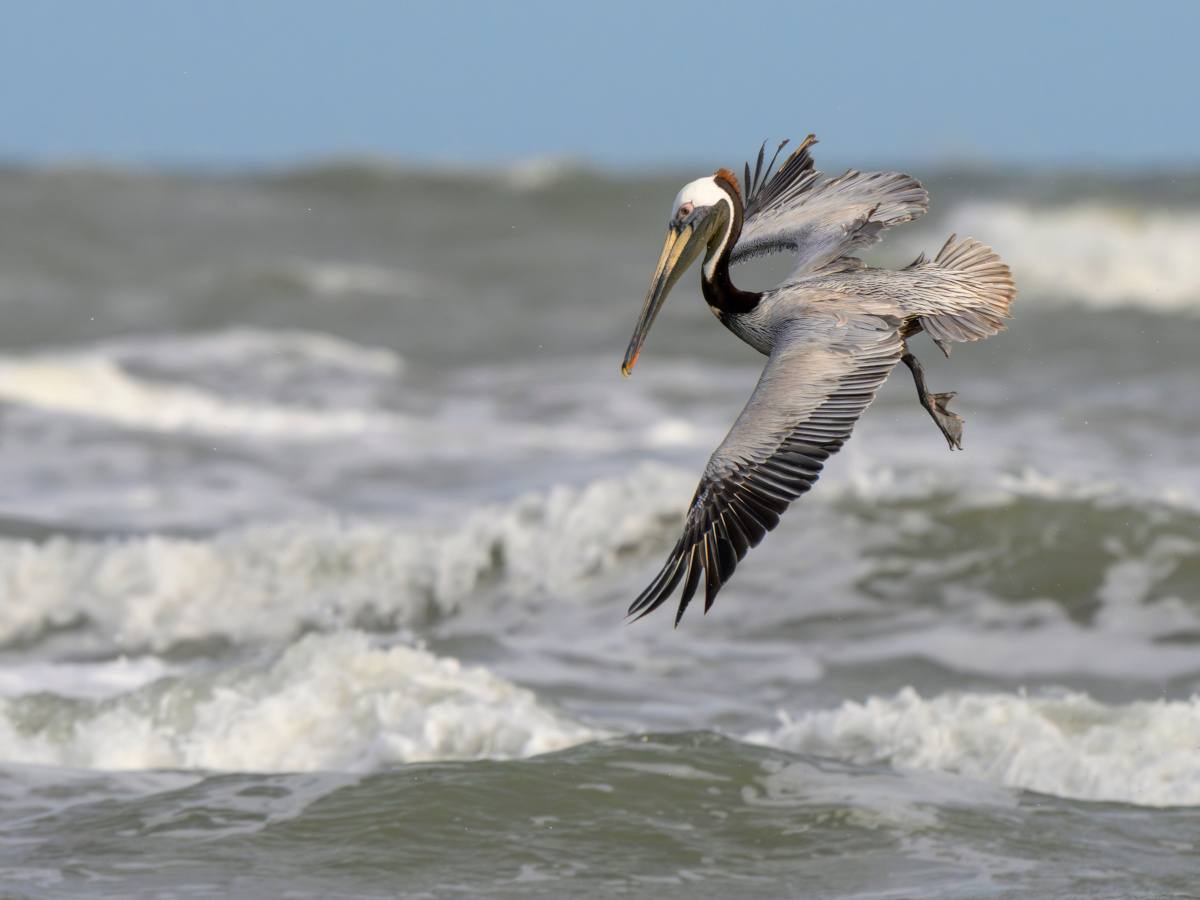
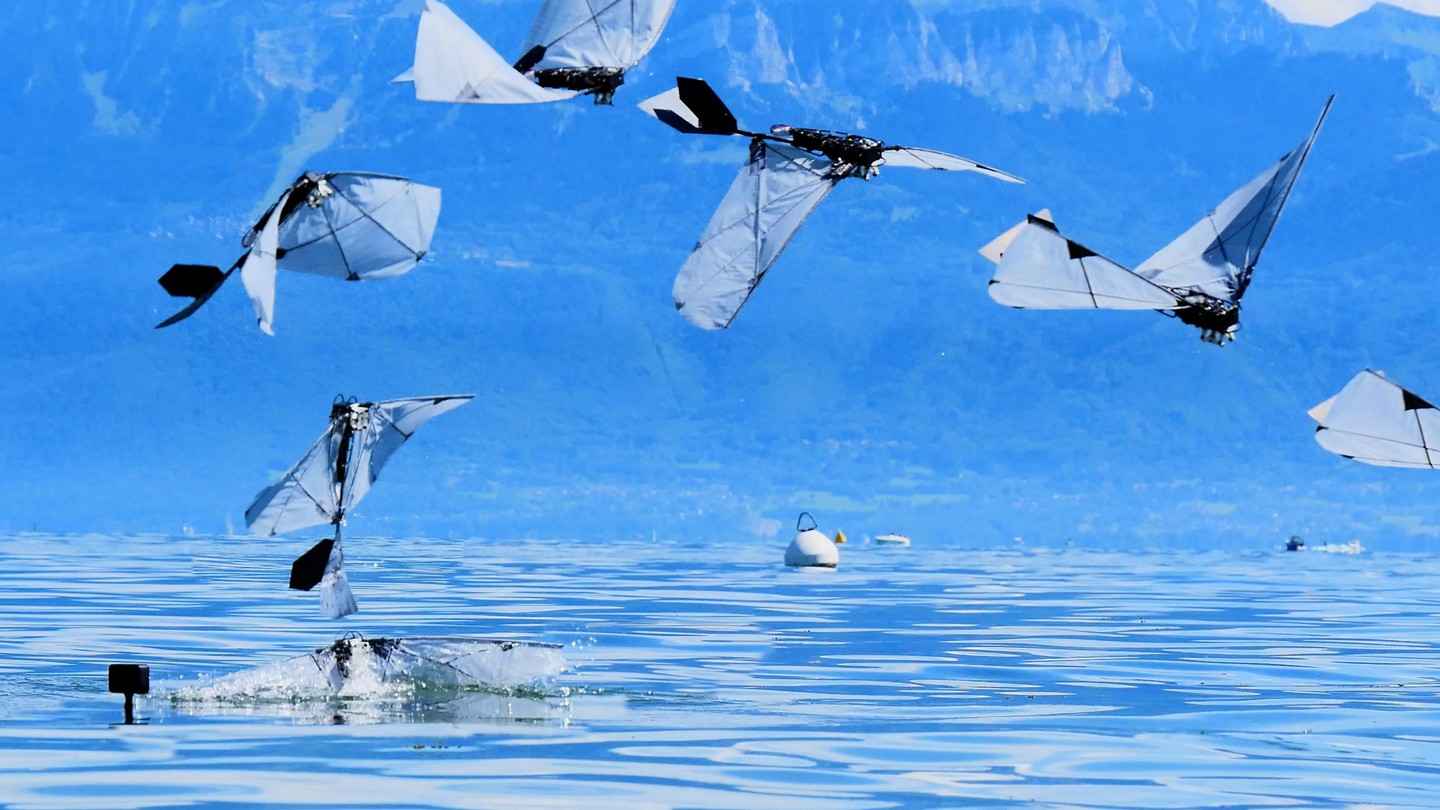
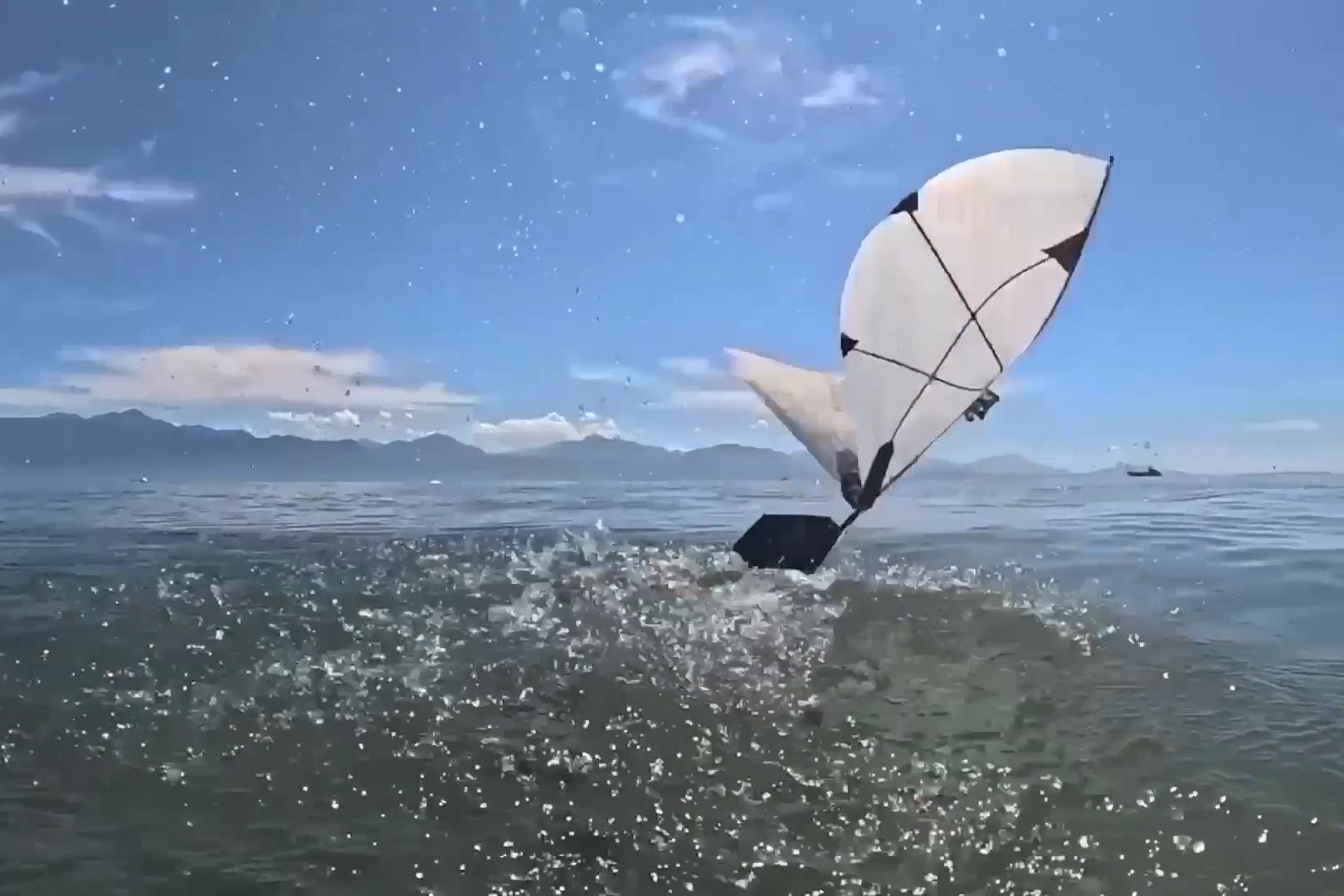
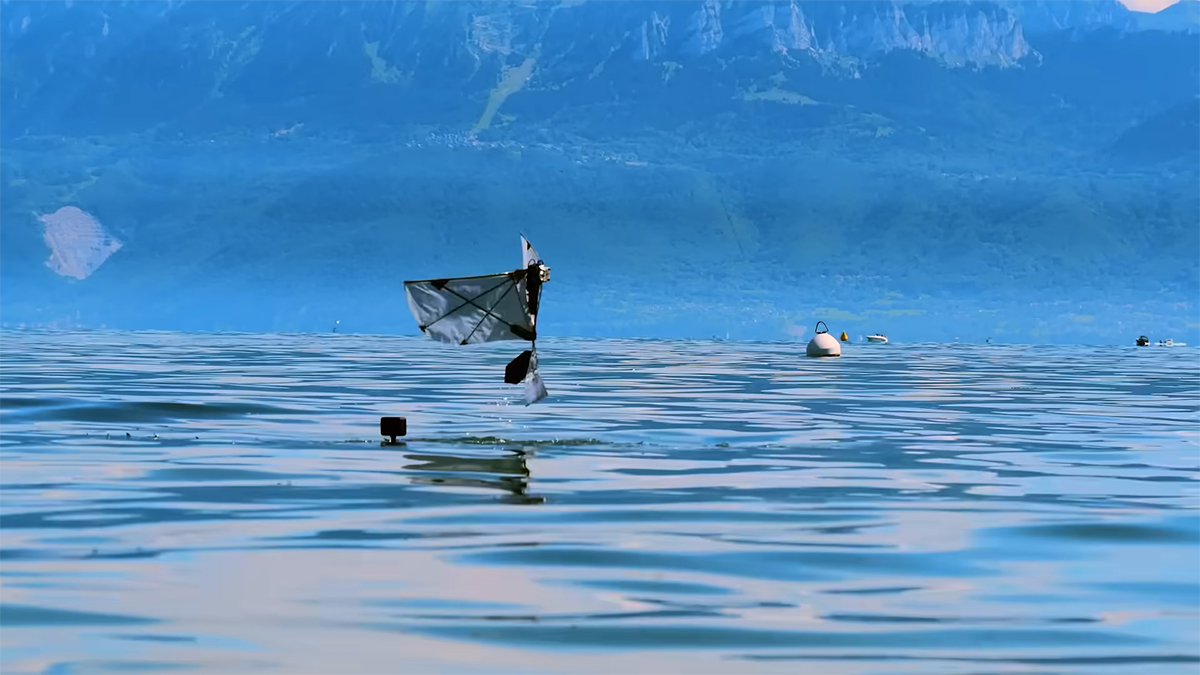
A bird bursting from the ocean or a mobula ray launching skyward makes the transition from water to air look effortless. For unmanned aerial vehicles (UAVs), commonly known as drones, it's one of the hardest maneuvers to replicate.
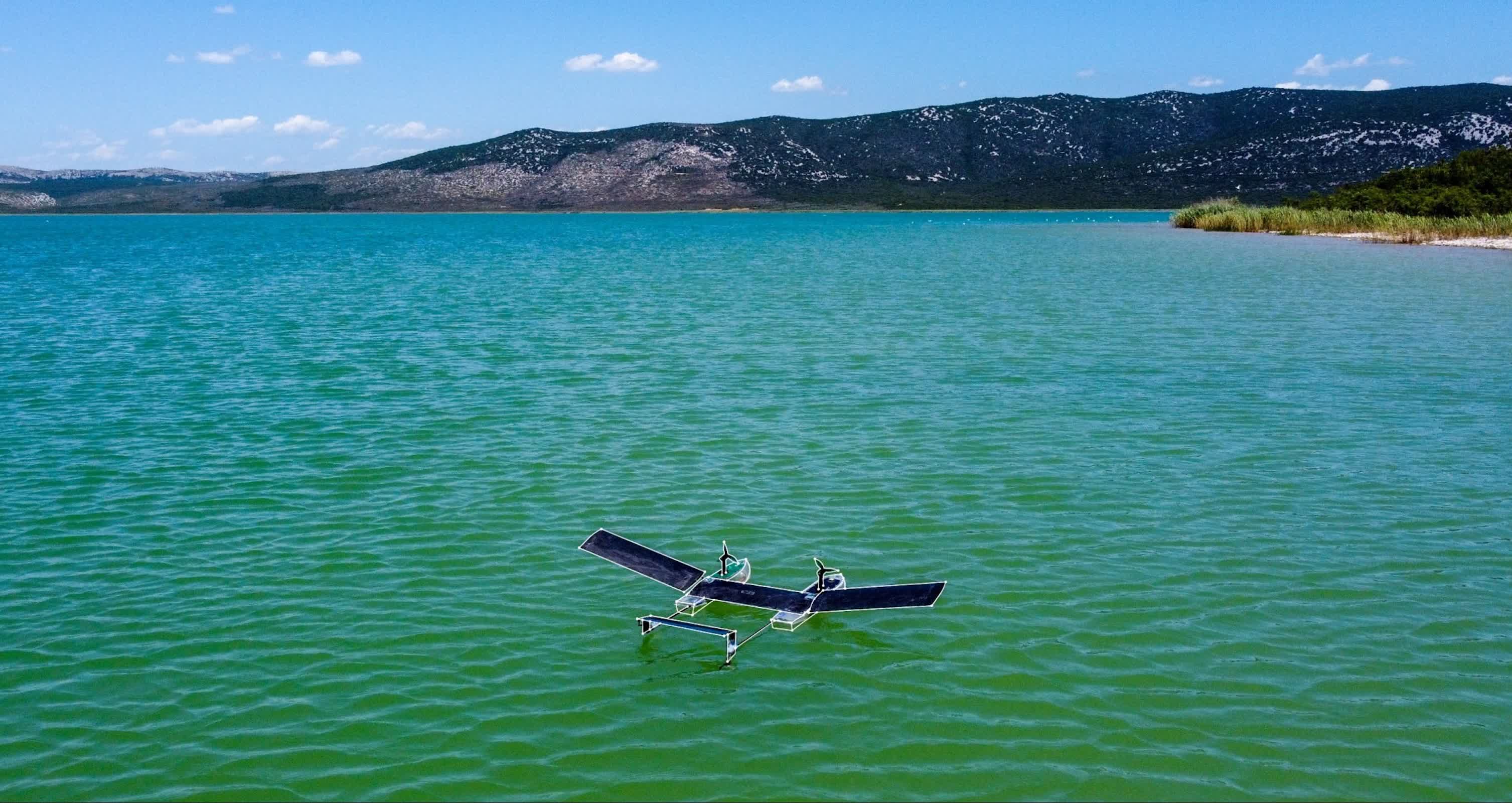
Now, UCF researchers are studying how wing shape and motion affect that split-second transition—work that could help improve future amphibious UAVs.
Associate Professor of Aerospace Engineering Samik Bhattacharya and aerospace engineering master's student Dominic Polidoro '25 are investigating the physical forces that interact as a wing exits the water and enters the air, a process known as egress. They aim to develop mathematical models to improve the technology used in military amphibious vehicles.