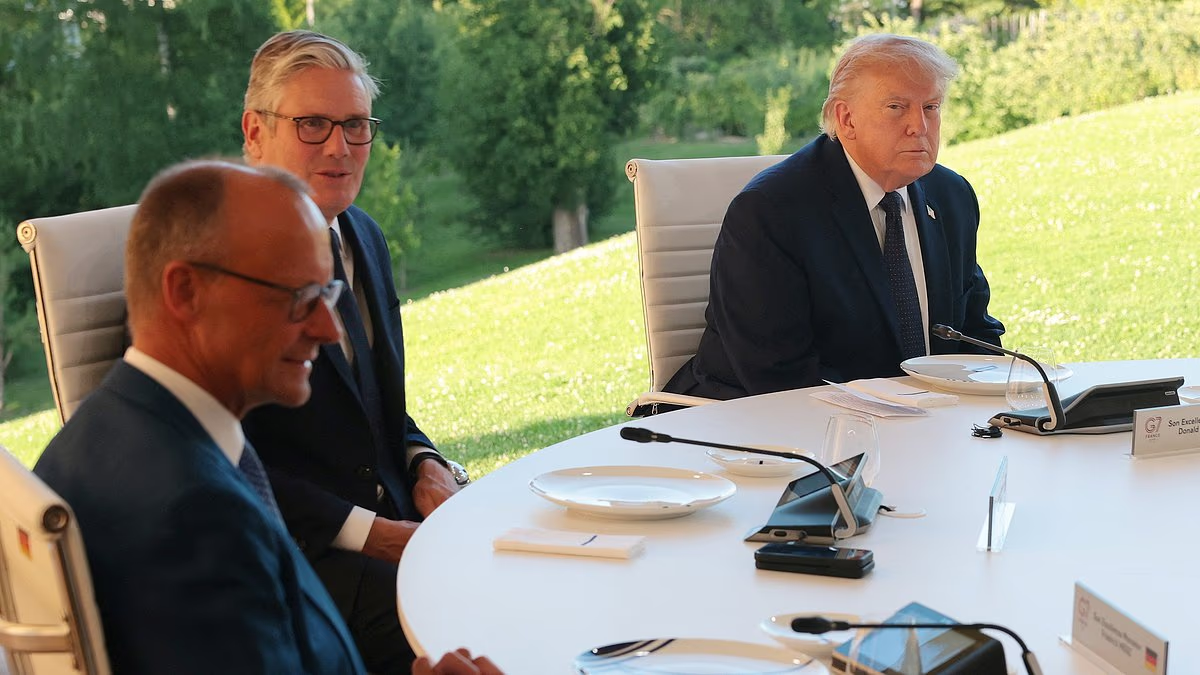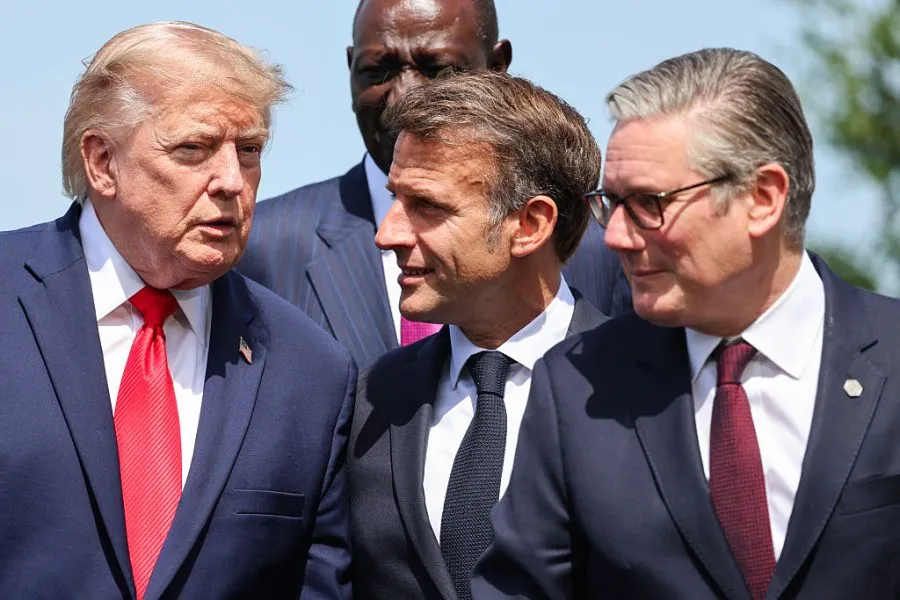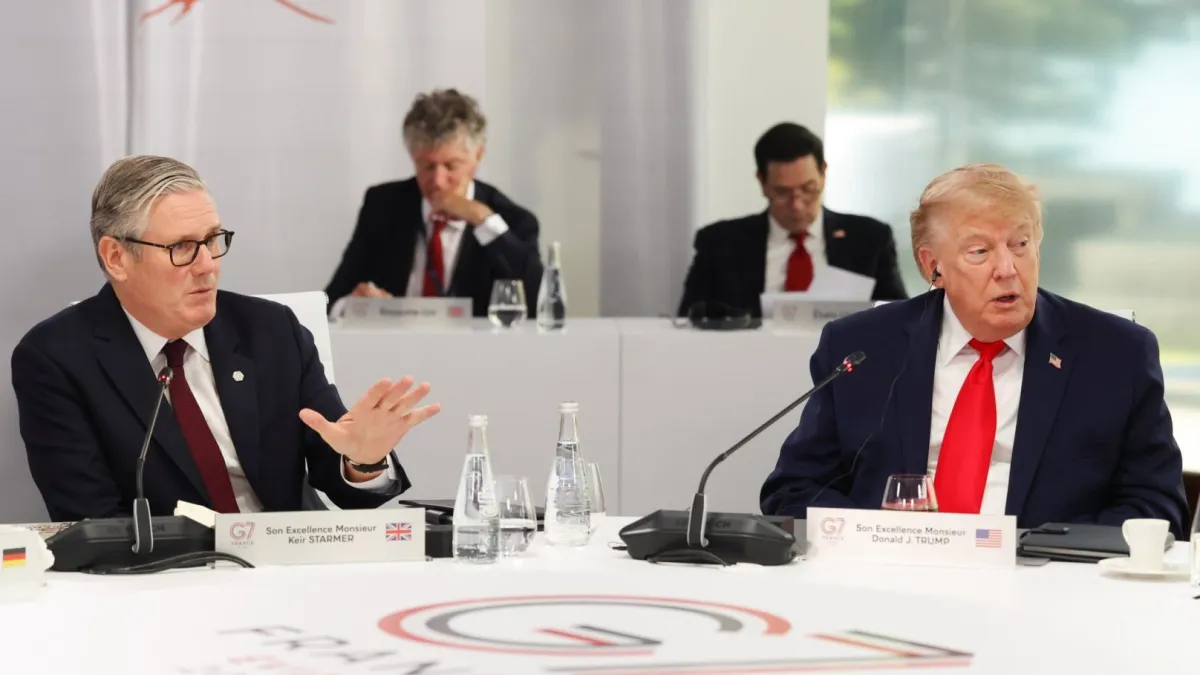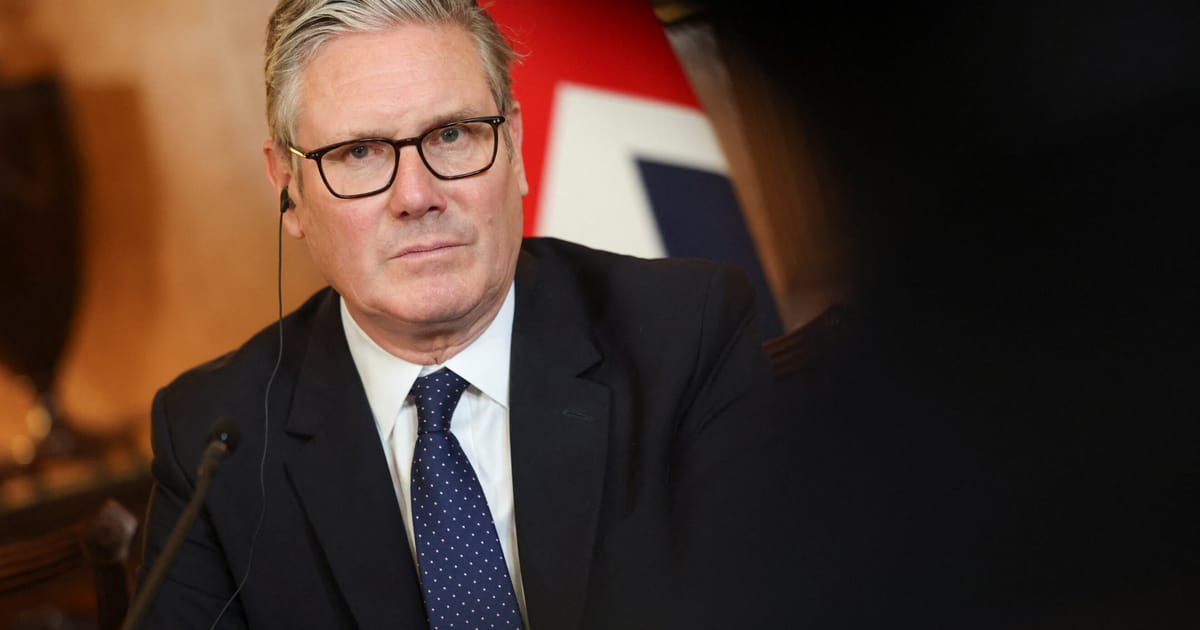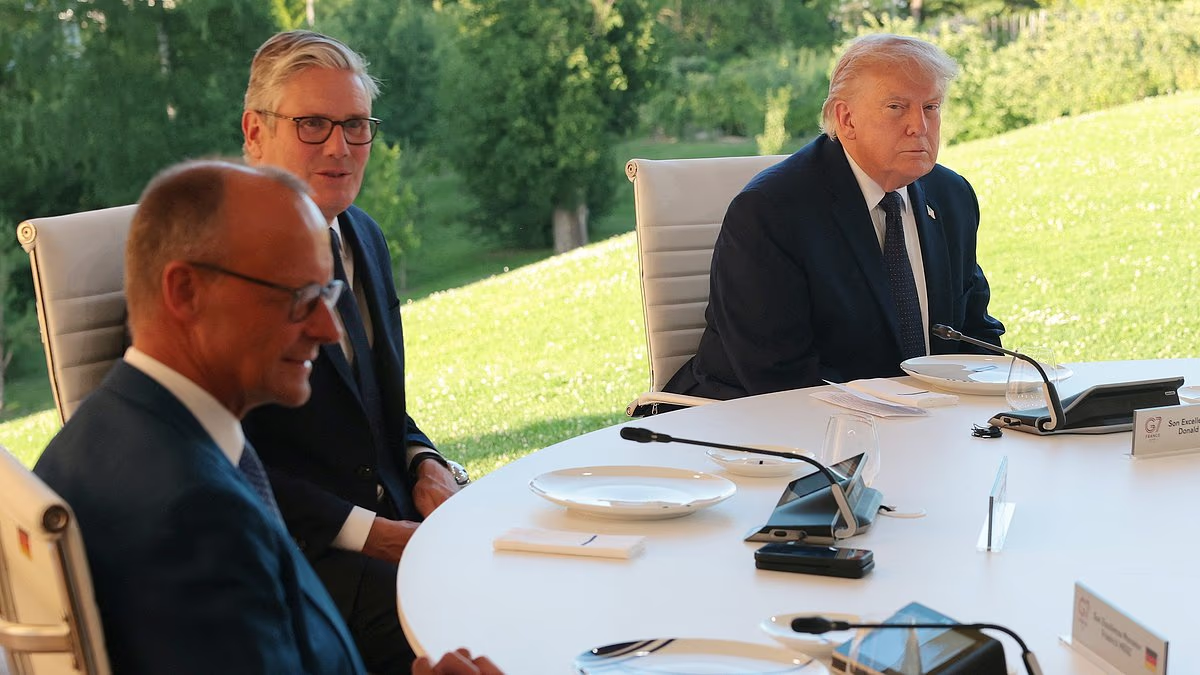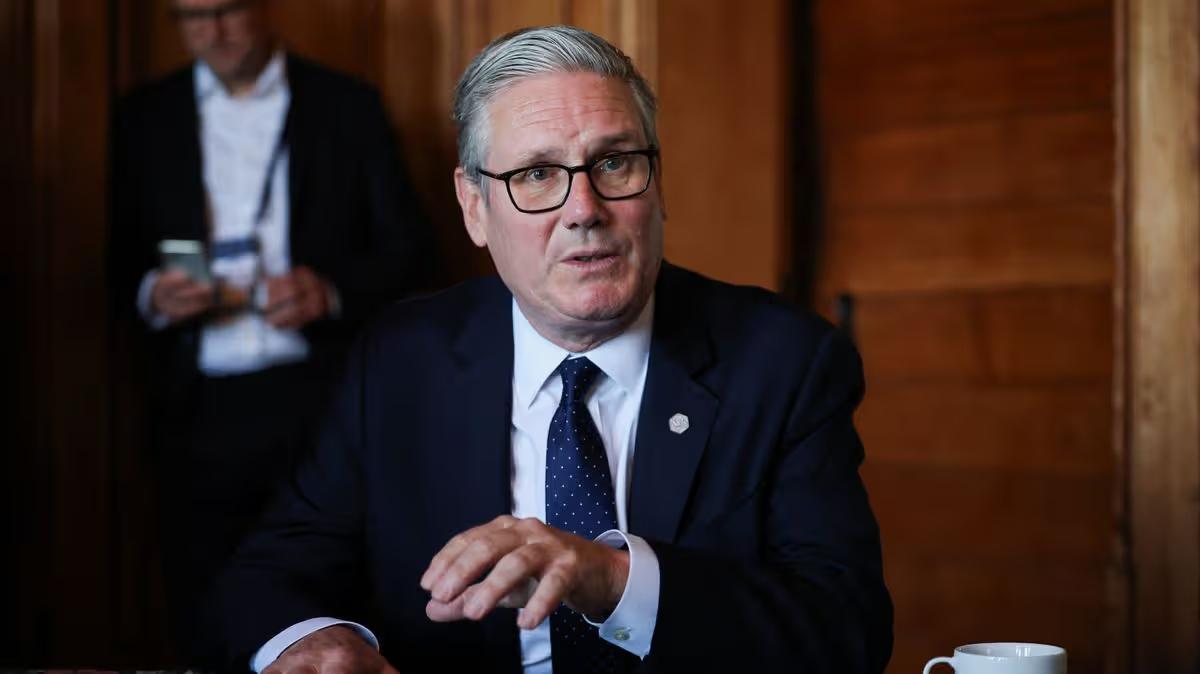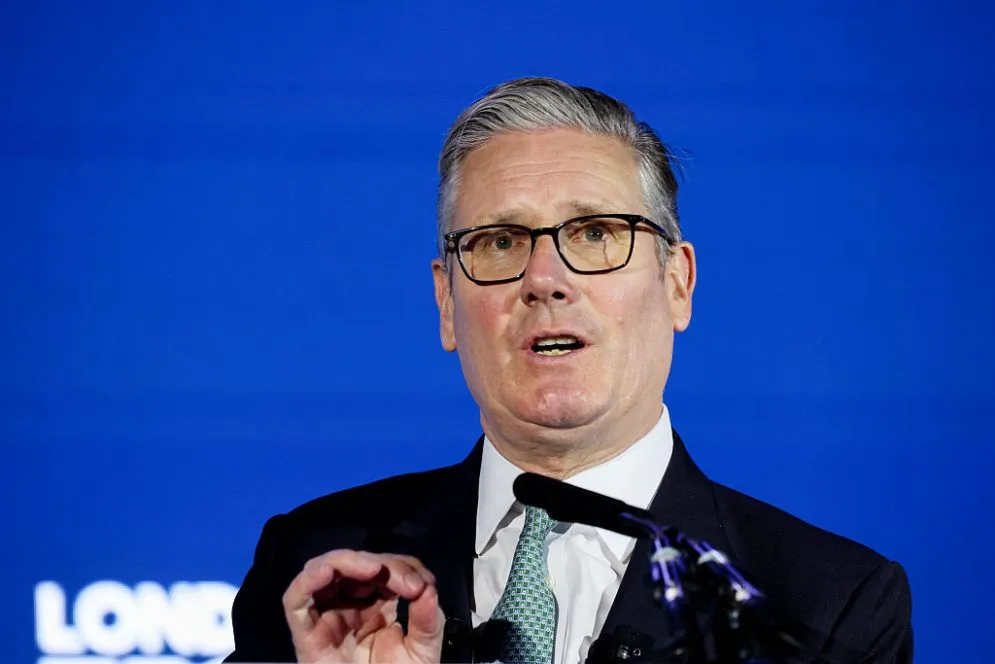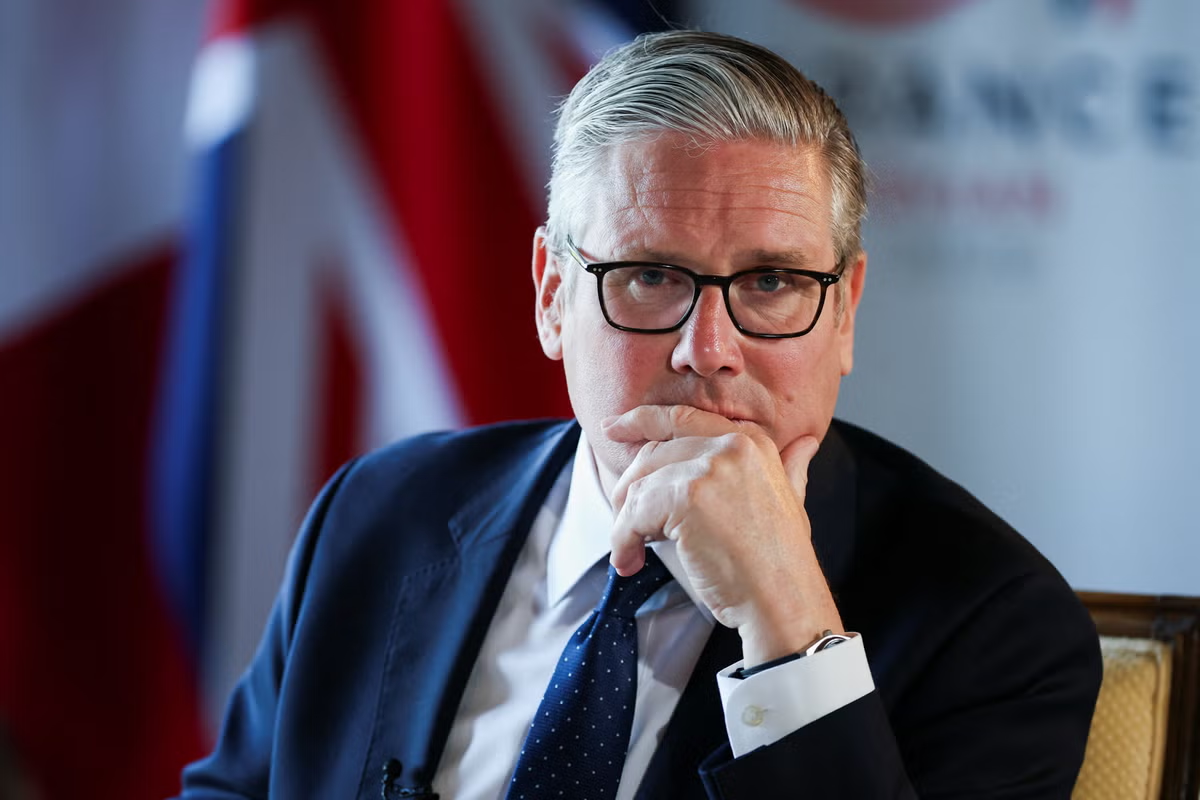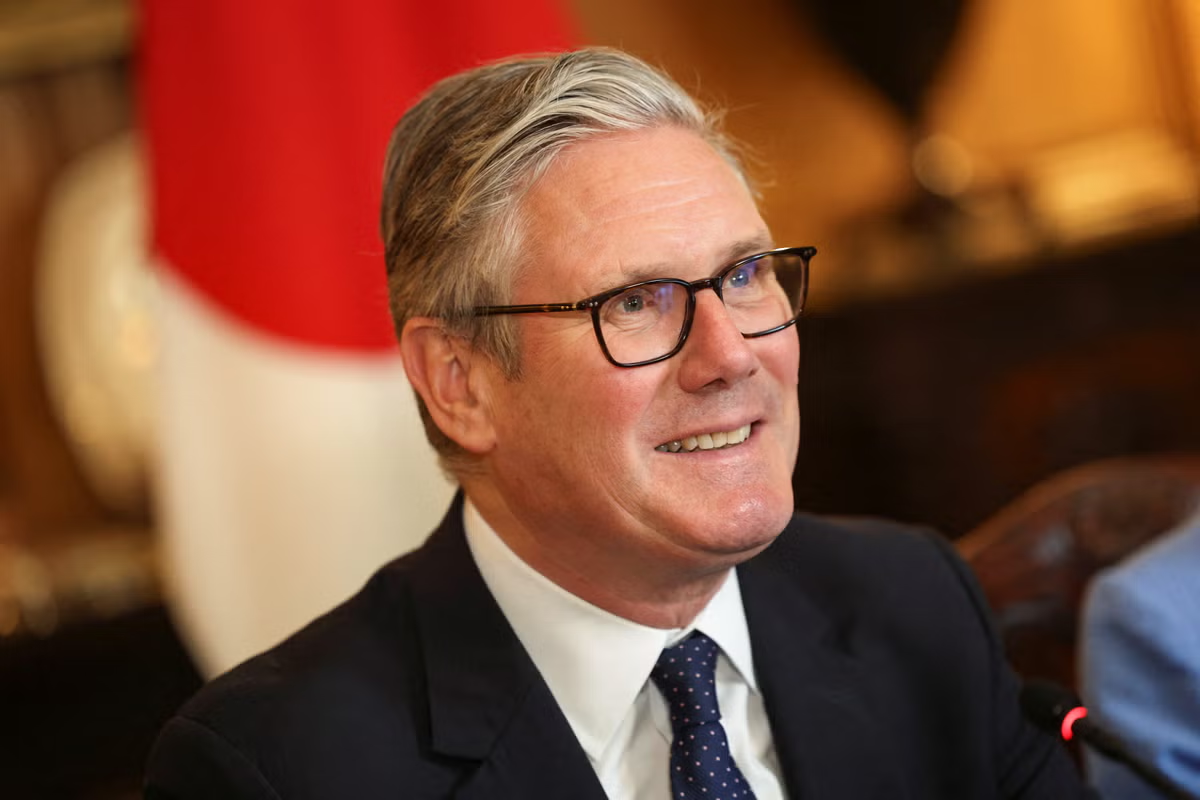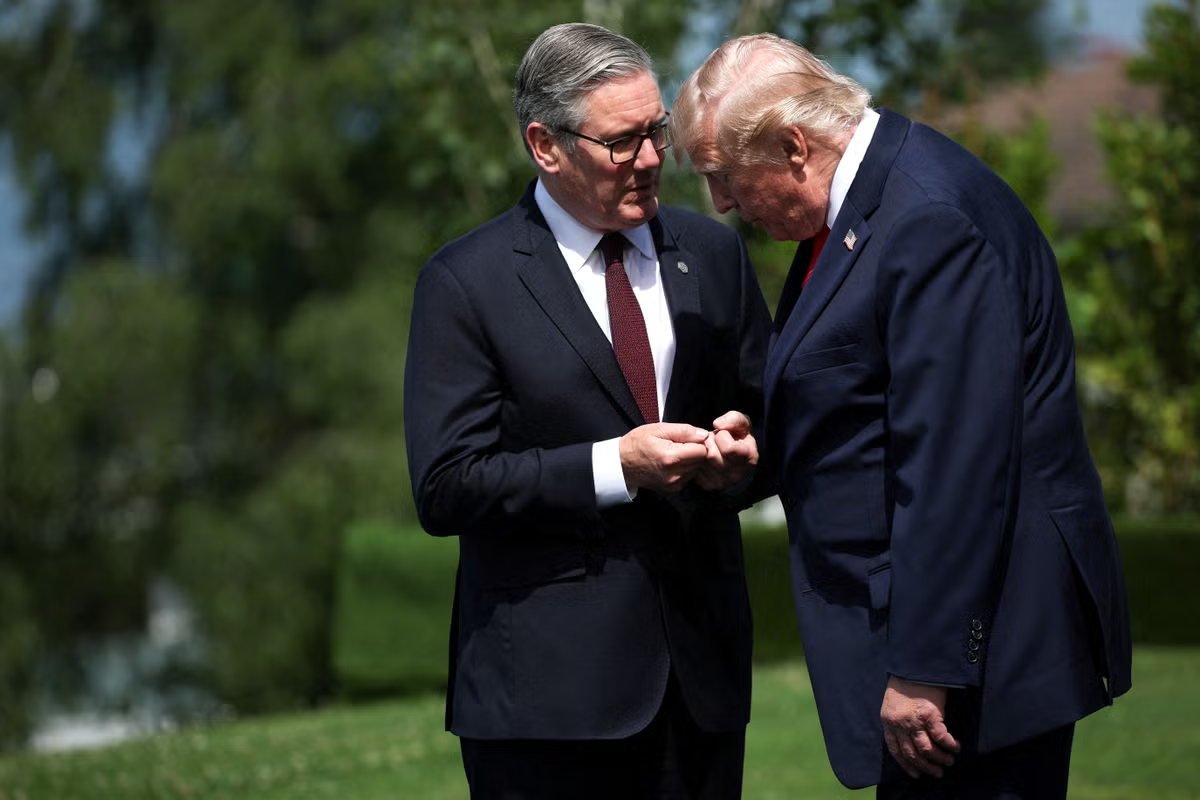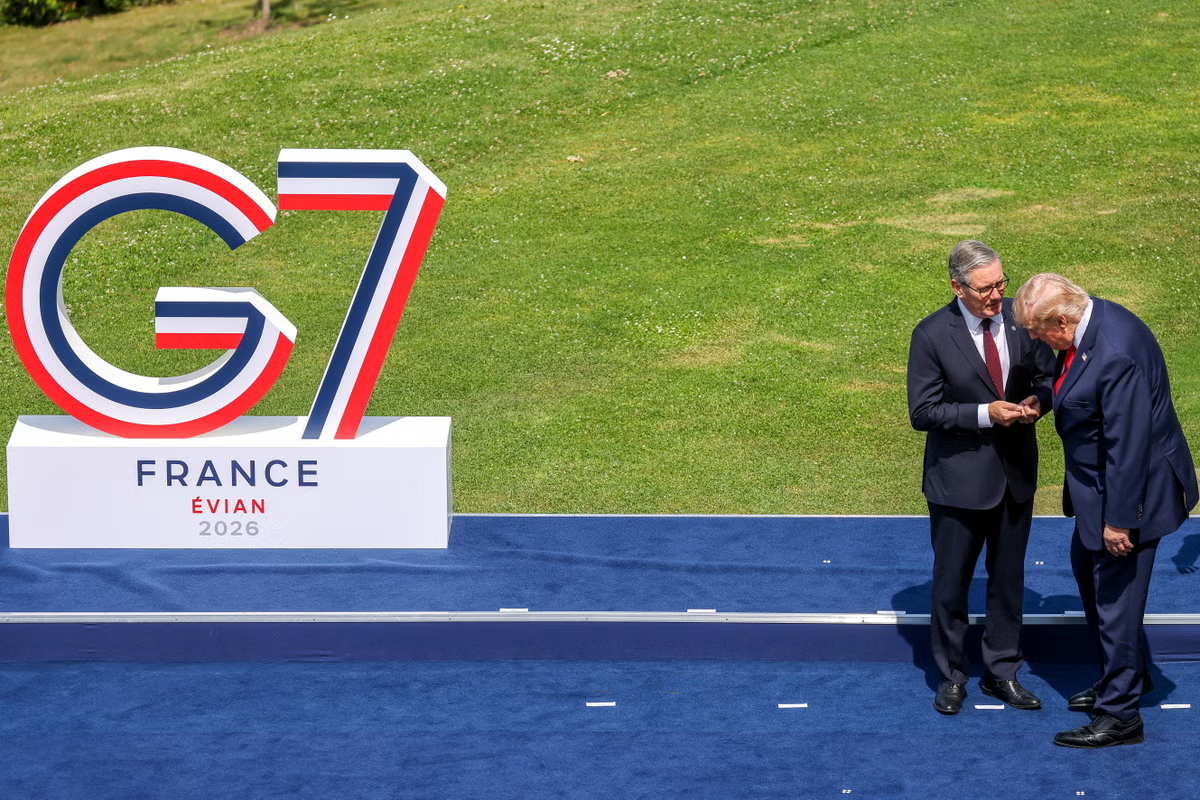
Not since Margaret Thatcher attended a celebratory international conference in Paris to mark the end of the Cold War has a British prime minister with such a precarious hold on power attended a major summit. That was the fate of Sir Keir Starmer on Tuesday at the G7 in Evian. Back in November 1990, Thatcher was midway through a disastrously run campaign to retain the Tory leadership when she defiantly proclaimed: “I fight on, I fight to win.” She’d already failed to carry enough support among MPs to see off her challenger, Michael Heseltine, and was looking forward to the next round of voting. Inevitable as her fall was to prove, she plainly didn’t want to go quietly.Nor, it would seem, does Sir Keir. More prosaic than his predecessor, Sir Keir seems no less determined to go on and on, pointing out how often his critics had underestimated him before: “Wrong every time, and that’s why I intend not to walk away from this but carry on with what I was elected to do and bring about the change that people desperately need in their lives.”Then, as now, a British prime minister is on the world stage having to answer questions about their own future at home as their enemies plot. The contrast was thrown into further sharp relief for Sir Keir as his former defence secretary and his former armed forces minister, John Healey and Al Carns, respectively, told the Commons why they had resigned their positions last week. While the prime minister was engaged in earnest discussions with other G7 leaders on the shores of Lake Geneva, these two well-respected former loyalists to Sir Keir described the extent of their disappointment in the prime minister for not putting the national interest – the defence of the realm – at the forefront of its priorities (a point underscored by reports of Russian warships firing weapons in the Channel).Resignations on matters of principle are rare in modern times, and all the more powerful and damaging for that. It has to be said that they are only echoing what Donald Trump and others will be saying in Evian, almost simultaneously.All of that is mere prologue to the Makerfield by-election. Unless the pollsters are very wrong, by this time next week Andy Burnham will be back in parliament. Then, depending on which source is to be believed, either launching an immediate leadership challenge, asking the prime minister for an orderly transition of power, or making badly needed progress on his personal manifesto and actual plans for government. If Sir Keir ended up under-delivering on the “change” agenda promised in the Labour manifesto, it would ill serve his party and the nation if Mr Burnham repeats the mistake. Even at this stage, questions are being raised about Mr Burnham’s sketchy ideas about economic growth, migration, Europe, welfare reform, public ownership and much else. Sometimes, Mr Burnham indicates he wants a radical approach, only to row back. At other times, his camp has let it be known that he’d like to keep Rachel Reeves’s fiscal rules and Shabana Mahmood’s immigration reforms – and even retain these ministers in post. In which case, one wonders what “change” Andy Burnham would bring?Sir Keir isn’t able to play the “Trump card” any longer in foreign affairs, because his unlikely “bromance” with the president has long since soured. Yet he did make the right calls on the wars in Iran and Ukraine. Mr Burnham has yet to prove that he possesses superior judgement to the incumbent on foreign policy and defence. To put it bluntly, Mr Burnham will need more than soft-left vibes to convince the country that he has the answers, even if his party likes the sound of northern soul emanating from Wigan. In Westminster, the gossip – there is no better word for it – is that Sir Keir’s wife Victoria has reinforced his determination to carry on. The word “stubborn” comes easily to mind when describing the prime minister’s temperament. Boris Johnson used to liken him to a bollard, which was meant as an insult – but at the moment feels much like more of a compliment, an essential quality for survival against the odds. The prime minister has said repeatedly that he will not “walk away” and makes frequent reference to his parliamentary landslide (less so the popular vote) and his “five-year mandate”. Perhaps it is just a bluff, but if he does fight on against Mr Burnham and, possibly, Wes Streeting, then the government and the country will be distracted for some weeks at least, just as was the case when the Conservatives indulged themselves in 2019 (Mr Johnson) and in 2022 (Liz Truss). Both were elections in which the rest of the British people were excluded. In such circumstances, it is incumbent on Mr Burnham, and others, to describe with convincing detail just how it is that they will turn the fortunes of the country around when they will face precisely the same challenges – and lack of resources – that Sir Keir has had to grapple with. That, and not finding 80 disgruntled Labour MPs to sign a nomination form, should be the real benchmark for the UK to be changing prime minister for the fourth time in as many years.
Keir Starmer is showing he will not go down without a fight
Editorial: Whoever succeeds the prime minister must prove that they can deliver the change he has been unable to muster
881 words~4 min read