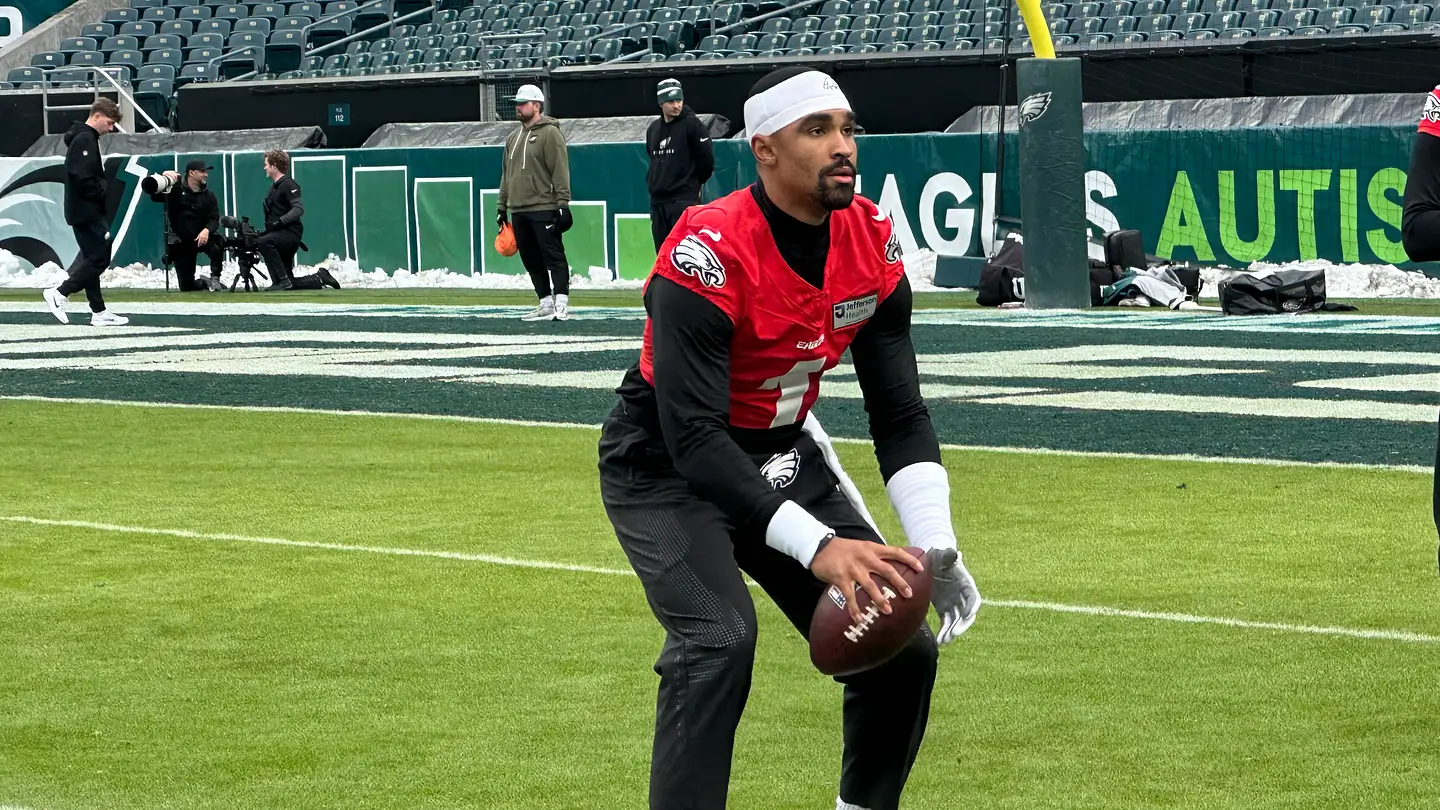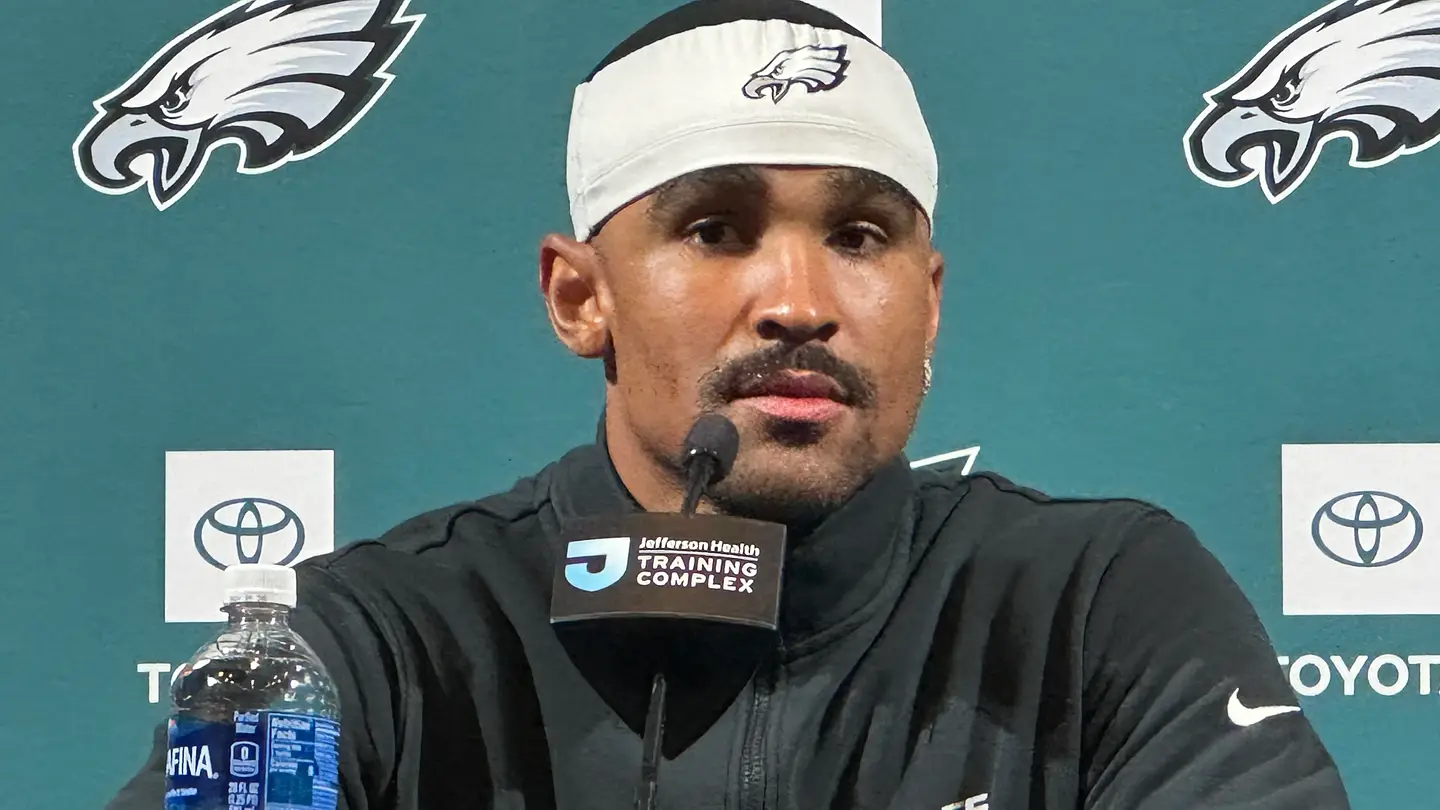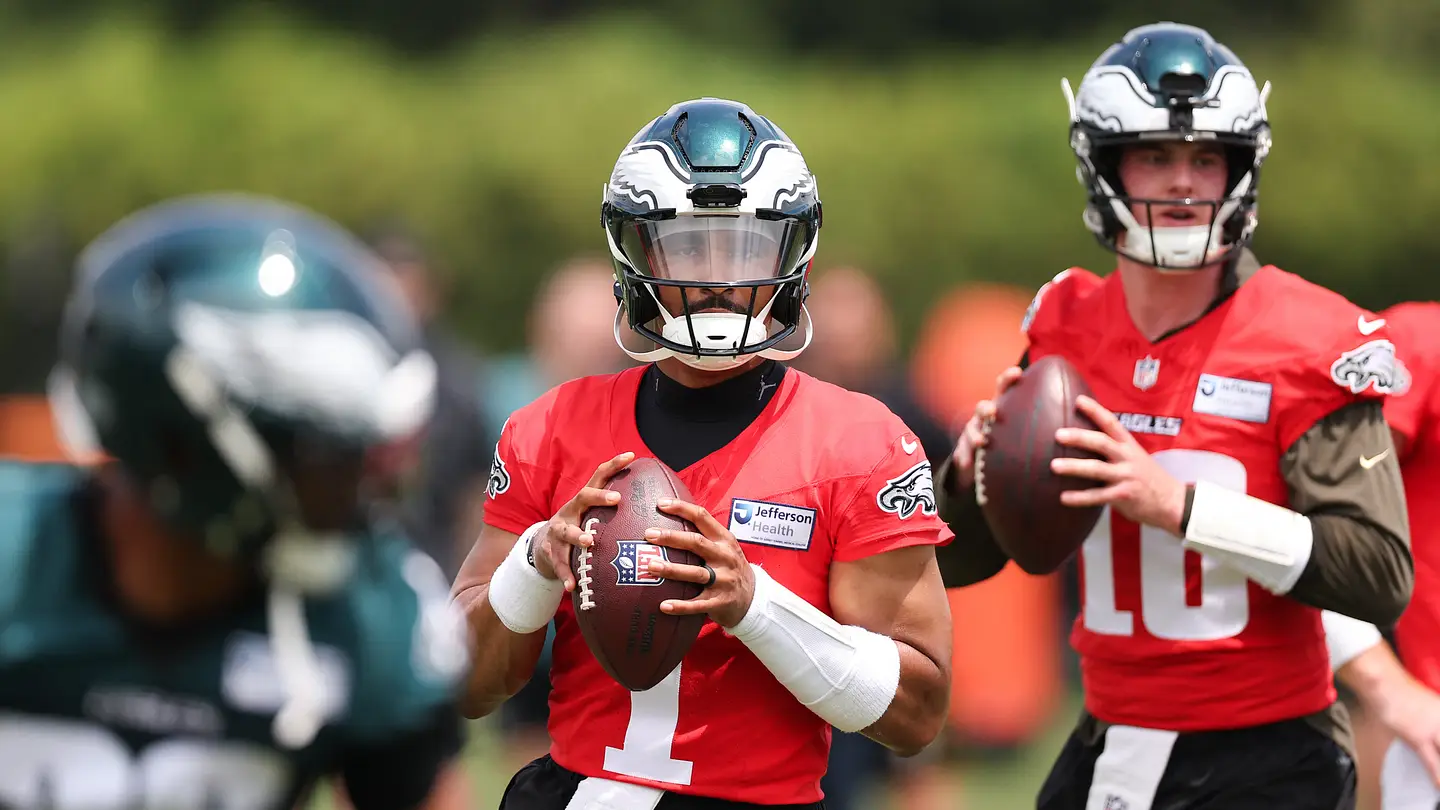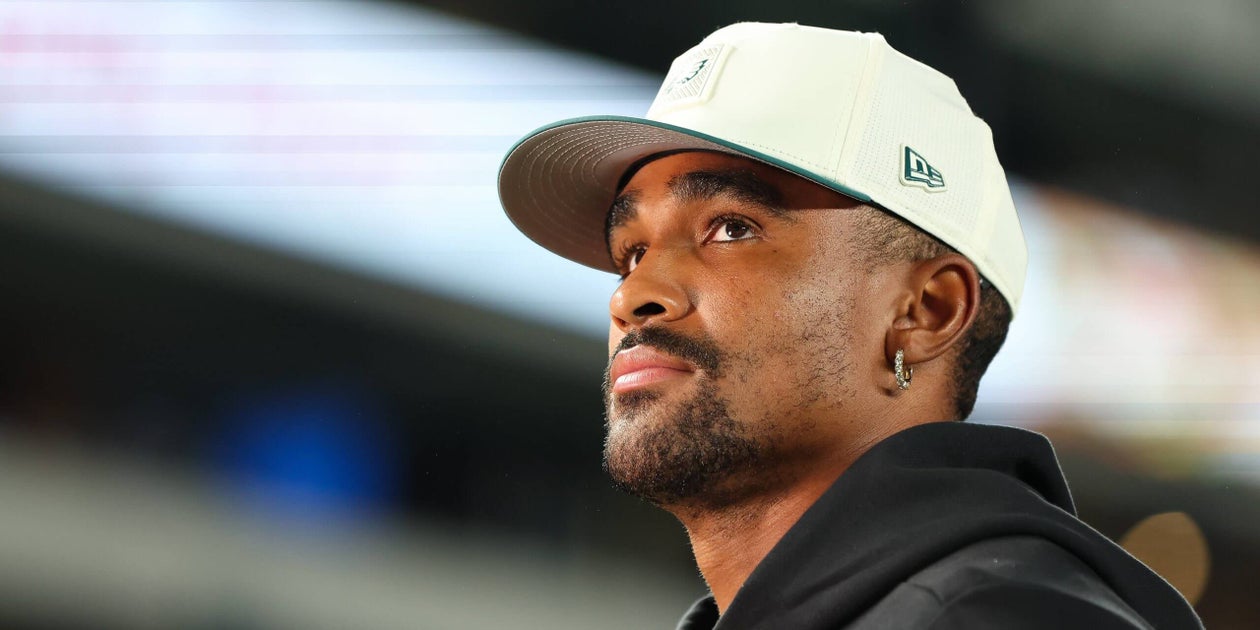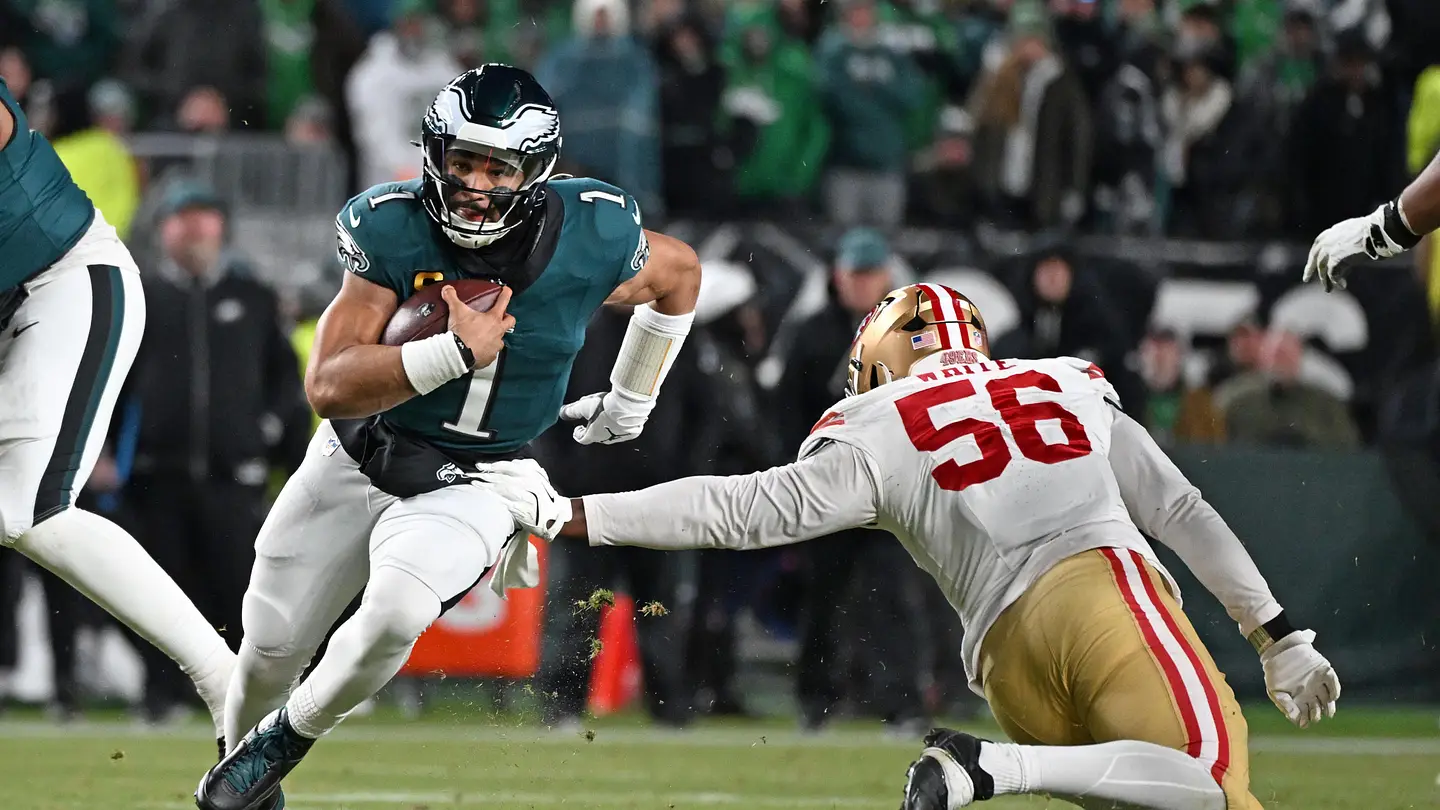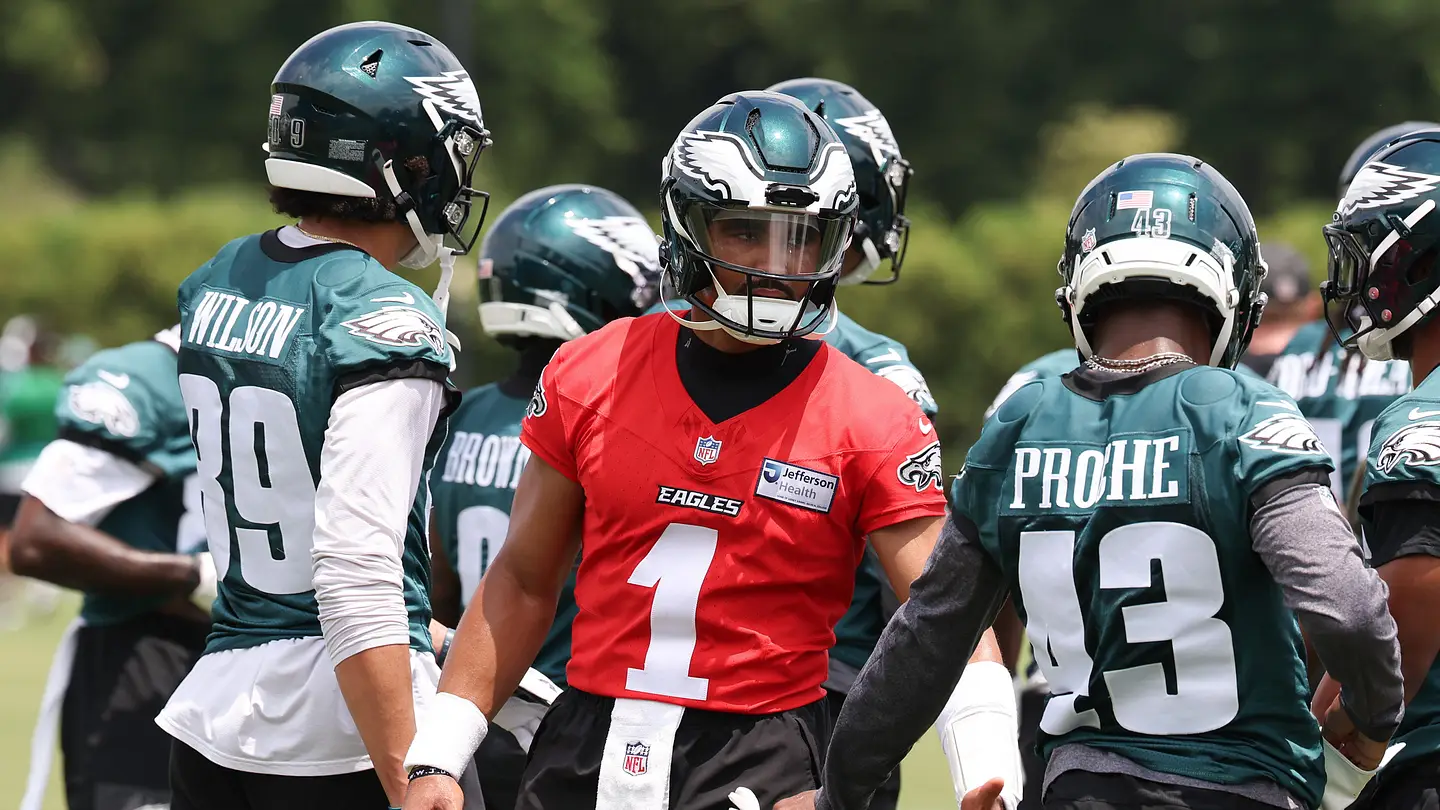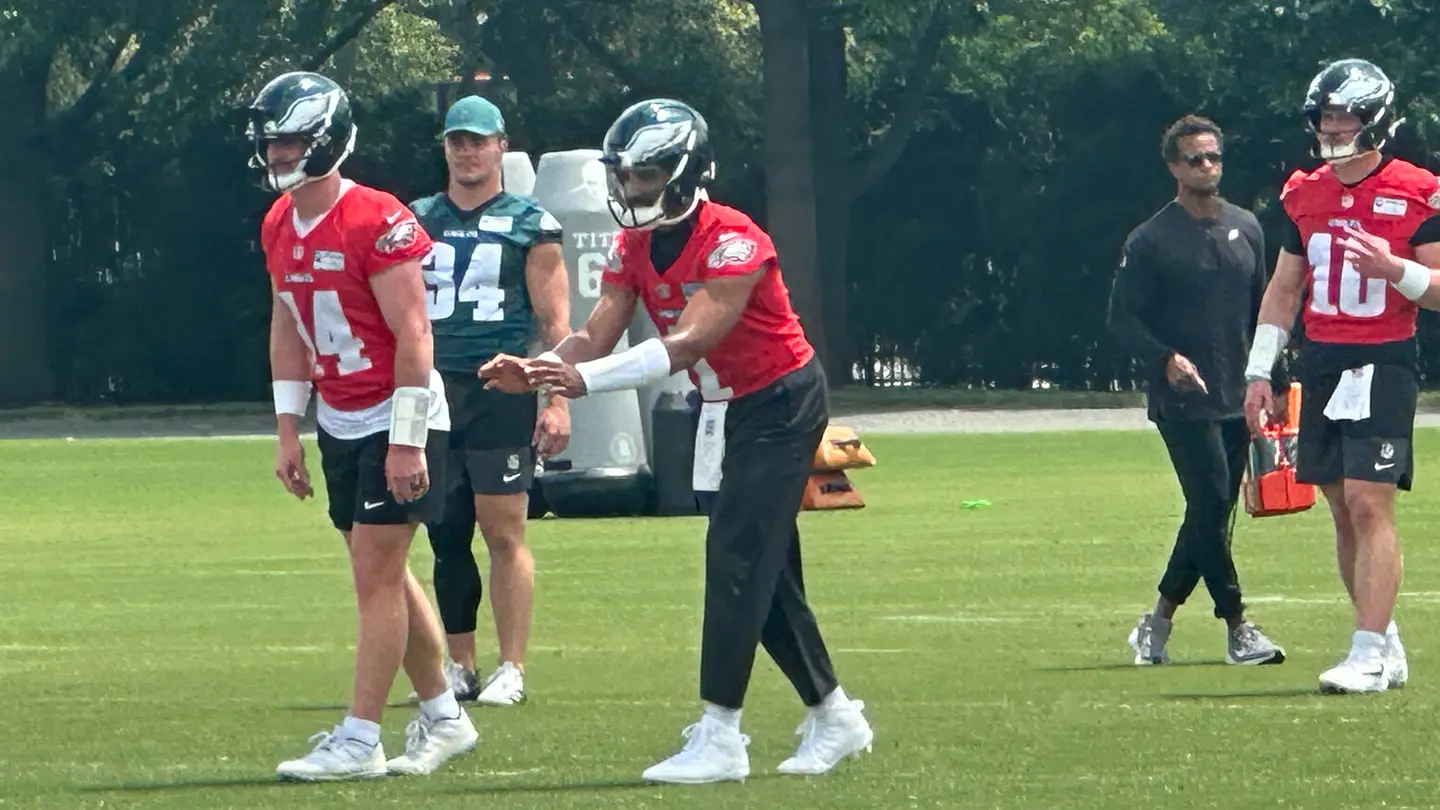
PHILADELPHIA — There is always opportunity in transition. In the NFL, where quarterbacks often carry the burden of franchise expectations, Eagles signal-caller Jalen Hurts enters the 2026 season in what’s been described as a crossroads. After a 2025 campaign marked by an offensive regression, particularly in the passing game, internal frustrations, and questions about a stagnant scheme resulted in a significant overhaul with a new offensive coordinator and other supporting staff changes. At the heart of the reboot is a forward-looking approach over one tethered to the nostalgia of five consecutive postseason berths, two recent Super Bowl appearances and a Lombardi Trophy. Perhaps that sentiment was best articulated by new quarterbacks coach Parks Frazier, who was asked about his approach to mentoring Hurts. "The same as I would approach any quarterback,” Frazier said. “We focus on where we're headed, not necessarily where things have been.” The Eagles' offense under previous coordinator Kevin Patullo slipped from efficient to underwater, faltering when the run game led by Saquon Barkley was bottled up. The lack of success on the ground only amplified a passing attack that had been growing predictable and less effective for years. Tensions mounted, including Hurts pushing back on certain adjustments like increased under-center work, contributing to what ESPN called a "calcified" system with limited creativity. The Sea ChangeEagles QB coach Parks Frazier works with Cole Payton. | John McMullen/Eagles On SINow, Sean Mannion, an inexperienced young coach influenced by mentors like Sean McVay. Kevin O’Connell and Matt LafLeur, is installing a more motion-heavy, play-action-oriented system that emphasizes rhythm, timing, pre-snap disguise, and marrying the run and pass together more fluidly. The expectation is more outside zone concepts, intermediate throws, and an offense designed to create yards after catch while leveraging Hurts' athleticism and deep-ball accuracy. The early returns in the spring could be generously described as a work in progress. All the Eagles’ QBs, absent veteran Andy Dalton, who himself struggled with a declining skill set, were hesitant as the new system started to be installed. Off the field, though, Hurts was invested in the changes, understanding he was being allowed time on task with the new concepts, a 180 from last season when things were tried without enough practice time to grow comfortable.The Eagles’ QB1 has praised the intention behind Mannion’s approach and the young OC’s ability to explain the “Why?” behind his beliefs. There are conflicting signals in the change of the offense, though. Hurts has long thrived in a run-first, quarterback-driven system that played to his strengths as a dual-threat. Adapting to more under-center work, structured timing throws, and a rhythm passing game is a steep ask at this stage in his career. What the offense shouldn't be is an attempt to erase Hurts' identity as a player in favor of a different style of play. It needs to be about expanding it. “I've had the opportunity to work with a lot of different quarterbacks and seen a lot of different ways to do it,” Frazier said. “And so, you just kind of focus on, ‘okay, this is where we're going to head, this is how we're going to get there,’ and then you work together with that."Add us as a preferred source on GoogleFollow
Opportunity in Transition: Jalen Hurts and the Eagles’ Forward-Focused Offensive Reboot
PHILADELPHIA — There is always opportunity in transition. In the NFL, where quarterbacks often carry the burden of franchise expectations, Eagles signal-caller
539 words~2 min read