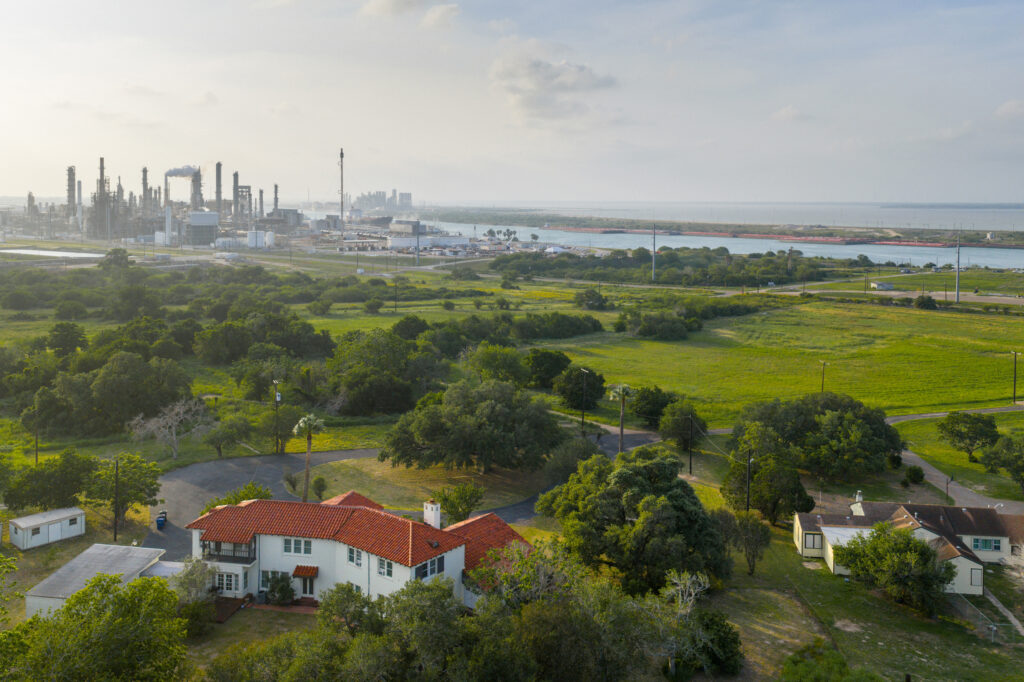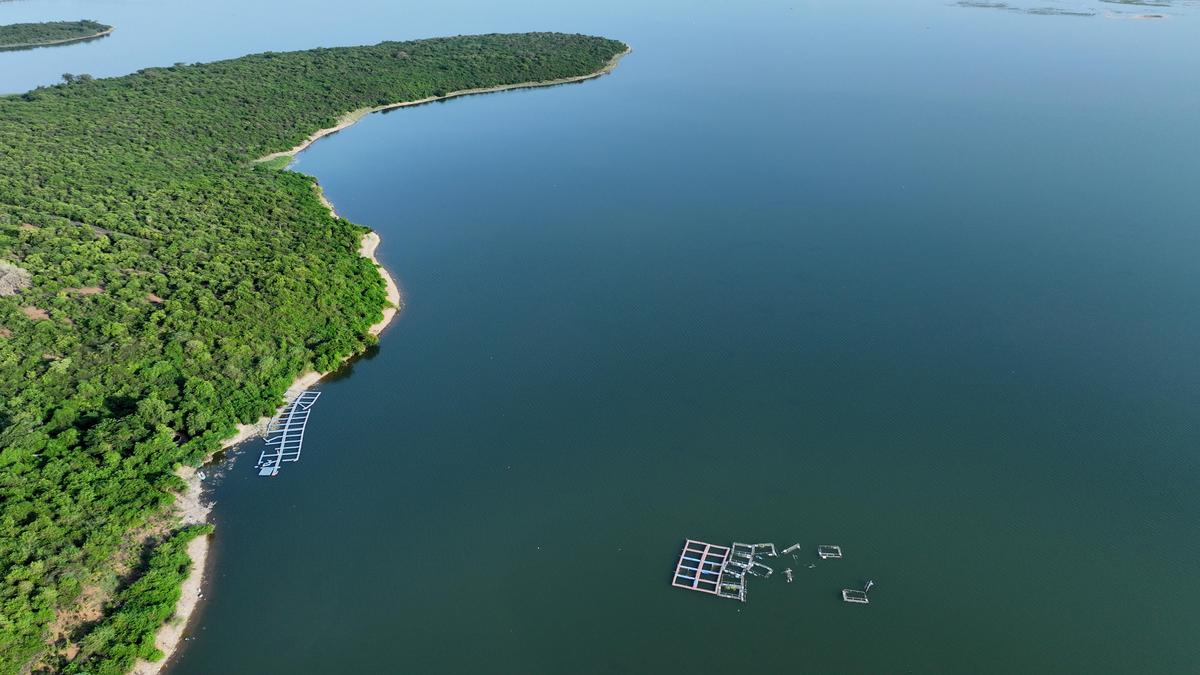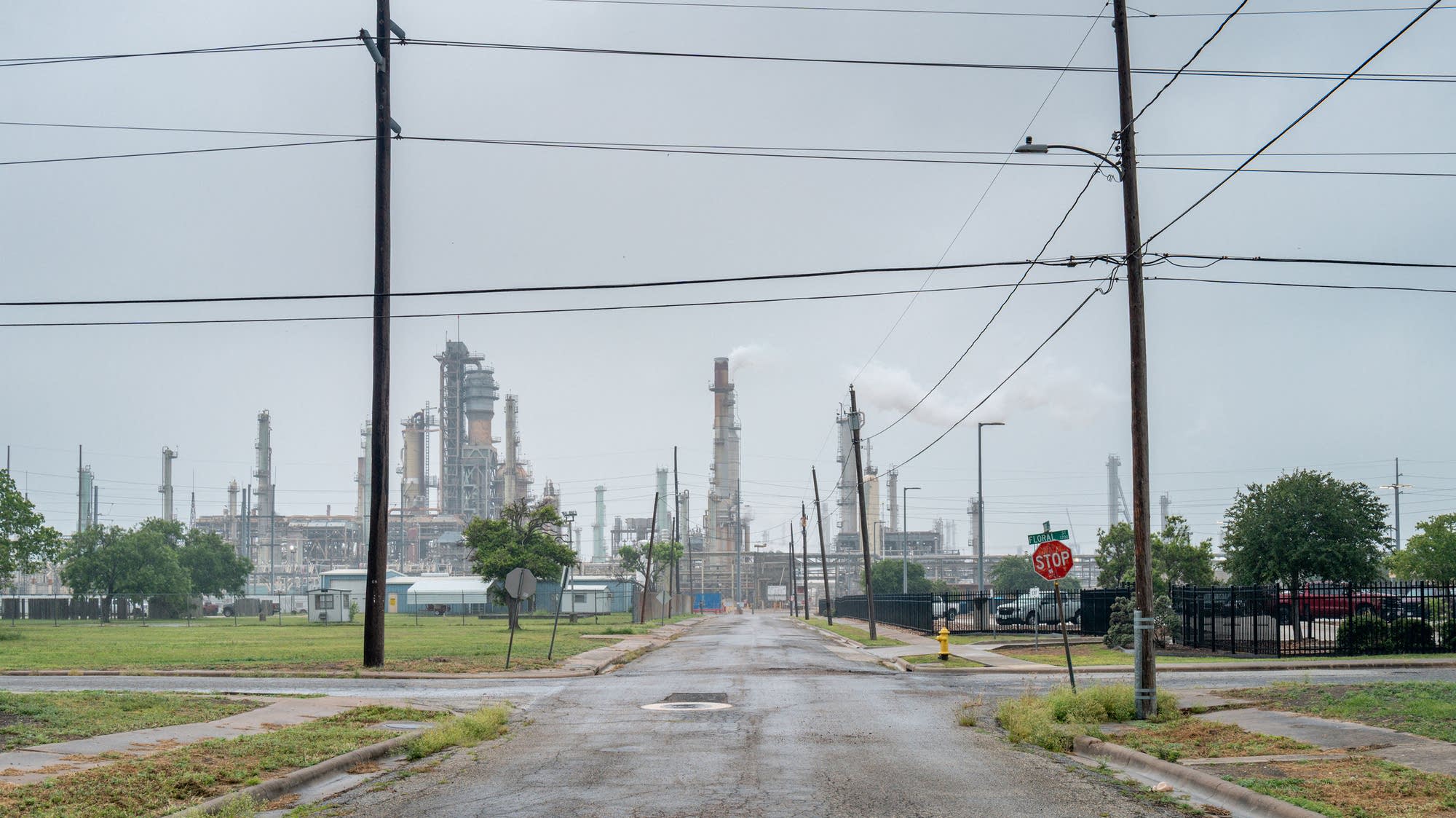
Corpus Christi could soon face widespread water curtailment as its water supply dwindles. One controversial, long-term solution to its water problems was the center of public debate at a June city council meeting.Dozens of speakers showed up to protest a new desalination plant that would produce 30 million gallons of fresh water daily. “We are told by city leaders that Corpus Christi must continue growing because industrial expansion is inevitable,” said Armon Alex, a local climate activist. “But very rarely are we asked a different question about growth for whom?”The majority of speakers opposed building a new desalination plant in Corpus Christi’s inner harbor. Some spoke in favor of the project. “The Inner Harbor Desalination Project represents our best opportunity to drought-proof our water supply,” said Sarah Tindall of the Corpus Christi Regional Economic Development Corporation. The debate reflects a broader question facing the sleepy beach city and energy export hub, which has seen significant industrial growth: how to affordably secure new water supplies during a historic drought while minimizing environmental impacts. Carrie Meyer, who owns a kayaking business in Corpus Christi, is open-minded about desalination in general but opposes the Inner Harbor Desalination Project. For one, the city needs water now. “The Inner Harbor is a long-term project. [It’s] not going to solve our problem overnight,” she said. Understanding desalinationFrom March 2025: Drinkable seawater? One company in drought-plagued SoCal is trying a new approachFrom November 2023: How technology can help solve the water crisis in the WestFrom June 2022: One way out of a drought? Technology that makes water potable.Meyer, who lives near the water on Corpus Christi Bay, said she worries about the brine sent back into the bay after the desalination process. “They're sucking all the fresh water out, and they're putting the salt back in, so that salt can raise the level of the salt in the water. And that's bad for fish.”She said the environmental studies so far aren’t comprehensive enough to know the full impacts. She’s part of a committee at the city seeking more data. “It can be a really serious environmental disaster,” she said. “What will that do to my business? What will that do to tourism as a whole?” Jason Hale with the local Sierra Club agrees and said the bays are already salinity-stressed. “So we shouldn't be making that worse by doing desalination in the bay,” Hale said. Hale noted that while it’s industrial users who have driven demand growth for water, the cost is being spread among everyone.Water bills are expected to increase both for residents and industrial users if the desalination project goes through. Above, the Choke Canyon Reservoir on May 7. Corpus Christi relies heavily on the Choke Canyon Reservoir for water supply. The reservoir's water levels continue declining due to prolonged drought.Brandon Bell/Getty ImagesHale points the blame at outdated planning and not industry for the water issues, but said industrial users should have to pay for new desalination projects, and that those plants should be located further in the ocean, away from the bay. “It makes sense to do it offshore and to make them pay for it and then call it a day,” he said. As for the industrial sector, Kent Britton, CEO of the Port of Corpus Christi, said the city’s water problems are already holding back investment from new companies. “We have had a couple that were very favorable to come in here in past years, who ended up making a decision not to because of the dwindling water supplies,” Britton said. “And we'll have more.”He said desalination plants — which are becoming increasingly popular around the world — are a good option. He expects one day these plants will be located across the Texas coast. “It's the only way you're going to be able to continue to grow, because surface water by itself is unpredictable,” he said. But Corpus Christi isn’t there just yet. City Council voted to delay its decision to move forward with the inner harbor desalination project until fall. By then, Corpus Christi could be even closer to imposing widespread water restrictions on businesses and residents.
Corpus Christi is running out of water. One solution worries environmentalists.
Corpus Christi’s water supply is reaching crisis levels, yet many residents are resistant to one of the long-term solutions: a desalination plant.
687 words~3 min read