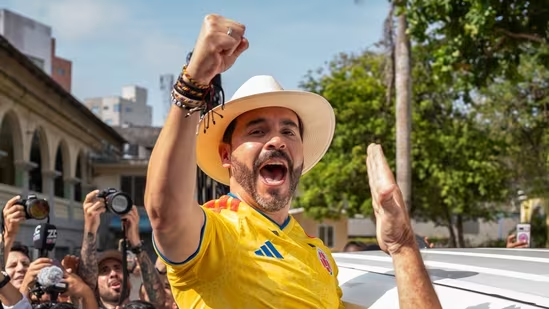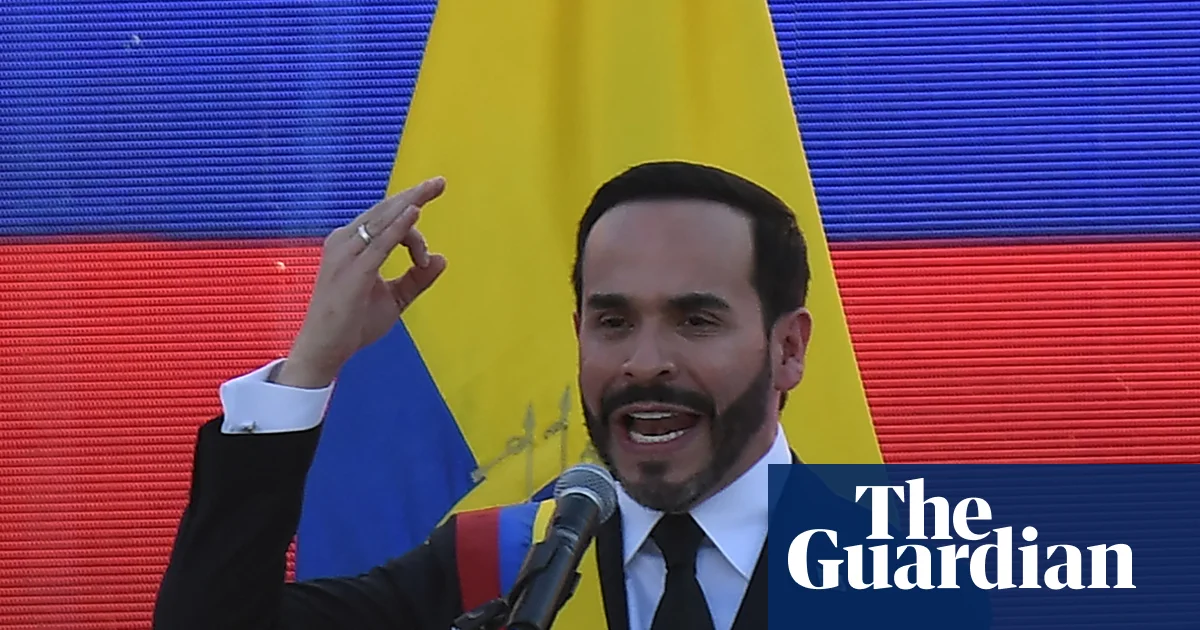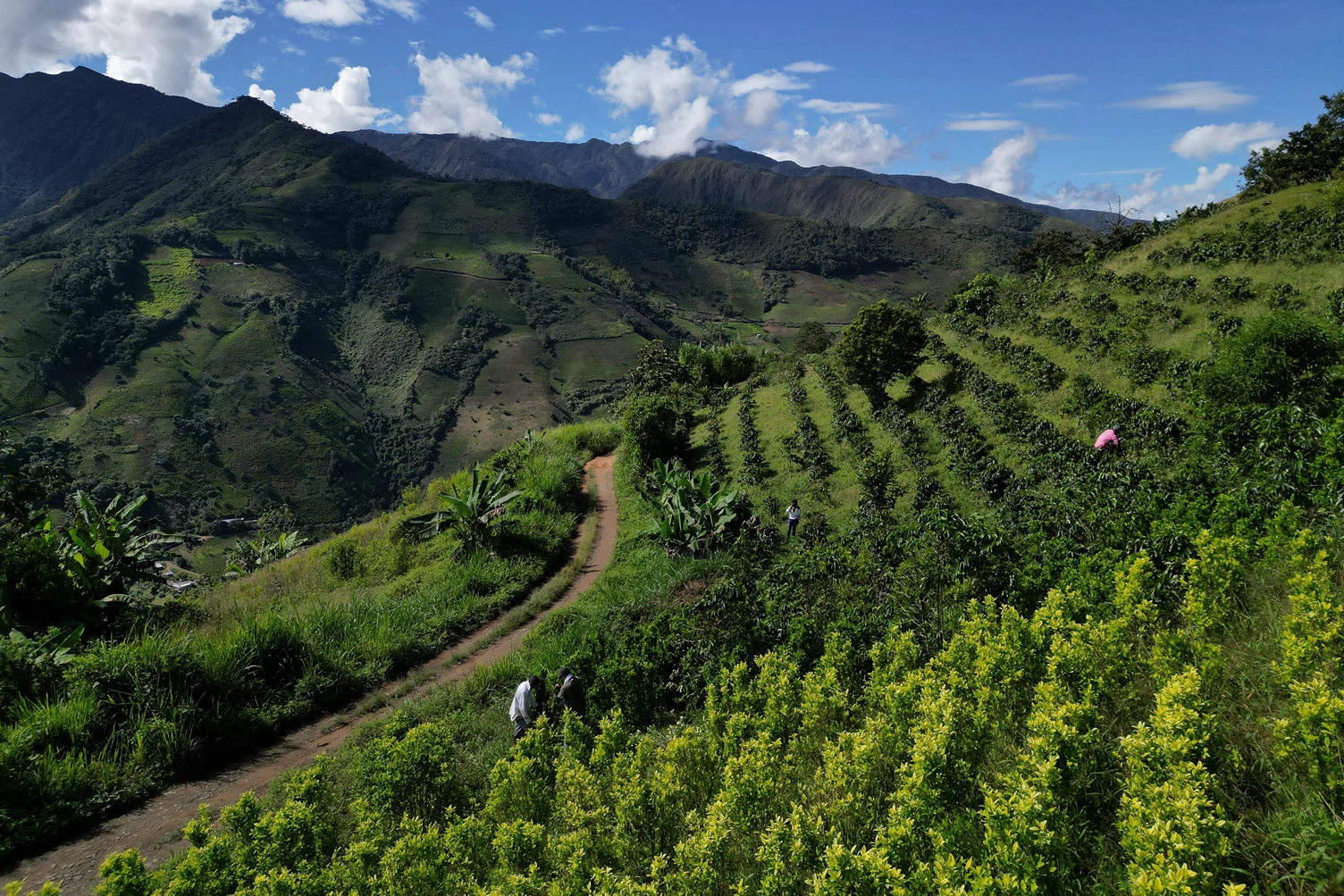
On June 21, Colombia will hold a run-off presidential election. The two candidates, Abelardo de la Espriella and Iván Cepeda, are from opposite ends of the ideological spectrum and represent distinct approaches to fighting the drug war. Conservative outsider de la Espriella would be a hard-liner on crime, having vowed to build mega-prisons similar to what El Salvadoran President Nayib Bukele has done in his country. In contrast, Cepeda, an ally of current President Gustavo Petro, would continue the policy of “total peace,” appealing to ideological and criminal groups to come to the negotiating table, disarm, and demobilize. Who wins and whether Colombia can control rampant drug production matter greatly to both Colombia itself and the United States.
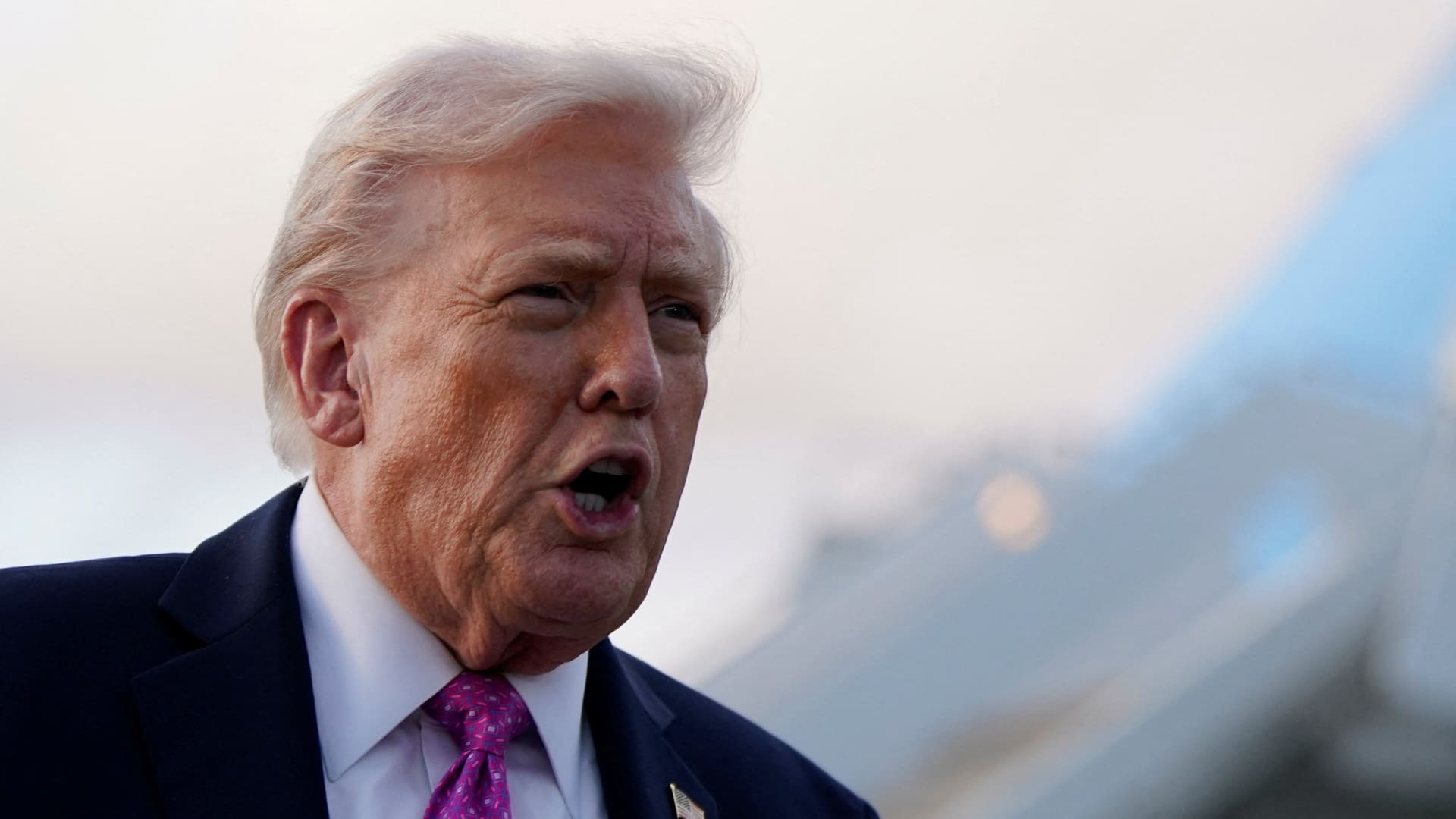
Stopping what the White House dubbed “narcoterrorism” from Latin America was an early focus of the Trump administration’s foreign policy. Under current president Petro, Colombia’s cocaine production has greatly increased, as his administration reduced forced eradication efforts, which led to more hectares under cultivation while the cocaine industry achieved higher productivity per hectare. Last September, the United States decertified Colombia as a drug control partner and began an ongoing military campaign to strike suspected drug smuggling boats in the Caribbean and eastern Pacific.