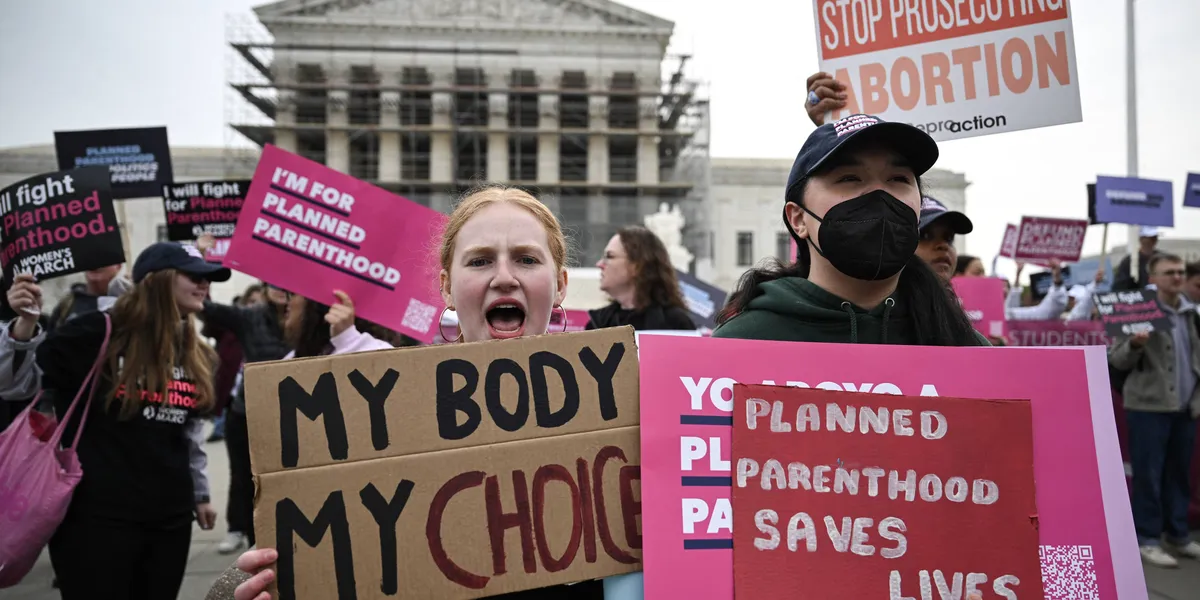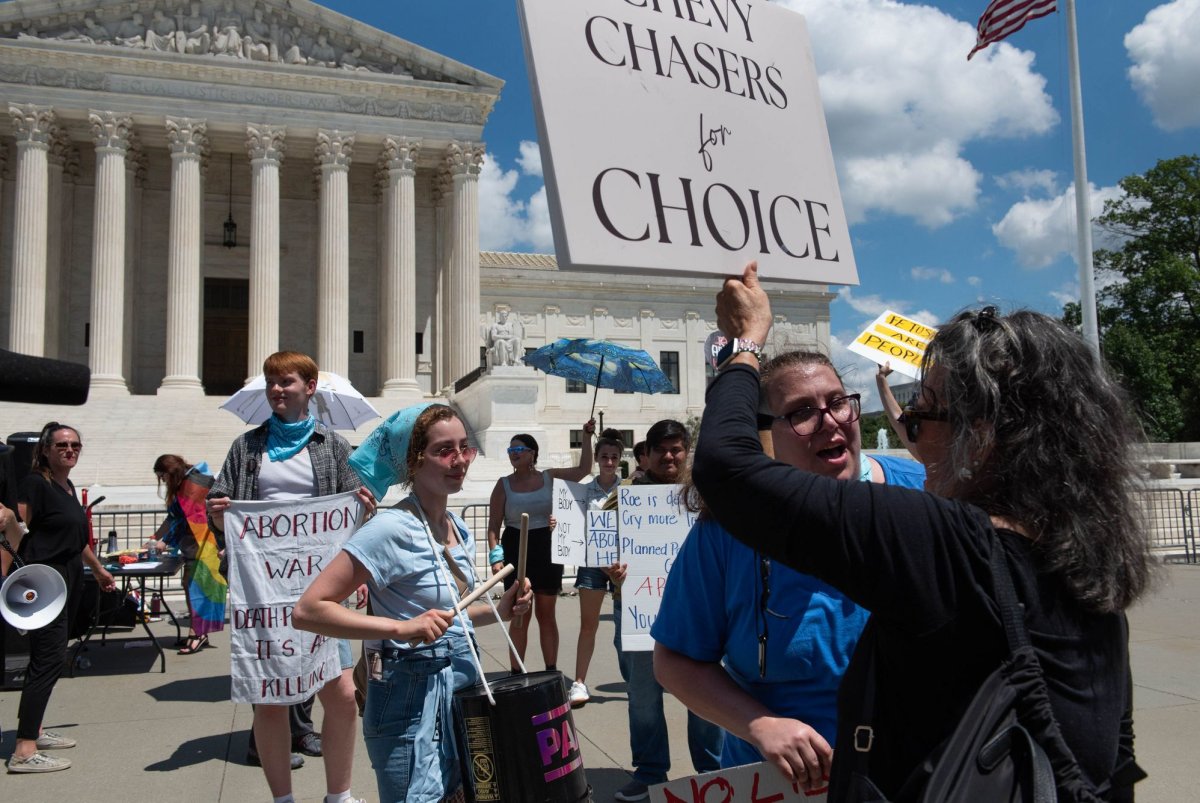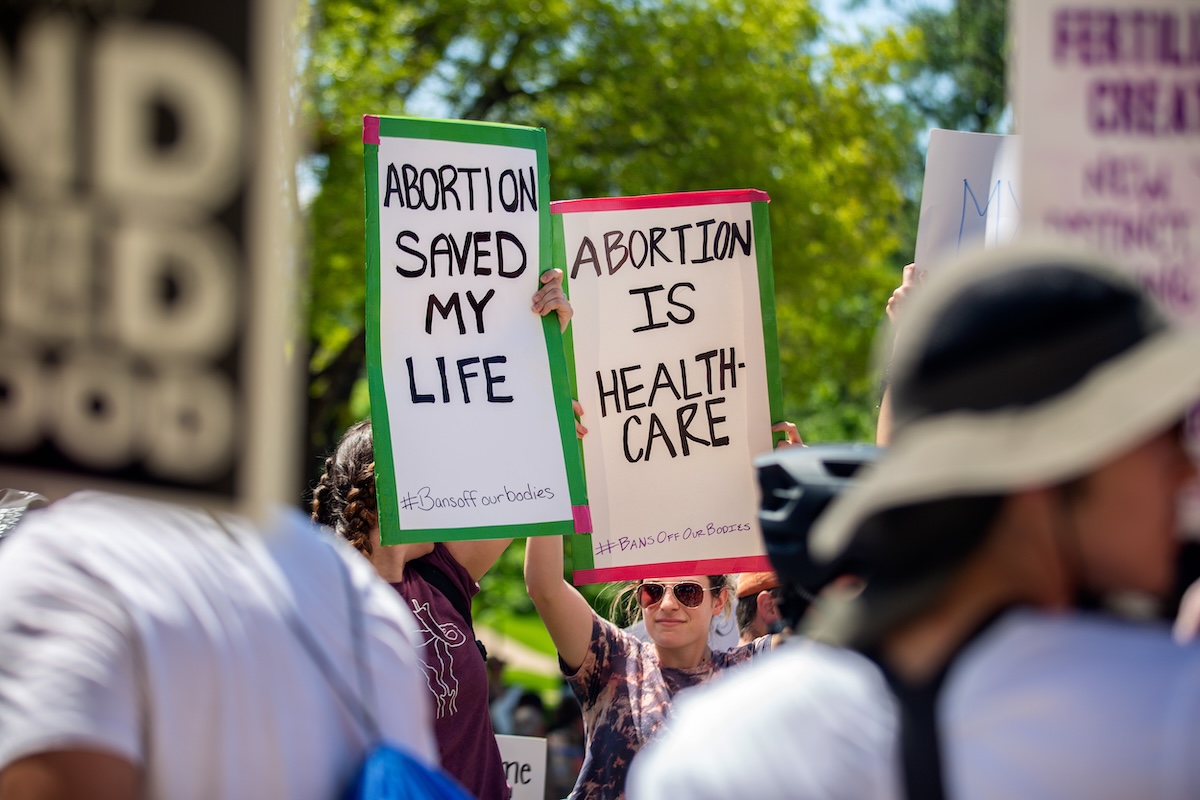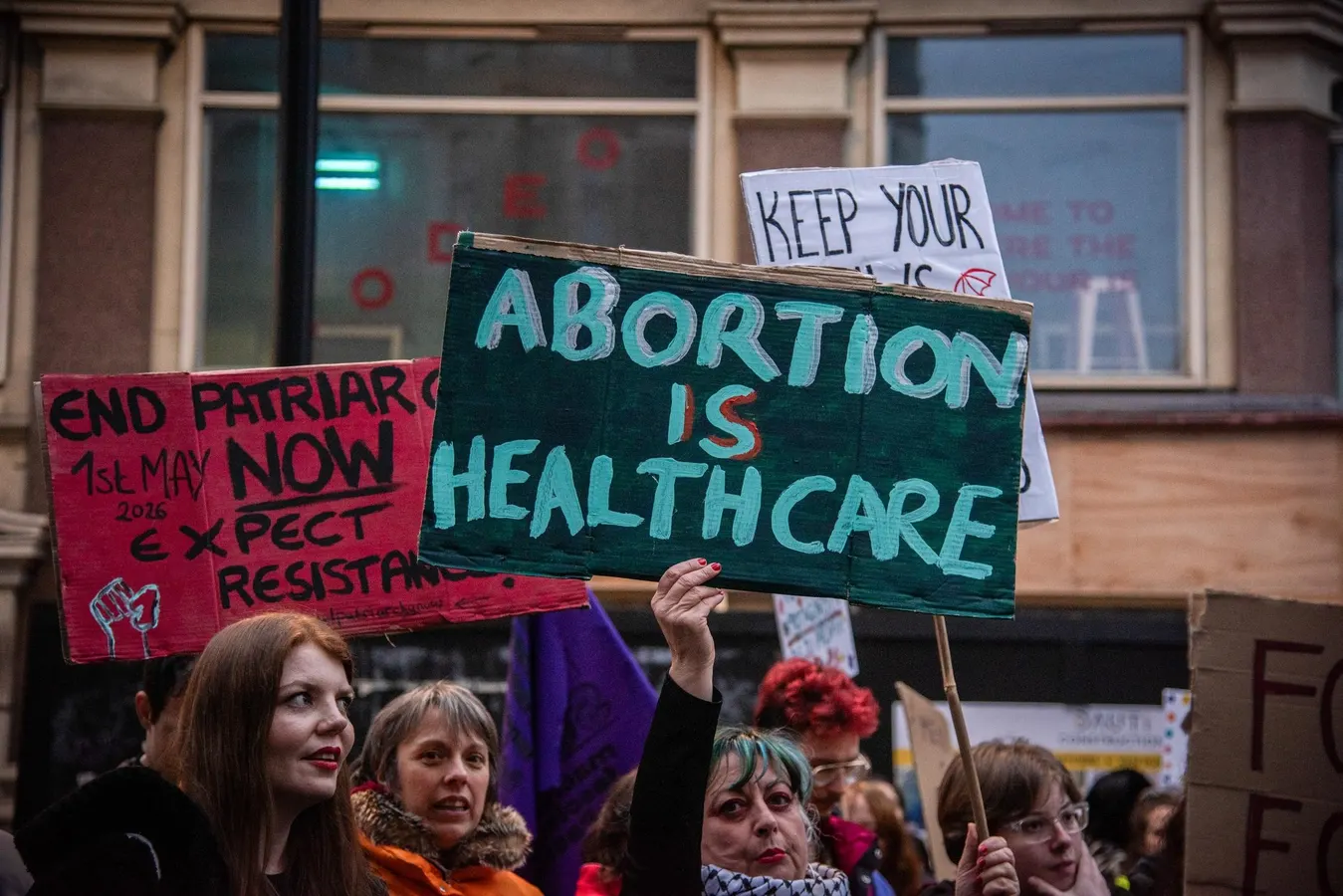
People are having less risky sex in states with strict anti-abortion laws, according to a study released this week.Over-the-counter contraceptive purchases dramatically increased, and gonorrhea rates substantially decreased in 13 states that implemented near-total abortion bans following the Supreme Court decision overturning Roe v. Wade in June 2022, according to the paper, which was circulated Monday by the National Bureau of Economic Research.The study used condom purchases as a proxy measurement for rates of protected sex and gonorrhea rates as a proxy for unprotected sex and compared these measurements between states with and without abortion bans.
One of the study’s authors, Middlebury College economist Caitlin Myers, told the Washington Examiner that the finding is a significant update to the understanding of the effect of abortion restrictions, as the existing behavioral economic research, conducted before the Dobbs v. Jackson Women’s Health Organization decision that overturned federal abortion protections, indicated that state differences in abortion access did not necessarily affect sexual behavior.
The authors found that, following the Dobbs decision, people began to make decisions to practice safer sex to reduce the risk of pregnancy in states that banned elective abortion, supporting the argument from anti-abortion advocates that people would take precautions to avoid getting pregnant if abortion were not available.