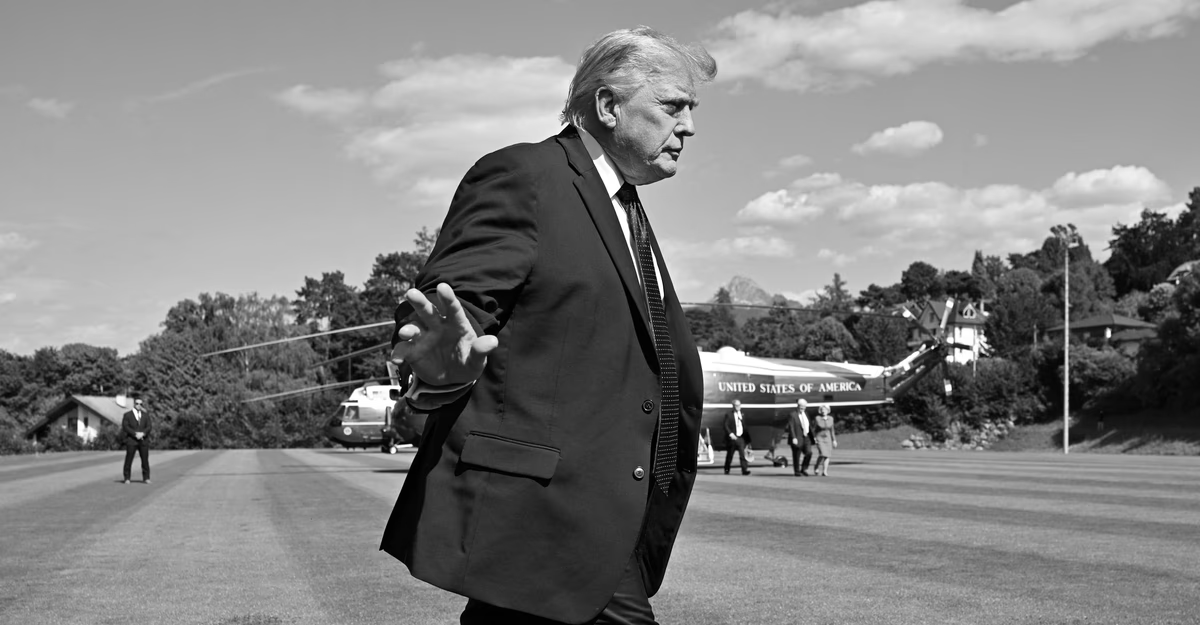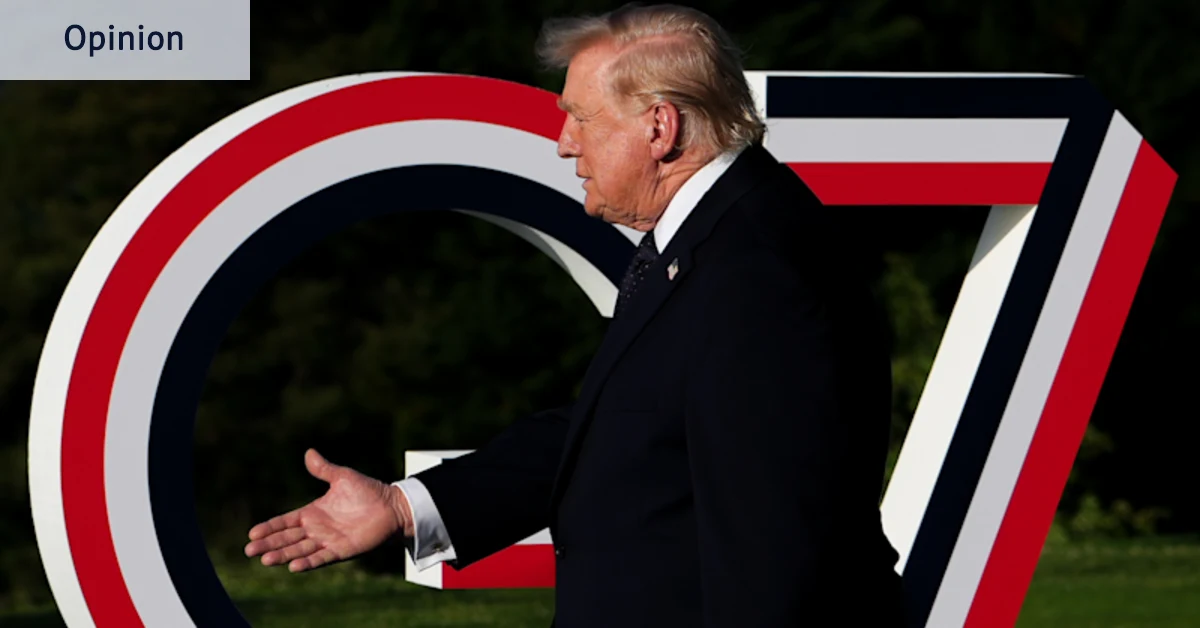
OpinionJune 17, 2026 — 5:00amFrom the French Revolution through to early British parliamentary practice, and from prime ministers such as Winston Churchill to presidents such as Theodore Roosevelt, the idea that great power demands great responsibility has been something spoken of by those entrusted with political power, even if they did not always practise it.The ill-fated Israeli and American plan to topple Iran’s nearly half-century-old theocratic regime, however, ignored that ideal to the plan’s detriment. It has become the latest example of politicians overestimating the ability of their military to effect political change, and underestimating the ability of their opponents to resist it.Donald Trump arrives at the G7 meeting in France on Monday (French time).AP The most frustrating thing about Donald Trump’s support for Israeli Prime Minister Benjamin Netanyahu’s plans to change the political map of the Middle East is that Iran’s response was entirely predictable. Completely overmatched in the air and on the sea and unlikely to have to face a significant land threat, Tehran long ago understood that its arsenal of rockets, missiles and drones gave it strategic reach and leverage. By targeting directly Israel and Gulf states that hosted US forces, while closing off the Strait of Hormuz, Tehran could hit back at its main antagonist and impose an economic cost on the regional and global economies that Washington wouldn’t be able to ignore.And so it came to pass. Tehran conducted its campaign in exactly the way any analyst worth their salt would have predicted. Tactics such as leadership decapitation grabbed headlines and undoubtedly threw Iran’s military and governance system into chaos in the short term, but a regime whose ideological foundation is heavily reliant on a narrative of resistance in the face of overwhelming odds soon found its equilibrium. Decentralising authority for its missile, rocket and drone strikes after lessons learnt from earlier attacks also allowed Iran to conduct offensive operations while its political and military leadership was being reconstituted.Washington also lost the information war. It is a hard ask for a liberal democracy to appear less caring than a revolutionary theocratic regime about individual rights and the unintended consequences of war, yet the White House did exactly that. The killing of more than 150 children and teachers at a school in Minab on the US’s first day of bombing dealt a fatal blow to Washington’s claims of a precision air campaign. Trump’s original denial and the administration’s continued refusal to accept responsibility in the face of regular media questioning have further eroded US credibility. The Minab deaths are also a constant theme in the viral pro-Iranian social media campaign featuring AI-generated Lego figures of Trump, his administration and the US and Israeli military.For a war of choice in which Washington made no attempt to seek allies, the US administration’s overconfident and bombastic approach has done nothing to engender confidence among the American public, and certainly not within the international community, that this was a well-thought-out campaign. Defence Secretary Pete Hegseth’s promise to the Iranians of “death and destruction from the sky all day long” came only days after the children were killed at Minab. And the White House’s release of a montage of superhero and Hollywood movie scenes spliced with videos of bombing of Iranian targets, entitled Justice the American Way, added to the surreal nature of the administration’s approach to the most serious undertaking any political leader can authorise.Trump has no military experience, favours unilateralism over coalition-building, loves technology but is famously incurious. It is a dangerous combination when dealing with a region where issues of history, ideology and identity combine with the realities of geography to present a complex operating environment for those with little grasp of, or interest in, such things. Simple suits Trump, but the Middle East is anything but.Being commander of the most powerful military in the world without any experience of conflict is not new, and neither is military overreach. George W. Bush, another commander-in-chief with no experience of conflict, went to war in Iraq with a meagre coalition of the UK, Australia and Poland and declared “Mission Accomplished” six weeks after the invasion. The conflict lasted another eight years and cost the lives of thousands of Americans and tens of thousands of Iraqis.By contrast George Bush snr, a commander-in-chief who had experienced war and understood the effects and limitations of military power, was the last example of a president who faced a military crisis in the Middle East and responded in a coherent, ordered and ultimately successful manner, by expelling Iraqi forces from Kuwait. He took time to build a broad coalition and gain international legal authority to conduct the war, and then limited his military action to what he was authorised to do and what his coalition had agreed to. Rather than continue to advance into Iraq and topple a weakened Saddam Hussein, he understood the limitations of the military power at his disposal and the complexities of occupying Iraq and went no further than Kuwait.Trump was out of his depth when ordering a military campaign that lacked any coherent strategic aim. Washington and its Israeli partner enjoyed complete surprise, killed a large chunk of the Iranian military and political leadership in the initial phase, had air supremacy and effectively destroyed or bottled-up the Iranian navy. Tactical victory after tactical victory. And yet, without a good appreciation of geography, history or patience, or of the limitations of military force, Trump has effectively suffered a strategic defeat. Rather than focusing on his Art of the Deal, Trump should have read Sun Tzu’s The Art of War.Dr Rodger Shanahan is a Middle East analyst.The Opinion newsletter is a weekly wrap of views that will challenge, champion and inform your own. Sign up here.More:Trump diplomacyOpinionFor subscribersDonald TrumpGeorge W BushIranGeorge HW BushMiddle East at warFrom our partners
Trump boasts about the art of the deal. He knows nothing about the art of war
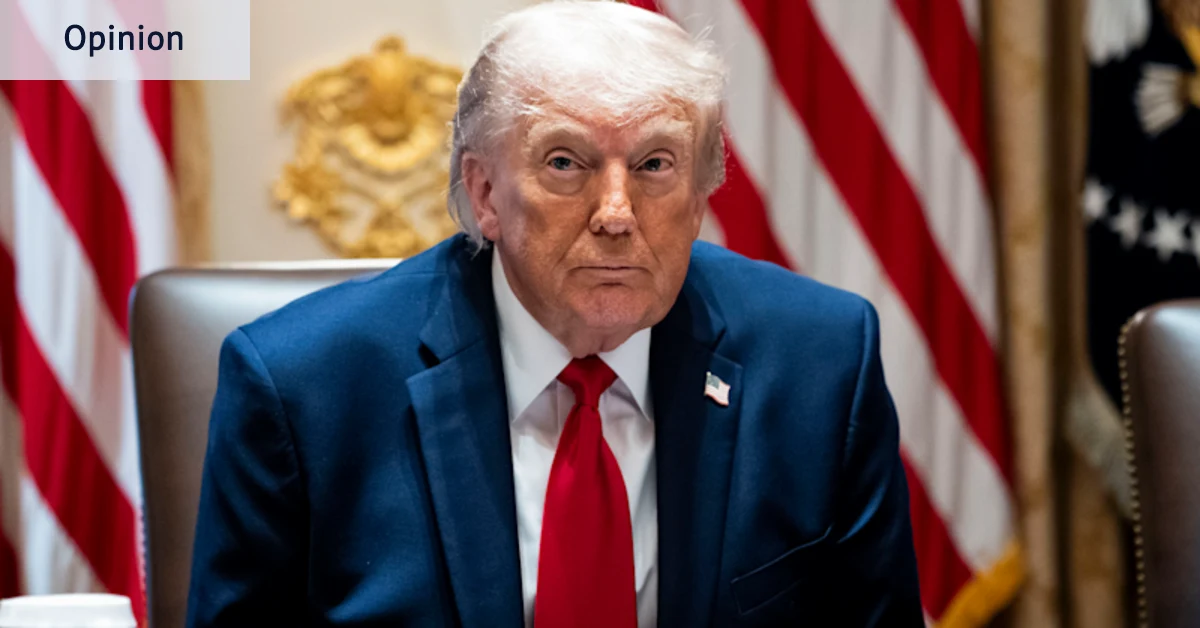
Donald Trump has no military experience, favours unilateralism and loves technology but is incurious. It is a dangerous combination when dealing with a region where history, ideology and identity combine with the realities of geography.
966 words~4 min read