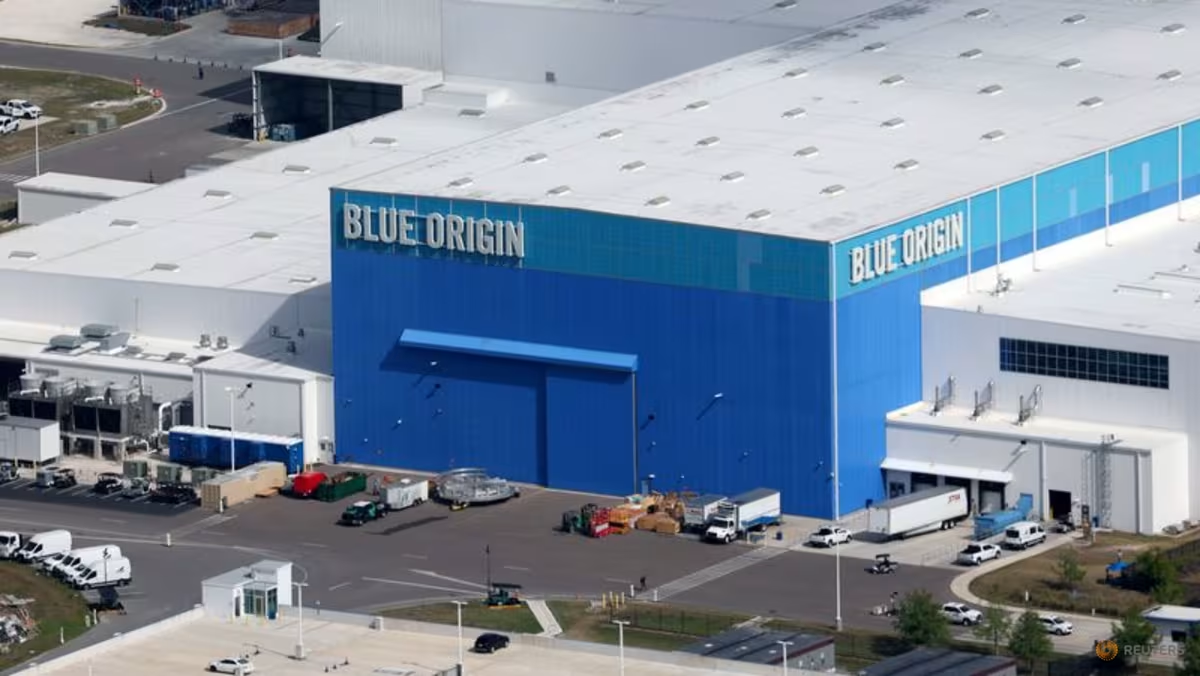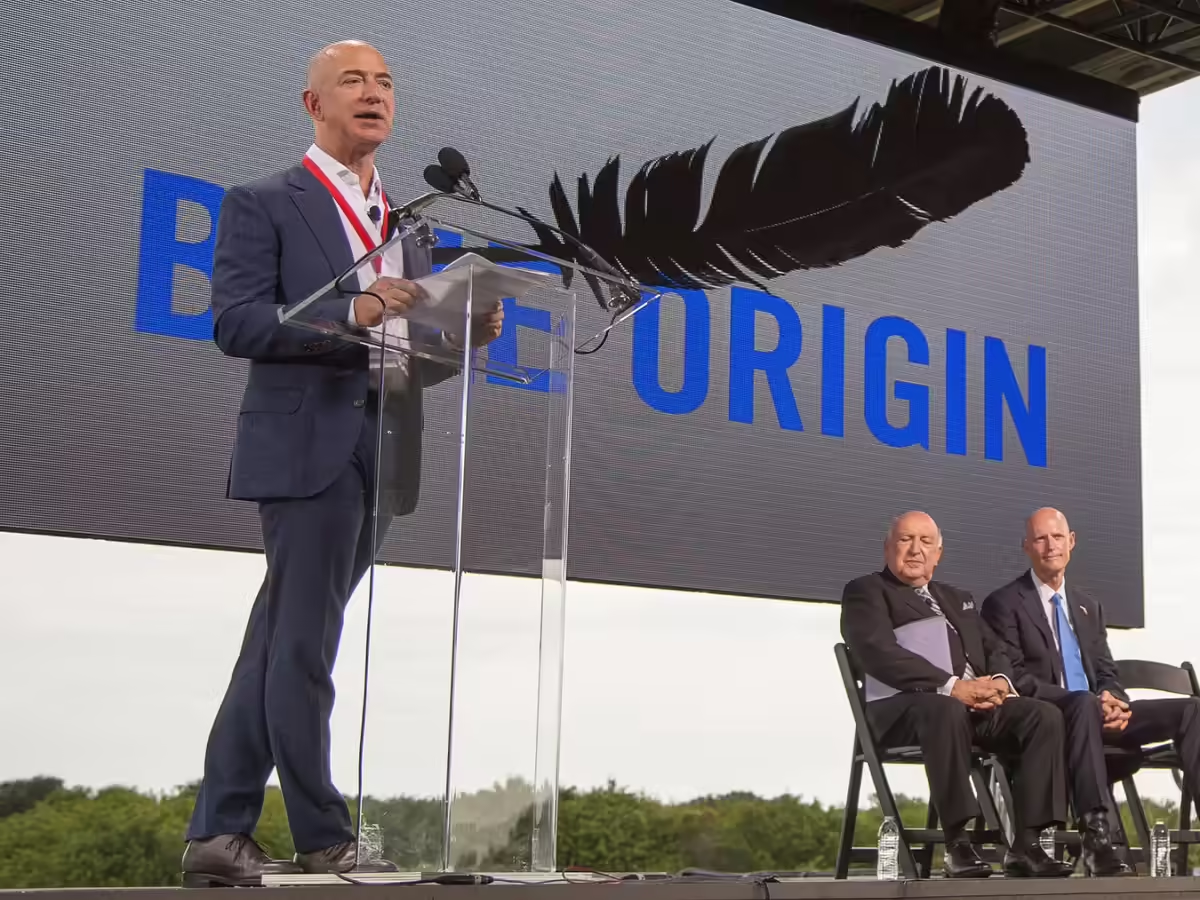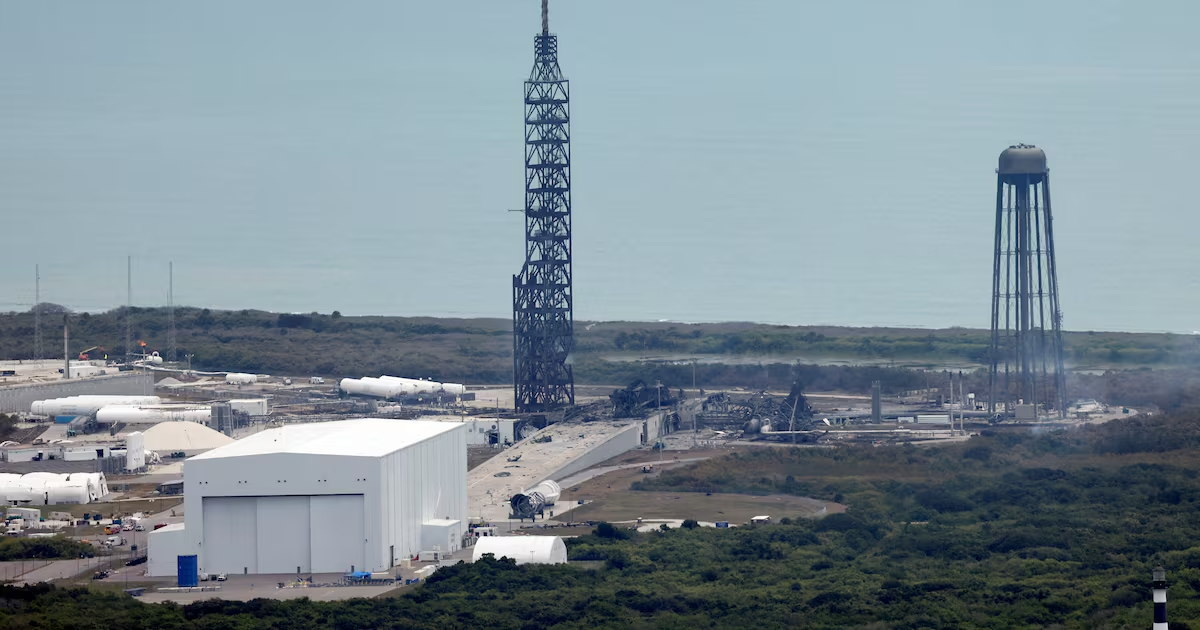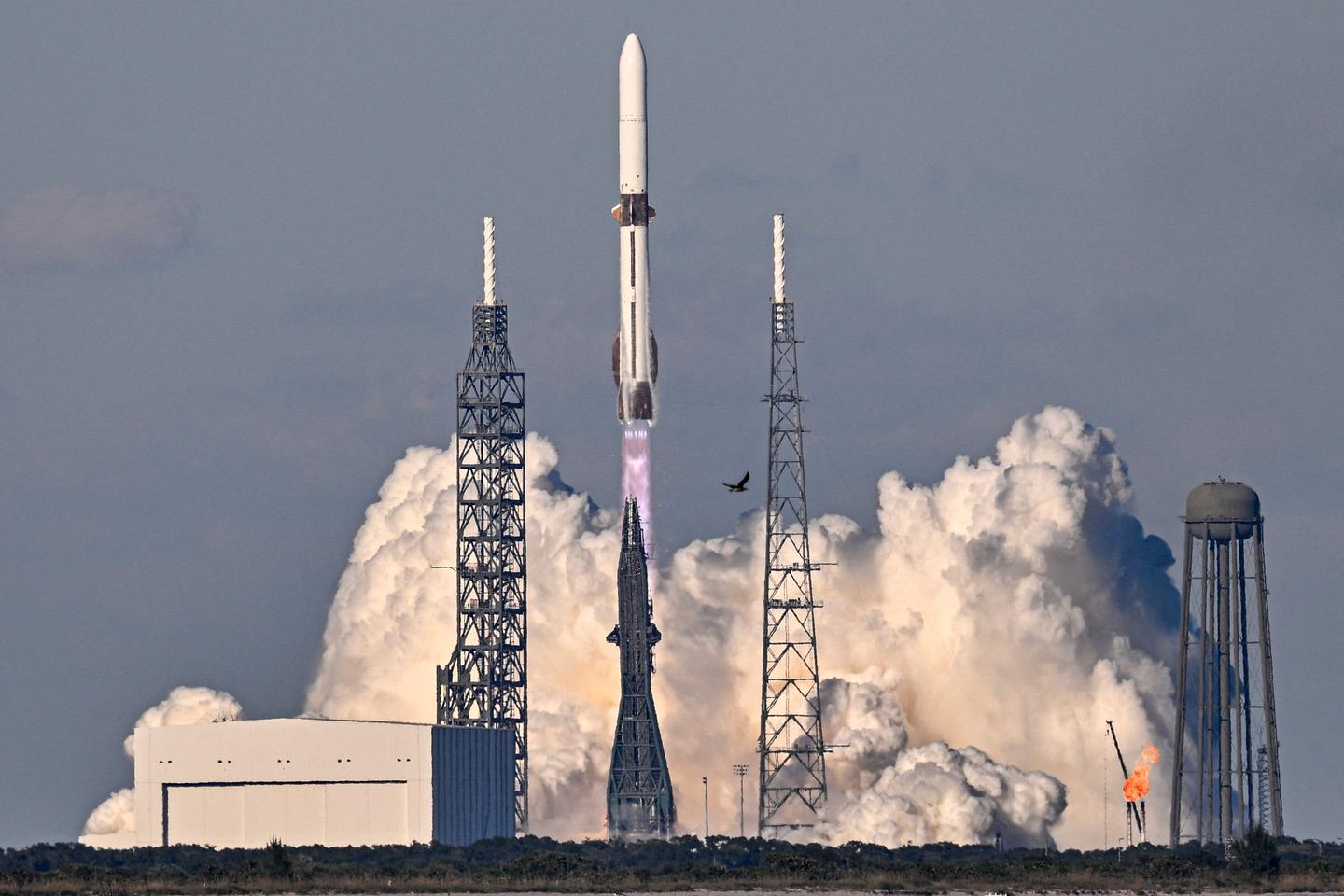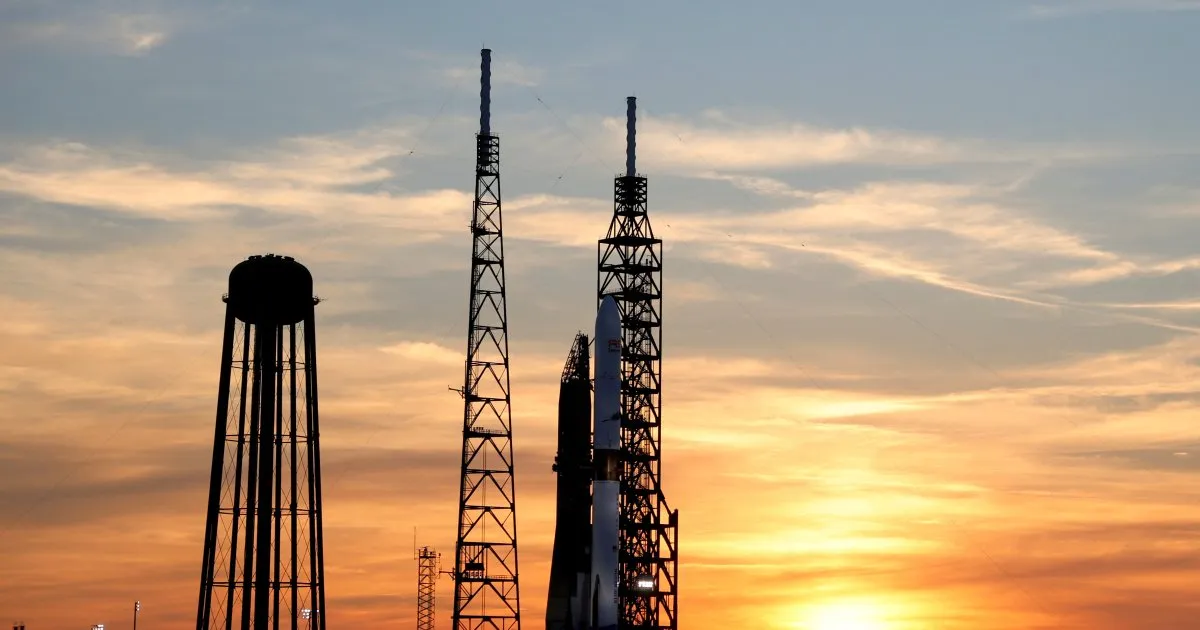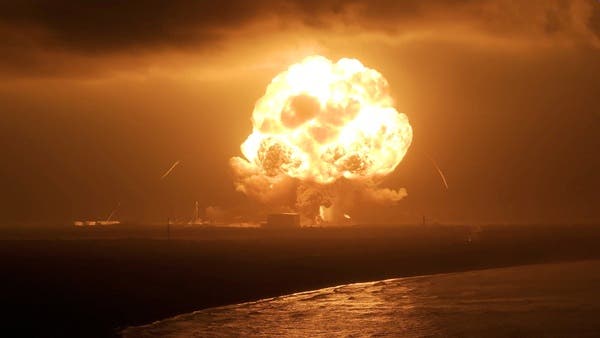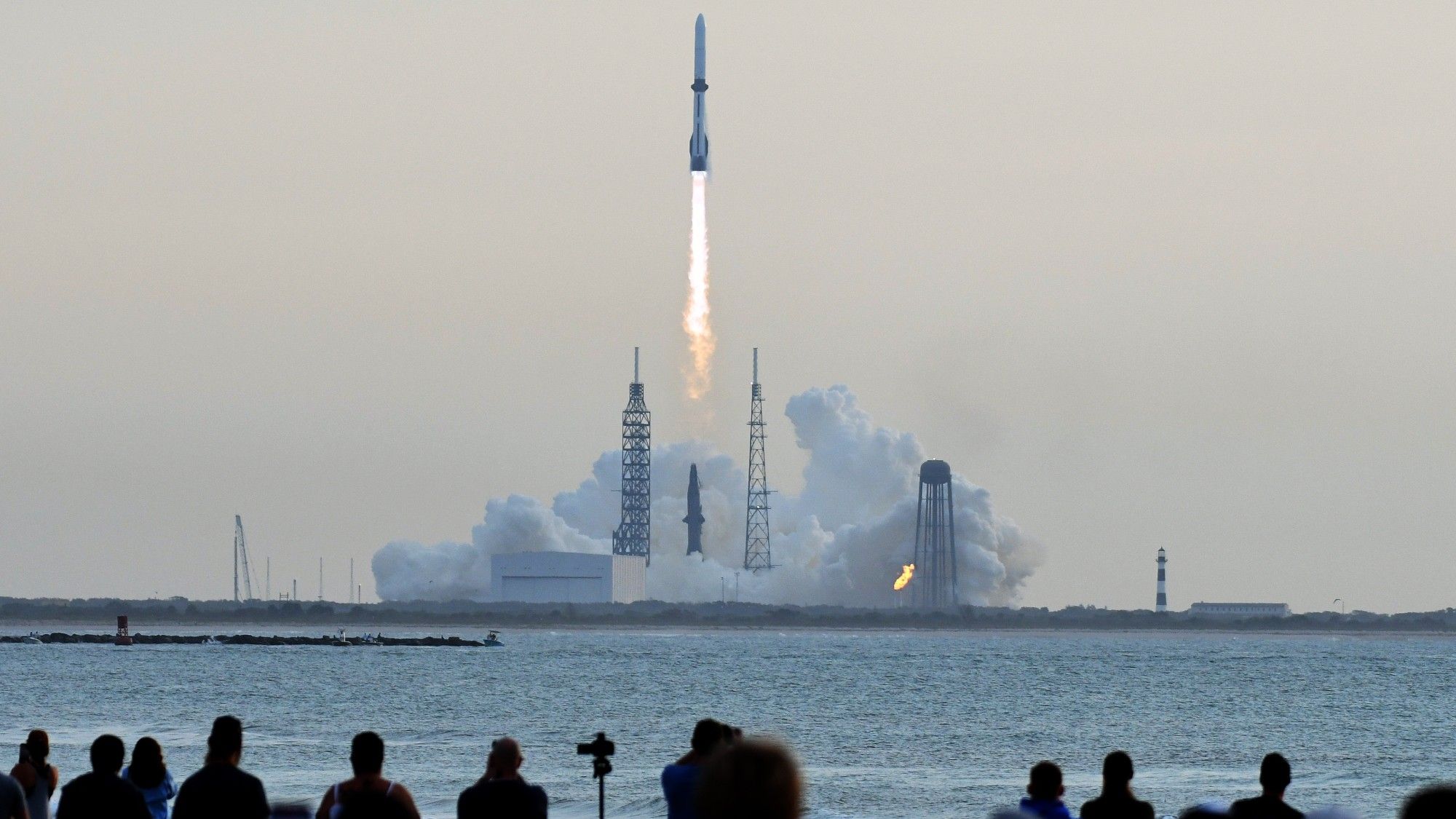
“For years, Jeff Bezos’ Blue Origin rocket company operated in secrecy, overshadowed by the success of Elon Musk’s SpaceX,” said Karen Weise in The New York Times. Founded in 2000, the venture didn’t put a craft into orbit until January 2025. Over the past 18 months, Blue Origin finally seemed to be gaining momentum, getting closer to reliably launching a gigantic rocket, called New Glenn, that could lift greater payloads and potentially challenge SpaceX’s domination of the sector. But late last month, New Glenn exploded in a fireball during a test, badly damaging its sole launchpad in Florida. “At least one massive steel tower appeared to be essentially gone,” and the hydraulics and fuel systems beneath the $1 billion pad might be irrecoverable. Amazon has about 3,000 satellites it needs to launch to begin commercial operations of its Leo satellite internet service, a potential competitor to SpaceX’s Starlink. The explosion could set Blue Origin, Amazon, and other customers back a year.One of those customers is NASA, said James B. Meigs in The Wall Street Journal. The agency is “working furiously to get its Artemis program on track to land astronauts on the moon by 2030,” and both Blue Origin and SpaceX have been contracted to develop vehicles that can carry “astronauts from NASA’s Orion capsule down to the lunar surface and back.” Blue Origin is also building a smaller “workhorse” lander called Blue Moon for ferrying humans and cargo. “But right now, the only rocket configured to carry the Blue Moon is Blue Origin’s New Glenn.” So until New Glenn is operational again, “all those plans are on hold.”
Blue Origin: A setback in the space race
The firm’s only launchpad is out of commission
336 words~2 min read