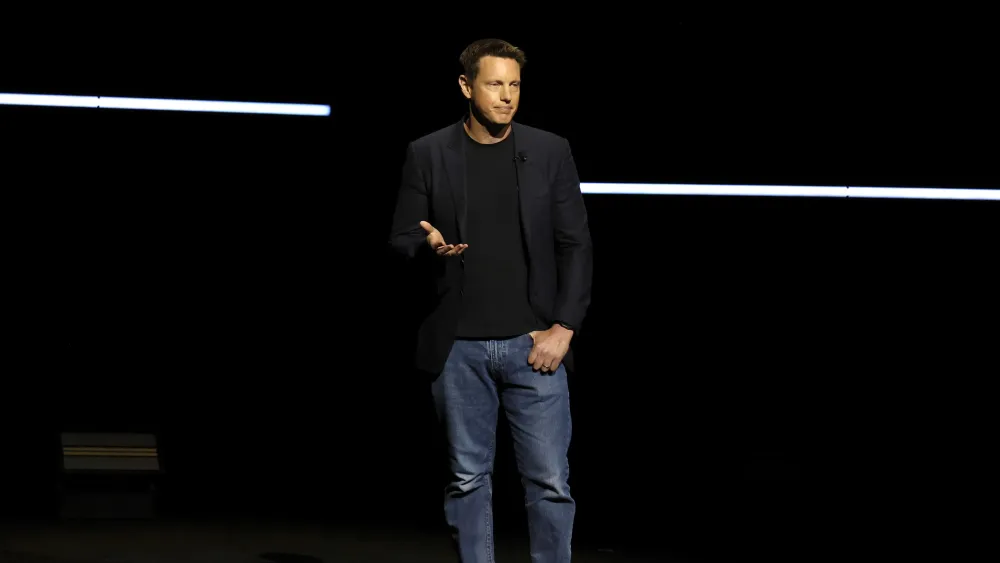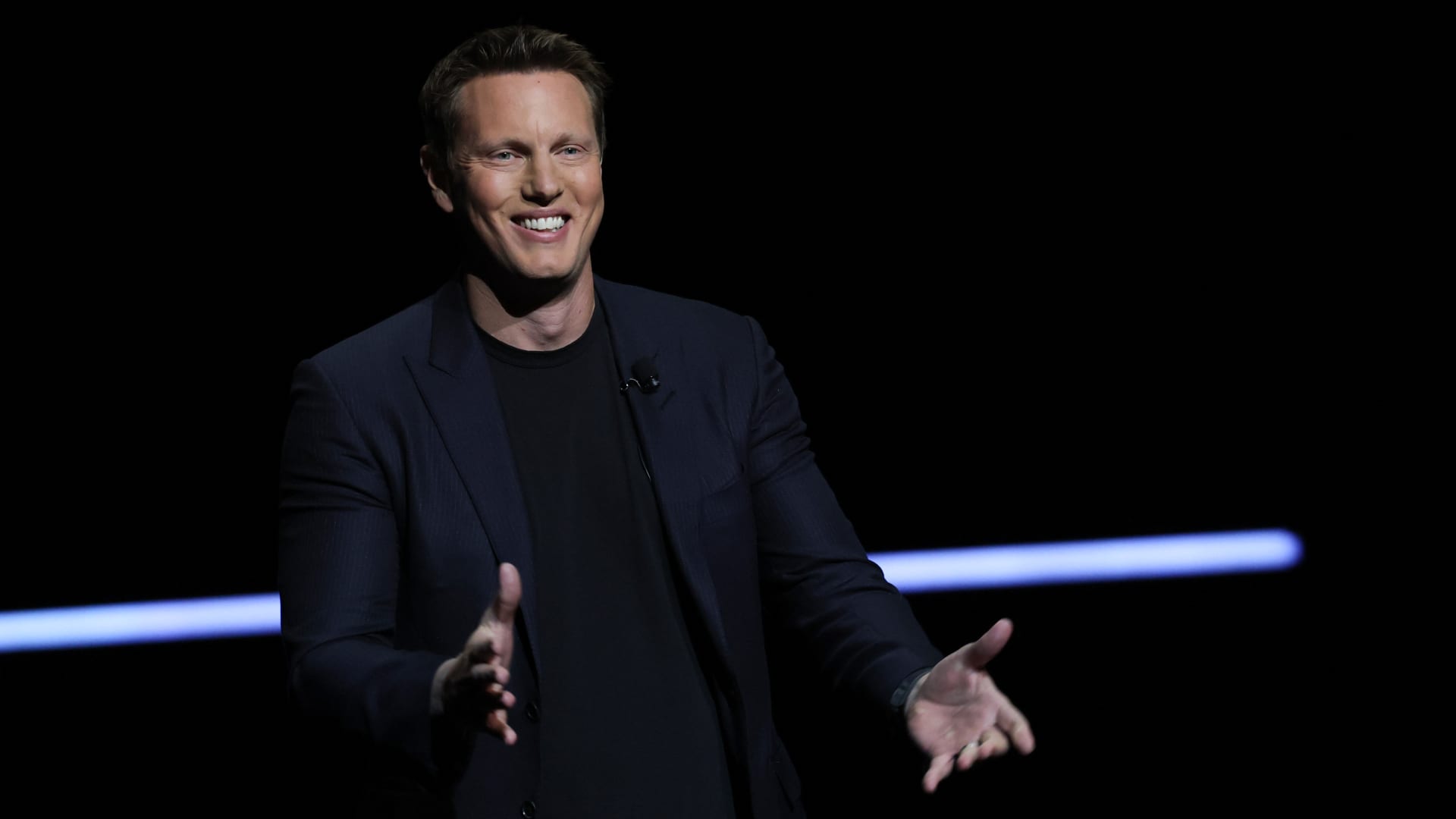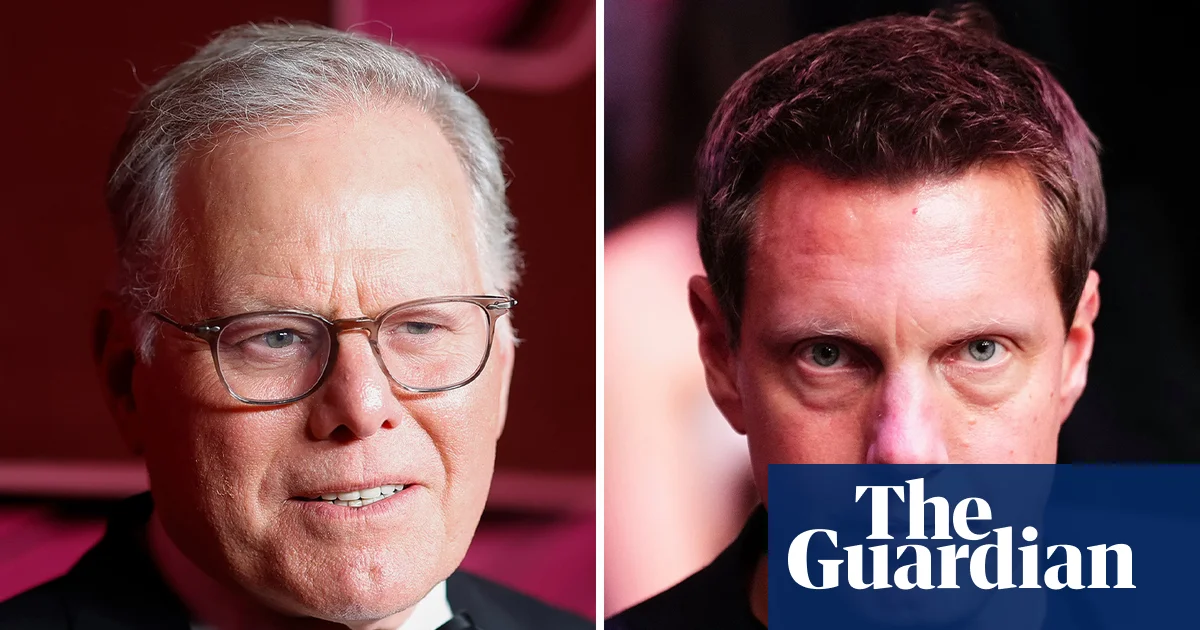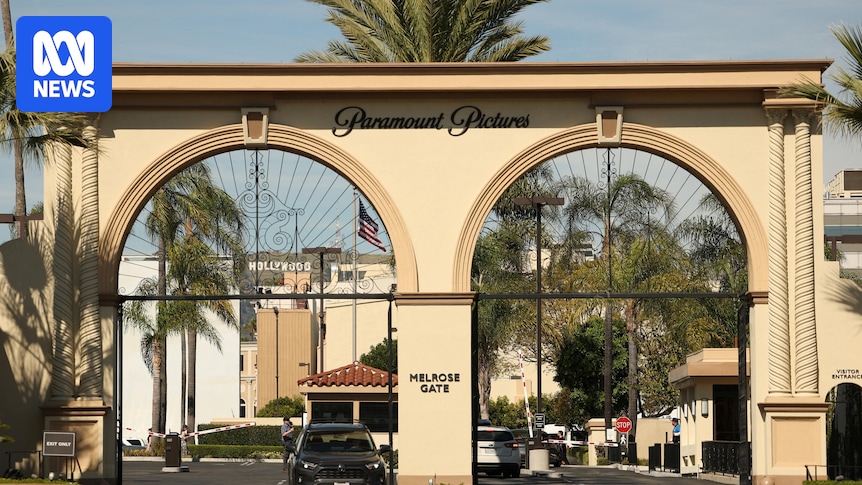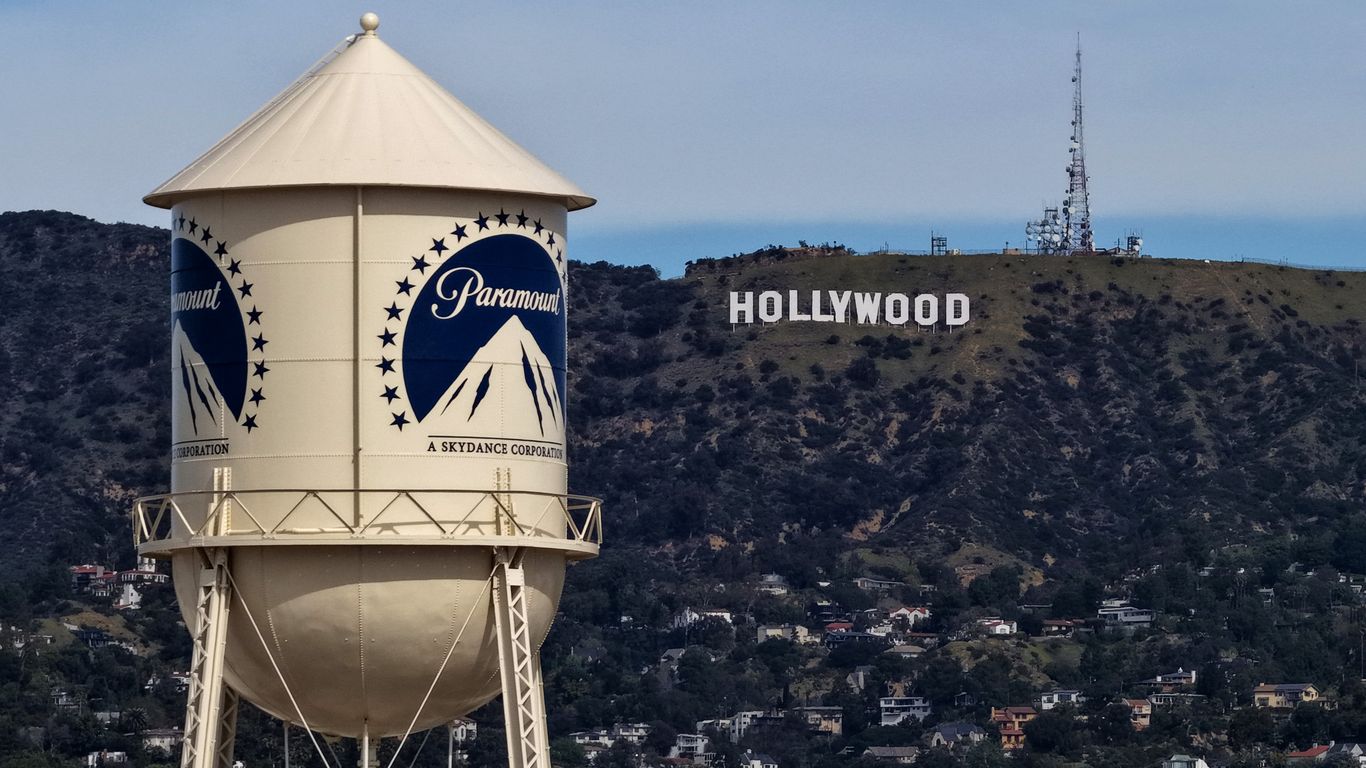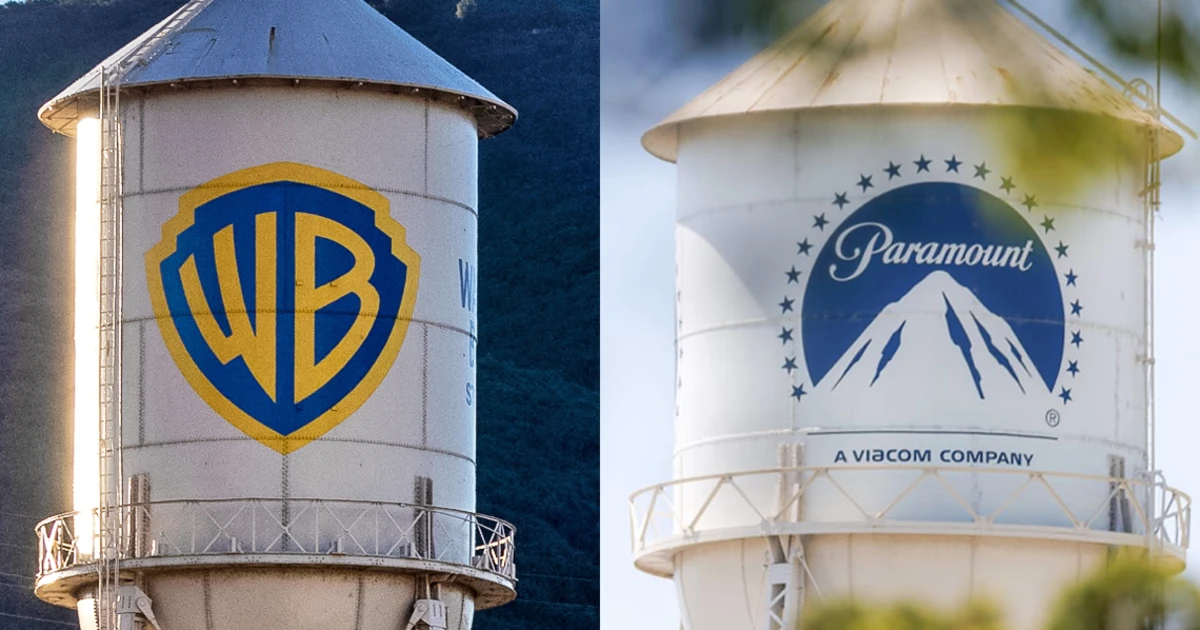
Paramount Skydance CEO David Ellison’s bid to take over rival Hollywood studio Warner Bros. Discovery moved closer to the finish line last week after the Justice Department signed off on the $110 billion deal. Paramount swiftly vowed to finalize the merger “as soon as possible.”But in the eyes of California’s top law enforcement official, the show isn’t over.“The merger of Warner Bros and Paramount is not a done deal and remains under investigation by my office,” California Attorney General Rob Bonta said Friday.Inside the entertainment industry, all eyes are now on Bonta and other state attorneys general who could sue to halt the merger under state and federal anti-monopoly laws. New York Attorney General Letitia James’ office is probing the deal as well, according to a person familiar with the matter, and other states are reportedly part of that endeavor.“The most direct tool available to California and New York is an antitrust lawsuit seeking an injunction to block the transaction,” said Scott Wagner, the co-head of antitrust practice at law firm Bilzin Sumberg. “State attorneys general have independent authority to challenge mergers even when federal regulators decline to do so.”Bonta’s and James’ spokespeople declined to comment on the status of potential legal challenges.California Attorney General Rob Bonta in San Francisco on Feb. 17.Jason Henry / Bloomberg via Getty Images fileThe tie-up between Paramount and Warner would consolidate ownership of two historic film studios, two popular streaming platforms and a sprawling portfolio of broadcast and cable assets under Ellison, a 43-year-old media executive and the son of billionaire Oracle co-founder Larry Ellison, an ally of President Donald Trump.The transaction would also bring together two news organizations, CBS News and CNN, amid mounting scrutiny on the younger Ellison’s attempt to overhaul “60 Minutes” and other parts of the Tiffany Network’s news operations.In recent months, ground-level Hollywood professionals have warned that the merger would lead to fewer buyers for film and television content, shrink the pool of jobs and spike costs for consumers. More than 5,500 actors, directors, producers and screenwriters have signed an open letter vehemently opposing it.In the letter, the entertainment professionals cheered Bonta and his colleagues for “scrutinizing the merger and considering legal action to block it.”“We are grateful for their leadership, and stand ready to support all efforts to preserve competition, protect jobs, and ensure a vibrant future for our industry, for American culture, and for our single most significant export,” said the signatories, a list that includes JJ Abrams, Bryan Cranston, Jane Fonda, Pedro Pascal and Ben Stiller.02:36Free Press, a progressive advocacy that has rallied against corporate consolidation in the media business, said state attorneys general have “a strong case for blocking this merger, and many brave journalists, filmmakers and workers in entertainment industry have spoken out against the dangers of this deal despite threats to their livelihoods.”“They are warning us what will happen if this deal goes through, and we must listen,” Free Press co-CEO Craig Aaron said.The Justice Department’s antitrust division, in an unusually lengthy statement Friday, said “the transaction is not likely to result in harm to competition or American consumers.” Paramount has repeatedly touted the benefits of the transaction, and Ellison has attempted to reassure Hollywood’s creative community by promising to put 30 movies a year in theaters.“This deal is pro-competitive, resulting in a stronger company better positioned to compete against dominant technology platforms in an industry increasingly defined by intense competition for audiences, talent, technology, and investment,” Paramount said in a statement Friday after the Justice Department announced its green light.In anticipation of legal pushback from state attorneys general, Paramount has retained Jeffrey Kessler, a prominent litigator who specializes in sports labor law and is the co-executive chairman of the law firm Winston Taylor. In a phone interview Tuesday, he said he believes there is “no proper antitrust challenge to this merger.”“It’s a very necessary merger to enable increased competition in streaming services, protect the model in network television and increase the number of movies in theaters,” Kessler said.Wagner said state attorneys general have other tools at their disposal beyond litigation. They can, for example, send out waves of information requests and carry out reviews of specific legal issues — moves that would delay the deal’s consummation. “While those tools are not a substitute for a successful antitrust challenge,” he said, “they can increase pressure on the parties and potentially affect the timing, cost and complexity of the transaction.”Bonta, a Democrat who is up for re-election in November, previously told NBC News he believes the Trump administration has taken an overly lax approach to federal antitrust enforcement, arguing that he and his fellow attorneys general have been forced to take a more prominent role to fill a void.California was part of a group of dozens of states that secured a major win in April after a New York City jury found that Live Nation and its subsidiary Ticketmaster had illegally held monopoly power in the ticketing market. The states embarked on independent litigation after the Justice Department settled its antitrust suit against Live Nation and Ticketmaster.Bonta’s office is also part of a legal coalition that sued to prevent the $6.2 billion merger between broadcast station owners Nexstar and Tegna, a union that would create a new local television giant. The Federal Communications Commission — chaired by Brendan Carr, a Trump appointee — cleared the tie-up less than a day after the states filed their lawsuit.The marriage of Paramount and Warner is facing another layer of scrutiny from foreign regulators. The European Union is studying the deal’s financial backing from three Middle Eastern sovereign wealth funds, according to a public filing. The United Kingdom’s antitrust authority formally announced a probe last Tuesday.Paramount executives are motivated to close the deal soon. That’s partly because the company agreed to pay Warner shareholders a “ticking fee” of 25 cents a share each quarter if the transaction isn’t wrapped up by Sept. 30. The potential penalty is worth more than $600 million per quarter.
The fight to stop a Hollywood megamerger is far from over
The Justice Department approved the tie-up between Paramount Skydance and Warner Bros. Discovery, but states can still sue to block it.
996 words~5 min read