If you’ve ever watched a great film or sat in a theater and been completely transported, you’ve seen what this industry can do at its best.
It’s something we’re proud of. But behind that experience isn’t just glamour, it’s a workforce made up largely of middle-class Americans doing practical, often unpredictable work.
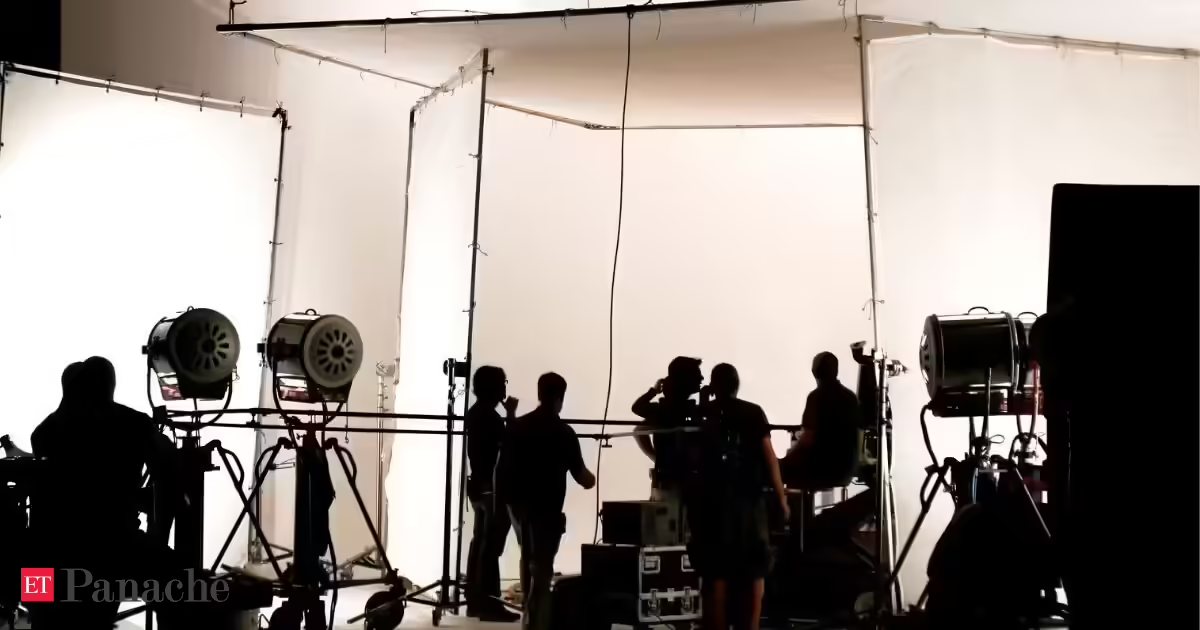
Most people in entertainment aren’t celebrities. They’re skilled, working professionals — actors, stage managers, dancers and technicians — who piece together a living one job at a time. They take pride in that. Nobody’s asking for sympathy for choosing a competitive field. But there’s a difference between accepting the nature of the work and being unfairly penalized for it.
Here’s the reality: Before many of these professionals earn a single paycheck, they’ve already spent money just to be in the game. Headshots, classes, self-tape equipment, travel to auditions – these aren’t luxuries; they’re the basic cost of doing the job. And agents and managers commissions can gobble up to 30 percent of each paycheck. Unlike many traditional professions, those costs aren’t reliably covered or reimbursed.
And it adds up. Work-related expenses can easily reach 20 percent to 30 percent of an artist’s annual income.