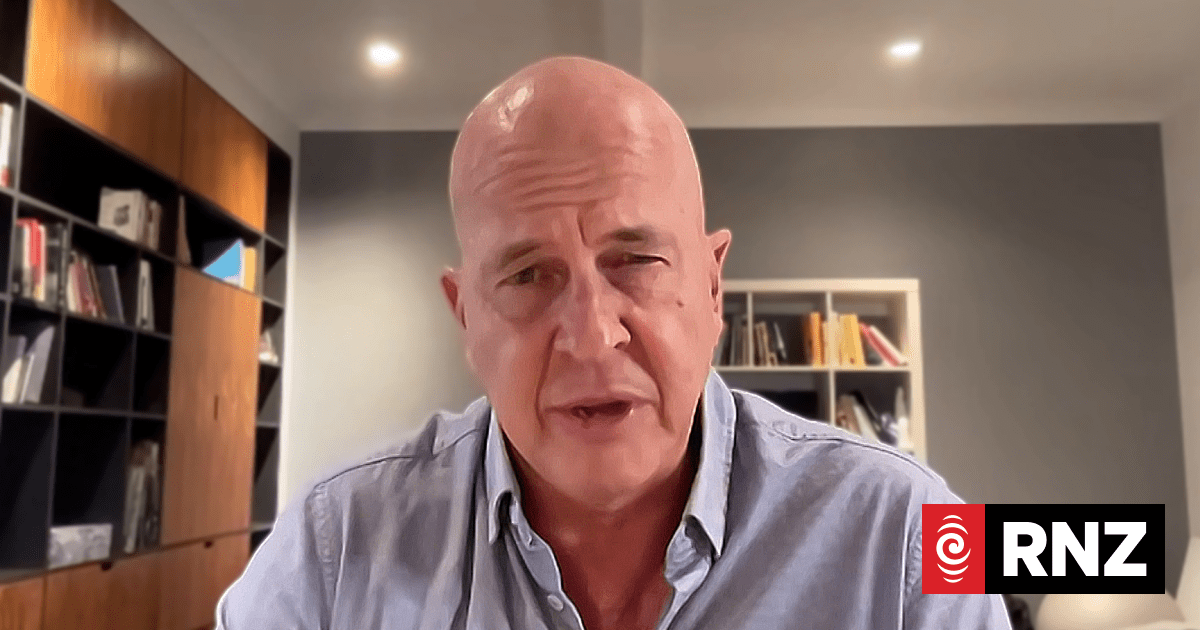
In 2014/15, Peter Greste spent 400 days in Egyptian jail cells. He was accused of aiding and abetting a terrorist organisation, being a member of a terrorist organisation, broadcasting terrorist ideology, publishing false news to undermine national security, and financing terrorism.
"They were very, very serious charges indeed," Greste tells RNZ's 30 with Guyon Espiner.
It was the most severe form of 'cancellation', in a time before cancel culture was a recognised phenomenon.
A journalist who was in the country covering a "very toxic political environment" following a military coup, Greste was caught up in something much bigger than himself and his own alleged misdeeds in reporting the news for Al Jazeera.
"It wasn't about anything specifically that we had done," he says.