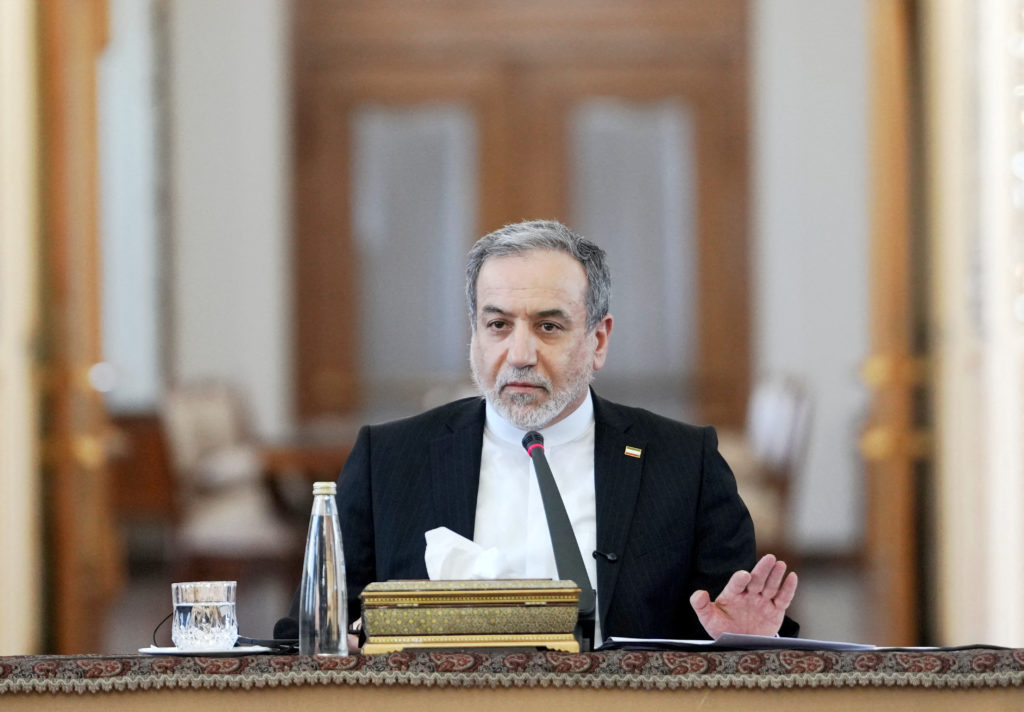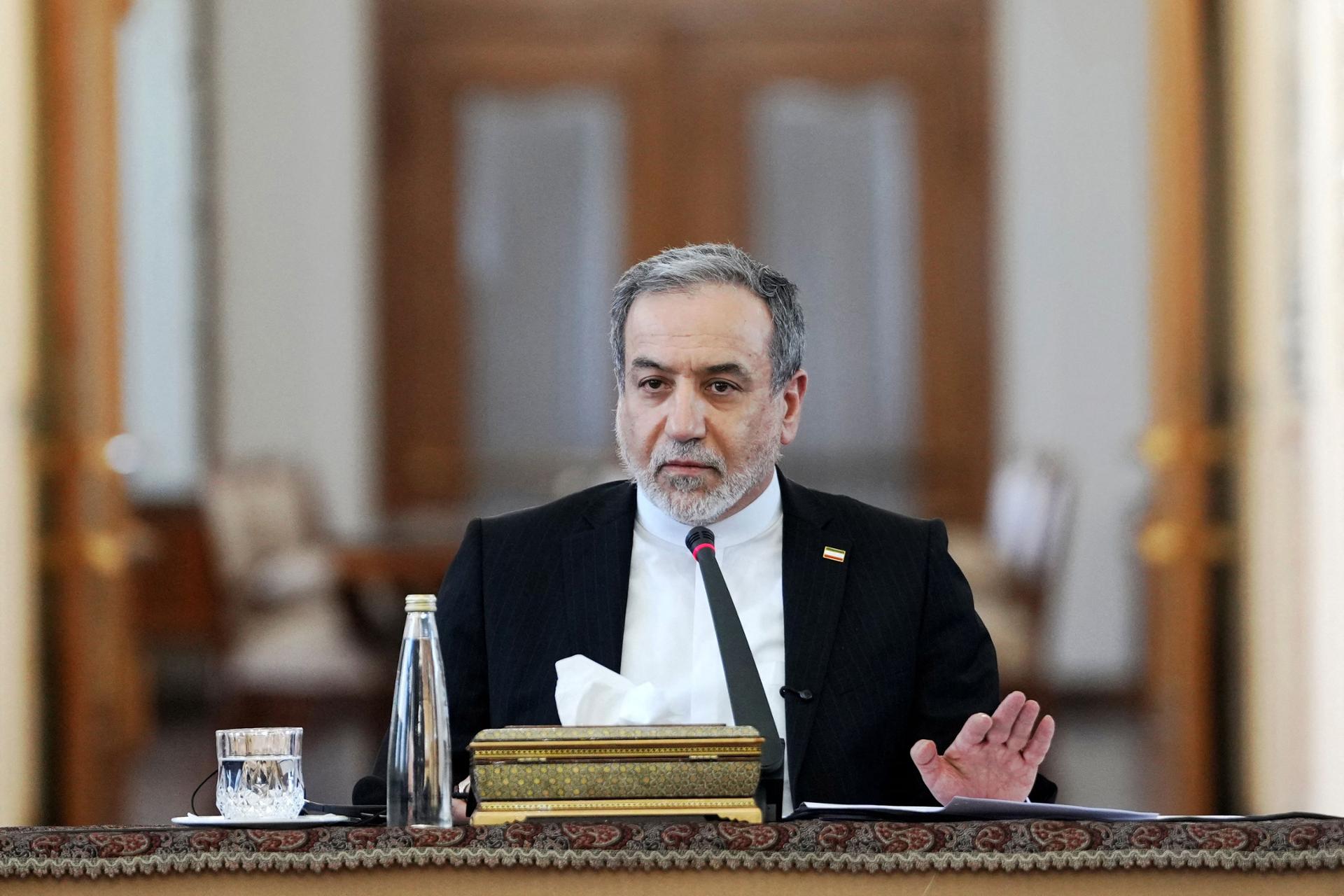
This handout photograph taken and released by the Iranian Foreign Ministry on Tuesday, shows Iranian Foreign Minister Abbas Araghchi speaking about the agreement reached with the United States and regional developments at a meeting with ambassadors and diplomatic representatives from foreign countries in Tehran. Iran said Tuesday that talks with the United States on its nuclear programme and sanctions relief would likely begin later this week, as President Donald Trump said the Strait of Hormuz would "completely open" once the foes sign their deal. Officials say negotiations over a final deal would take place in a 60-day window after the memorandum of understanding to end nearly four months of war triggered by U.S.-Israeli strikes on Iran is physically signed. Handout / Iran's Foreign Minister / AFP-Yonhap
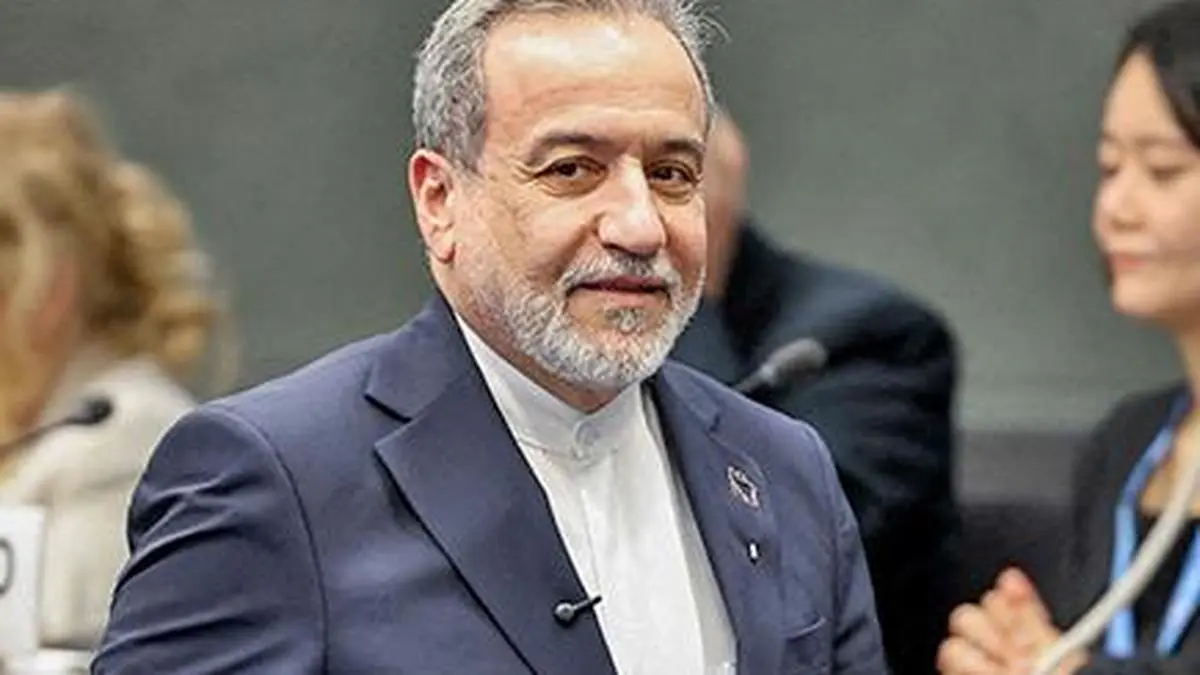
DUBAI, United Arab Emirates — Iran’s top diplomat said Tuesday that the tentative deal to end the war with the United States would require Israel to withdraw from Lebanon — a condition Israel has already rejected and that could sink the agreement, leading to the resumption of all-out war.
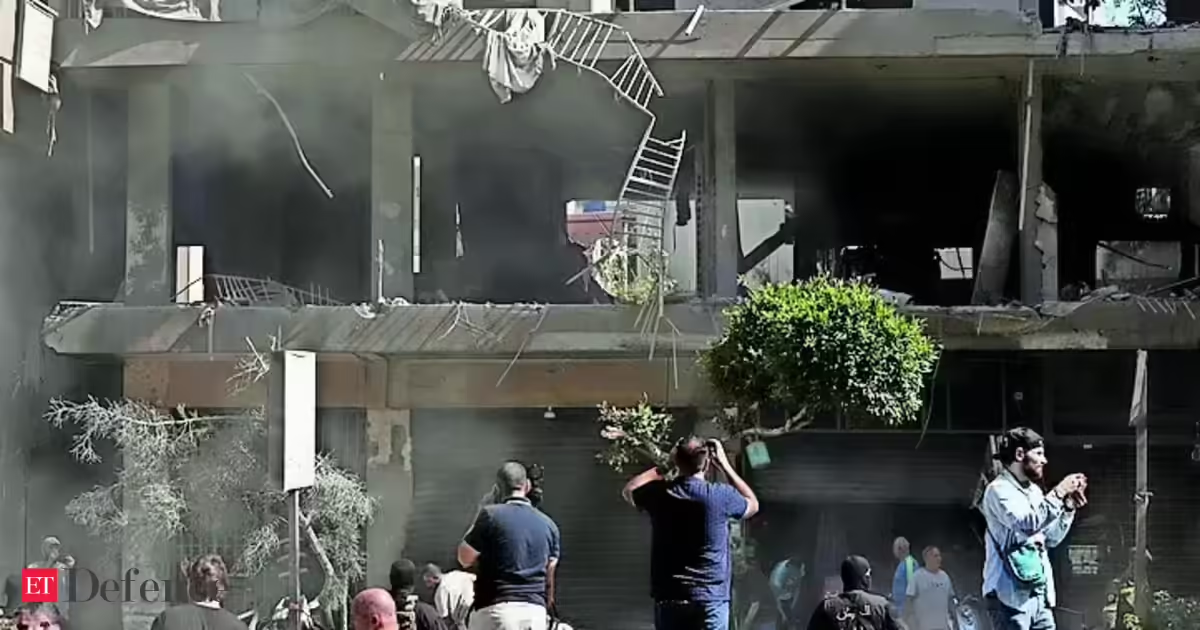
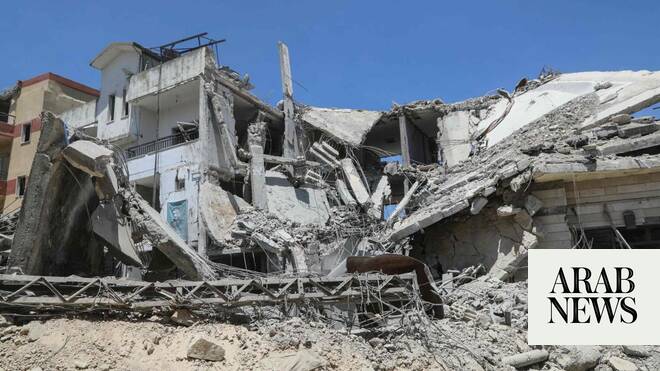
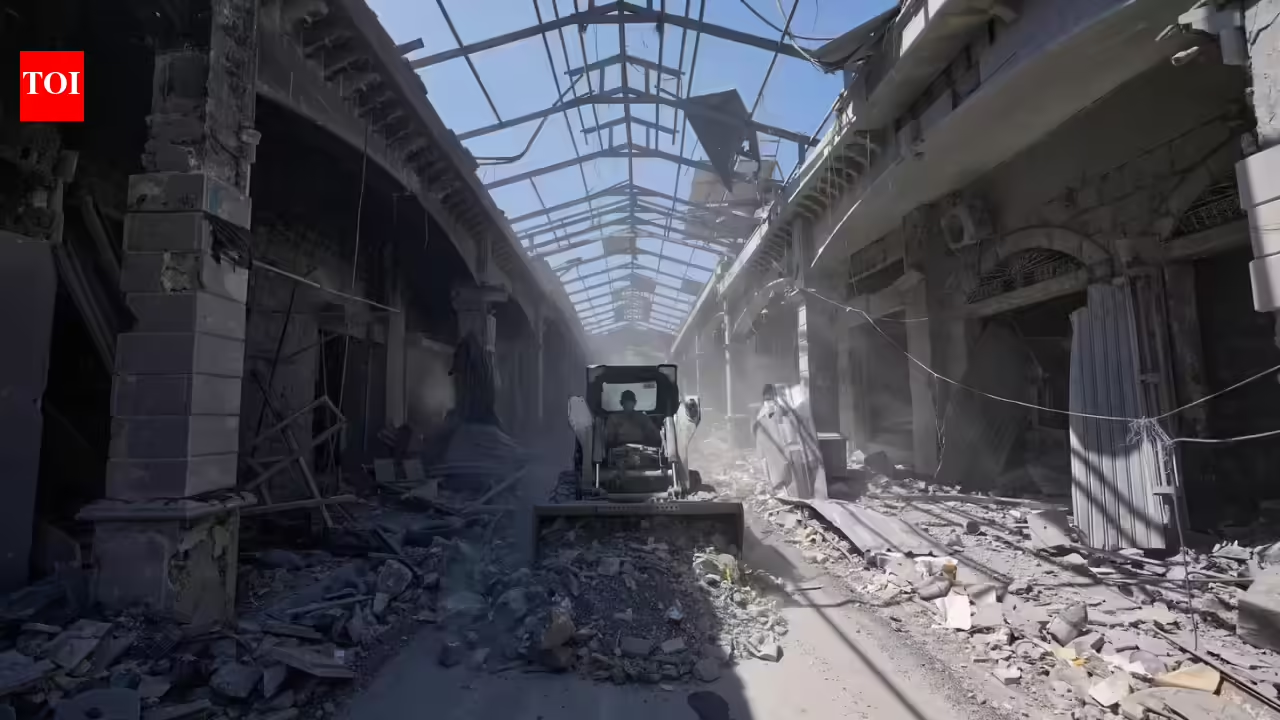
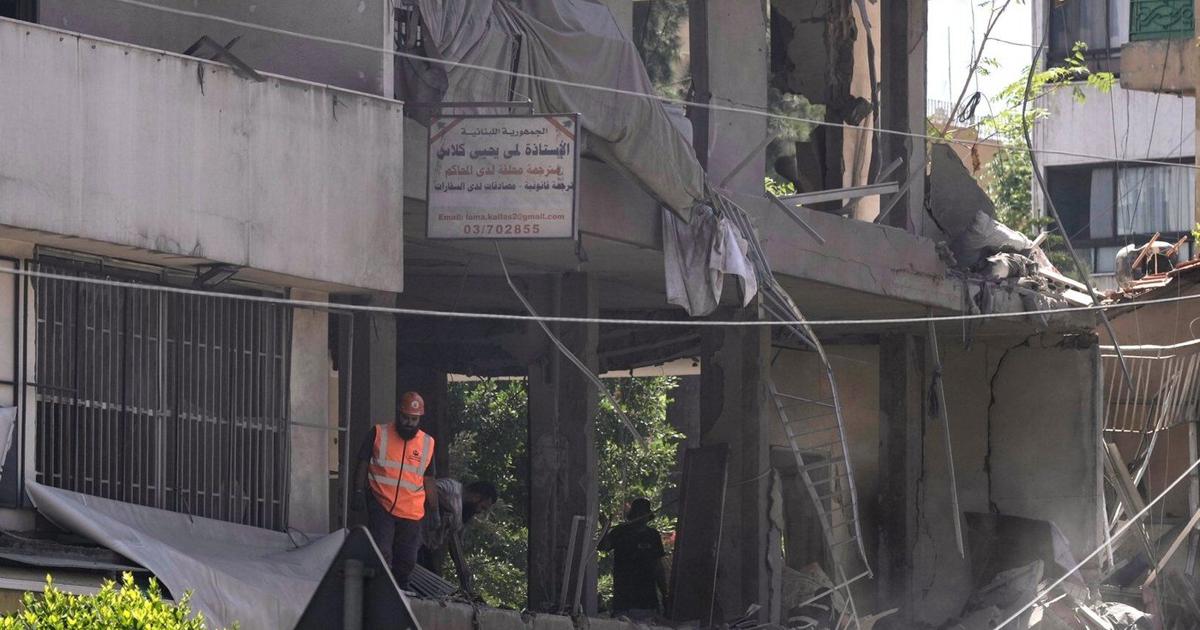
The deal, which is between the U.S. and Iran, has not been made public, and officials have sometimes offered contradictory interpretations of what is in it. While Israel is not party to the agreement, it is part of the war: It joined the U.S. in launching strikes on Iran on Feb. 28, and has since fought the Iran-backed Hezbollah militant group in Lebanon and seized large swaths of that country.