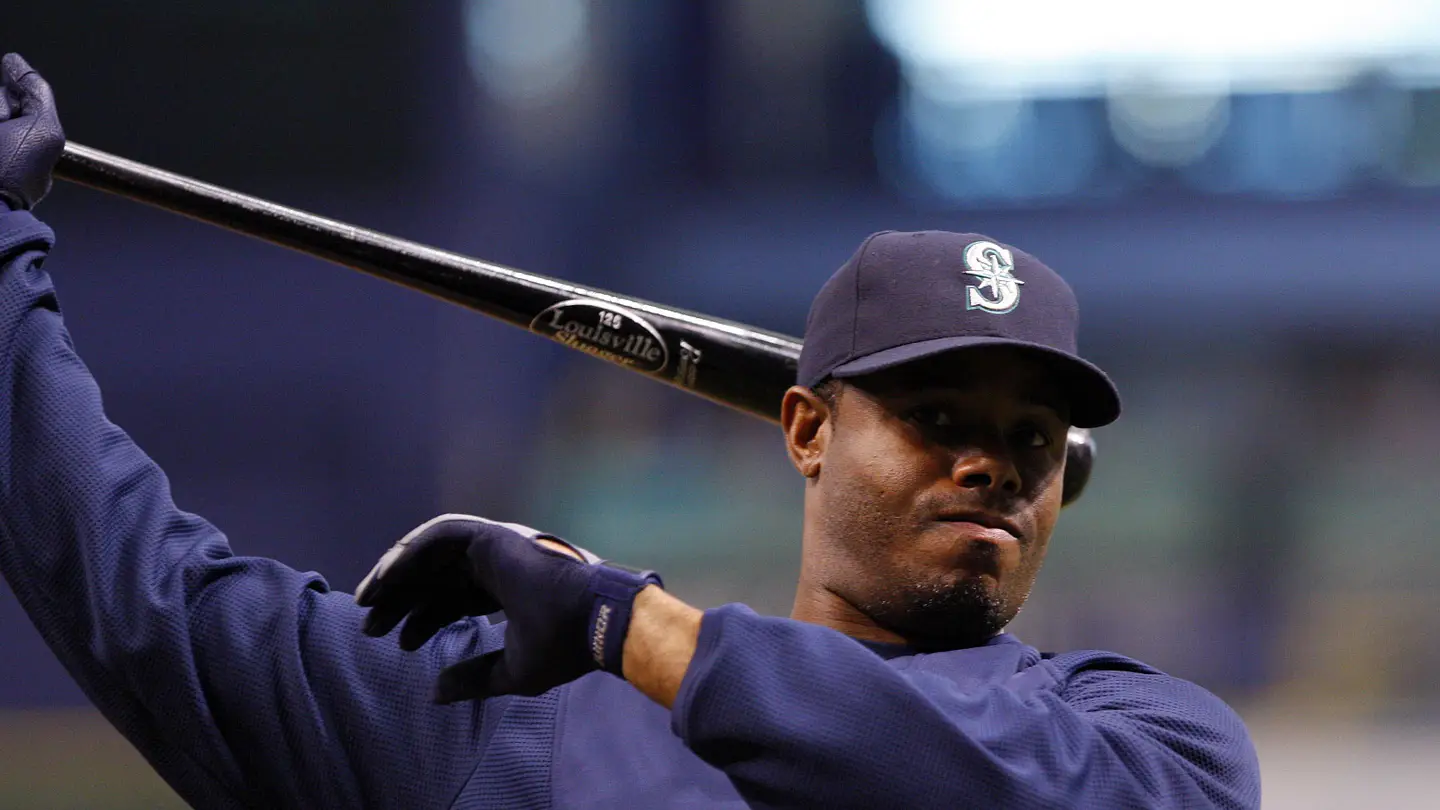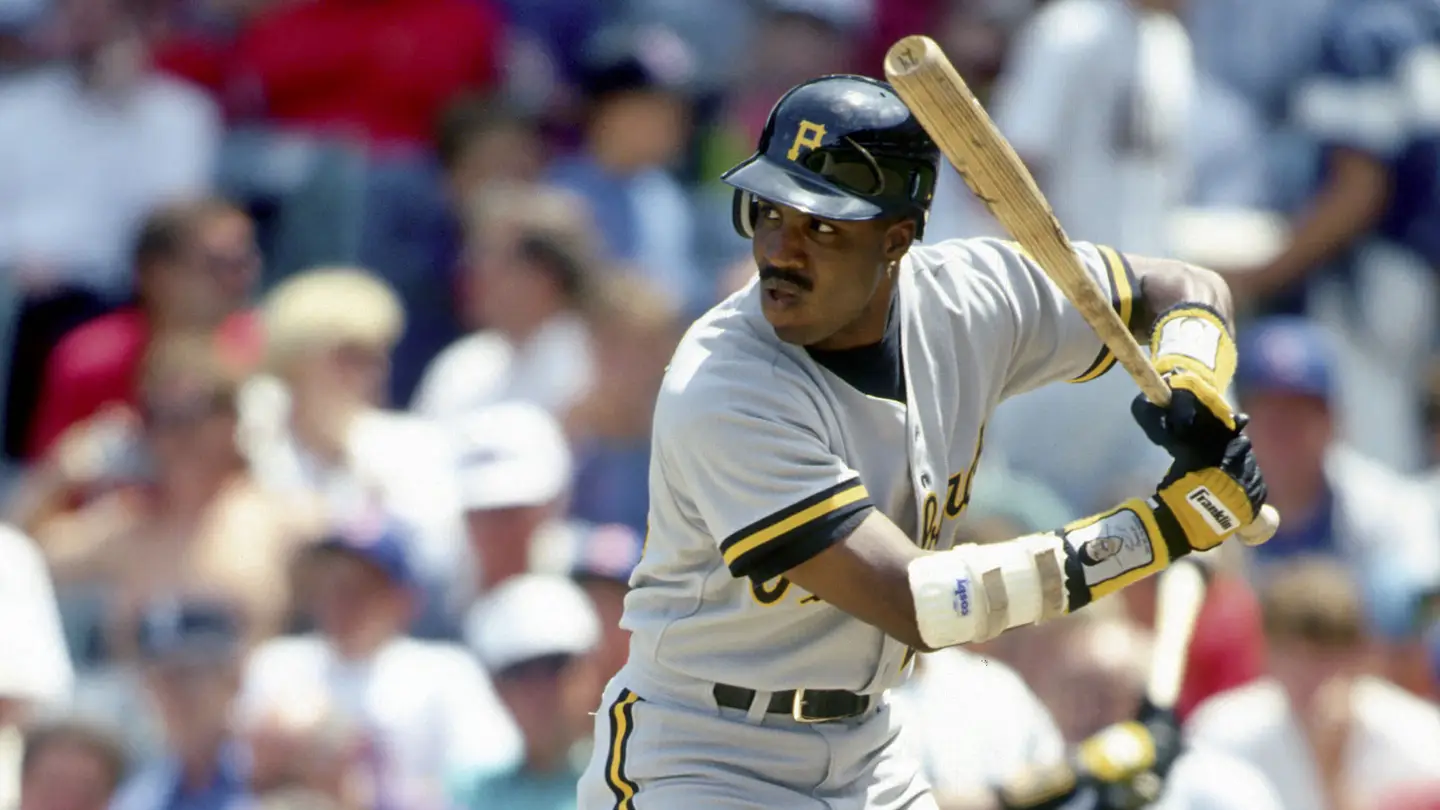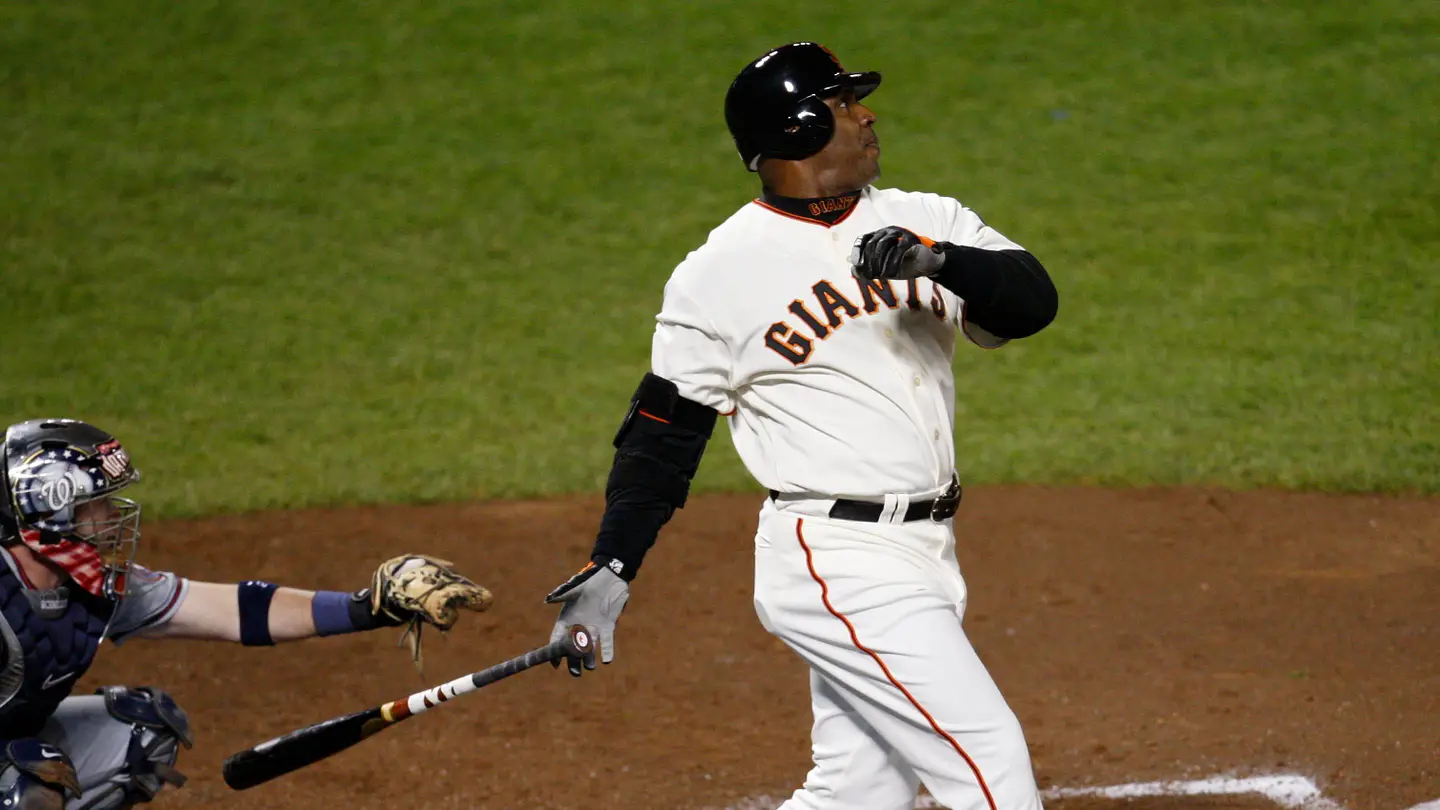
Topps Series 2 Baseball is a key set within the hobby, not only for set collectors but also for those looking for the first Topps rookies of certain players. Although collectors are used to the current release format (Series 1, Series 2, Update), the Flagship product was not always done this way. As a result, Series 2 has looked very different throughout its storied history. JUNE 26, 2000: Ken Griffey Jr. watches his ball fly over the fence for a 2-run home run in the first inning against the St. Louis Cardinals Monday at Cinergy Field.
Text 2000 06 26 08 02 Reds Sports Nikon Digital Image The Cincinnati Reds Ken Griffey Jr Watches His Ball Fly Over The Fence For A 2 Run Homerun Bringing In Teammate Dmitre Young In The 1st Inning Against The St Louis Cardinals Monday At Cinergy Field Jeff Swinger Cincinnati Enquirer Js | Jeff Swinger via Imagn Content Services, LLCHere is a look at Topps Series 2 Baseball through the years, noting it's evolution and continuity. The Vintage Era Results In Numerous Series ReleasesBack when the first Topps Baseball cards were released, there were no technical series designations. Increments of cards were released in certain waves, which is why some sets have as many as six series and high numbers. Certain series were also printed in large numbers, leading to some natural scarcity. This is a drastic difference from how the product looks today as a standalone release. 1958 Topps Baseball Mickey Mantle BGS 7 | eBay Once the 1980s and early 1990s hit, the multiple series format actually went away. All of the cards in the set were released at once, giving collectors 700-plus cards to chase depending on the year. This design could spark some debate about whether Topps should just do this now. However, it would eliminate the possibility of call-ups and breakout stars having their rookies included in the year's Flagship release, and would have to be pushed to either next year or an update release. The Current Configuration of Series 2 Begins in 1993It was not until 1993 that Topps began planning another multi-series release. Back in 1993, there were no inserts to chase. But Topps Gold cards were all the rage. These were base cards with gold foil, with player information on the front. While they may seem simple now, they were a true innovation in the hobby at the time. 1993 Topps Baseball Ken Griffey Jr Gold | eBay Fast forward to 1999, and Chrome Mystery Finest cards are a key chase insert. Refractor versions could be pulled, and this is in the middle of a period when more and more inserts are being included in hobby releases. In just these six years, the variety of inserts spiked significantly. 1999 Topps Baseball Barry Bonds All Topps Mystery Finest Refractor | eBay The Modern Era Sees Autograph Inclusion and ParallelsIn 2006, autographs started to be included in the product more regularly. While they were included in prior Series 2 releases, this is when they started to feel attainable to collectors opening product. On top of all of this, more and more names were signing. Some of the names with autographs in 2006 Topps Baseball packs include Barry Bonds, Alex Rodriguez, Dave Winfield, Gary Sheffield, Ryne Sandberg, and Wade Boggs. For those who had been collecting since the 70s and 80s, the evolution must have been staggering. 2006 Topps Baseball Series 2 Jonathan Papelbon Autograph | eBay Moving all the way to 2024, a rise of parallels came to Topps Series 2. Including parallels that can be found in factory sets, there are 49 total parallels of each base card that can be obtained. Parallels like Gold and Black had been around for a number of years and had good hobby footing. New editions like Holiday Hot Dogs, Purple, Royal Blue, Team Border, and Yellow Parallels may not have been met with as much fanfare. But this is what drives interest in Topps Series 2 today - the parallel and autograph chases. 2024 Topps Baseball Series 2 Junior Caminero Holiday Hot Dog Parallel | eBay Throughout the years, Topps Series 2 Baseball has changed in many ways. From not even being a standalone product to containing inserts, autographs, and countless parallels, it has evolved along with the hobby. Moving forward, it will be interesting to see how it evolves while maintaining tradition.Add us as a preferred source on GoogleFollow