Dmitry Medvedev, deputy chairman of Russia's Security Council, told a domestic audience on Tuesday that an international court in The Hague had effectively endorsed Russia's borders as they now stand. Writing on the Russian platform Max, he framed the outcome as a turning point. "In essence, an international court has for the first time recognized our country's sovereignty within its new borders," he wrote, adding that the decision was "of great importance for the future." The claim is sweeping, and it does not match what the court actually decided.
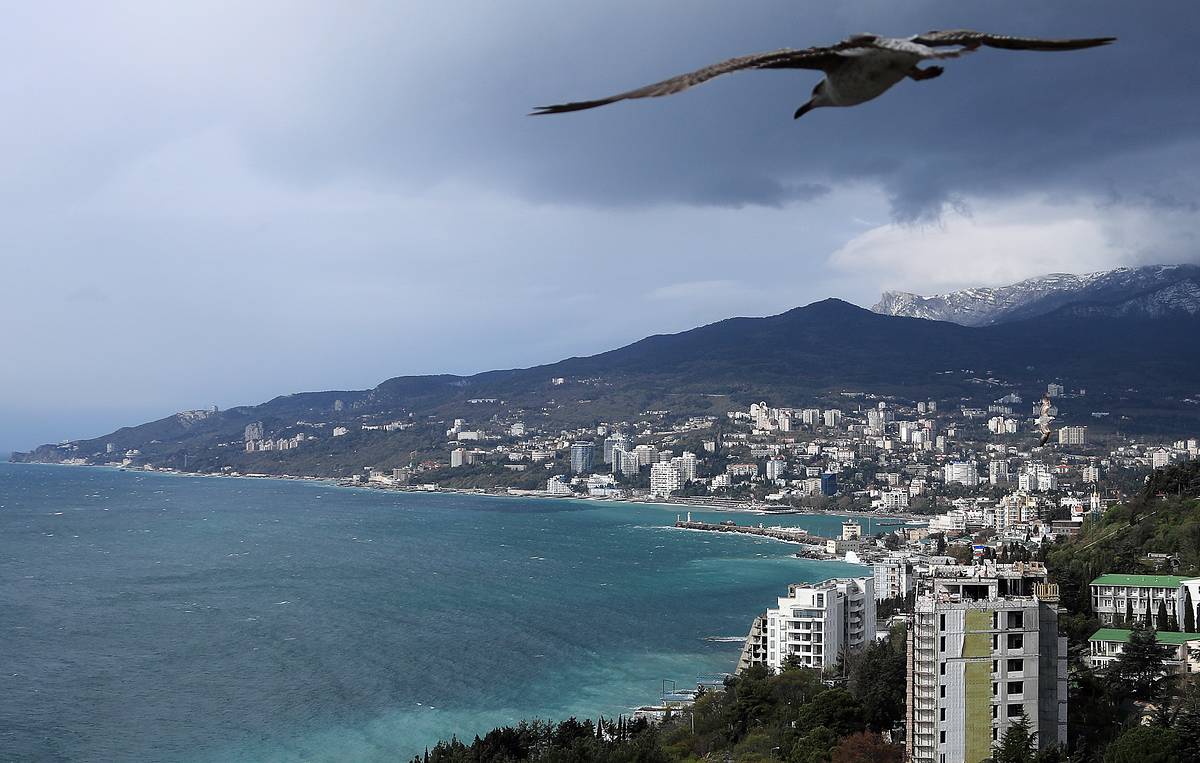
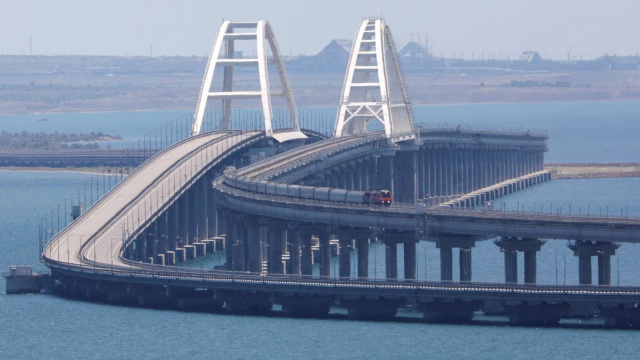
The ruling Medvedev was reacting to came from the Permanent Court of Arbitration, which on Monday published the final award in a case Ukraine first brought in 2016. One point is worth getting right, since several outlets have muddled it: this was an arbitration tribunal operating under the UN Convention on the Law of the Sea, with the PCA serving as registry, not the International Court of Justice. The dispute concerned maritime rights in the Black Sea, the Sea of Azov and the Kerch Strait: navigation, fishing, seabed resources, environmental obligations. The question of who owns Crimea was not part of it.
That distinction is the whole story. An arbitration panel constituted under the Law of the Sea convention has no authority to decide questions of land sovereignty. Russia argued from the start that Ukraine was trying to smuggle the Crimea question into a maritime forum, and in 2020 the tribunal partly accepted that objection, requiring Kyiv to refile its claims without the parts that depended on a ruling about sovereignty. By its own design, then, the case that concluded this week could not have recognized anyone's borders, new or old.