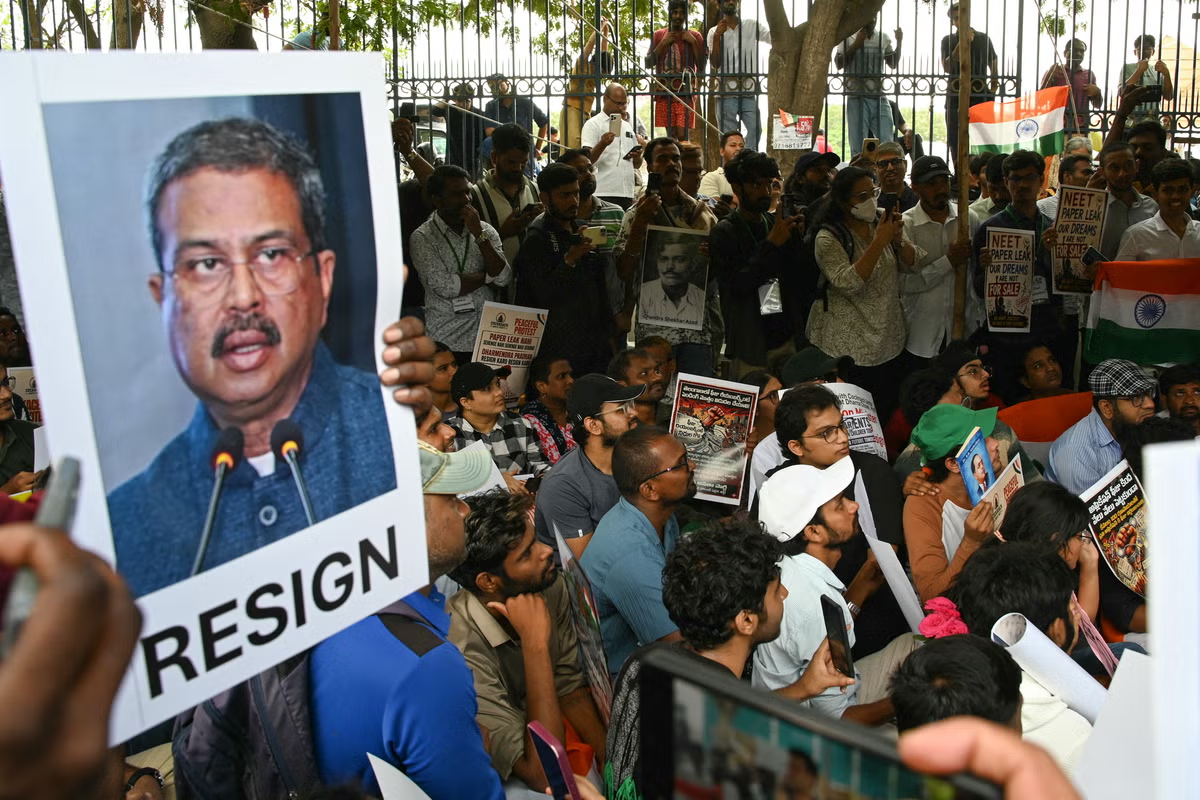
Telegram ban: Telegram founder Pavel Durov has strongly reacted after India temporarily blocked access to the messaging platform, saying the move has “punished” over 150 million ordinary users instead of targeting the real culprits behind exam leaks.In a post on X (formerly Twitter), Durov criticized the decision and argued that the restriction would not solve the problem, claiming that leaked content would simply shift to other platforms.His remarks come after the Indian government ordered a temporary ban on Telegram until June 22 over allegations that the app was being used to facilitate cheating in NEET exams.ALSO READ: Is Telegram banned in India?What Pavel Durov said about the Telegram banDurov directly addressed the scale of the impact, pointing to Telegram’s massive user base in India. He said the Telegram ban “punishes 150M+ ordinary Telegram users in India — not the insiders who leaked the exam materials.”He also questioned the effectiveness of the ban, suggesting that it would not stop illegal activity online. “And the ban hasn't stopped anything. The leaks just moved to other apps.”— durov (@durov) According to Durov, targeting a platform used by millions does little to prevent organized cheating networks from continuing their operations elsewhere.ALSO READ: 80,000-year-old Antarctic ice reveals radioactive stardust still falling on EarthWhy India banned Telegram temporarilyThe Ministry of Education said the decision was taken after concerns that Telegram was being used to “defraud candidates” appearing for the National Eligibility cum Entrance Test (NEET), a key medical entrance exam in India, according to Reuters.The government has restricted access to the app for a “defined and limited period”, using provisions under the IT law that allow blocking services in the “interest of sovereignty and integrity of India”.Officials said earlier attempts to remove such content from the platform had not been successful, leaving them with no choice but to take stronger action.NEET exam leak controversy triggers crackdownThe Telegram restriction comes after a major controversy involving leaked exam papers for NEET, which led to the cancellation of a previous exam cycle. Authorities later scheduled a fresh examination for June 21 after widespread protests from students across the country.The leaks sparked demonstrations in several states, with students demanding accountability and stricter action against exam fraud networks.Government defends move as “last resort”While the ban has raised concerns among digital rights activists, the government has defended its decision. Officials said the action was taken as a “last resort” after repeated efforts to curb the circulation of leaked content failed.A statement from the National Testing Agency said the restriction was necessary due to the “organised use of the platform by cheating rackets to defraud candidates appearing for the NEET 2026 re-examination scheduled on 21 June 2026.”The government also acknowledged the disruption caused by the ban, saying it “regrets the inconvenience caused” and noting that the decision may affect “hundreds of thousands of people”.India is Telegram’s biggest marketTelegram has grown rapidly in India and is one of its largest user bases globally by downloads. However, WhatsApp remains the dominant messaging platform in the country.The temporary restriction is being seen as a rare and sweeping move, affecting a platform that is widely used not just for news and groups, but also for everyday communication.Telegram did not immediately respond to requests for comment on the ban. The decision has once again triggered debate over the use of strict IT laws in India and whether blocking entire platforms is an effective way to handle online fraud.
India Telegram Ban Update: Founder Pavel Durov says 'ban hasn't stopped anything, leaks just moved...'
Telegram ban India: Telegram founder Pavel Durov criticized India's temporary ban on the messaging app, arguing it punishes over 150 million users instead of exam leak culprits. The government cited the app's use in NEET exam cheating as the reason for the ban, a move Durov claims is ineffective as leaks will simply shift to other platforms.
570 words~3 min read