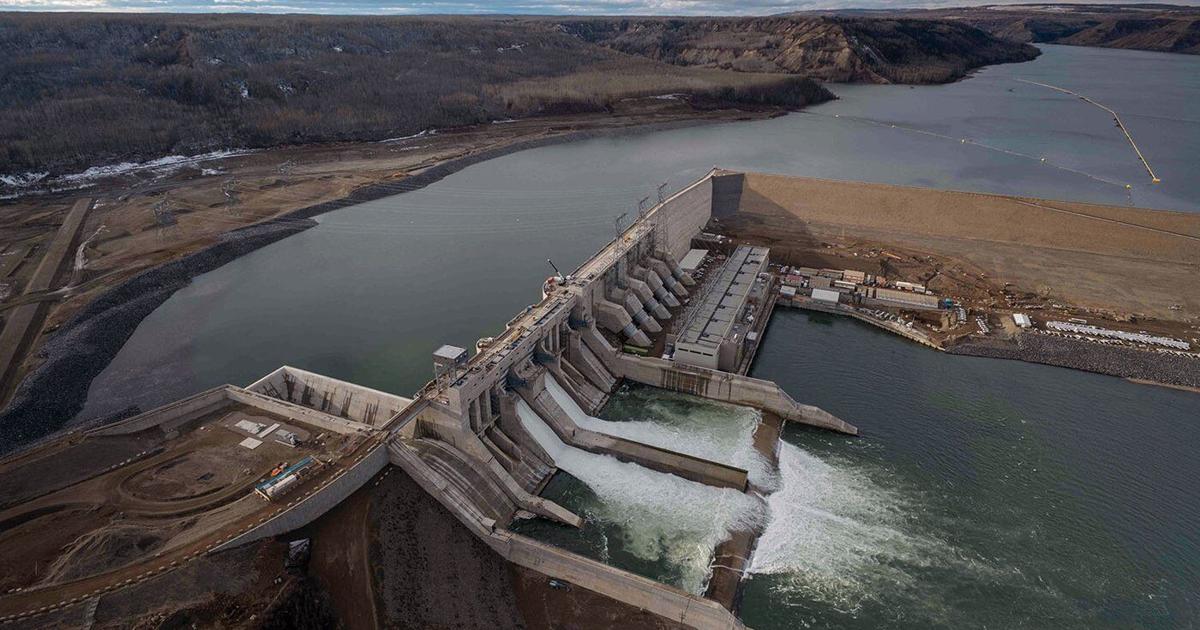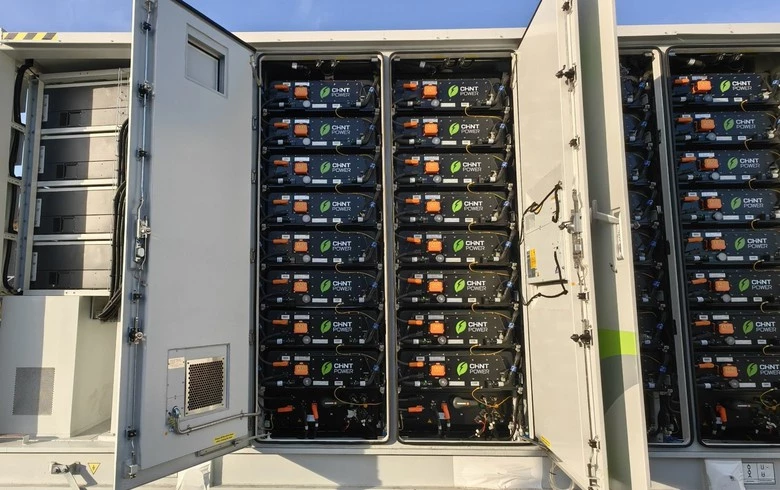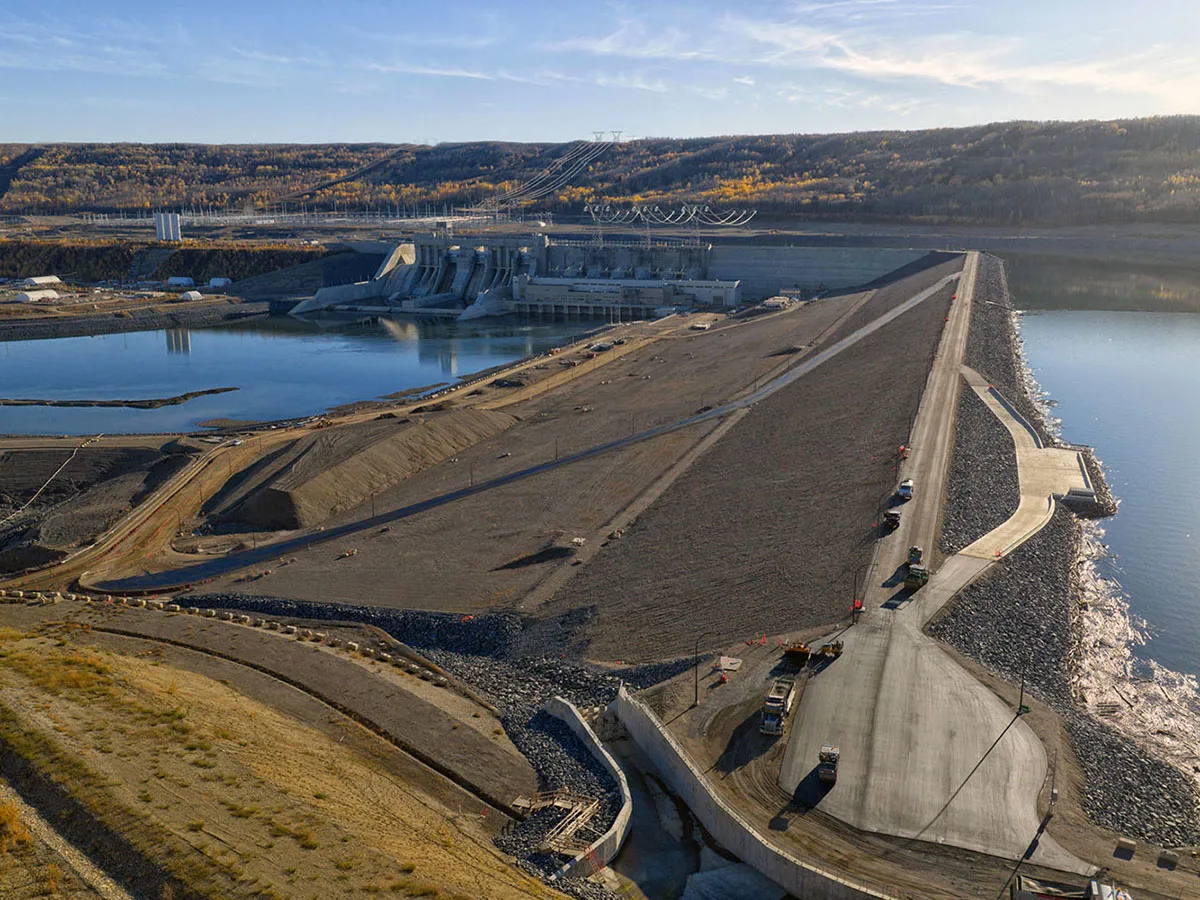
Skip to Content News Archives Economy Energy Oil & Gas Renewables Electric Vehicles Mining Commodities Agriculture Real Estate Mortgages Mortgage Rates Finance Banking Insurance Fintech Cryptocurrency Work Wealth Smart Money Wealth Management Investor Personal Finance Family Finance Retirement Taxes High Net Worth FP Comment Executive Women Puzzmo Newsletters Financial Times Business Essentials More Innovation Information Technology FP500 Podcasts Small Business Lives Told Tails Told Shopping Financial Post Store Obituaries Place a Notice Advertising Advertising With Us Advertising Solutions Postmedia Ad Manager Sponsorship Requests Classifieds Place a Classifieds ad Working Profile Settings My Subscriptions Saved Articles My Offers Newsletters Customer Service FAQ News Economy Energy Mining Real Estate Finance Work Wealth Investor FP Comment Executive Women Puzzmo Newsletters Financial Times Business Essentials HomeEnergyNewsB.C. eyes new hydro megadams to meet soaring power demandsProvince wants to increase electricity supplies by 50% by 2050Last updated 14 hours ago You can save this article by registering for free here. Or sign-in if you have an account.The Site C hydroectric station on the Peace River near Fort St. John. B.C. Hydro is considering new hydroelectric megadams on the river. Photo by B.C. HydroB.C. Hydro will consider building new hydroelectric megadams on the Peace River and on the province’s Central Coast as part of the long-term plan to increase electricity supplies by 50 per cent by 2050, Energy Minister Adrian Dix announced Monday.Subscribe now to read the latest news in your city and across Canada.Exclusive articles from Barbara Shecter, Joe O'Connor, Gabriel Friedman, and others.Daily content from Financial Times, the world's leading global business publication.Unlimited online access to read articles from Financial Post, National Post and 15 news sites across Canada with one account.National Post ePaper, an electronic replica of the print edition to view on any device, share and comment on.Daily puzzles, including the New York Times Crossword.Subscribe now to read the latest news in your city and across Canada.Exclusive articles from Barbara Shecter, Joe O'Connor, Gabriel Friedman and others.Daily content from Financial Times, the world's leading global business publication.Unlimited online access to read articles from Financial Post, National Post and 15 news sites across Canada with one account.National Post ePaper, an electronic replica of the print edition to view on any device, share and comment on.Daily puzzles, including the New York Times Crossword.Create an account or sign in to continue with your reading experience.Access articles from across Canada with one account.Share your thoughts and join the conversation in the comments.Enjoy additional articles per month.Get email updates from your favourite authors.Create an account or sign in to continue with your reading experience.Access articles from across Canada with one accountShare your thoughts and join the conversation in the commentsEnjoy additional articles per monthGet email updates from your favourite authorsSign In or Create an AccountorThe government-owned utility is evaluating the viability of a Site E dam on the Peace River, an estimated 750 megawatt facility some 60 kilometres east of the recently completed 1,100 megawatt John Horgan Dam, and up to 900 megawatts of generation near Bute Inlet on B.C.’s Central Coast.The John Horgan Dam ended up costing about $16 billion.Breaking business news, incisive views, must-reads and market signals. Weekdays by 9 a.m.By signing up you consent to receive the above newsletter from Postmedia Network Inc.A welcome email is on its way. If you don't see it, please check your junk folder.The next issue of Posthaste will soon be in your inbox.We encountered an issue signing you up. Please try again“Our province is growing in an unprecedented way, equivalent and more to what we saw in the 1960s, which means the need for our clean electricity is soaring,” Dix said in the announcement.After about 18 years of near flat electricity demand, Dix said “that’s changing and we’re responding.”Dix said the province will have to lift parts of the ban on major hydro projects that former Premier Gordon Campbell wrote into his government’s Clean Energy Act, but considers such facilities essential as part of “B.C. Hydro’s defining opportunity to build on our clean-energy advantage.”According to B.C. Hydro, Site E refers to one of five viable locations for dams on the Peace River identified in 1958 by B.C. Hydro’s predecessors for additional facilities downstream of the W.A.C. Bennet and Peace Canyon dams.B.C. Hydro determined in 1978 that Site C, now the John Horgan Dam, was the best of the five, however Dix said the potential Site E facility was identified as among the next-best locations for major-hydro development in the process of searching out new baseload power.No initial cost estimates were included in the plan Dix released alongside B.C. Hydro CEO Charlotte Mitha and B.C. Building Trades Council executive director Bryn Bourke.“At first, you have to assess the viability of the project in detail,” Dix said.The projects will require “deep, in-depth review, and that’s what we’re doing now.”The province unveiled the potential new dams within a document titled Powering Growth, the next step in a series of announcements by B.C. Hydro that include commissioning a new call for power and relaunching its Power Smart program as Version 2.0.B.C. is expecting its power needs to grow by 50 per cent by 2050 and Dix said the document highlights government’s three-pillar approach to meeting that need. It starts with conservation, the Power Smart 2.0 plan and optimization of its existing system, such as the addition of a sixth generating unit at the Revelstoke Dam along with upgrades to other power stations.The third pillar, however, is building new facilities and Dix said that might include additional dams, along with potential geothermal and biomass power along with utility-scale battery systems to backup renewable power.Dix said that B.C. has “generational opportunities” in mining, in port expansion to fuel Canadian exports and in developing renewable power to meet provincial emission reduction goals, but needs additional baseload energy to backup its system.Critics and climate groups welcomed the spirit of the province’s move to expand electricity generation, but pointed out shortcomings in its elements.The renewable energy think-tank Clean Energy Canada credited B.C. Hydro for including “all the right elements,” but lacked ambition in its target for growth.Joanna Kyriazis, the group’s director of policy and strategy, said the 50 per cent assumption is already “out of step with federal electricity ambitions.”“Without the right trajectory, B.C. risks having to make difficult choices between industrial electrification and the electrification of homes and transportation that will help save British Columbians money at a time when gas prices and costs of living are already high,” Kyriazis said.Barry Penner, chair of the think-tank Energy Futures Initiative, said he was surprised to see the NDP government propose new dams, considering how it opposed the Site C dam.“It’s good that the government is acknowledging we need firm dispatch-able power after years of telling us that wind power and solar was going to be enough,” said Penner, a former cabinet minister in the government that approved the now-John Horgan Dam.However, Penner said that new additional dams still don’t address the potential supply gap that B.C. Hydro expects as early as 2030. Join the Conversation This website uses cookies to personalize your content (including ads), and allows us to analyze our traffic. Read more about cookies here. By continuing to use our site, you agree to our Terms of Use and Privacy Policy.
B.C. eyes new hydro megadams to meet soaring power demands
Energy Minister Adrian Dix said B.C. will have to build new power projects to increase its energy supply by 50 per cent by 2050. Read more.
1,205 words~5 min read