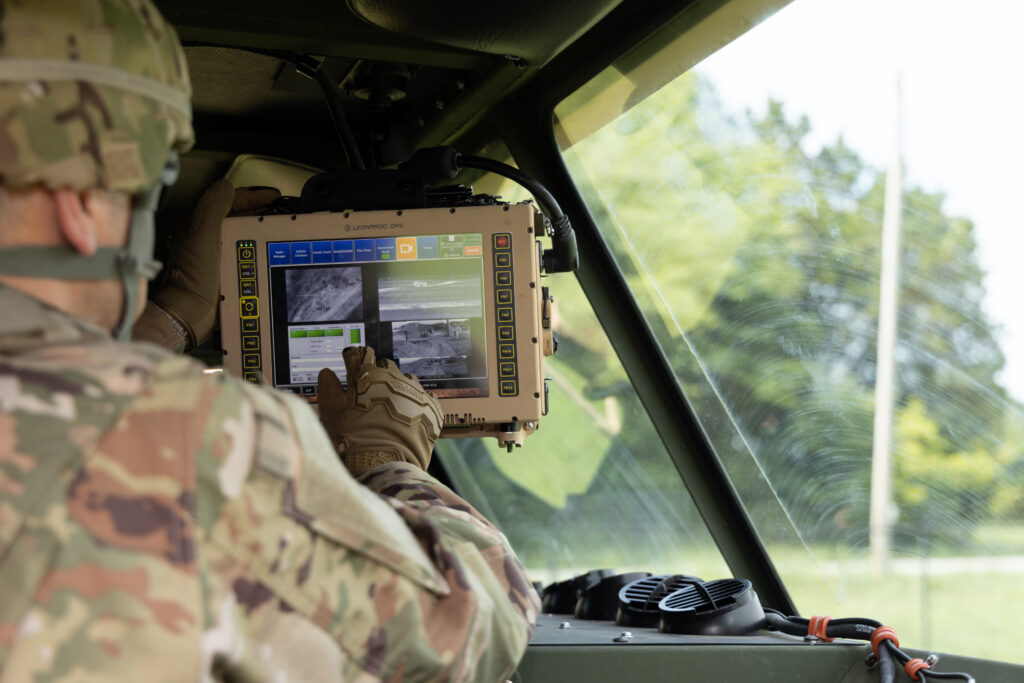
With European defense budgets surging and drone warfare reshaping the front lines, Breaking Defense talked with Bill Guyan, Senior Vice President, Business Development and President, International Business, Leonardo DRS, about why the next decisive edge in warfare won’t necessarily come from more missiles. It will come from better data, smarter sensors and radar, and artificial intelligence (AI) pushed forward.
Breaking Defense: European defense investment seems to be at an inflection point. Where is the money going, and why now?
Guyan: The European investment in defense has been just at or below the two percent NATO spending requirement for many years. This is a situation that’s been highlighted by the administration, and through a combination of the administration’s pressure and attention, and also because of the change in the threat environment, we’re seeing dramatic spending increases and modernization of forces across Europe.
While it appears that the US Army may end up being the bill-payer for some other areas of Department of War modernization like Golden Dome or shipbuilding and aircraft, there are some Land areas that we’re seeing growth – like, for example, air and missile defense, counter-UAS, and next-generation command and control. In Europe, the deferred modernization and the small size of the armed forces have left many feeling vulnerable and so they’re building up their capabilities.