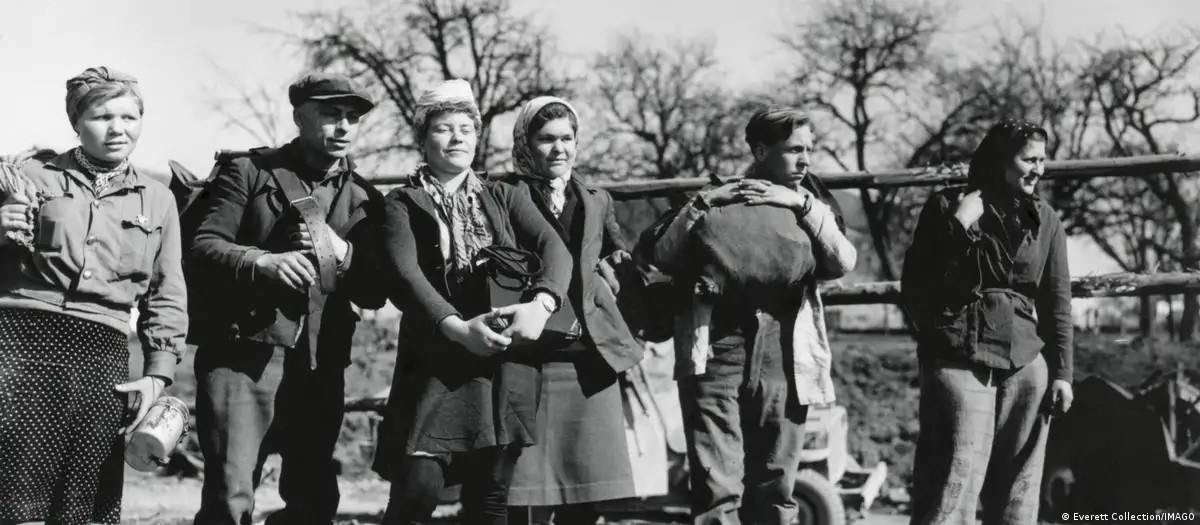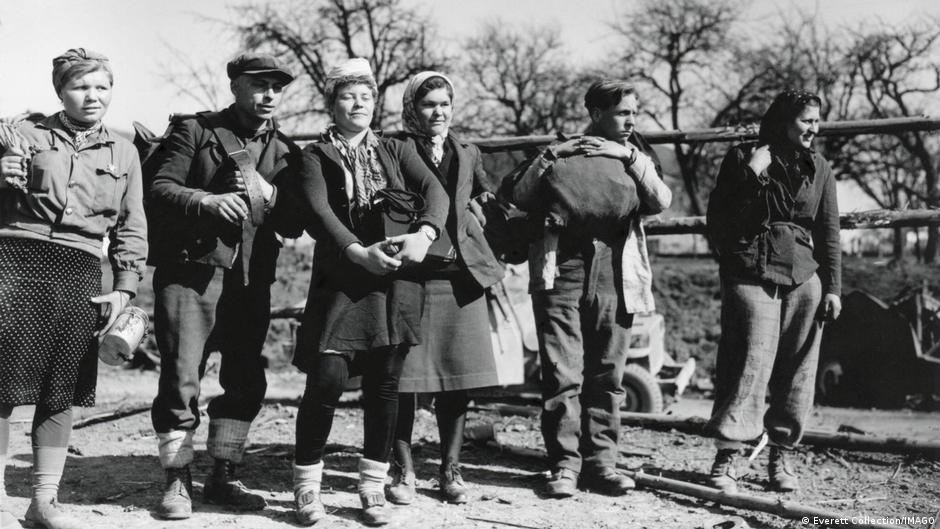
Germany's Foundation Remembrance, Responsibility and Future (EVZ) is this month marking 25 years since it first paid compensation to the last survivors forced to work under the Nazi regime.
But some argue that those payments should have begun much sooner after the end of World War II in 1945, and should have been much larger. According to the EVZ, €4.4 billion ($5.1 billion) were paid to 1.66 million former forced laborers and their legal successors in around 100 countries between 2001 and 2007, when the final payments were made.
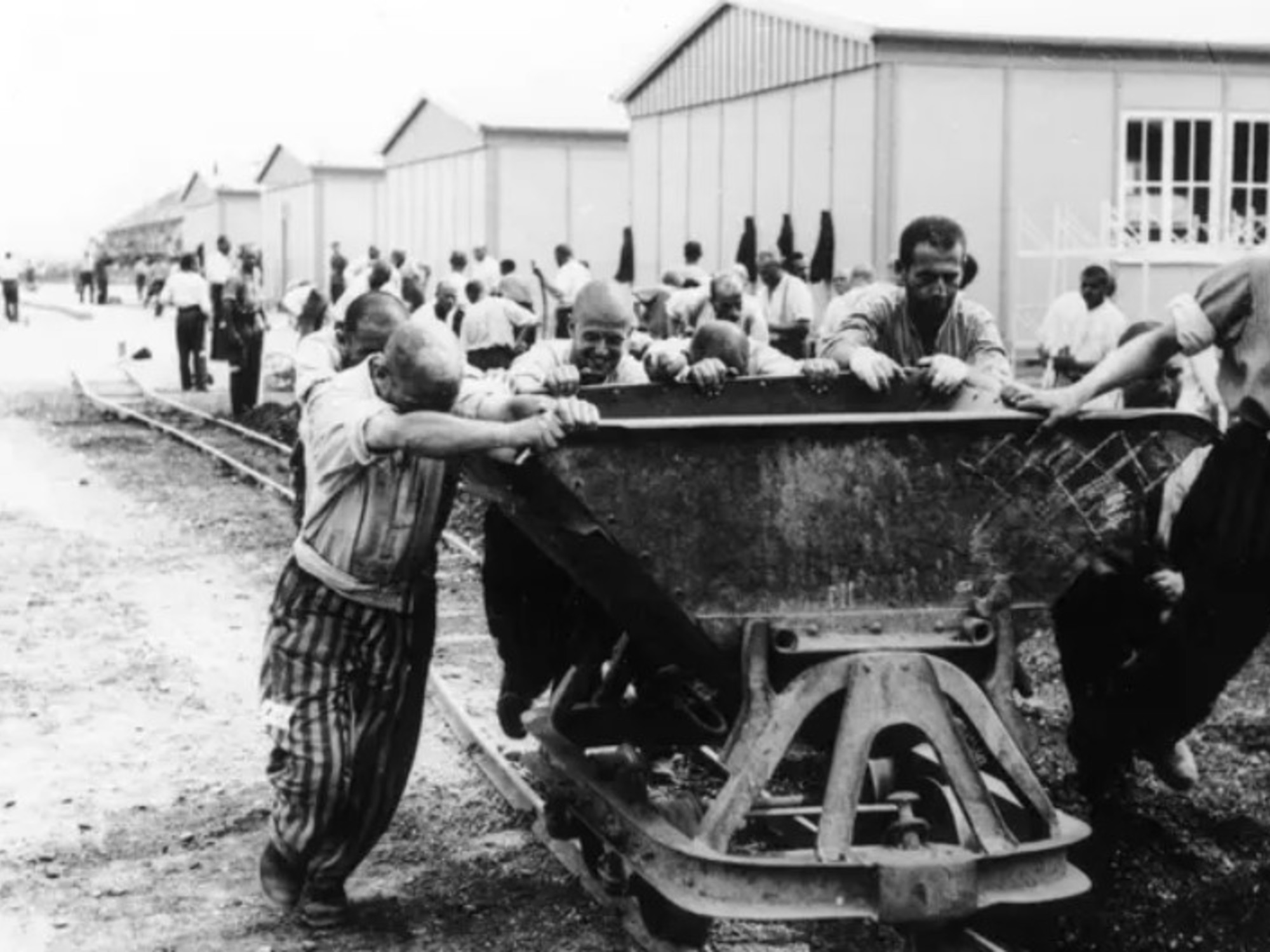
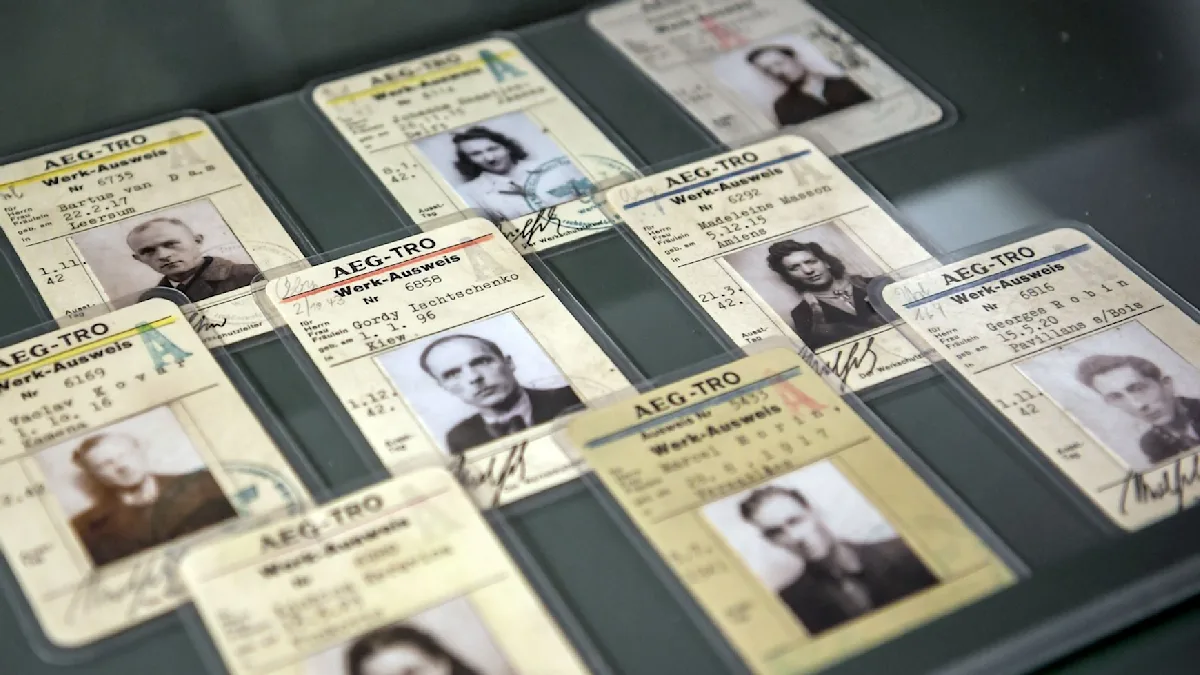
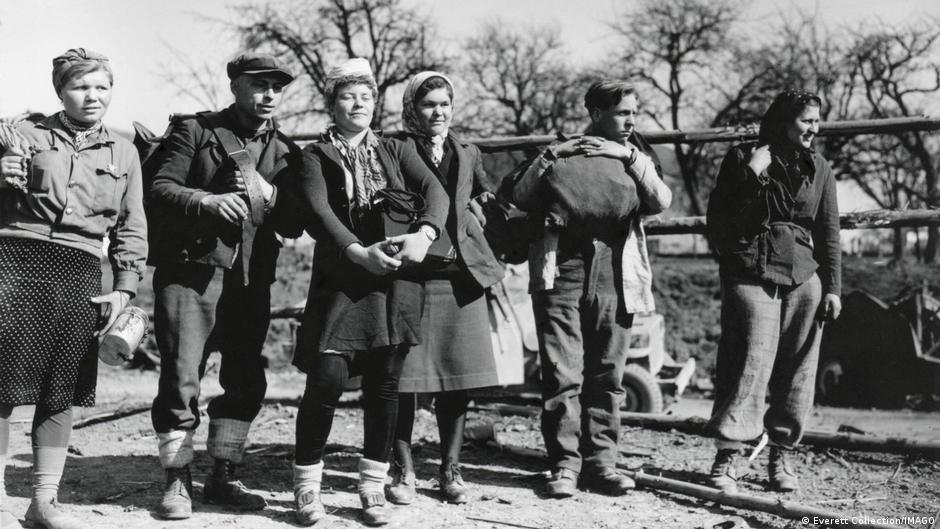
Some 26 million people are believed to have been forced to work for the Nazi regime between 1933 and 1945, around half of them in occupied Europe outside Germany's borders during World War II. Historical studies have found that if the full amount of slave labor performed during the Nazi era were to be compensated, the original fund would have had to comprise between 180 billion and 220 billion Deutschmarks (€90 billion – €112 billion).
"If you ask me personally: Was it a large fund? No, of course not, measured against the injustice," said EVZ head Andrea Despot. "There were around 26 million people who worked in factories, in agriculture, in churches, in private homes, in companies. There was barely a section of society that didn't profit from it. One could say that it did not nearly compensate the damage and the exploitation that happened."