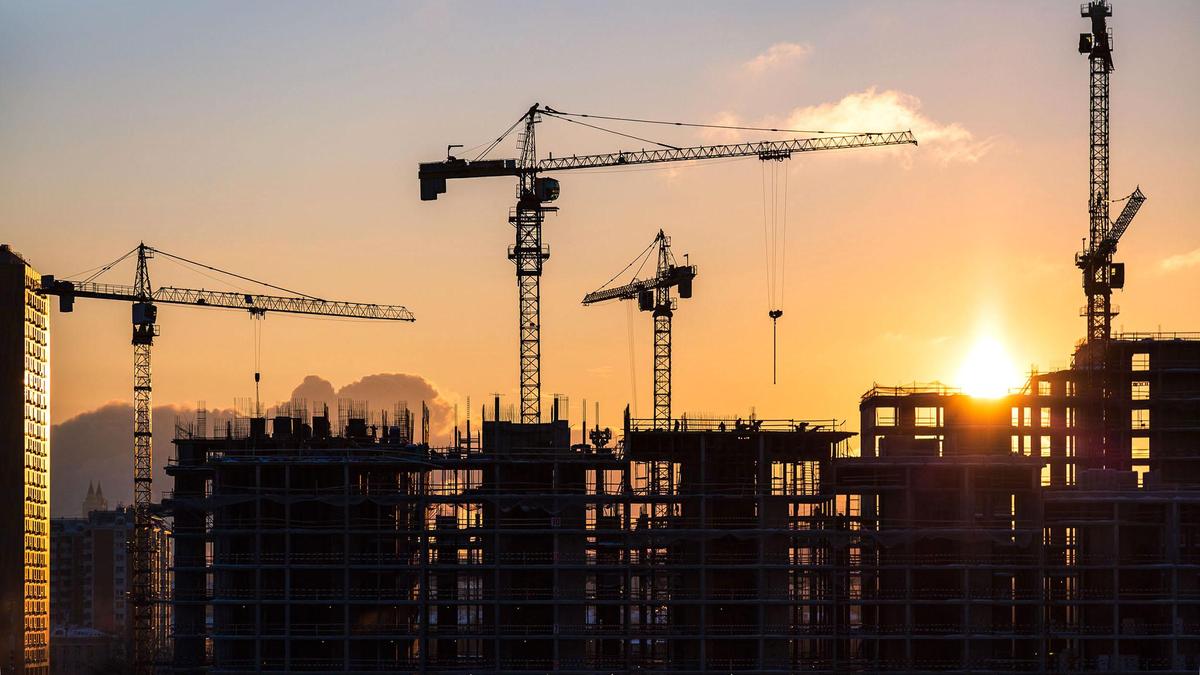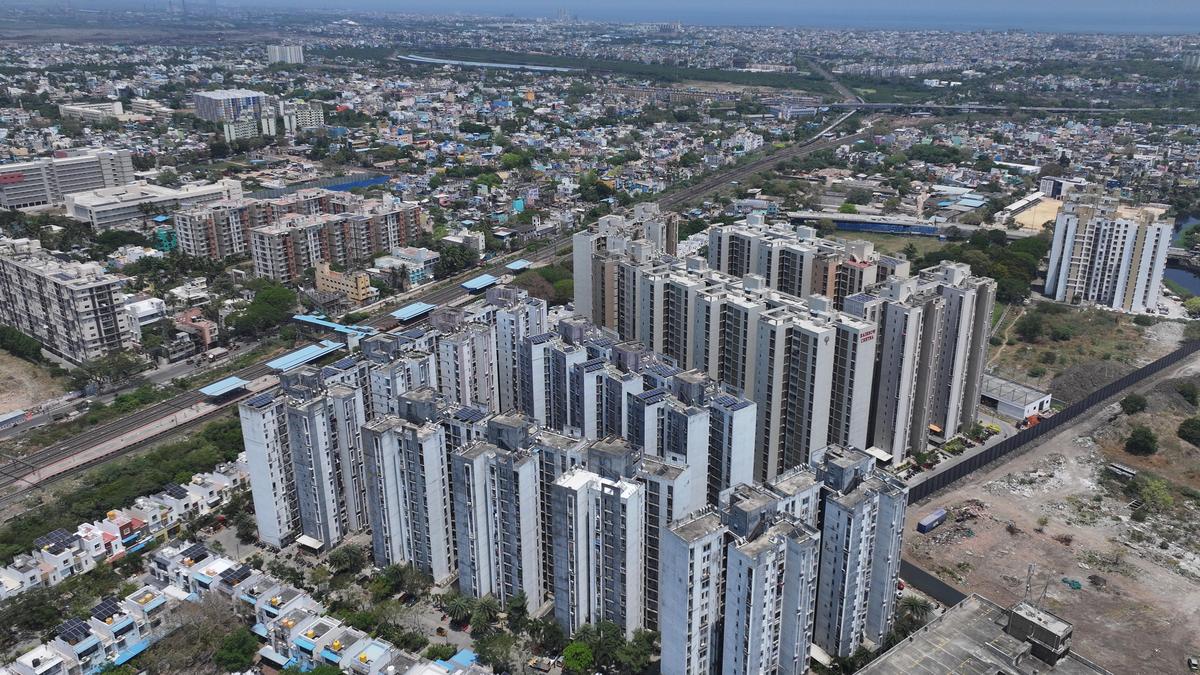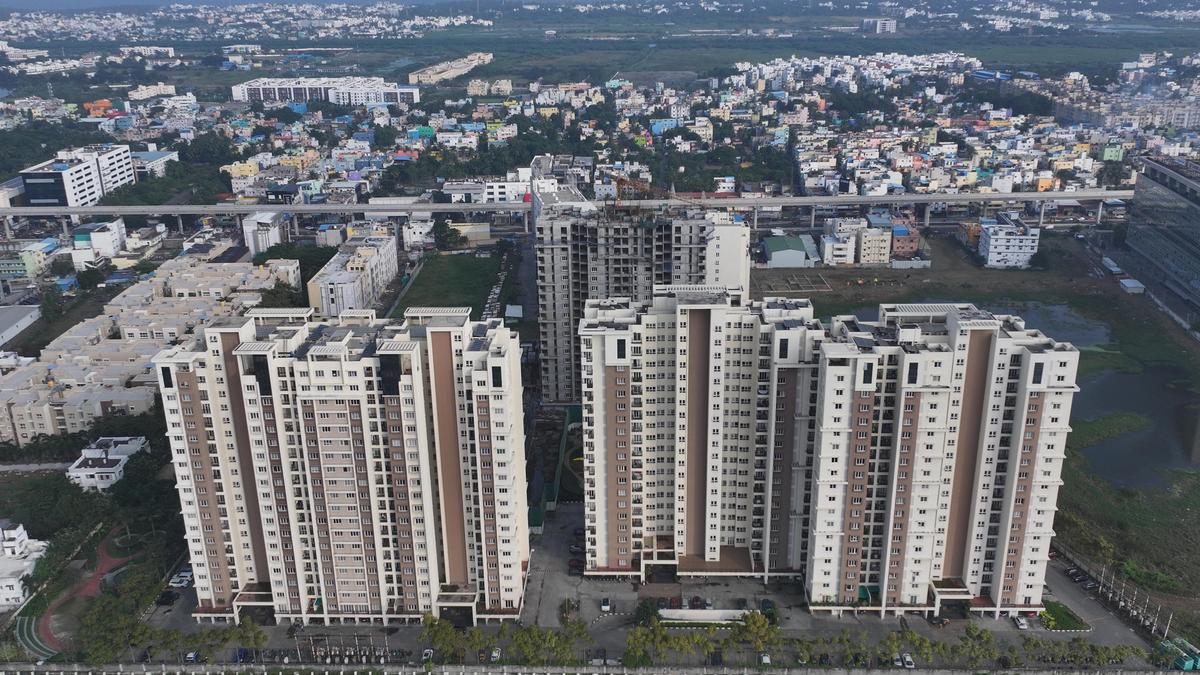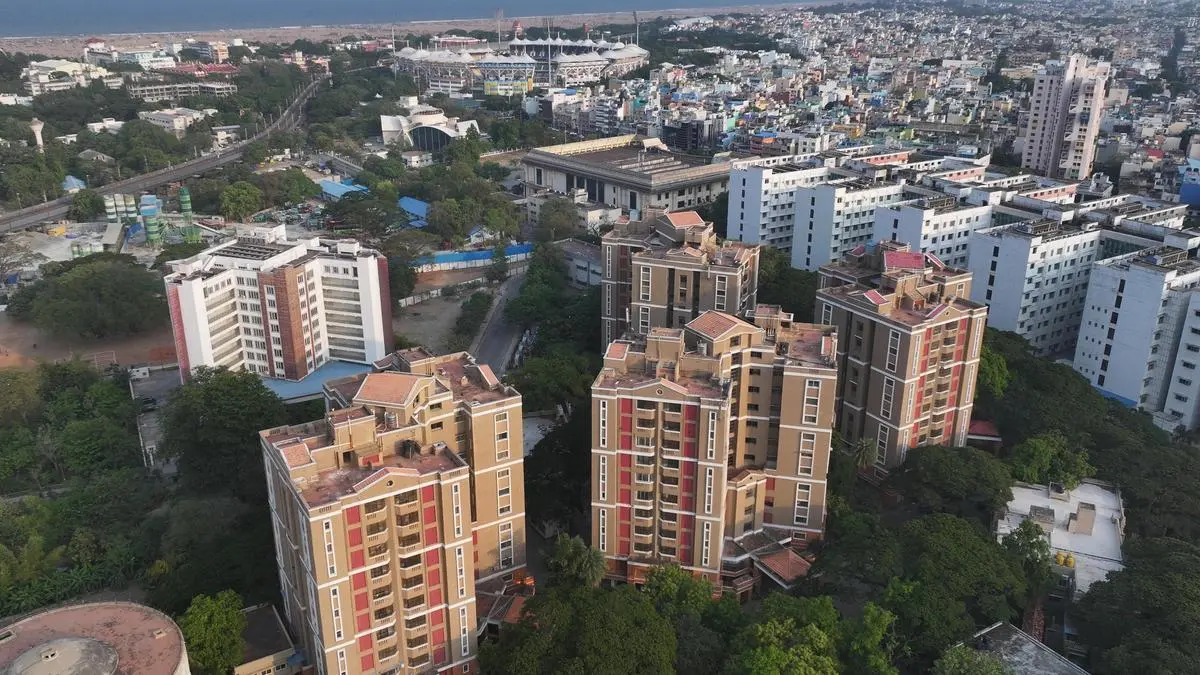
Builders can now execute projects efficiently, staying closely aligned with shifting customer requirements and stipulated deadlines
| Photo Credit:
In a significant reform aimed at improving the ease of doing business, the Tamil Nadu government has empowered the Chennai Metropolitan Development Authority (CMDA) to grant or reject planning permission for high-rise buildings (HRB) in the Chennai Metropolitan Area (CMA), eliminating the need for final government approval. The move is expected to accelerate project clearances, reduce procedural delays and enhance transparency in the approval process.According to real estate industry sources, the decision is expected to shorten the approval process by 30 to 45 days. The authority to issue final orders for HRB projects will now rest with the CMDA, eliminating an additional layer of approvals and reducing bureaucratic hurdles.The move will reduce the time to get clearance by 30 to 45 days and the authority to issue the orders for high rise buildings will stay with the CMDA rather than concerned ministers. This will keep approvals out of ministerial scope, thereby reducing other costs, which could be ₹30 to ₹40 per sq ft said sources.The State government amended Tamil Nadu Combined Development and Building Rules (TNCDBR), 2019. Earlier, proposals for HRB were required to be scrutinised by a designated panel and then forwarded to the State government for final approval.However, based on a request from the Member Secretary of the CMDA, the government has now reconstituted the scrutiny panel and amended the rules to eliminate the need for proposals to be referred to the State government after scrutiny by the committee. Instead, the CMDA will be authorised to grant planning permission directly, subject to compliance with applicable development regulations and building rules.Real estate developers said the change is intended to facilitate faster project approvals, reduce procedural bottlenecks and improve the ease of doing business for the real estate and construction sectors.Mehul H Doshi, President, CREDAI Chennai, said that the move will improve Ease of Doing Business and reduce delays in plan sanction. Since the HRB plans were being thoroughly scrutinised by CMDA, there was no value added in sending the same to the government. It resulted in delaying the approval process, especially during elections as GO’s could not be passed due to the Model Code of Conduct.Quick TurnaroundPradyumna Krishnakumar, Executive Director, Brigade Group, said this simplifies the process and favours a quicker turnaround time for HRB development projects in the city, effectively bypassing the previous lengthy process of multi-layered government approvals.Builders can now execute projects efficiently, staying closely aligned with shifting customer requirements and stipulated deadlines. By accelerating construction timelines and boosting investment, this approach also contributes to the growth of the city’s GDP, promoting a more dynamic and buoyant urban economy, he said.Haresh Kishor, Managing Director, KG Foundations, said earlier that after CMDA and the HRB panel completed the technical scrutiny, the file still had to go to the Government for a separate GO, which was effectively a duplicate layer. By empowering the CMDA to directly issue approvals, the government has removed an unnecessary administrative bottleneck while retaining technical scrutiny. “I would call this reform a red tape killer and hopefully, it is the first of many such changes to come,” he said.For developers, the saving is mainly in time, interest cost, holding cost and uncertainty. Depending on the project, this could save 1 to 2 months; in large projects, even one month saved has a meaningful impact on project IRR and funding cost, which eventually gets passed onto the end customer, he added.Published on June 16, 2026