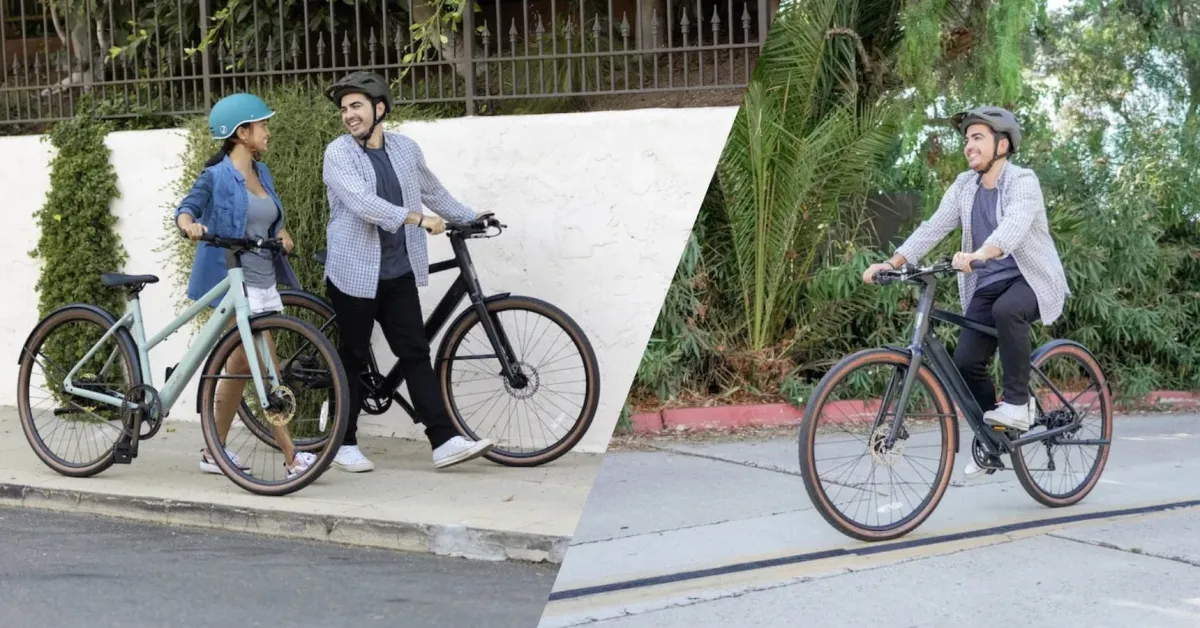
There was a time, not all that long ago, when the electric bicycle industry seemed headed in a very different direction. The promise of the e-bike was elegantly simple: take a normal bicycle and make it easier. Easier to commute, easier to climb hills, easier to ride farther without arriving sweaty, and easier to replace car trips.
And for a while, that’s exactly what much of the industry built.
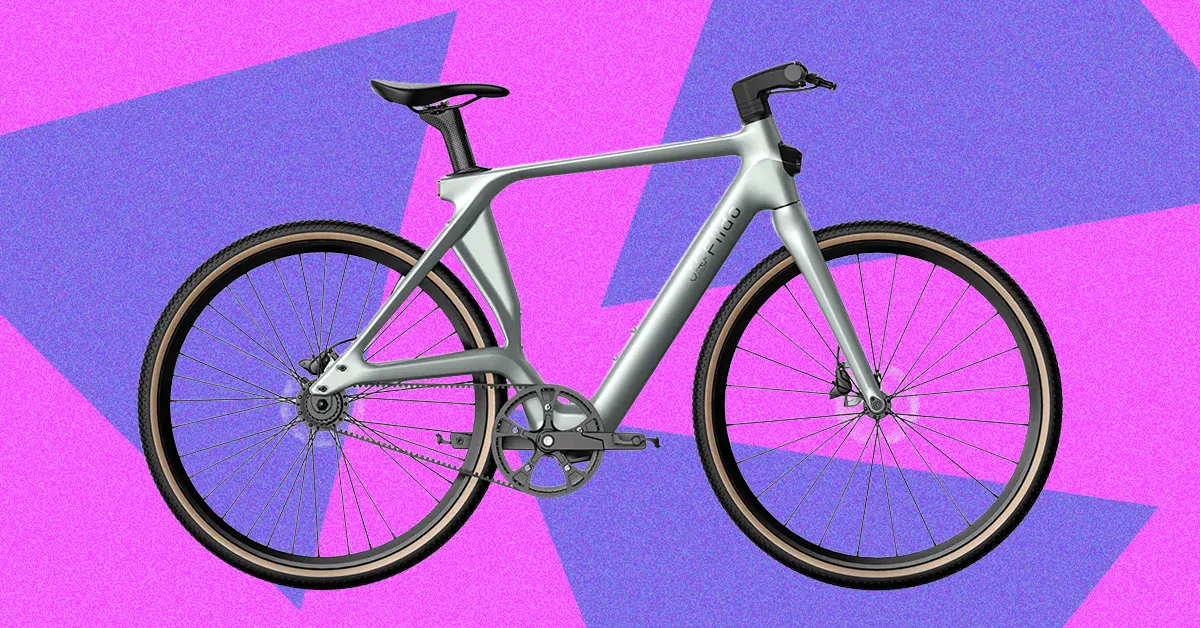
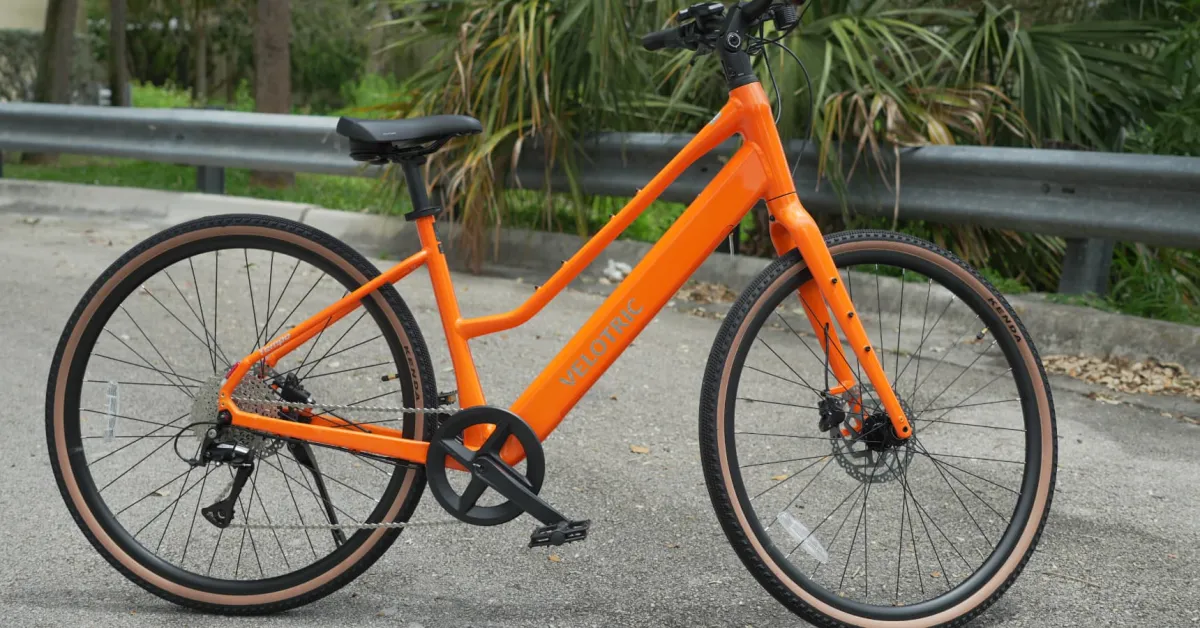
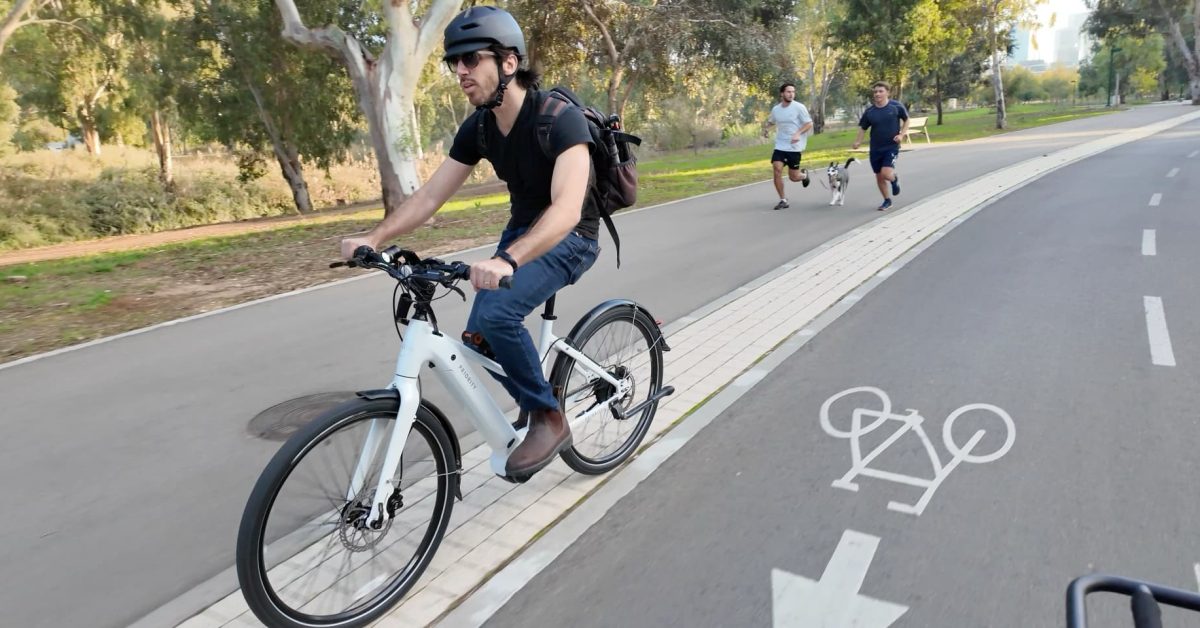
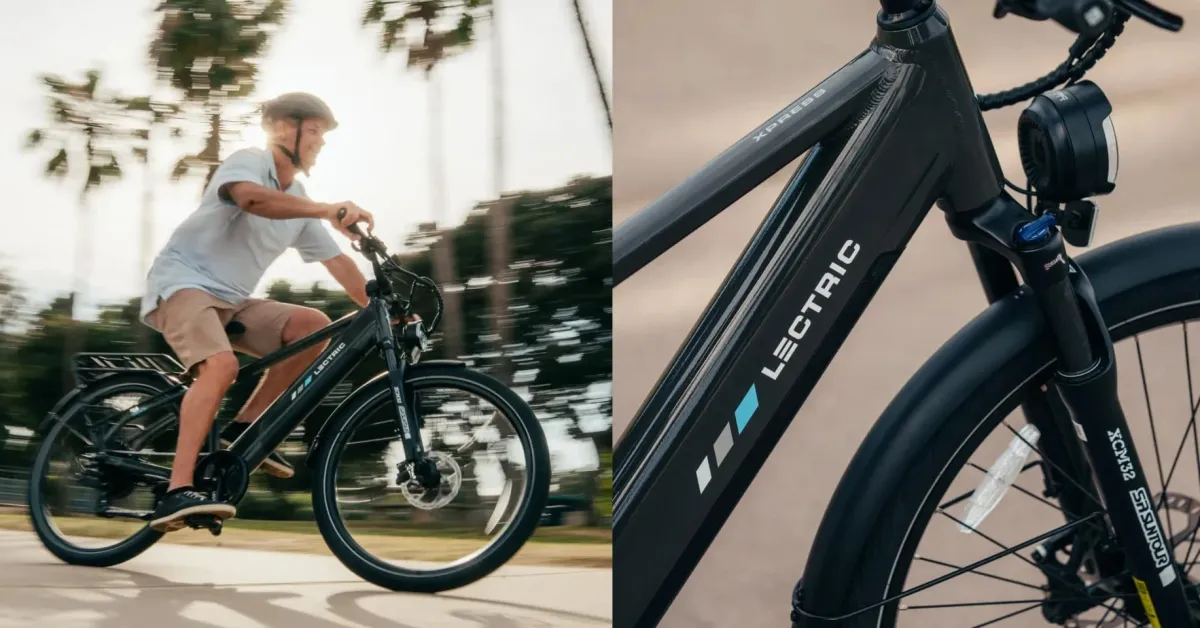
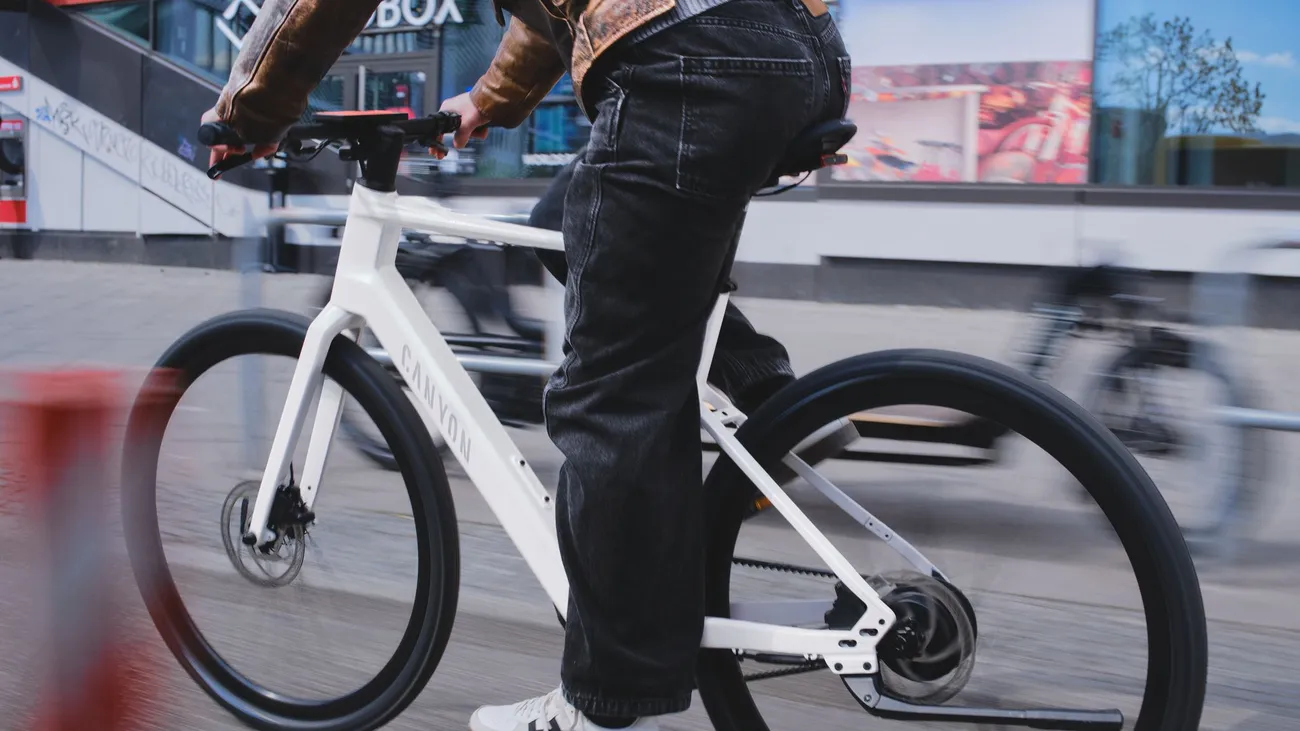
The typical commuter e-bike of the late 2010s in the US was moderately light, often around 45-50 lb (20-22 kg). It looked like a bicycle because it was a bicycle – just one with a somewhat discreet motor and battery added in (ok, maybe discreet packaging wasn’t the highlight of early e-bikes, to be fair). But generally speaking, these bikes had narrower urban tires, modest motors, and geometries that still prioritized pedaling.
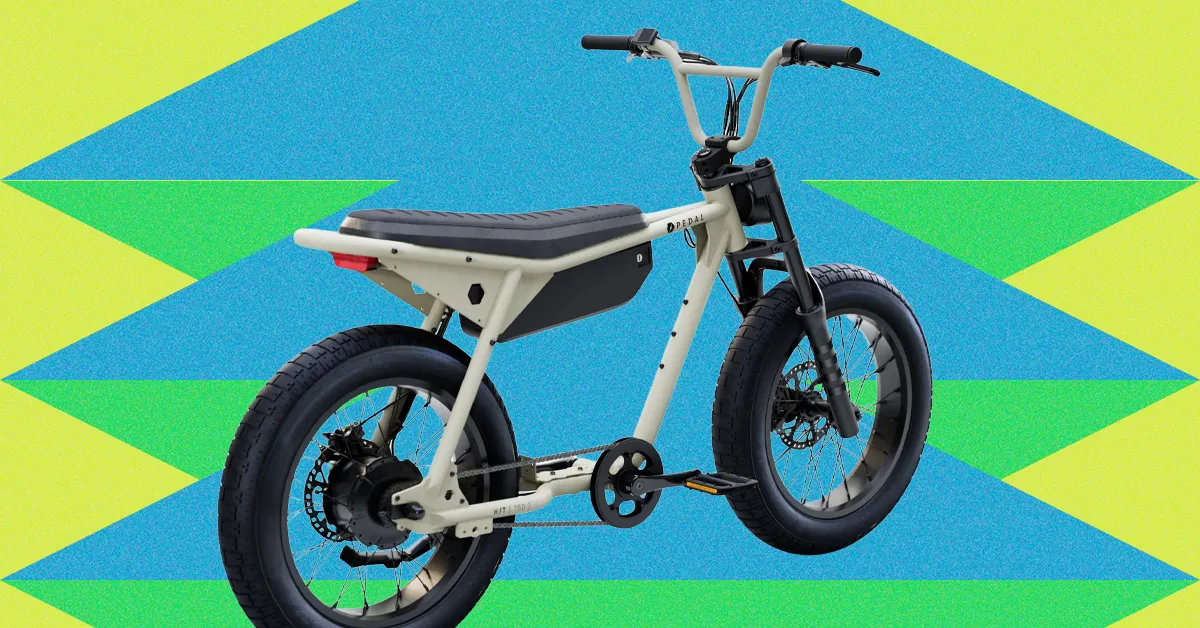
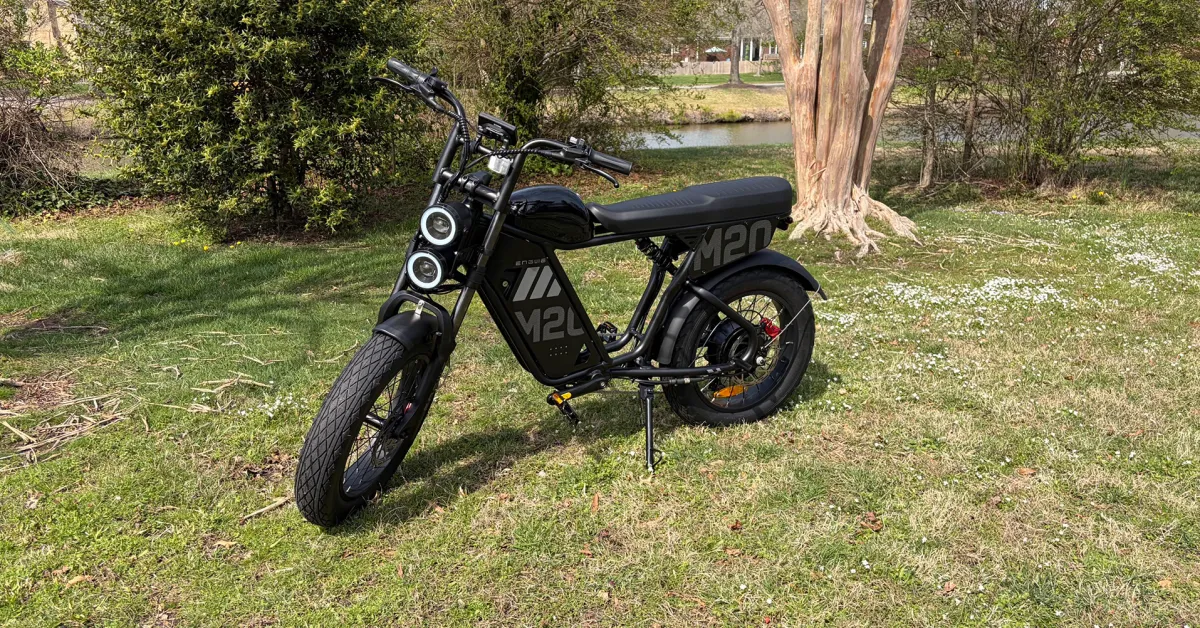
Then something changed. Today, the US e-bike market is dominated by machines that often weigh 70-90 pounds (30-40 kg), with some even surpassing 100 lb (45 kg). These are normal, not extreme examples. These are average e-bikes today. They wear fat tires, carry giant batteries, and boast oversized hub motors. Many feature motorcycle-style bench seats, dual crown suspension forks like motorcycles, and enough power to whiskey-throttle new riders right into a fence.