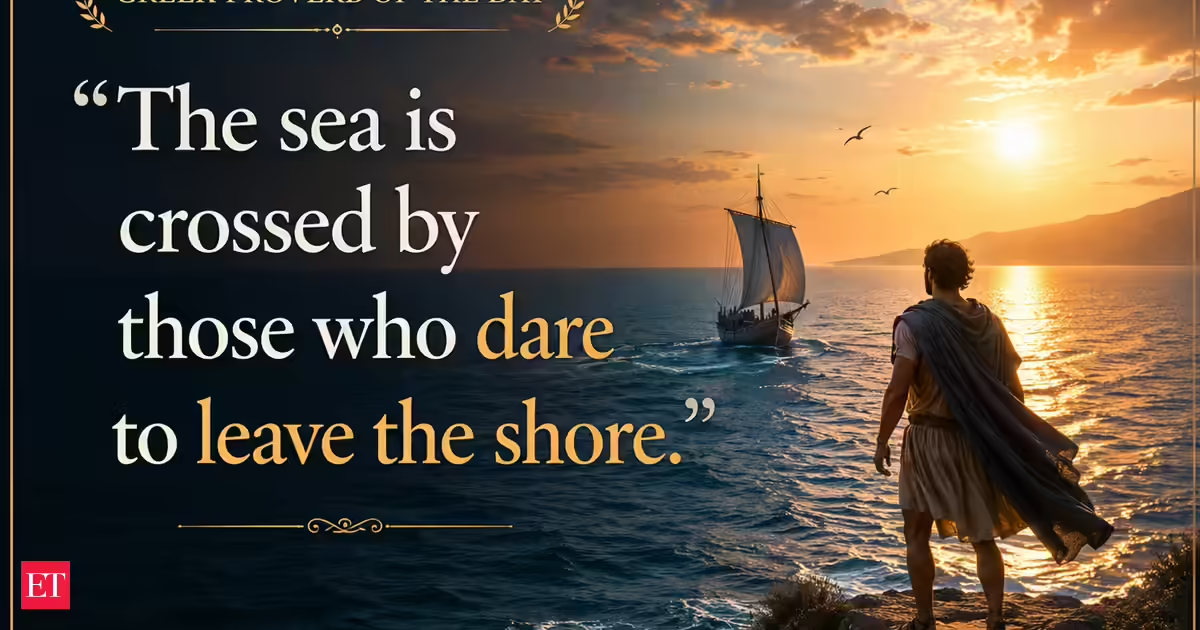
Greek proverb of the day: 'The sins we often regret are the sins we...' - thought-provoking life lessons on courage, personal growth, taking risks, overcoming fear and self-doubt and why inaction often leads to regretSynopsisGreek proverb of the day: People often regret chances not taken more than mistakes made. Fear can prevent individuals from pursuing dreams or embracing opportunities. While mistakes offer lessons, inaction leaves lingering questions. Courageous choices lead to growth and valuable experiences.Global DeskGreek proverb of the day: Every person faces moments when a decision must be made: take the chance or play it safe, speak up or stay silent, pursue a dream or leave it unexplored. While mistakes are often feared, many people eventually realize that some of their deepest regrets are connected not to actions they took but to opportunities they allowed to pass by. Ancient wisdom has long explored this aspect of human nature, reminding people that hesitation can sometimes leave a greater mark than failure itself.Greek Proverb of the Day Today on Regret and OpportunityToday’s Greek proverb is, “The sins we often regret are the sins we never commit,” as per The Random Vibez.The saying suggests that people frequently experience greater regret over actions they never took than over mistakes they actually made.What This Greek Saying MeansThe proverb uses the word “sins” metaphorically to refer to choices, opportunities, or risks that people avoid rather than actions that are morally wrong.Many individuals spend years wondering what might have happened if they had followed a dream, pursued a relationship, started a new career, spoken their minds, or embraced an opportunity when it appeared. While mistakes can often be corrected or learned from, missed opportunities may leave lingering questions that are never fully answered.You Might Also Like:Why Missed Chances Can Create Lasting RegretOne of the key lessons within the proverb is that fear often stands between people and opportunity.Fear of failure, rejection, embarrassment, or uncertainty may prevent individuals from taking meaningful action. Although avoiding risk can provide temporary comfort, it can also lead to future regret when people look back on paths they never explored.Greek Proverb of the Day June 16: Lessons on Courage and Personal GrowthAncient Greek thought frequently emphasized courage, self-reflection, and personal responsibility. This proverb reflects those values by encouraging individuals to recognize that avoiding action is itself a decision.Life rarely offers guarantees, and meaningful opportunities often involve uncertainty. The saying encourages people to evaluate whether fear is protecting them or preventing them from growing.You Might Also Like:The lesson is not about reckless behavior but about refusing to let fear become a permanent obstacle.The Connection Between Action and LearningAnother important message within the proverb is that action creates experience.Even when outcomes fall short of expectations, people gain knowledge, resilience, and perspective from trying. Mistakes often become valuable teachers, while opportunities left unexplored may provide no lessons at all.The proverb reminds individuals that growth often comes through participation rather than observation.You Might Also Like:Life Lessons From the Greek Saying of the Day About Taking ChancesThe proverb teaches that some of life's greatest rewards require courage.People who pursue meaningful goals, express their true feelings, and embrace worthwhile opportunities often gain valuable experiences regardless of the outcome. While thoughtful decision-making remains important, avoiding every risk can limit personal development and leave unanswered questions behind.Motivational Greek ProverbsHere are a few more Greek proverbs:He says one thing and does another, as per Quotlr.Whoever feeds the wolf in the winter will be eaten by him in the spring, as per Quotlr.Other priests came, other gospels they brought, as per Quotlr.We became gravediggers but nobody dies anymore, as per Quotlr.Mary was fond of dancing, so she found a fiddler for her husband, as per Quotlr.You Might Also Like:Read More News on(Catch all the US News, UK News, Canada News, International Breaking News Events, and Latest News Updates on The Economic Times.) Download The Economic Times News App to get Daily International News Updates....morelessExplore More Stories
Greek proverb of the day: 'The sins we often regret are the sins we...' - thought-provoking life lessons on courage, personal growth, taking risks, overcoming fear and self-doubt and why inaction often leads to regret
Greek proverb of the day: Discover the Greek saying 'The sins we often regret are the sins we never commit' and explore lessons on courage, personal growth, and the importance of taking risks to avoid future regrets.
654 words~3 min read