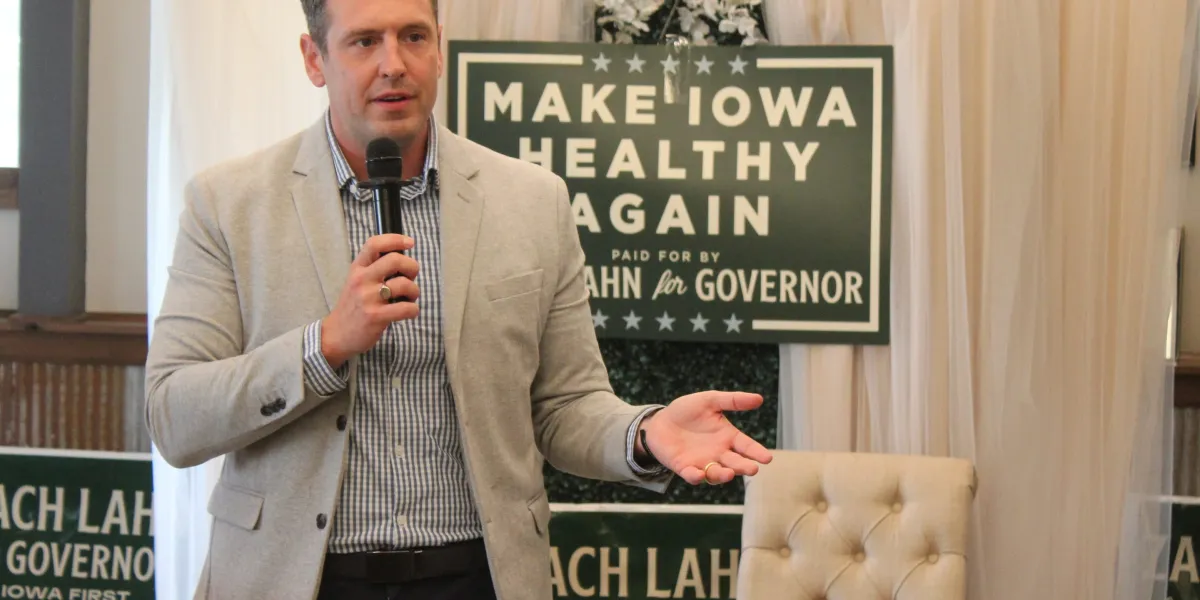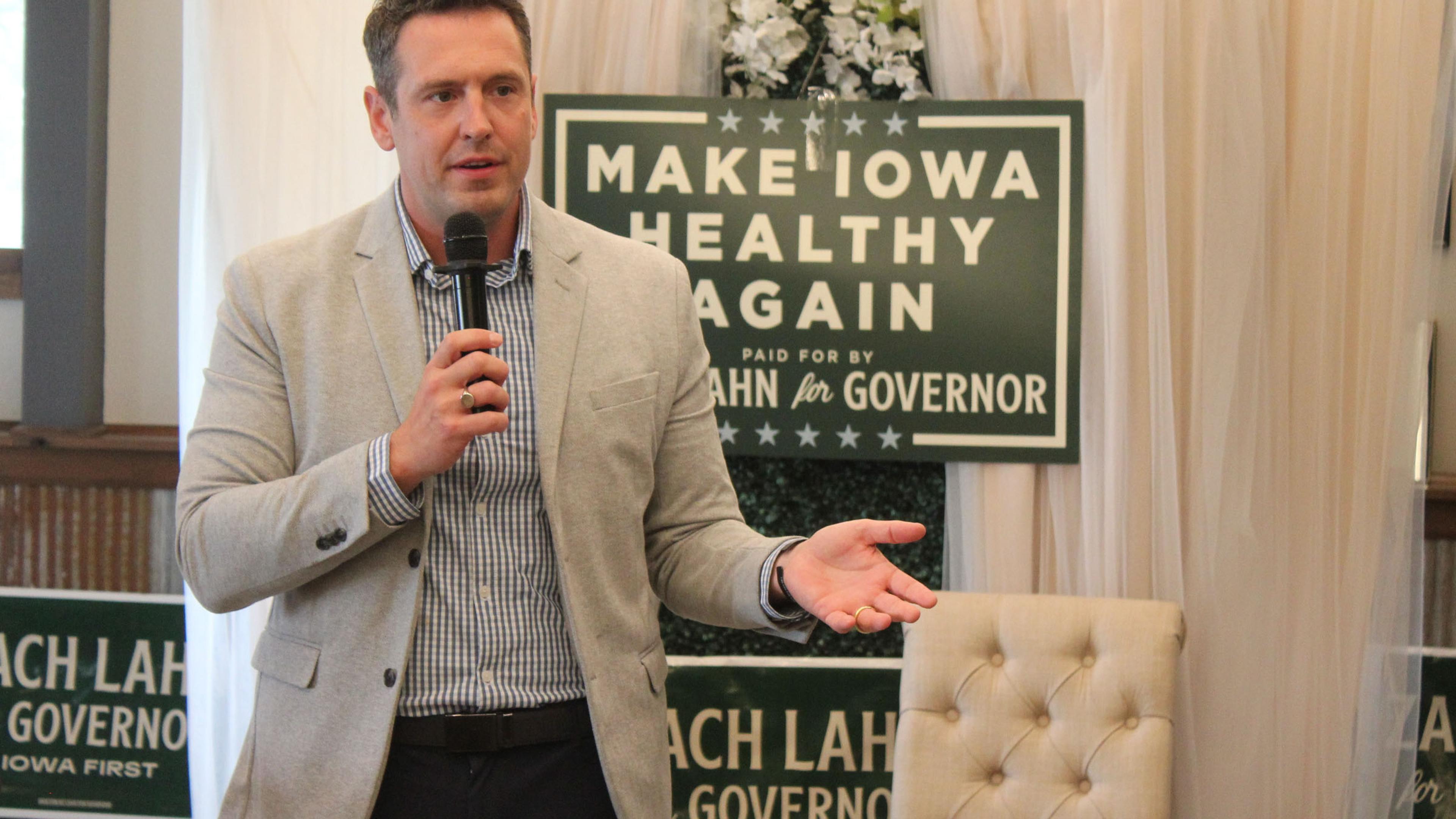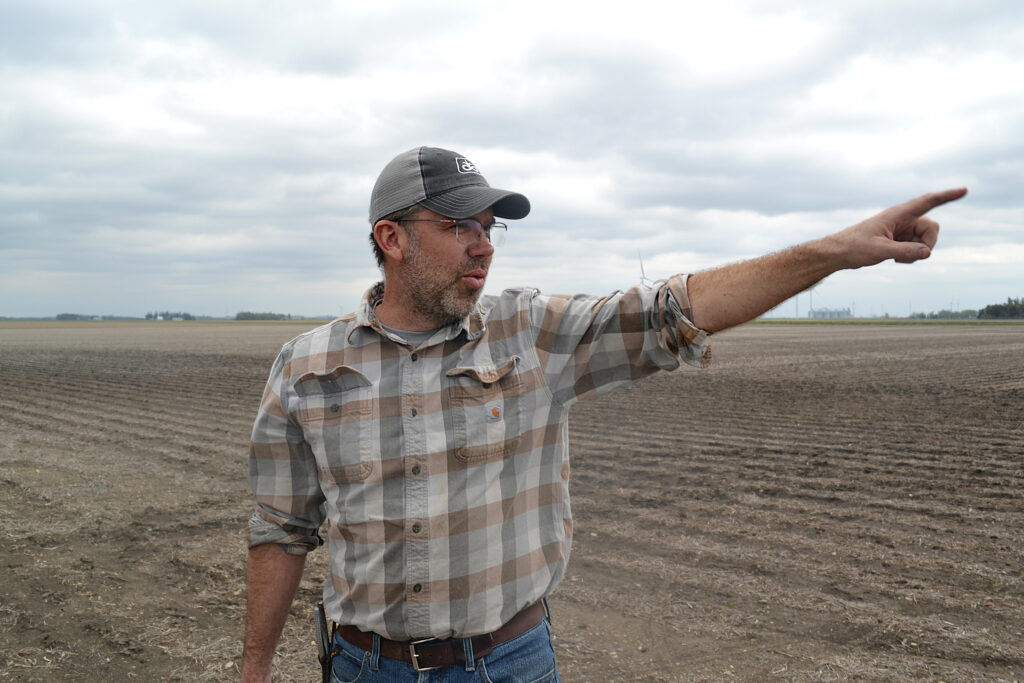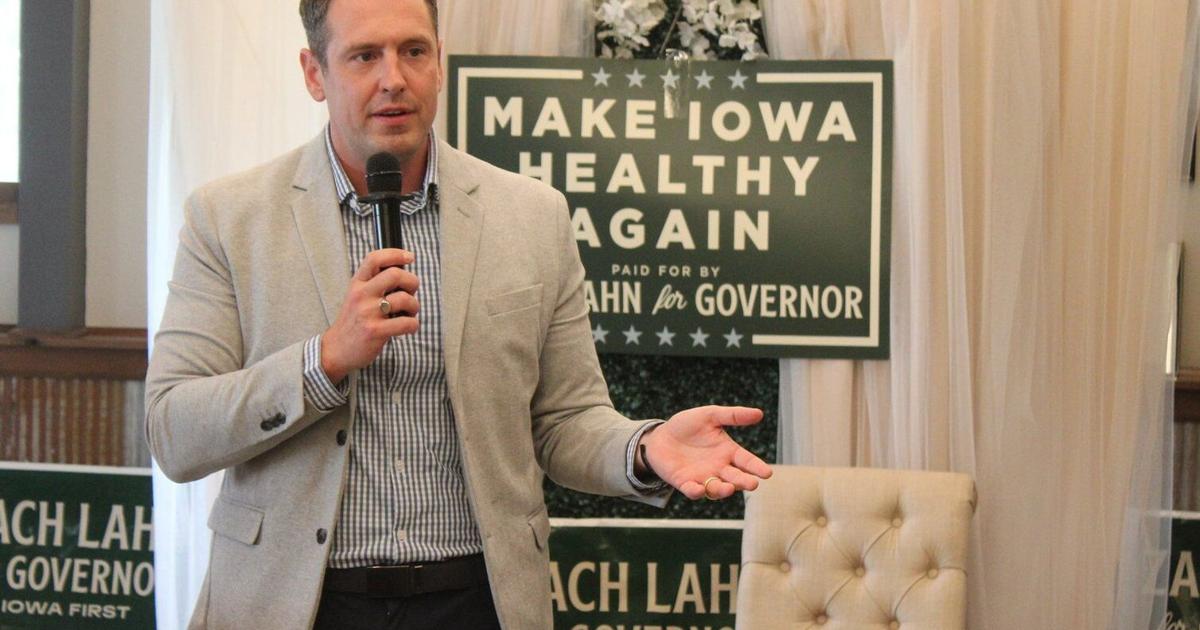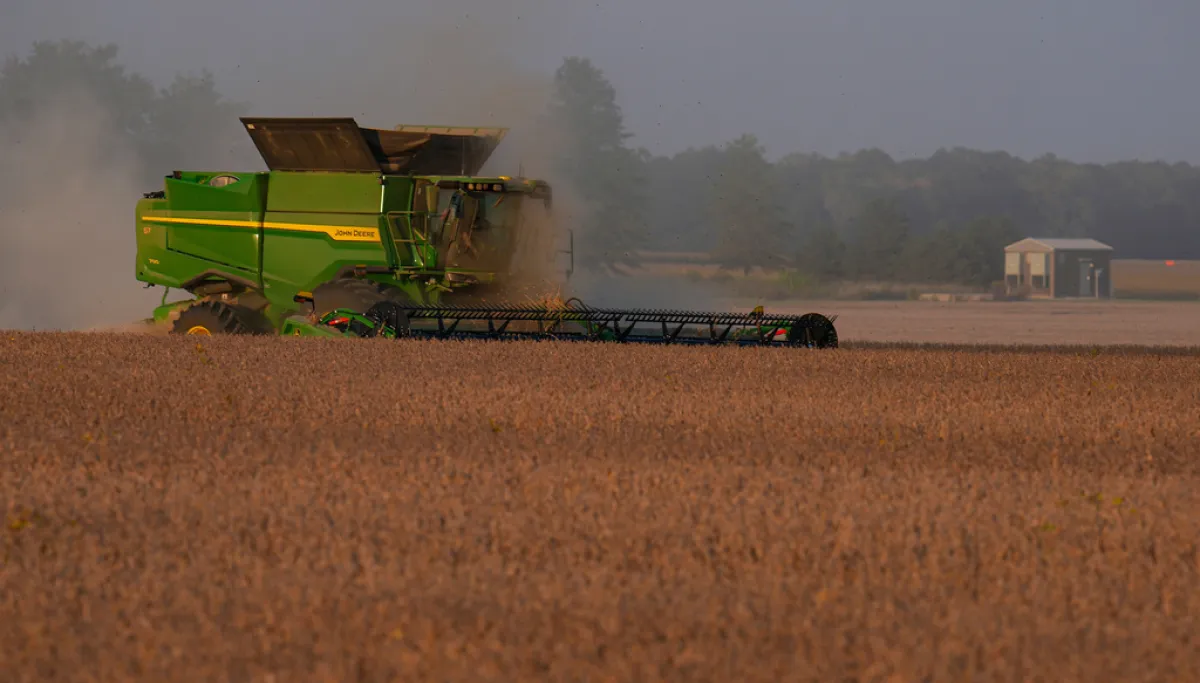
Few Iowans, myself included, would have initially predicted that Zach Lahn would come out on top in Iowa’s Republican gubernatorial primary. Regardless of the factors that shaped the outcome, the race sparked renewed discussion about issues facing rural communities, including the future of family farms, changing patterns of landownership, and the long-term economic health of agricultural America.The American family farm is more than just a business. It is a way of life, a cornerstone of local communities, and a symbol of independence and self-reliance that built this nation. From the corncob columns of our nation’s Capitol to the beanfields of Iowa and the dairy farms of Wisconsin, family farms have fed America, powered rural economies, and passed down traditions from one generation to the next.Today, that way of life is slipping away.
IN FOCUS: HOW SCREWWORM OUTBREAK BECAME A PARTISAN BLAME GAME
Across the country, family farmers are facing unprecedented challenges. The number of farms in the United States has steadily declined, falling from more than 2 million in 2017 to fewer than 1.9 million in 2024. Thousands of farm families have left the industry altogether, unable to withstand rising costs, shrinking margins, and an increasingly difficult regulatory environment. While America remains one of the most productive agricultural nations in the world, the people responsible for that success are struggling to survive.