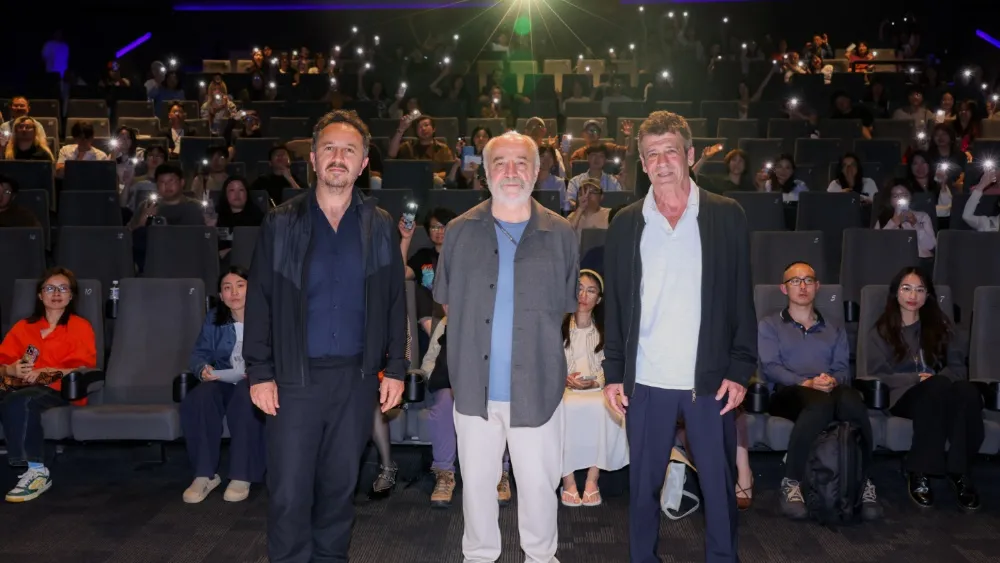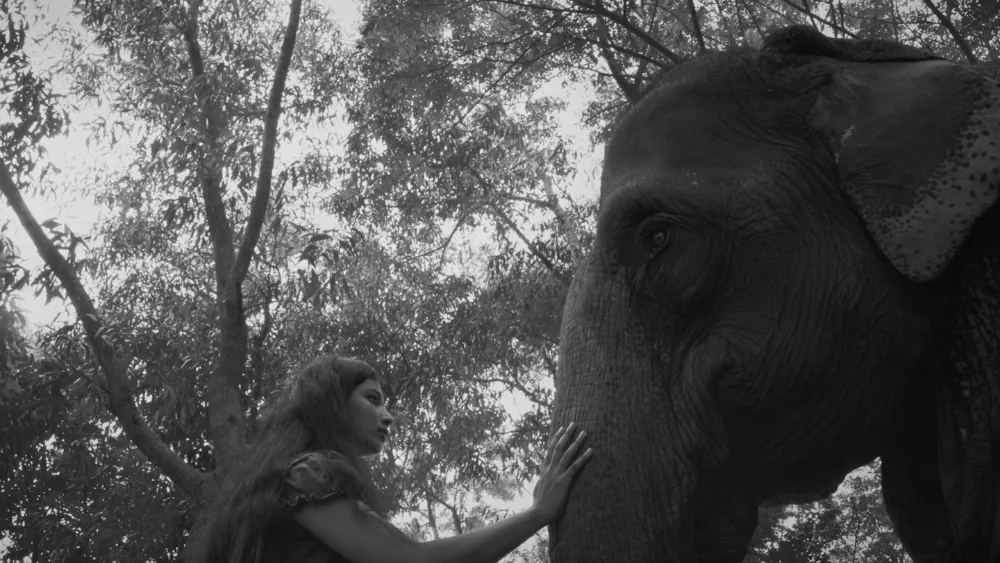
Ishtiyak Ahmad Zihad’s debut feature “The Blind Girl and an Elephant” had its world premiere at the Shanghai International Film Festival, competing in the Asian New Talent section.
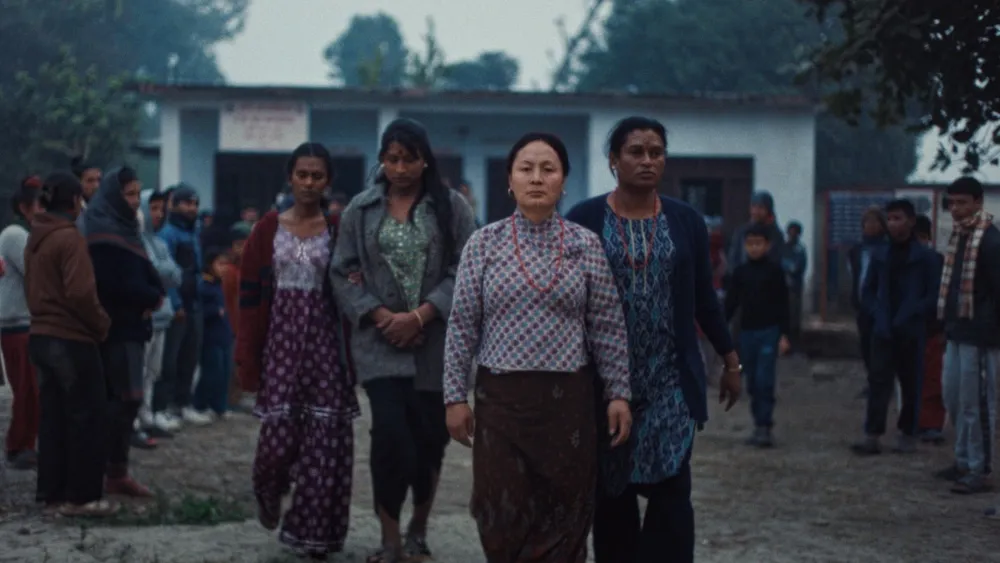
The film centers on three women in a remote Bangladeshi village – blind Momi, schoolgirl Hima, and pregnant Laili – who dream of escaping a world shaped by superstition and religious conservatism, with consequences that grow increasingly dire for each of them.
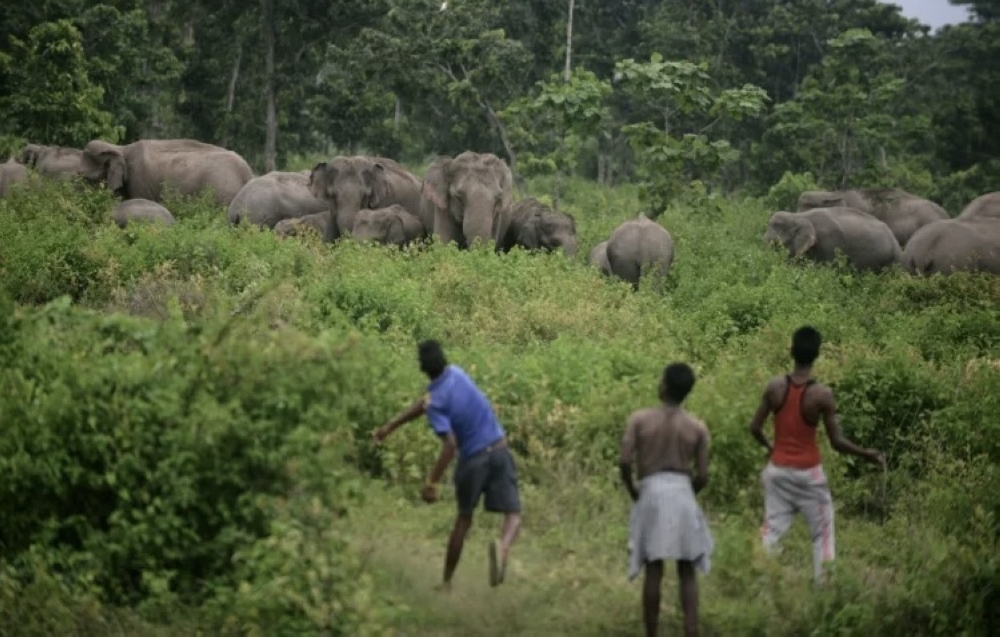
The elephant of the title is no accident. “In my thought or assumption, I think that women in our country see themselves as a giant elephant, but they are harmless,” Zihad says. “But males see them as a threat.”
Zihad, 24, grew up in rural Bangladesh, where patriarchy was the social order he witnessed up close. “My mother, my sister, and my mother, they face different kinds of [negative] experiences in our society,” he says. “It was the main crucial point that inspired me to tell a story like that.”
The film is shot in black and white – a deliberate artistic and thematic choice. “I believe that color is realistic, but black-and-white is more realistic in my film style,” says Zihad. “Those three girls have a black-and-white, colorless life. So I want to portray their world that way.”