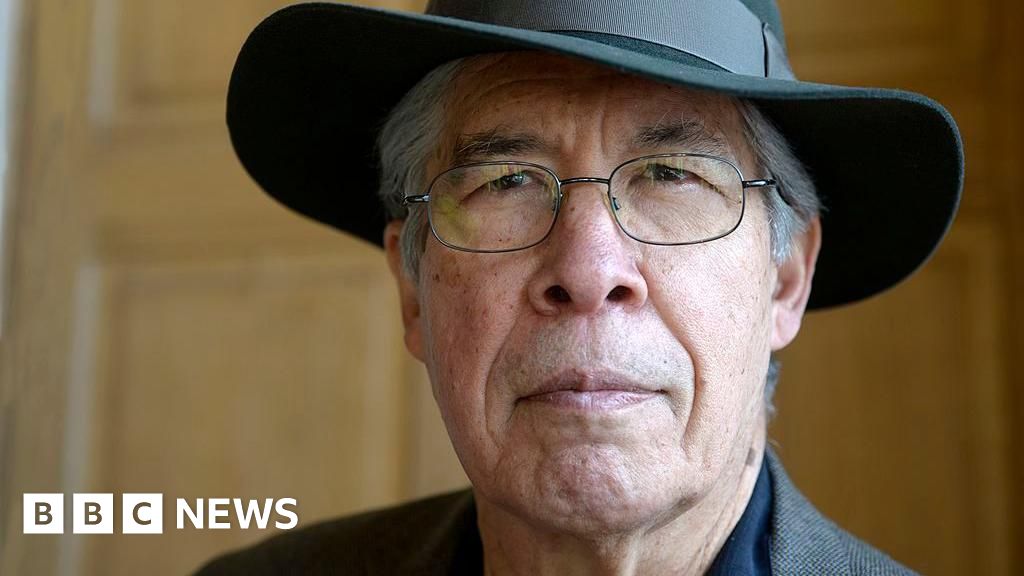
Greg Sarris’s first novel, Grand Avenue, an urban Indian story set in Santa Rosa, California, was published in 1994, during the second wave of the Native American Renaissance, which included first novels by Louise Erdrich (Love Medicine), Sherman Alexie (Reservation Blues), Mona Susan Power (The Grass Dancer) and David Treuer (Little).Article continues after advertisement
Sarris followed up with Watermelon Nights (1998), in which a young Santa Rosa man works with his community to achieve federal recognition for his tribe. He then took some time off from writing novels to restore his own tribe’s sovereignty (he is now serving his seventeenth consecutive elected term as Chairman of the Federated Indians of Graton Rancheria), to work as a university professor (he recently retired after thirty-some years) and to serve on various boards (he’s currently on the University of California board of regents and the Sundance Institute board). He also published a memoir (Becoming Story, 2022) and two story collections drawn from tribal origin stories—How a Mountain Was Made (2017) and The Forgetters (2024).
This week, Sarris’ The Last Human Bear, his third novel, and his first in twenty-eight years, launches, at a time when Native literature is flourishing, with fiction by Tommy Orange, Morgan Talty, Amanda Peters, Brandon Hobson, Margaret Verble, John Hickey, Dennis E. Staples, Oscar Hokeah, David Heska Wanbli Weiden, Eden Robinson, Kelli Jo Ford and Julian Brave Noise Cat, to name a few, drawing critical attention and awards.