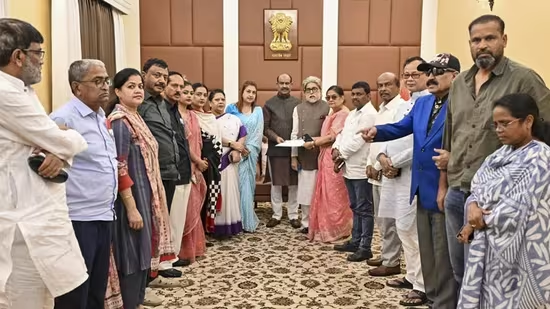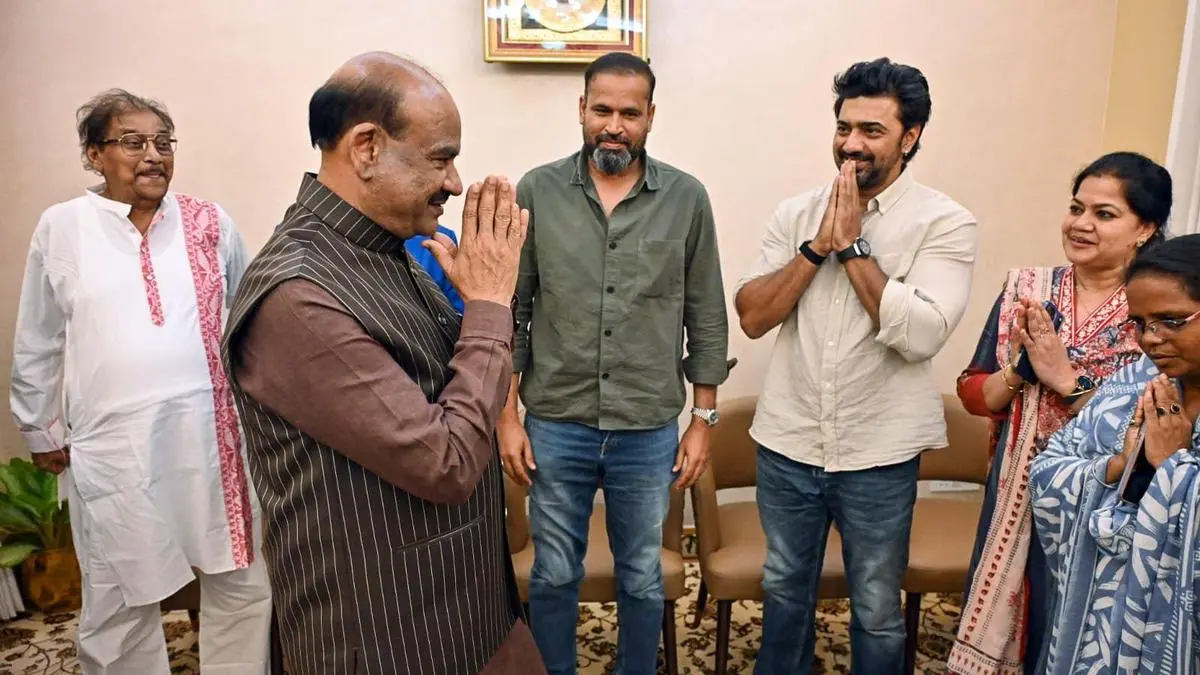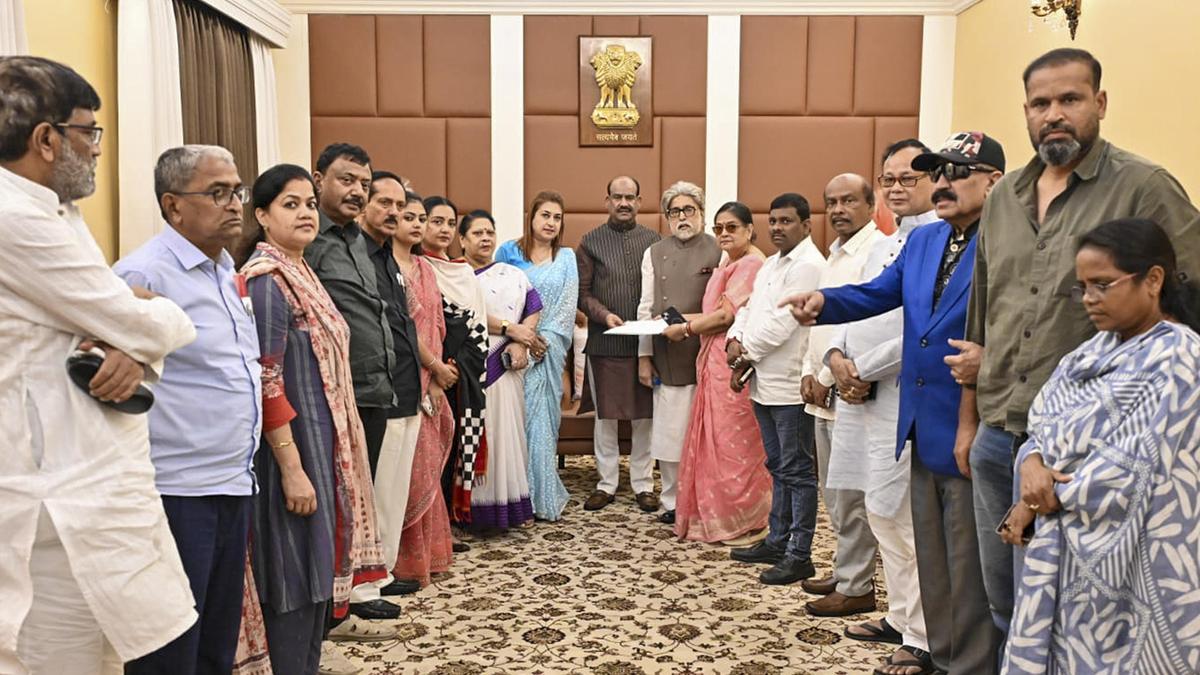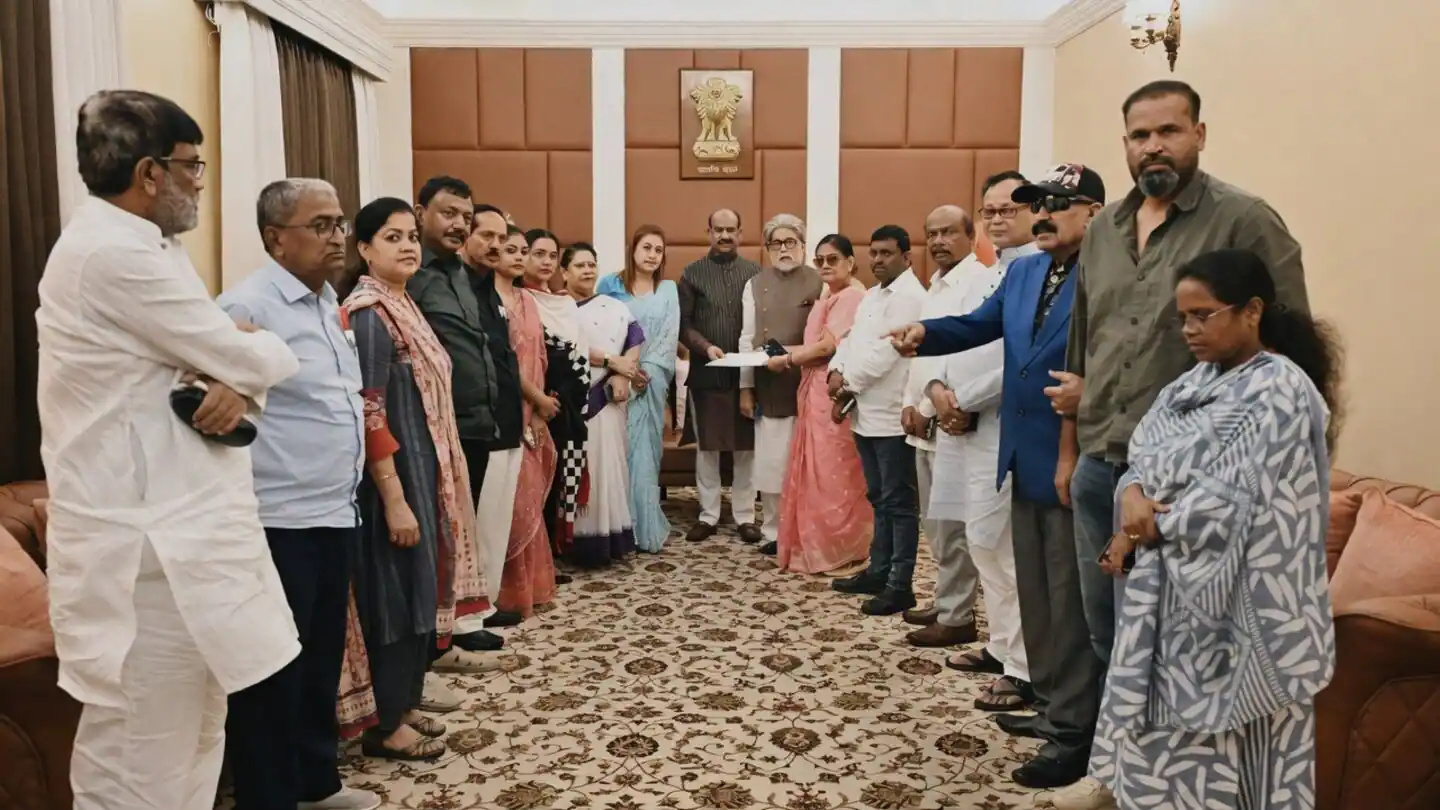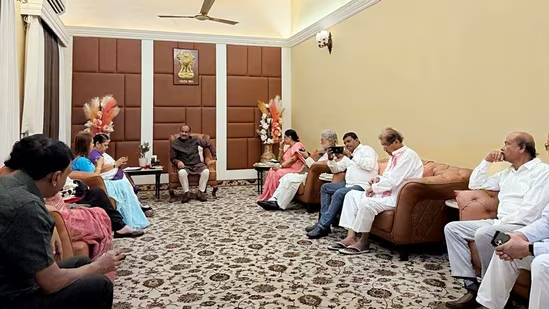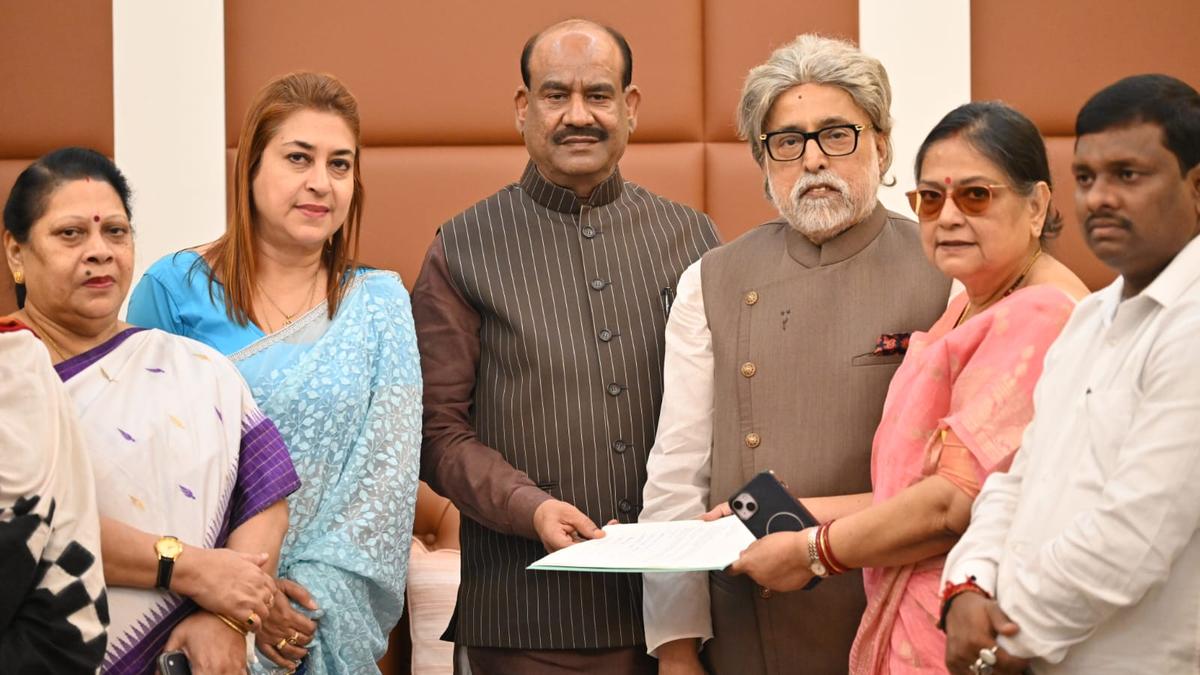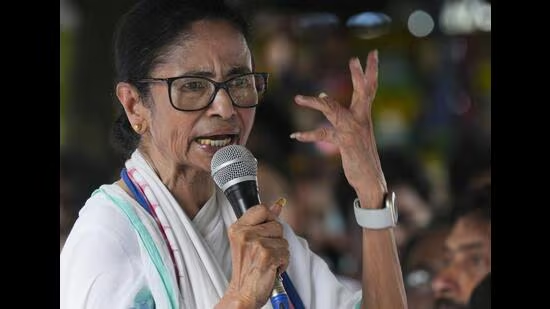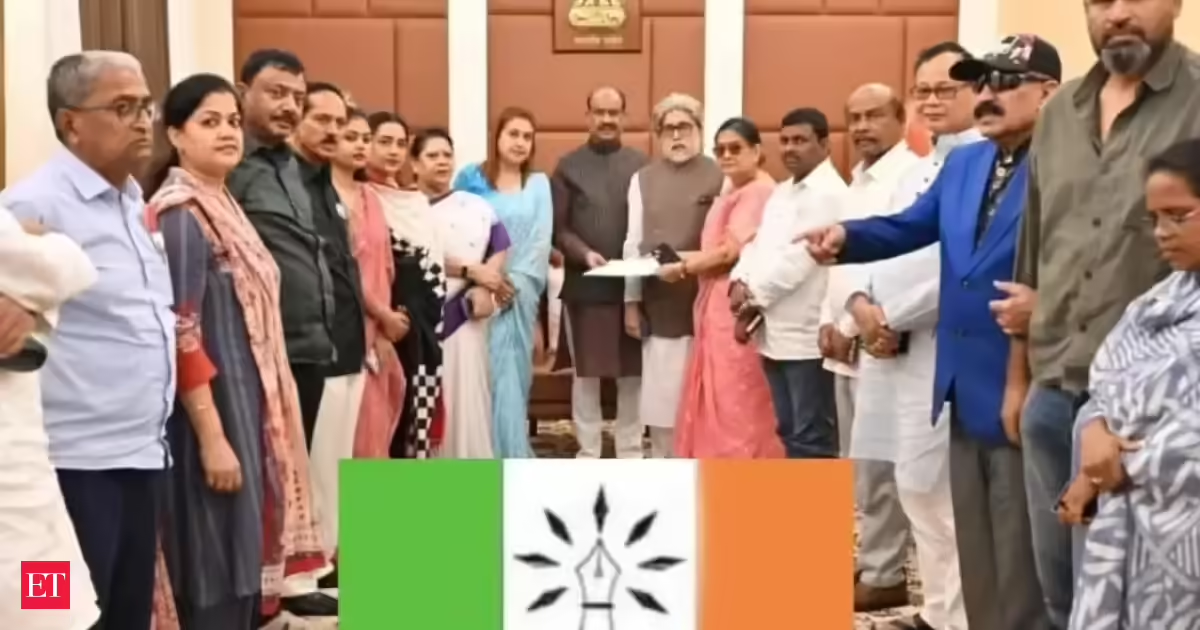
New Delhi: The plan of 20 rebel Trinamool Congress Lok Sabha MPs to merge with a lesser-known unrecognised party has "striking similarities" with a split in the Congress' Arunachal Pradesh unit led by Pema Khandu in 2016, former Election Commission officials have said.In 2016, Arunachal saw one of the biggest political realignments in the Northeast. In September that year, Khandu and 42 Congress MLAs joined the People's Party of Arunachal (PPA), while former chief minister Nabam Tuki stayed with the Congress.The PPA, then a constituent of the BJP-led North East Democratic Alliance (NEDA), formed the government with Khandu as the chief minister.Two months later, in December, Khandu and 32 PPA legislators joined the BJP. The move gave the BJP its first full-majority government in Arunachal, increasing its strength in the 60-member Assembly to 45. The PPA was reduced to 10 MLAs and the Congress to three.In the 2019 Assembly elections, the BJP won 41 of 60 seats, with Khandu continuing as the chief minister.Cut to 2026. A group of 20 dissident TMC Lok Sabha MPs have told Lok Sabha Speaker Om Birla about their plans to merge with the Nationalist Citizens Party of India (NCPI), a registered unrecognised political party headquartered in West Bengal's Howrah.In the 2023 Tripura elections, the party fielded four candidates. Of the four, two contested on the party symbol, one as an Independent, while the nomination of the fourth was rejected. All three lost, securing equal or fewer votes than NOTA.The Lok Sabha Secretariat is now seeking legal opinion in writing on the TMC rebels' merger plea so that the Speaker's final decision can withstand judicial scrutiny if challenged in court, sources said.Former Lok Sabha secretary general and constitutional expert P D T Achary cited paragraph 4 of the 10th Schedule of the Constitution to underline that only a political party is allowed to merge with another party and just MPs or MLAs cannot merge.Paragraph 4 of the 10th Schedule deals with the exception to disqualification in case of a merger.It says that a member of a House will not be disqualified if the original political party to which they belong merges with another political party and not less than two-thirds of the members of the legislature party concerned agree to such a merger.Achary told PTI that if the leadership of a political party decides to merge with another political party, its MLAs and MPs have to agree on the merger, "but the MPs or the MLAs alone cannot merge with another political party... This is the Constitutional provision".A former Election Commission official, who dealt with political parties in the poll panel, termed the plan of the TMC rebels to merge with the NCPI an "innovation" that has no mention in either the anti-defection law or the Representation of the People Act.TMC national general secretary Abhishek Banerjee has already written to Birla, disputing the merger proposal of the rebel MPs.In the letter dated June 10, Banerjee cited a 2023 judgment by a Constitution bench of the Supreme Court on the Maharashtra political crisis, which held that a political party and the legislature party are different entities and that protection under Paragraph 4 requires a valid merger involving the original political party as well."After the 91st Amendment, the only lawful route by which a body of members may lawfully realign is a merger within the meaning of Paragraph 4 of the 10th Schedule, when two conditions are satisfied - namely when the political party merges and, cumulatively, two-thirds of the legislature party switches," Banerjee wrote to Birla."The claims making the rounds in the media presume that only one condition has to be satisfied, which is incorrect. Therefore, assuming without admitting in any manner that two-thirds of the legislative party has switched, there has been no merger of the political party with any party or any creation of a new party called AITC," Banerjee wrote.
TMC MPs' NCPI merger bid revives memories of Arunachal's Khandu playbook
Twenty rebel Trinamool Congress MPs plan to merge with a lesser-known party. This move echoes a 2016 Arunachal Pradesh political realignment. Legal opinions are sought on the merger's validity. Constitutional experts highlight that only a political party can merge, not individual legislators. The TMC leadership disputes the rebel MPs' merger proposal, citing Supreme Court judgments.
647 words~3 min read