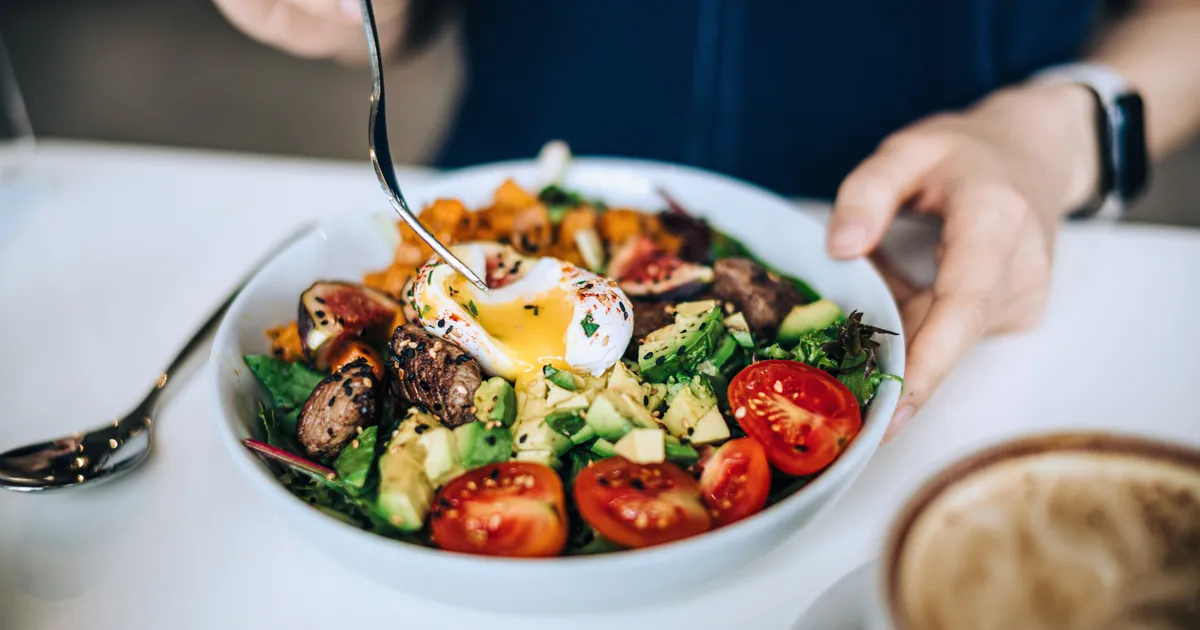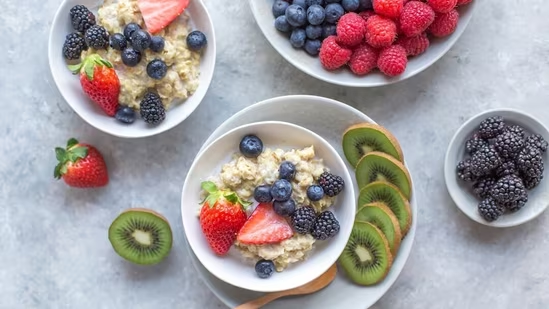
Colon cancer is on the rise, especially among the youth, but the good news is that targeted nutrition can reduce your risk. Here are foods that can protect you. Colon cancer, once considered a disease that primarily affected older adults, is increasingly being diagnosed in younger people around the world. Years of unhealthy lifestyle habits – such as eating ultra-processed foods, consuming excessive alcohol, chronic stress, poor sleep, and a lack of fibre-rich foods – are believed to play a significant role in raising the risk.Read more to find out foods that can reduce colon cancer risk. (Unsplash)The good news is that nutrition can also be a powerful tool for prevention. Making simple dietary choices that support gut health may offer protective benefits and help lower the risk of colorectal cancer over time.Also Read | Struggling to lose weight? Gastroenterologist shares one of the easiest dietary upgrades, and it's not a supplementDr Joseph Salhab, a Florida-based gastroenterologist and health content creator who specialises in digestive, liver, pancreas and nutrition health, has revealed the foods he eats every day to help lower his risk of colon cancer.In an Instagram video shared on June 15, the gastroenterologist notes, “I’m a GI doctor. Here’s what I eat to fight colon cancer as someone who sees it daily. This does not mean one food prevents cancer by itself, and food is not a replacement for colonoscopy or colorectal cancer screening – but these foods have been associated with colon health, gut health, fibre intake, and colorectal cancer risk in studies.”Cruciferous veggiesDr Salhab recommends eating at least half a cup of cruciferous vegetables like broccoli, kale, cabbage and other greens every day to reduce the risk of colon cancer. He explains, “Cruciferous vegetables like broccoli, kale, cabbage, cauliflower, and Brussels sprouts have been associated with a lower risk of colorectal cancer.”Yoghurt and oatsThe gastroenterologist never skips his daily bowl of yoghurt and oats, making the nutrient-packed combination his go-to breakfast. Rich in probiotics, calcium, and fibre, this wholesome meal helps support gut and colon health. He highlights, “Higher yoghurt consumption has been associated with a lower risk of colorectal cancer. Cereal fibre and whole grains (like oats) have been associated with a reduced risk of colorectal cancer.”Tree nutsAccording to Dr Salhab, eating just two ounces of tree nuts per week has been associated with health benefits even after a colon cancer diagnosis. He highlights that incorporating tree nuts into his diet every day is one habit he follows consistently. He explains, “Nut intake has been studied in relation to colorectal cancer risk, with research suggesting an association with lower colorectal cancer risk.”FruitsDr Salhab highlights that regularly eating fruits such as kiwi, watermelon, and citrus fruits may offer protective benefits likely due to their soluble fibre and antioxidant content. He notes, “Fruits like kiwi, watermelon, and apples have been associated with lower colon cancer risk.” The gastroenterologist also recommends eating apples seasoned with cinnamon, adding that the pectin fibre in apples and cinnamon has gut-protective properties.AvocadoAccording to the gastroenterologist, adding avocado to your daily diet helps improve the diversity of beneficial gut bacteria. He further highlights that avocado creates a gut-friendly environment that can support the survival and effectiveness of probiotics. Dr Salhab explains, “Avocado consumption has also been studied in large US cohorts and was associated with cancer risk patterns, including colorectal cancer findings.”He sums up, “Building healthy habits is often about adding in, as opposed to being restrictive. The common theme: more fibre, more plant diversity, more whole foods, fermented foods, nuts, fruits, vegetables, whole grains, and better gut health.”Note to readers: This article is for informational purposes only and not a substitute for professional medical advice. It is based on user-generated content from social media. HT.com has not independently verified the claims and does not endorse them.Eshana Saha is a fresh face in lifestyle and cultural journalism, bringing a refined, multidisciplinary perspective to the intersection of entertainment, fashion and holistic wellbeing. With less than a year of professional experience, she has quickly adapted to high-pressure editorial environments and currently works full-time with HT Media. Prior to this, she interned for nearly six months with Hindustan Times’ entertainment and lifestyle vertical, where she gained hands-on experience in digital reporting, trend analysis and editorial storytelling.
Gastroenterologist shares 5 foods he eats every day to reduce the risk of colon cancer: Avocado, kiwis, and more
Colon cancer is on the rise, especially among the youth, but the good news is that targeted nutrition can reduce your risk. Here are foods that can protect you. | Health
966 words~4 min read