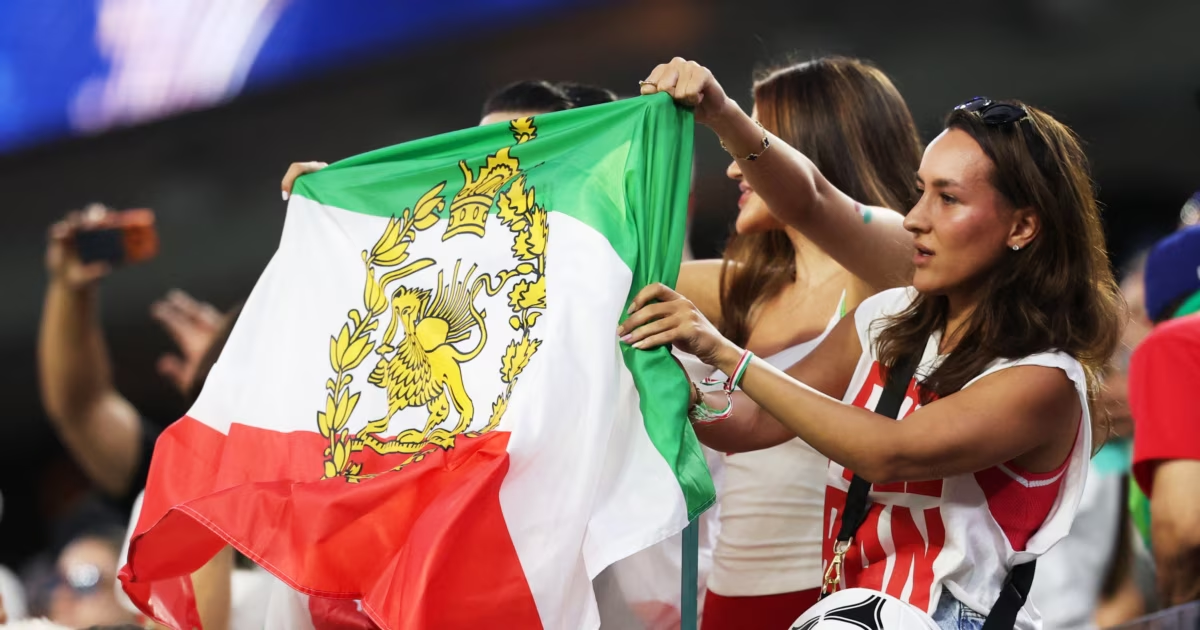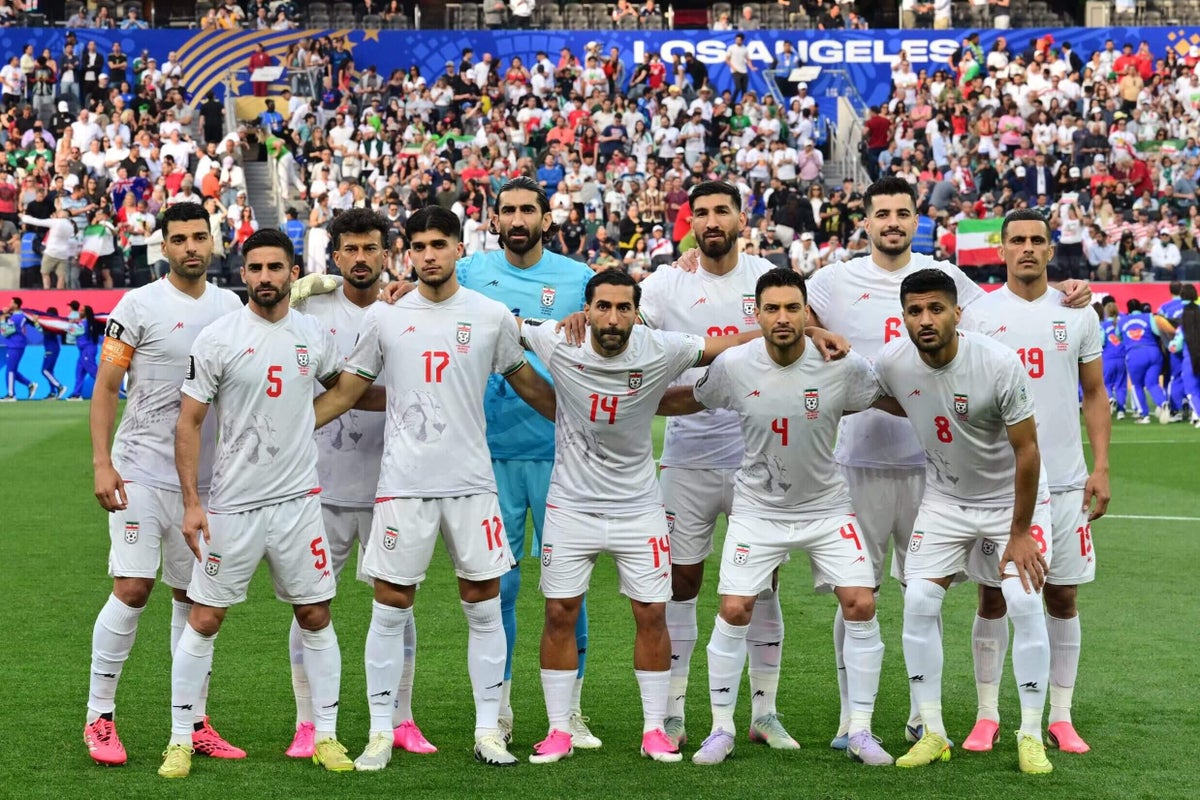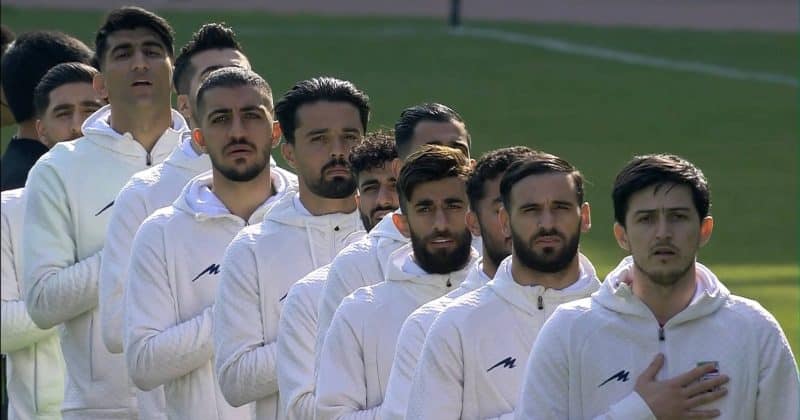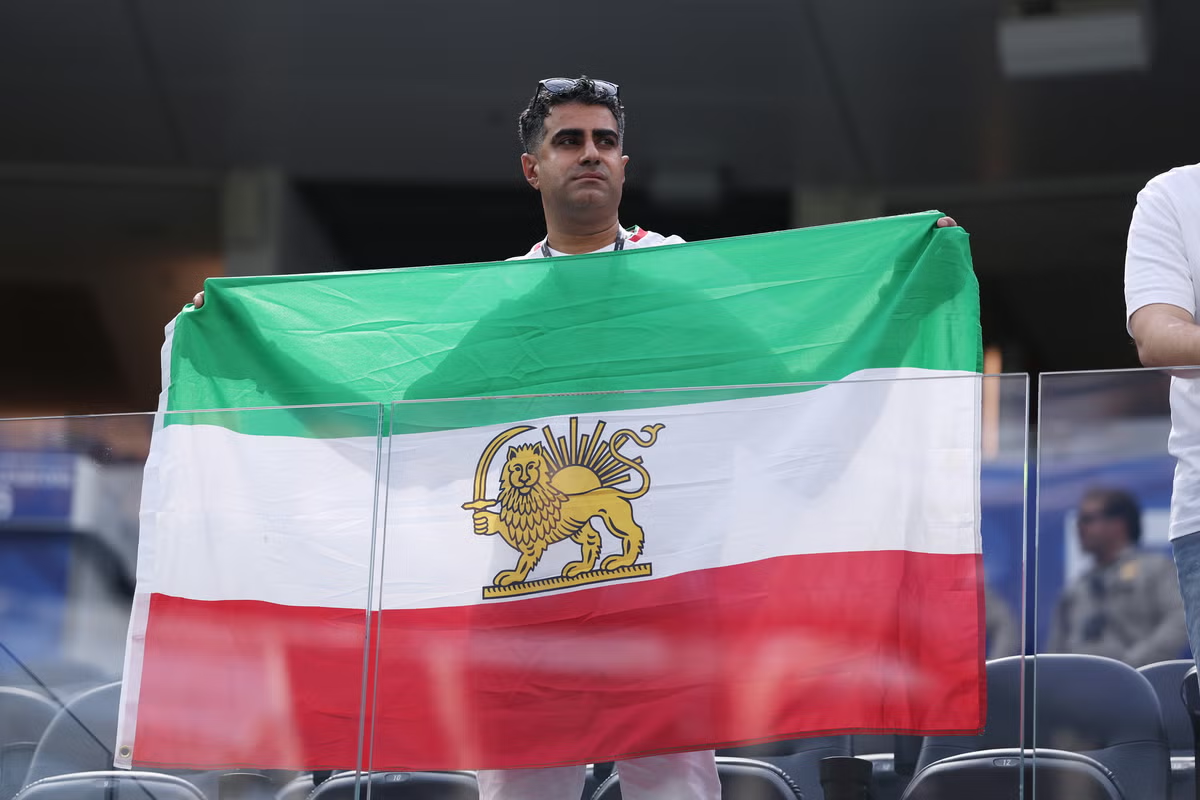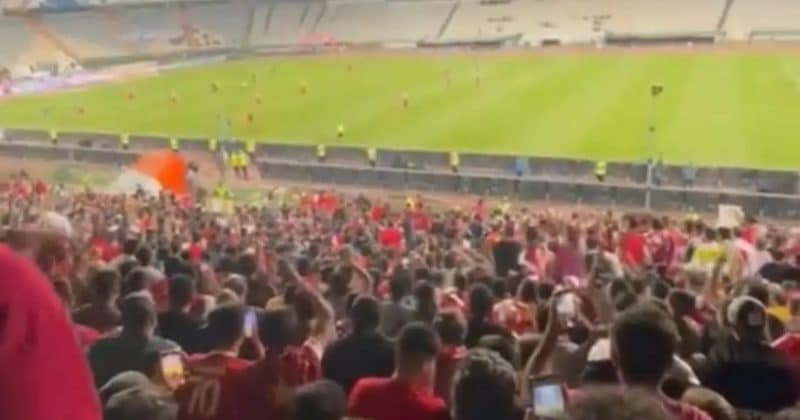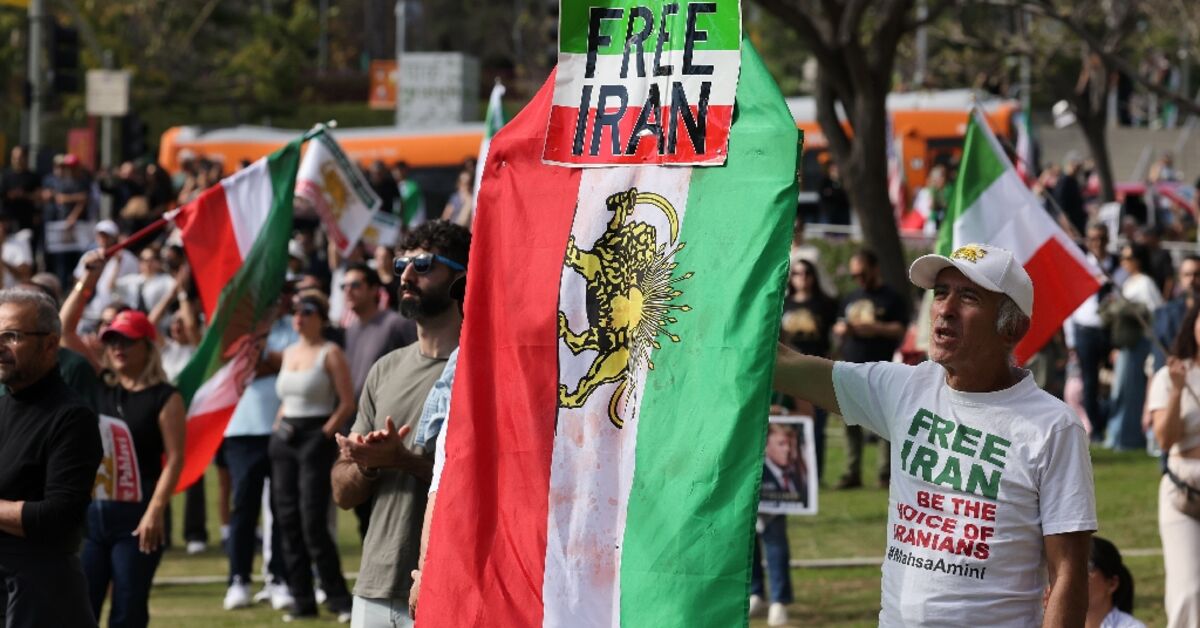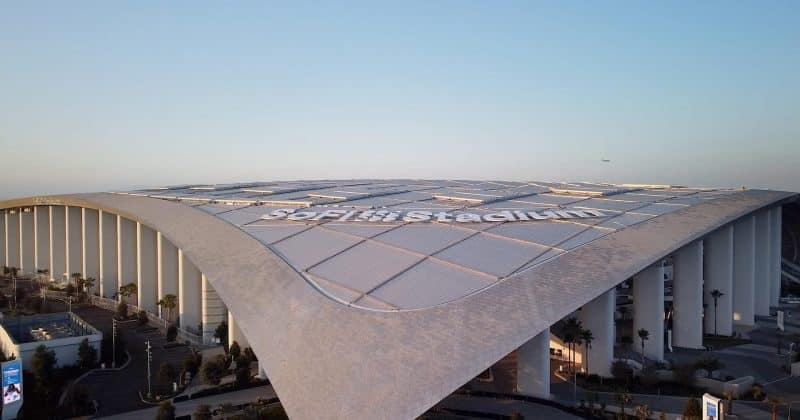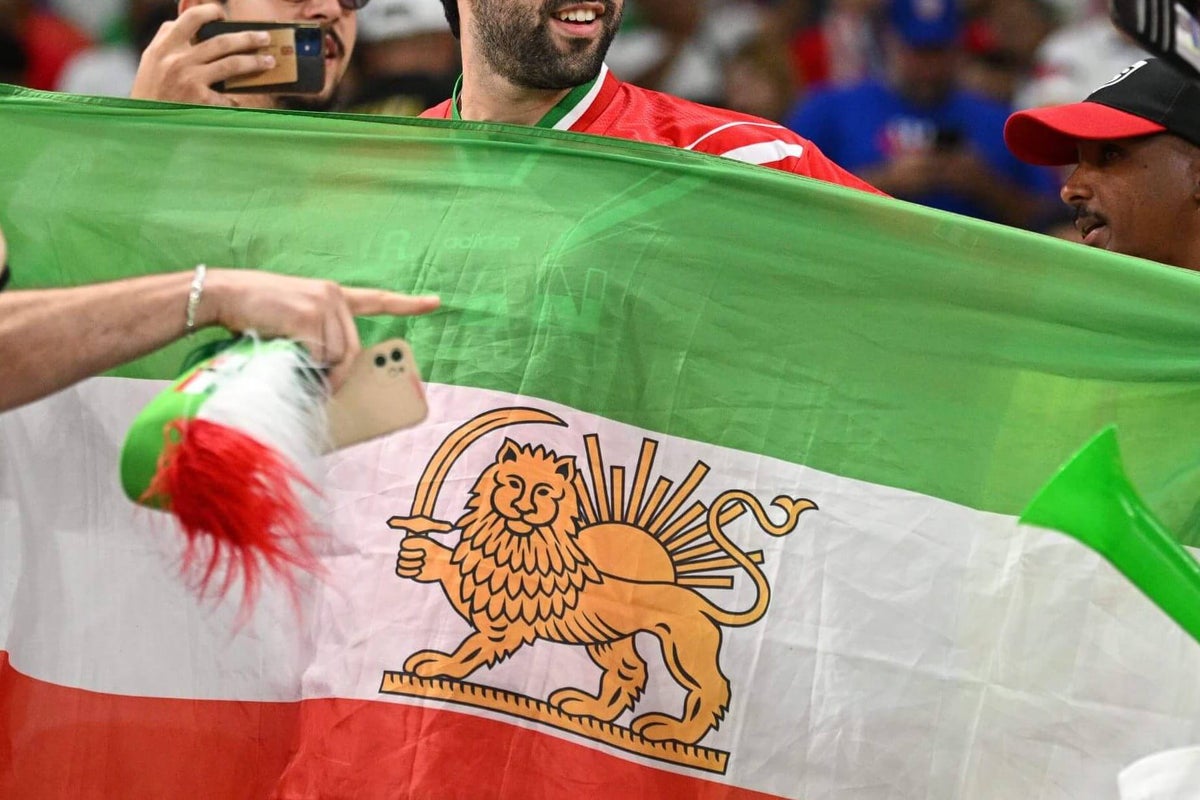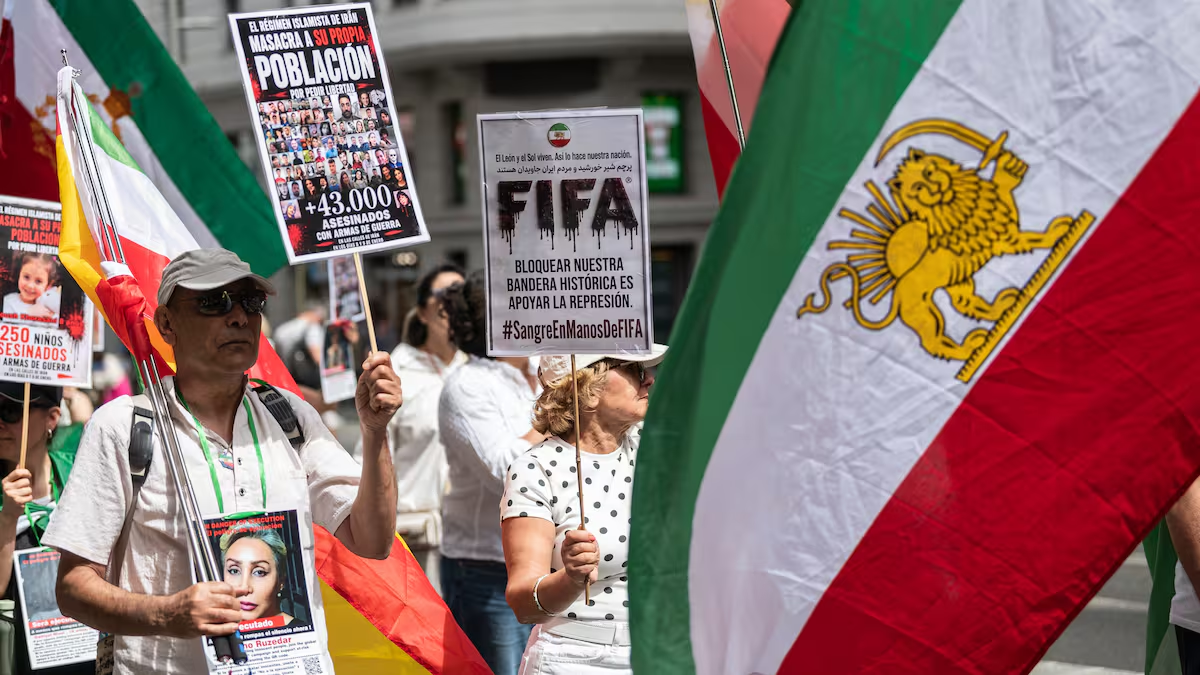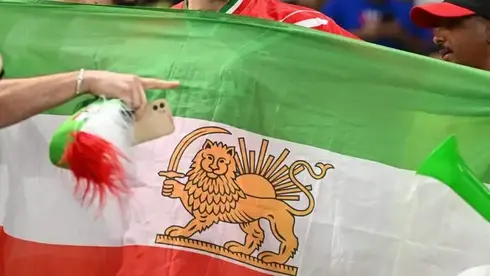
Fans defied FIFA’s ban during Iran’s 2-2 draw with New Zealand in Los Angeles, waving the pre-1979 banner in the stands as the national anthem was met with boos and the diaspora’s battle with Tehran spilled onto soccer’s biggest stageEffi Banay|An unprecedented political drama is unfolding around Iran’s national soccer team at the World Cup, as Iranian exiles around the world wage a direct campaign against FIFA over its decision to bar the historic Iranian Lion and Sun flag from stadiums.The flag, used before the 1979 Islamic Revolution and now widely identified with Iranian opposition to the Islamic Republic, has become one of the most visible symbols of the protest movement against Tehran. For many exiles, the fight over whether it can be displayed at World Cup matches is no longer only about a flag. It is a battle over identity, visibility and the ability to speak to millions of Iranians watching from home.Iranian exiles turn Lion and Sun flag into World Cup protest against Tehran (Video: Social Media)The campaign, called by some opposition activists the “Lion and Sun Revolution,” has moved from street demonstrations into the global arena of soccer. Since waves of protest erupted inside Iran, the diaspora has sought to act as a voice for millions of Iranians silenced by the regime. Now, the soccer field has become a central battleground, with social media serving, as always, as the movement’s most powerful tool.The regime’s concern over the old flag is not accidental. Soccer in Iran is close to a national religion, and matches involving the national team draw millions of viewers. Unlike street protests, where the authorities can cut internet access and restrict the flow of information, live broadcasts of international tournaments are far harder to suppress without provoking public anger.1 View gallery (Photo: Social media)For Tehran, every television frame showing the opposition flag in the stands is seen as a threat, a spark that could reignite unrest that the regime only recently managed to suppress after a wave of deadly protests.That fear quickly became political pressure. According to Iran International, Iranian Football Federation president Mehdi Taj, a controversial figure who was previously denied entry to Canada over his past ties to the Islamic Revolutionary Guard Corps, openly said Iran had demanded that no flag be allowed into stadiums except the official flag of the Islamic Republic.FIFA, it appears, aligned with that demand and banned the Lion and Sun flag from World Cup matches. Despite the ban, many fans were seen waving the historic flag in the stands during Iran’s match against New Zealand, which ended in a 2-2 draw. Israeli flags were also seen in the crowd, and loud boos were heard during the Iranian national anthem.The attempt to block Iranian exiles from displaying the flag appears to have produced the opposite effect, inspiring hundreds of quiet online organizing efforts. Posters circulated on social media addressed FIFA directly with defiant messages, including: “This is the flag of Iran, FIFA. You can change a game, but you cannot erase the identity of a people.”Iranian fans wave the Lion and Sun flag at the stadiumSome of the most striking material spread online in recent days has included AI-generated videos showing Iranian fans arriving at stadium entrances wearing shirts and flags bearing the official emblem of the Islamic Republic in order to pass security checks without difficulty. Seconds after entering the stands, the imagined fans tear off the shirts and official flags to reveal Lion and Sun symbols hidden underneath.Other videos, apparently real, show protest activists managing to hang large flags of a “free Iran” over stadium railings before security can intervene. For the opposition movement, the aim is clear: make the flag visible, even briefly, before cameras, fans and viewers around the world.For Iranian exiles, the option of taking over an entire stand and staging a coordinated display of giant flags is almost impossible under the current restrictions. But unpredictable actions by individuals and small groups are creating a major challenge for Tehran and for FIFA broadcast producers.“They can try to censor us, they can cooperate with the ayatollahs, but Iranians around the world are more sophisticated than their system,” one activist wrote online. “The players on the field will see the real flag, and most importantly, the people at home in Tehran, Shiraz and Isfahan will see that the world has not forgotten them.”Hanging the Lion and Sun flag in stadiumsThe controversy comes as Iran’s World Cup campaign is already surrounded by diplomatic and political tension. The team’s opening match against New Zealand in Los Angeles ended in a draw, but much of the attention focused not on the score, but on the divided Iranian diaspora outside and inside the stadium: some cheering the national team, others denouncing it as a representative of the regime.For Tehran’s opponents, the stadium has become one of the few stages the regime cannot fully control. A flag held up for a few seconds in the stands, they argue, can travel farther than a protest blocked in the streets of Iran.That is why the battle over the Lion and Sun flag has become more than a dispute over stadium rules. It is a fight over who gets to represent Iran before the world: the Islamic Republic, or the Iranians trying to show that another national symbol still survives.Effi Banay is an Israeli documentary director, content creator, and leading expert on Iranian social media.
Iranian exiles turn Lion and Sun flag into World Cup protest against Tehran
Fans defied FIFA’s ban during Iran’s 2-2 draw with New Zealand in Los Angeles, waving the pre-1979 banner in the stands as the national anthem was met with boos and the diaspora’s battle with Tehran spilled onto soccer’s biggest stage
901 words~4 min read