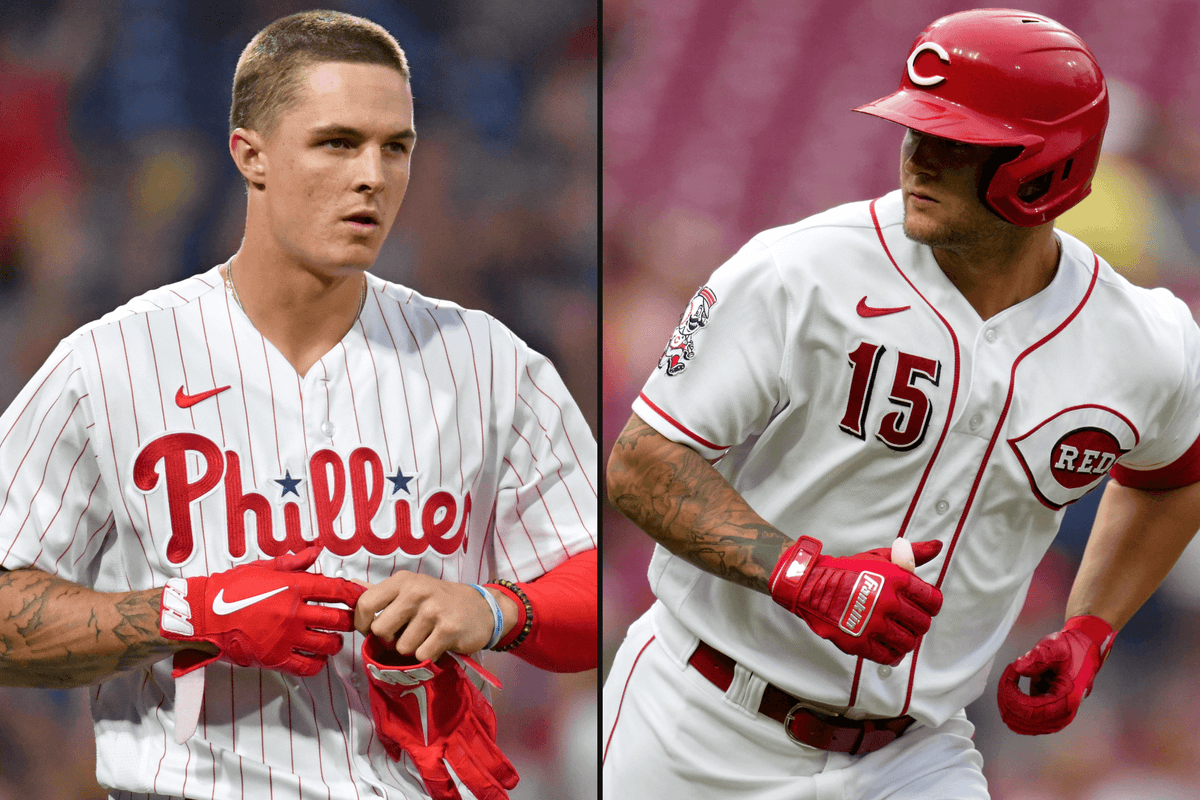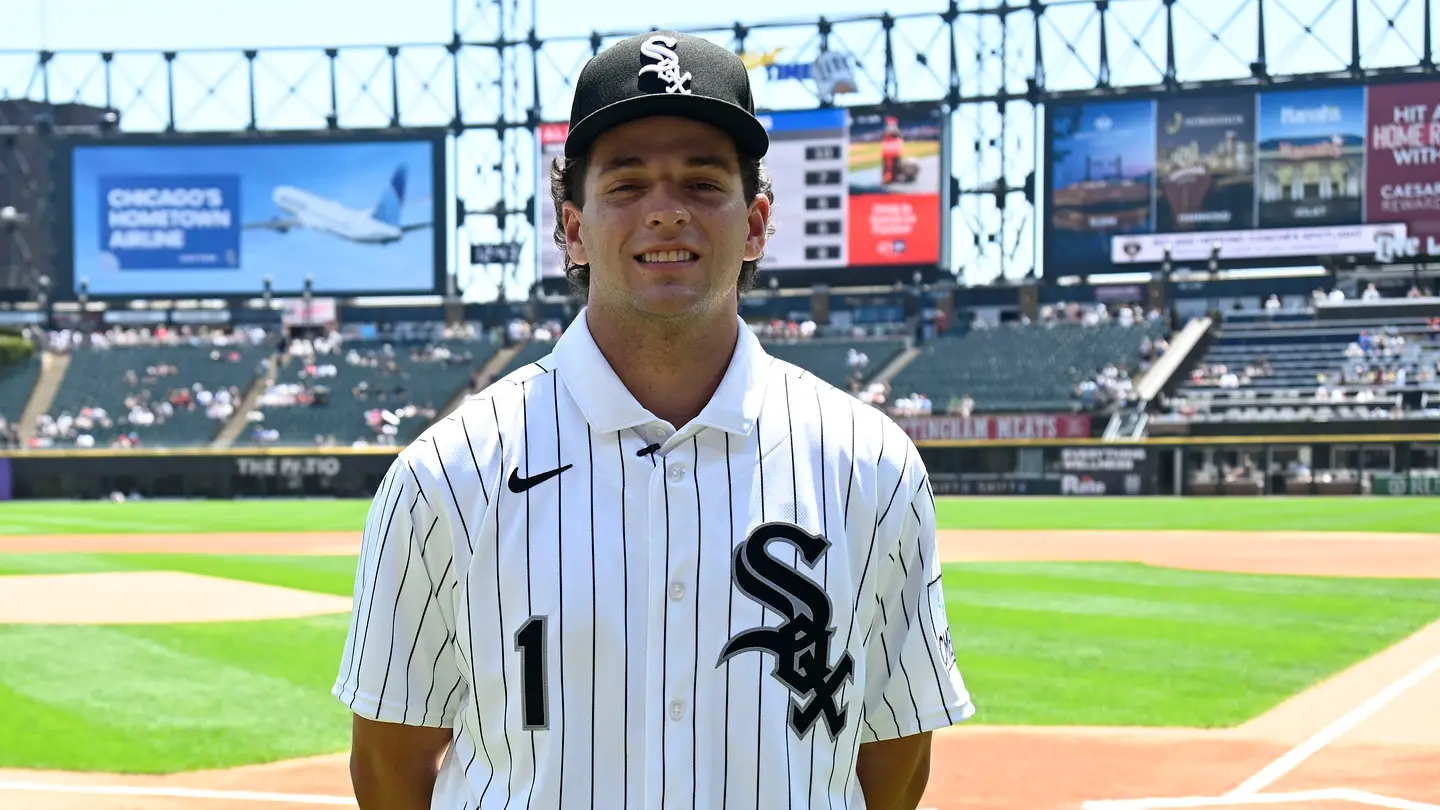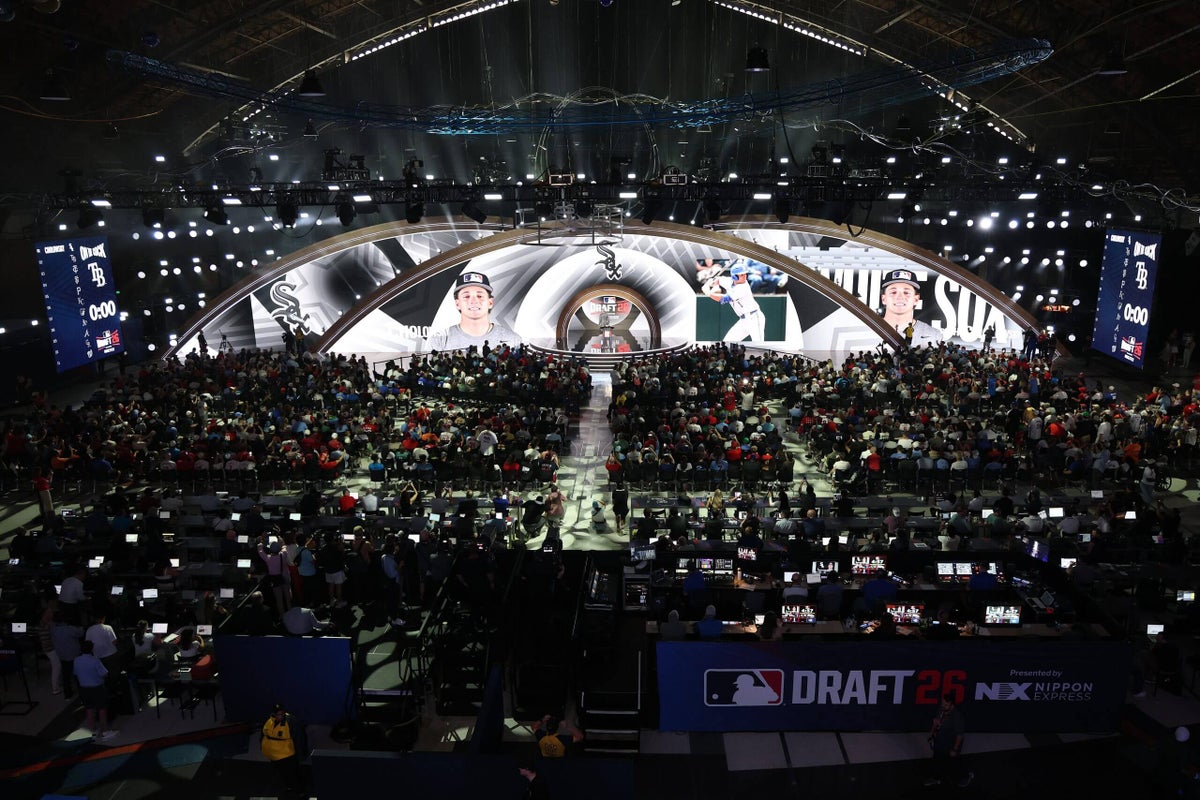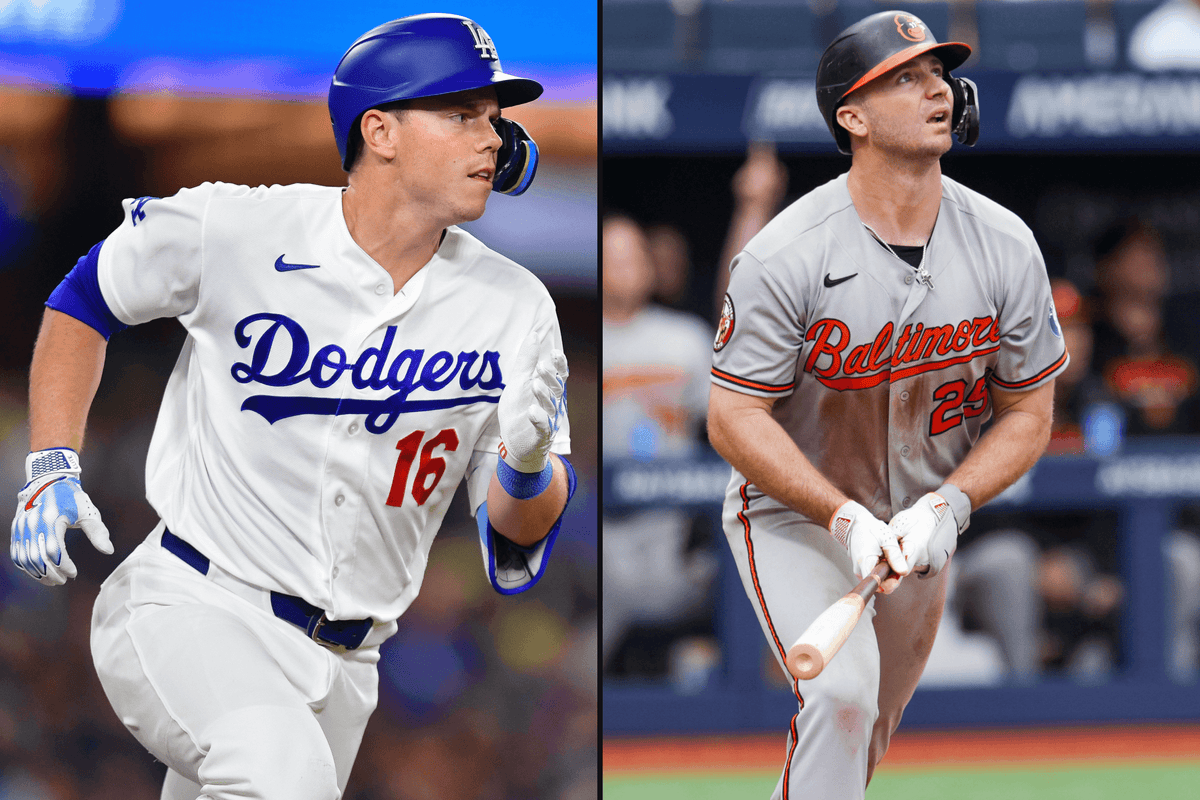
We are less than a month away from the 2026 MLB Draft. As soon as it’s over, the question will be asked: Who won the draft? While we have our initial opinions on best and worst picks, we won’t truly know who “won” the draft until years down the road. That’s why it’s always instructive to look back at drafts years later to see what we can learn. One decade out, let’s look back at the 2016 MLB Draft.We knew the 2016 draft wasn’t good at the top even as it was happening, but I don’t think anyone knew just how bad it was. To wit: No player taken in the first round proper has amassed even 10 bWAR in the majors to date; the highest-drafted player to do so was Will Smith, taken with the 32nd pick by the Dodgers, and he’s the only player among the top 50 picks to reach that threshold.That draft has produced a handful of quality big leaguers; however, fewer than the typical amount but with two Cy Young Award winners and a Rookie of the Year among them. It’s not pretty, however you slice it. There’s a word on the tip of my tongue that would describe this draft class as a whole, but I’ll be nice and say nothing more about it.This is a “redraft,” in which I try to reselect the top 30 picks based on what we know of the past 10 years and what I think these players might do for the remainder of their careers. I don’t include players who didn’t sign, and I don’t think about service time considerations (when you draft a player, you only control the first six-plus years of his career). I’m just going big picture here, and while I cite players’ Wins Above Replacement figures throughout (using Baseball-Reference), I didn’t just rank the players by their WAR totals; a few times, I deviated quite a bit from those rankings.I’ll follow up with a column on the “misses” of the first round, which includes some famous names but a lot of “remember some guys” types, too. (Note: WAR figures from Baseball-Reference are through June 14.)1. Will Smith, CCareer WAR to date: 23.9Spot Actually Selected: Sandwich Round, Pick 32, Los Angeles DodgersPlayer Actually Selected No. 1: Mickey Moniak, OF, Philadelphia PhilliesSmith wasn’t even the highest-drafted player on his own college team, as Corey Ray went at pick 5, and the following year, two-way player Brendan McKay was the No. 4 pick, so Smith certainly can argue he didn’t get enough respect. He was a strong defensive catcher who rarely struck out in college (14 times in 203 PA), but he hit just seven homers. Smith might be the Dodgers’ greatest player development success story in the past decade, as he hit 11 homers in 2017, 20 in 2018 and has held that power without sacrificing his ability to hit or get on base. While he’s second in career WAR right now, he’s probably going to end up leading this class when they’re all retired, especially since he’ll have value as a part-time catcher for as long as he wants to play.2. Pete Alonso, 1BCareer WAR to date: 24.8Spot Actually Selected: Second Round, Pick 64, New York MetsPlayer Actually Selected No. 2: Nick Senzel, 3B, Cincinnati RedsAlonso has 280 career homers, leading this draft by 134 at this writing, and while I think his best years are behind him, he should have several more 2-3 WAR seasons in him, maybe a little better if he can DH instead of playing first base. Like Smith, Alonso wasn’t a huge power hitter in college, only getting to double digits once in three seasons at Florida, and like Smith, he wasn’t the highest-drafted player on his own team. A.J. Puk and Dane Dunning went ahead of him in this draft, and that Gators roster had four more future first-rounders.3. Bryan Reynolds, OFCareer WAR to date: 23.4Spot Actually Selected: Second Round, Pick 59, San Francisco GiantsPlayer Actually Selected No. 3: Ian Anderson, RHP, AtlantaI talk enough about being wrong that I think I can mention being right here — I had Reynolds as a first-rounder in this draft, ranked 16th on my top-100 board. And as long as there are no questions about who I placed above him, I’ll continue: Reynolds was like Alonso in that he saw his home run total jump in his draft year, but he struck out more than you’d like for a first-rounder at that time, although today no one would even blink at a 20.4 percent rate. Much of it came from him taking so many pitches early in the count, which is a skill in and of itself, and he seemed to me like the perfect guy to give some highly technical advice best summarized as “swing more.” He started fine in the Giants’ system, but he took off when the Pirates got him, and he is one of the Neil Huntington era’s best player development efforts.4. Bo Bichette, SSCareer WAR to date: 20.5Spot Actually Selected: Second Round, Pick 66, Toronto Blue JaysPlayer Actually Selected No. 4: Riley Pint, RHP, Colorado RockiesI’m going to assume that Bichette’s miserable start to his tenure in New York is not an indication that he’s finished at age 28. Going into the draft, Bichette was extremely well-known as a prospect, thanks to his dad (Dante), his brother (Dante Jr., a sandwich pick by the Yankees who did not pan out), and his experience playing at a ton of showcase events. Bichette’s ability to get the bat to the ball was evident, and he was a better runner and defender than either of his family members, but his very unorthodox swing kept him from going in the first round. He wasn’t even Toronto’s second pick, as they had another selection in the second round, nine spots earlier, and took a college tools goof, J.B. Woodman, who really couldn’t hit. And apparently there was still significant disagreement within the Jays’ draft room on whether to take Bichette where they did. They made the right call.Corbin Burnes was a fourth-round pick out of Saint Mary’s, but with the Milwaukee Brewers, he developed into a Cy Young Award winner and eventually a prime free agent target. (Geoff Stellfox / Getty Images)5. Corbin Burnes, RHPCareer WAR to date: 19.5Spot Actually Selected: Fourth Round, Pick 111, Milwaukee BrewersPlayer Actually Selected No. 5: Corey Ray, OF, Milwaukee BrewersThe Brewers actually took Louisville outfielder Corey Ray here; he ended up playing one game in the majors. Burnes looked like a top two-rounds guy for most of the spring but lost some velocity later in the season, which is probably how he ended up going in the fourth round. The Brewers got him back to full strength and cleaned up the delivery to turn him into an above-average command/control guy. He was still pitching at a very high level when his UCL finally broke last year; he recently suffered a strained teres major muscle while rehabbing from Tommy John and probably won’t return until September, if he pitches at all this year.6. Shane Bieber, RHPCareer WAR to date: 18.6Spot Actually Selected: Fourth Round, Pick 122, ClevelandPlayer Actually Selected No. 6: A.J. Puk, LHP, Oakland AthleticsBieber turned out to be the earliest evidence that Cleveland was up to something, targeting pitchers with good deliveries and control a little later in the draft, then adding velocity and/or other pitches to make them better. Bieber’s control was ridiculous even at the pitching factory of UC-Santa Barbara; he walked 38 total in three seasons with the Gauchos, a 3.1 percent walk rate that should have earned him more attention from everyone, myself included. (For some perspective, USC lefty Mason Edwards, who is probably going to be a top-50 pick next month, has walked 43 batters already just this season.)7. Zac Gallen, RHPCareer WAR to date: 19.9Spot Actually Selected: Third Round, Pick 106, St. Louis CardinalsPlayer Actually Selected No. 7: Braxton Garrett, LHP, Miami MarlinsGallen hasn’t been the same pitcher for a year-plus now, and there’s a chance he’s done. But if this is it, he’s still had a heck of a career for a third-rounder — and it was a great pick for the Cardinals, too. Gallen was an early exemplar of the trend toward high-riding four-seamers, as his other stuff was mostly average in college, with good control probably his best attribute. His secondaries improved somewhat in pro ball, but it was the fastball that made him his money.8. Tommy Edman, IFCareer WAR to date: 19.1Spot Actually Selected: Sixth Round, Pick 196, St. Louis CardinalsPlayer Actually Selected No. 8: Cal Quantrill, RHP, San Diego PadresRandy Flores’ first draft as the Cardinals’ scouting director turned out to be a strong one. Even though their first pick, Delvin Pérez, was a disaster, Gallen, Edman, Dylan Carlson, Dakota Hudson, Andrew Knizner and Daniel Castano all reached the majors and generated positive WAR. (More on Pérez to come in my companion piece on the many first-round misses of 2016.) Edman, meanwhile, was a completely unremarkable middle infielder at Stanford with a slappy swing who failed to hit .300 or slug .400 in any of his three seasons for the Cardinal, although he did hit well in both summers, one in the NECBL and one in the Cape Cod League. The Cardinals loved his actions and range at second and third, along with his plus speed, but he improved his arm strength after signing, which allowed him to play third and to even try center field, where he’s also been excellent. They had to be one of the only teams that saw his potential at the time.9. Jesús Luzardo, LHPCareer WAR to date: 12.6Spot Actually Selected: Third Round, Pick 94, Washington NationalsPlayer Actually Selected No. 9: Matt Manning, RHP, Detroit Tigers
Redrafting the 2016 MLB Draft: Will Smith, Pete Alonso top a not-very-good class
The 2016 MLB Draft yielded a handful of outstanding major-league players, but almost none of them were selected in that year's first round.
4,403 words~20 min read