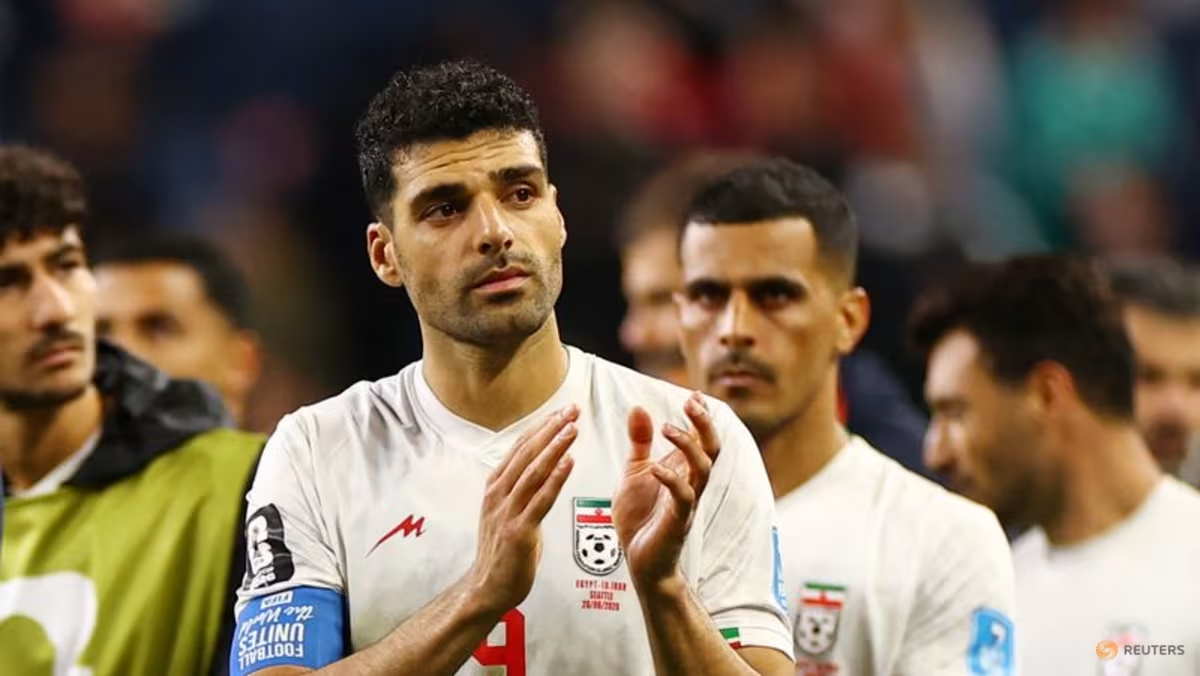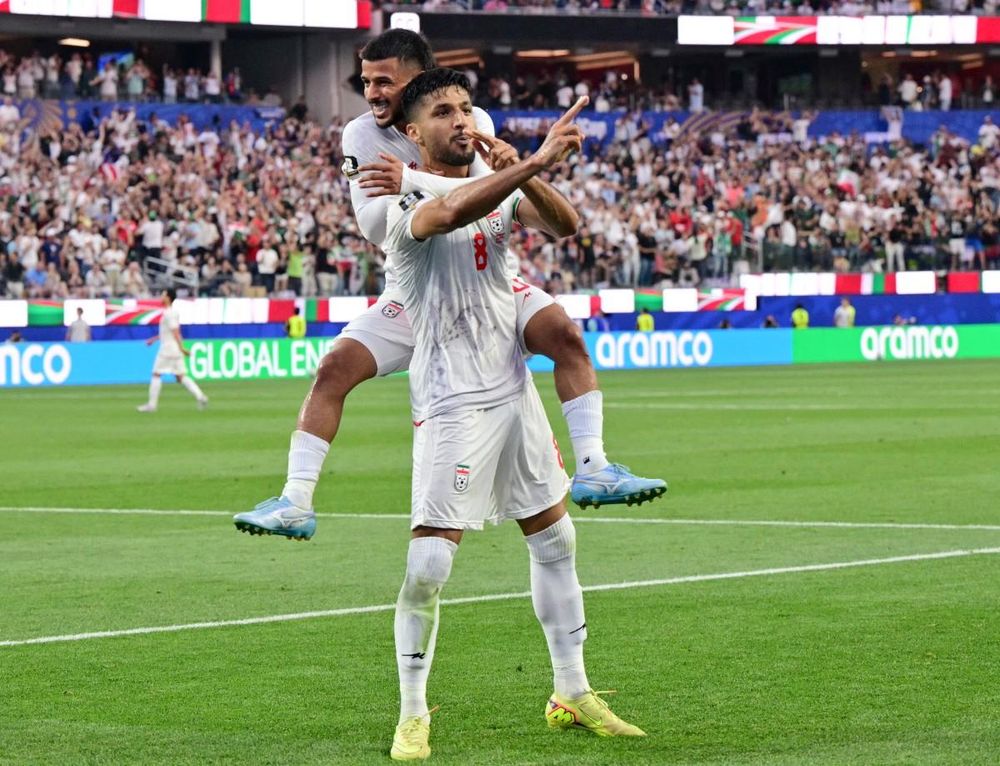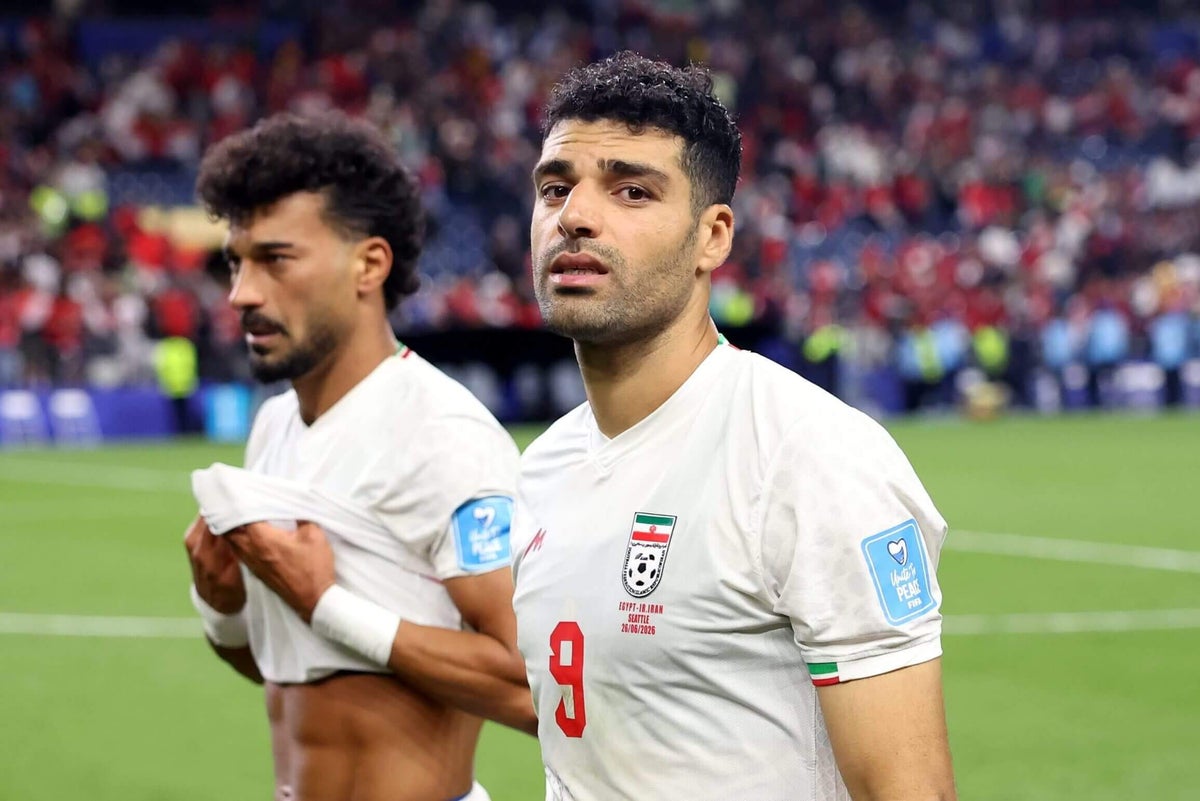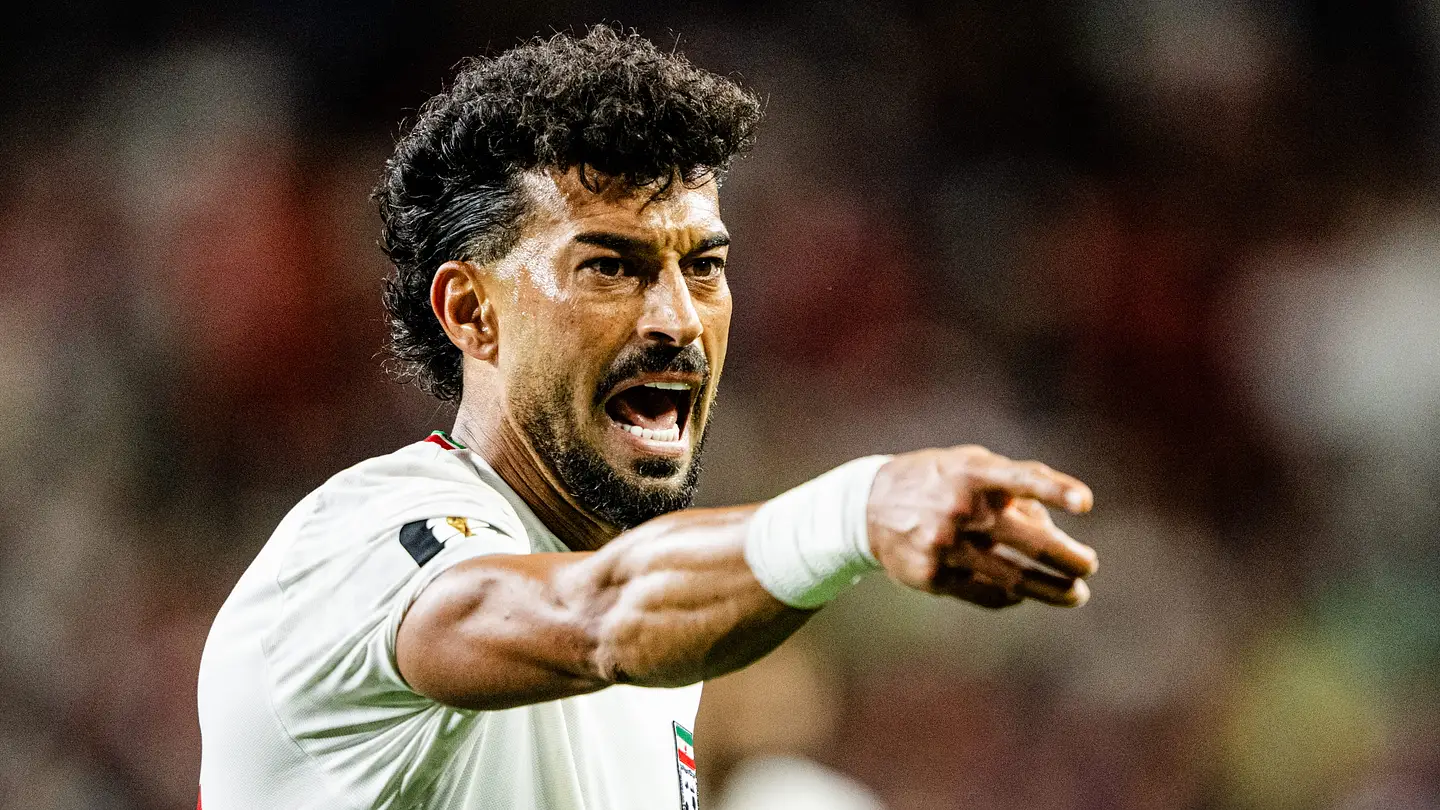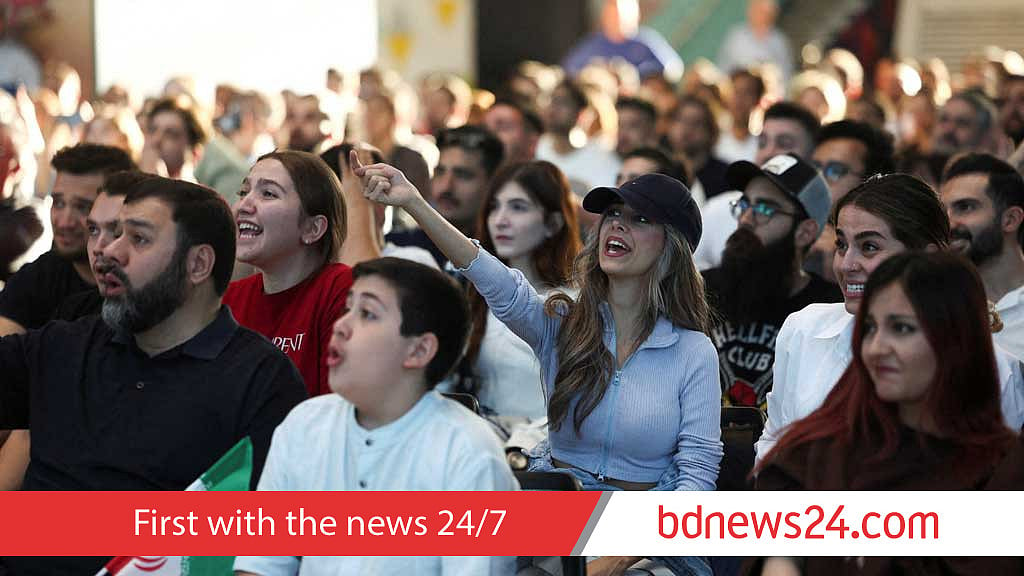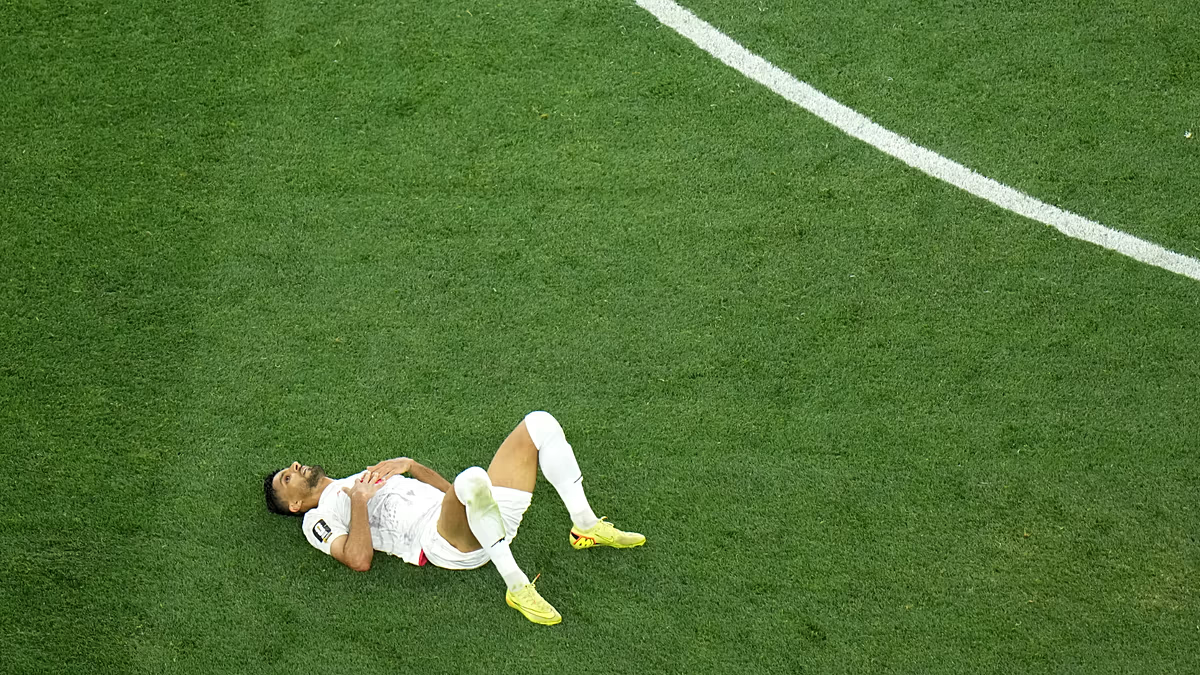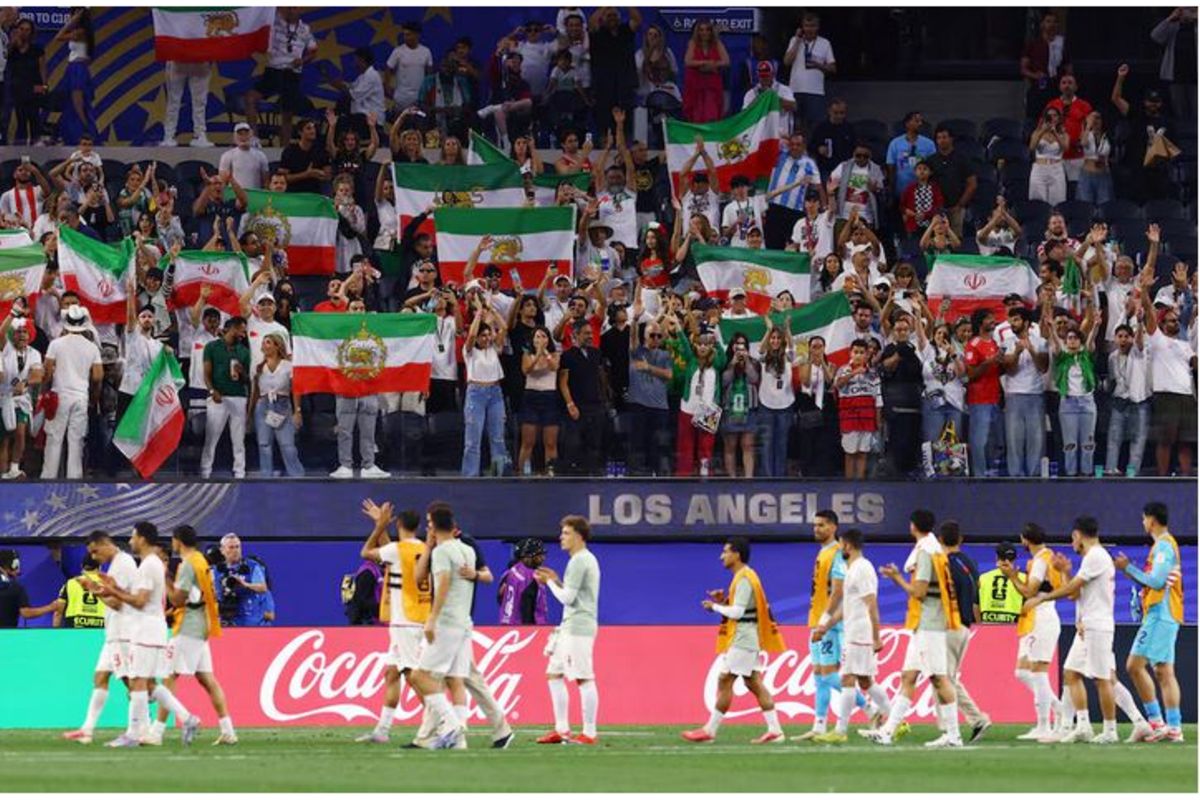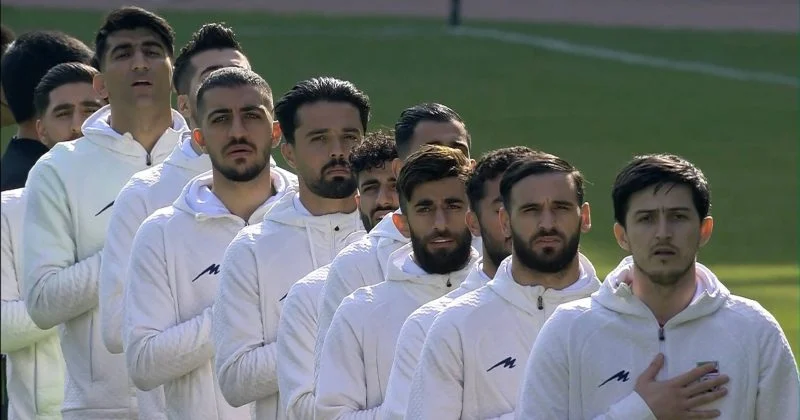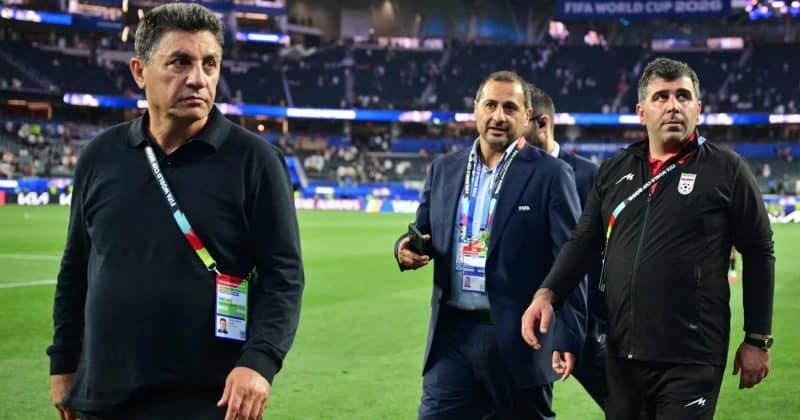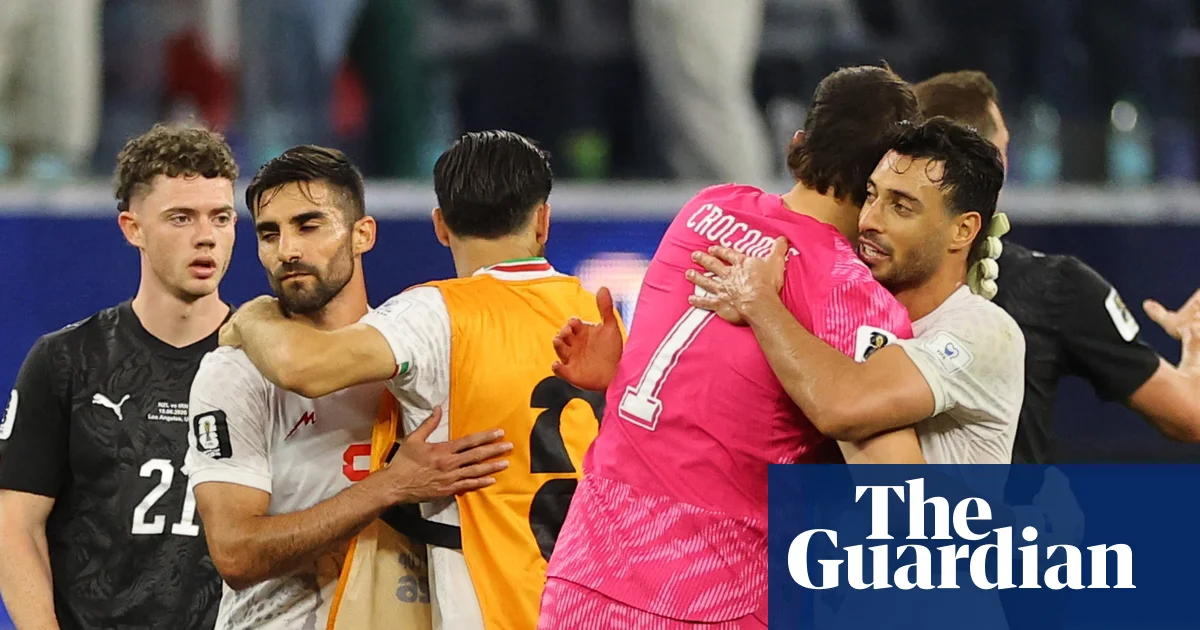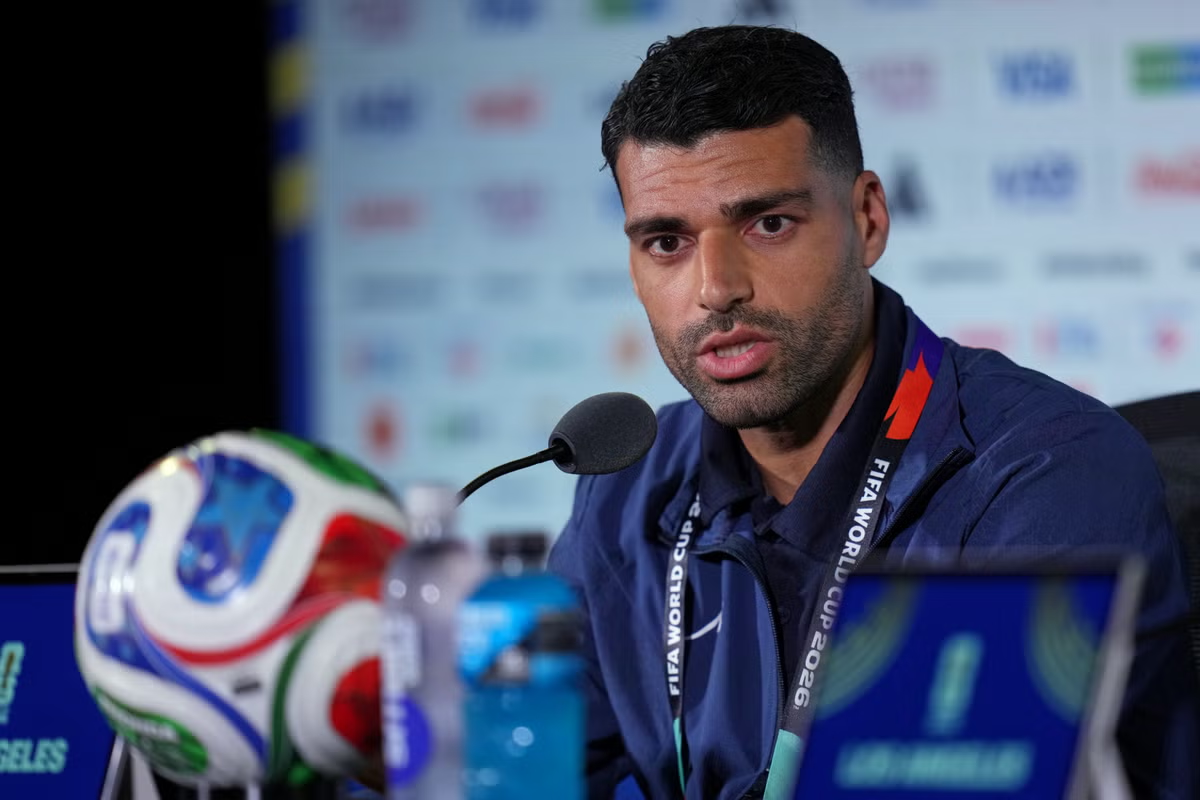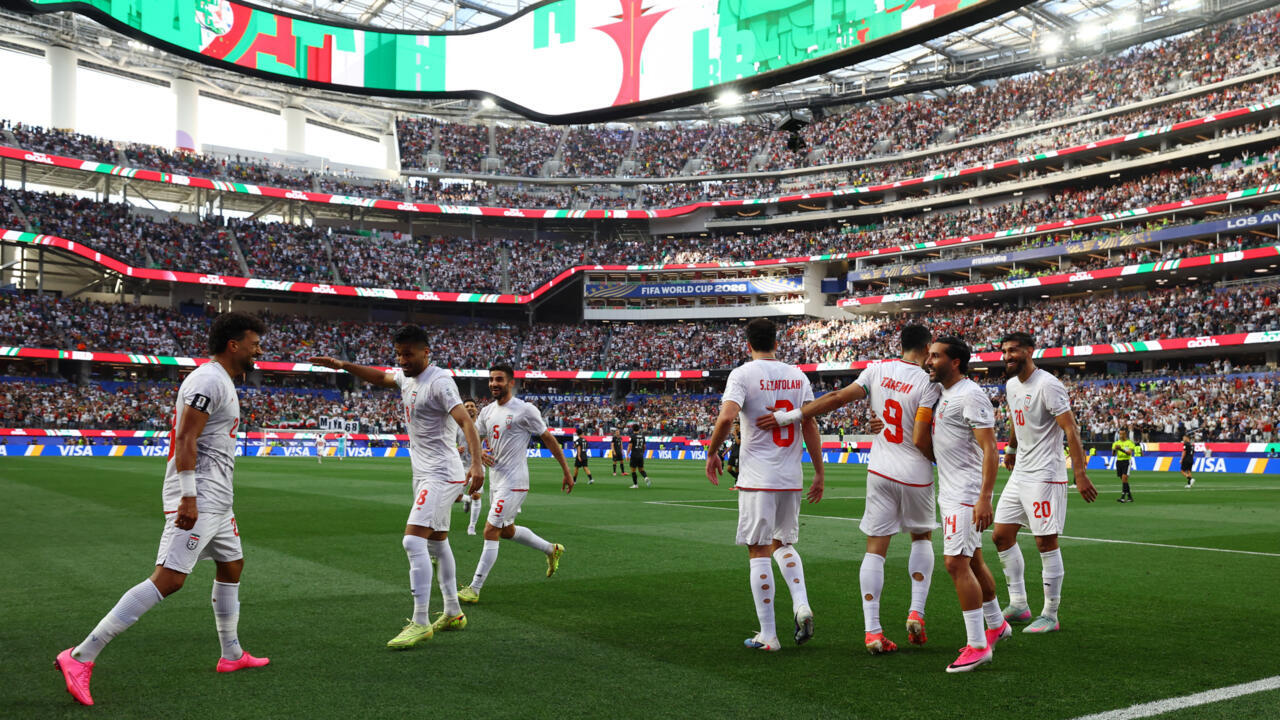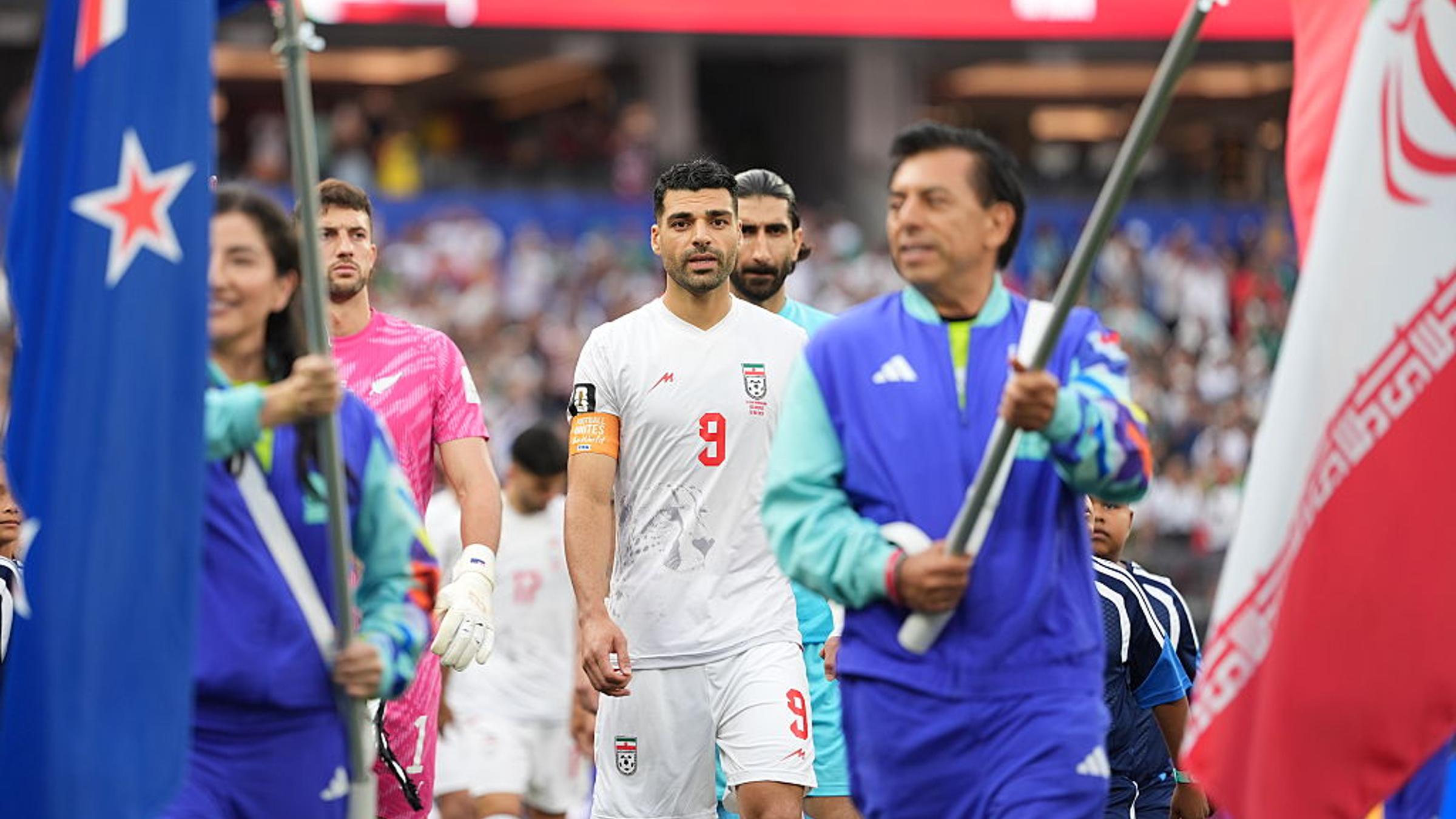
Iranian striker Mehdi Taremi had plenty to say on Monday after his team drew with New Zealand, 2-2, in a wildly entertaining, creative, and tense World Cup game filled with passion and meaning stretching far beyond the pitch. He couldn’t stop talking. Most soccer pros—Taremi plays for the Greek club Olympiacos— can’t wait to run away from the press after games. But Taremi wanted to empty his chest. An official tried to stop the press session. He couldn’t.“Everything is a disaster for us, actually,” Taremi said at Los Angeles Stadium.Taremi was speaking less of the match’s results—though Iran certainly wasn’t happy drawing against a side, New Zealand, who had lost all six of its previous World Cup games across two appearances (1982 and 2010). He was more venting about the practical challenges of playing World Cup games in a country, the United States, that started, along with Israel, a war against Iran and has instituted a strict travel ban against Iranians.Eleven members of Iran’s soccer delegation, including the head of the nation’s soccer federation, a media officer and a security officer, have been unable to secure visas to enter the U.S. Iran had originally planned to set up its training base camp in Tuscon, Ariz., but moved it to Tijuana, Mexico, due to security concerns. Iran flew up from Tijuana to the Los Angeles area on Sunday, the day before its match: Taremi said the trip took five hours, implying that immigration procedures slowed things down. And the team had to fly right back to Mexico after the game on Monday night, disrupting rest and recovery. Iran is due to return to Los Angeles for Sunday’s game against Belgium, a matchup that could determine whether Team Melli—“the National Team” in Persian—moves on to the Round of 32.“It’s not good for us, it’s not good for the football,” says Taremi. “This is a lot of stress for the players and staff and everyone, but we don’t have that support, and I think FIFA can help us more.”On and off the Los Angeles Stadium soccer field, it couldn’t have been a more emotionally-charged day for those wearing Iranian green, white, and red. Team Melli was not only playing its first World Cup game in the U.S.: on Sunday, both the U.S. and Iran announced a potential peace deal to end the war. Members of America’s Iranian diaspora, which is particularly strong in Los Angeles, arrived at the stadium in droves: the crowd of 70,108, although filled with some New Zealanders and fans from other nations, made it feel like an Iran home game.People generally fell into one of three camps. The first was defined by anger. A group of protestors near SoFi Stadium in Inglewood, Calif., equated Team Melli with a regime that brutalizes its own people. Before U.S.-Israeli forces took out Iran Supreme Leader Ayatollah Ali Khamenei on Feb. 28, more than 7,000 people were killed during the regime’s crackdown on protests, according to the U.S.-based Human Rights Activists News Agency.“This is not the national team of Iran,” says Satggin Jalali, an Iranian activist living in Los Angeles. “This team does not represent Iran and the Iranian people. They represent the terrorist regime,” Jalali, 47, never considered buying a ticket to support the team. “I don’t want to be there,” she says.The second camp was more conflicted. “It’s a mixed emotion,” says Salar Deldar, a physician from Carmel, Calif., who was attending the game with his mother and young son. Deldar, 42, was born in Iran but immigrated to the U.S. when he was 2, during the Iran-Iraq War of the 1980s. “There’s a lot going on, internally, so it’s challenging,” he says. “I try not to make it ultrapolitical, and kind of just see it through the lens of the sport. To appreciate the game for what it is.”Another group isn’t torn at all about cheering. “The national team feels like my family, and I support them regardless of what is happening,” says Anahita Seyed, an architect from the Bay Area who was born and raised in Iran and moved to the U.S. some 15 years ago. “My love for Iran is very strong. It's actually been growing stronger because I feel my country has been going through a lot the last year, from different sides.”FIFA attempted to prevent fans from bringing Iran’s pre-Islamic revolution flag, featuring the lion and sun emblem, into the stadium. A few got them in anyhow, and waved the flags during the game. “We just want to let people know this is the national flag of Iran, not IR Iran,” says Amir Ghasemkhani, a computer science professor at Cal State Long Beach who immigrated to the U.S. from Iran about a decade ago, while holding the pre-revolutionary flag in his seats.Protestor Kourosh Salman, wearing a Make Iran Great Again hat, commended President Donald Trump for using force against the Iranian regime, though a theocracy is still in place. “We want full regime change and to bring democracy in Iran and freedom for our people,” says Salman, a general contractor in Irvine, Calif.The Iranian players seem less fond of talking about Trump. A reporter asked Taremi and his teammate Mohammad Mohebbi, who scored the game-tying goal in the 64th minute, whether they had a message for Trump. Even the verbose Taremi wasn’t touching that one. “We are here to play football, my friend,” Taremi responded. At 10:06 p.m. local time, Iran’s team bus finally began its departure from Los Angeles Stadium, for a late-night flight. Bound for Mexico.
‘A Disaster’: Iran’s World Cup Overshadowed by War With Host U.S.
Iranian captain Mehdi Taremi had much to get off his chest during a post-match interview following a 2-2 draw against New Zealand in Los Angeles.
922 words~4 min read