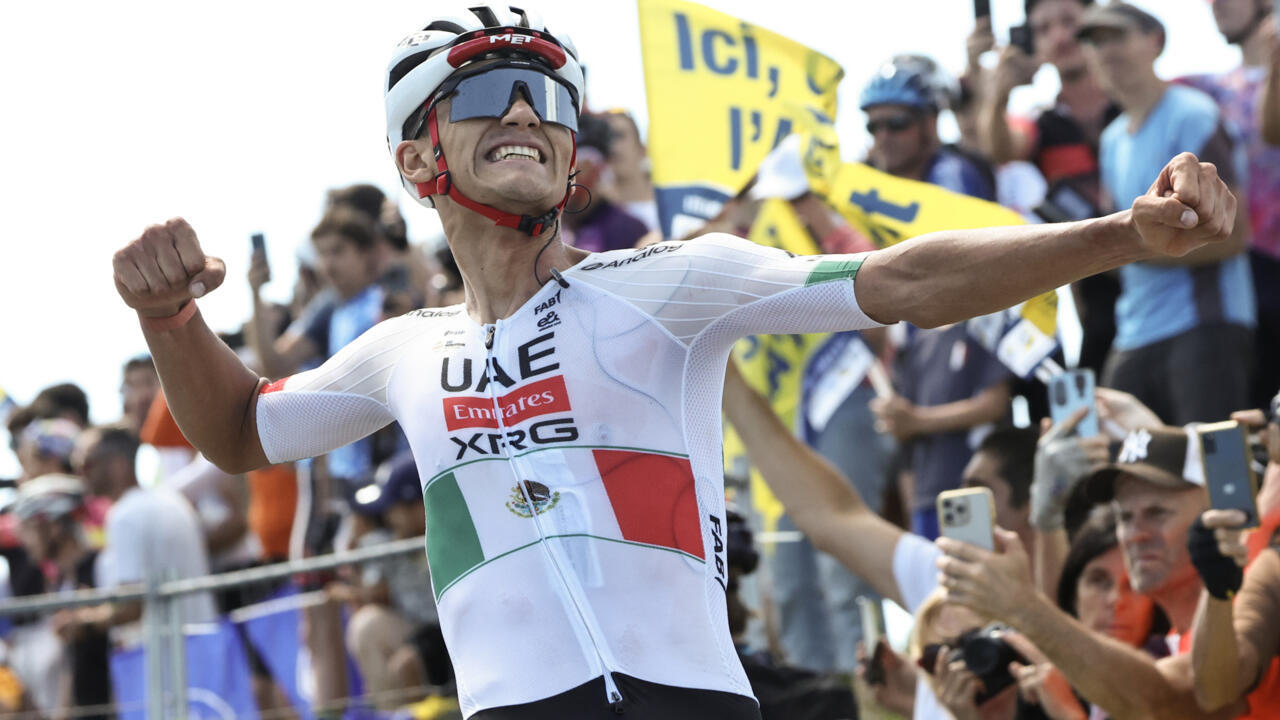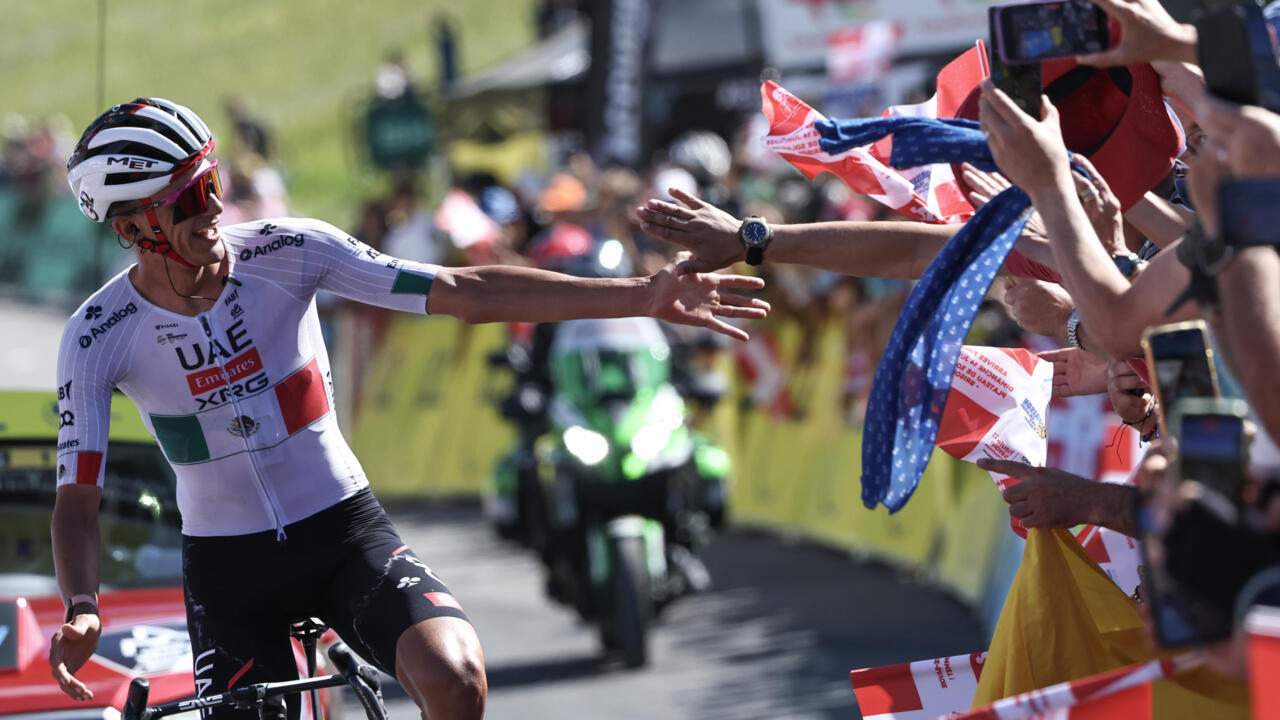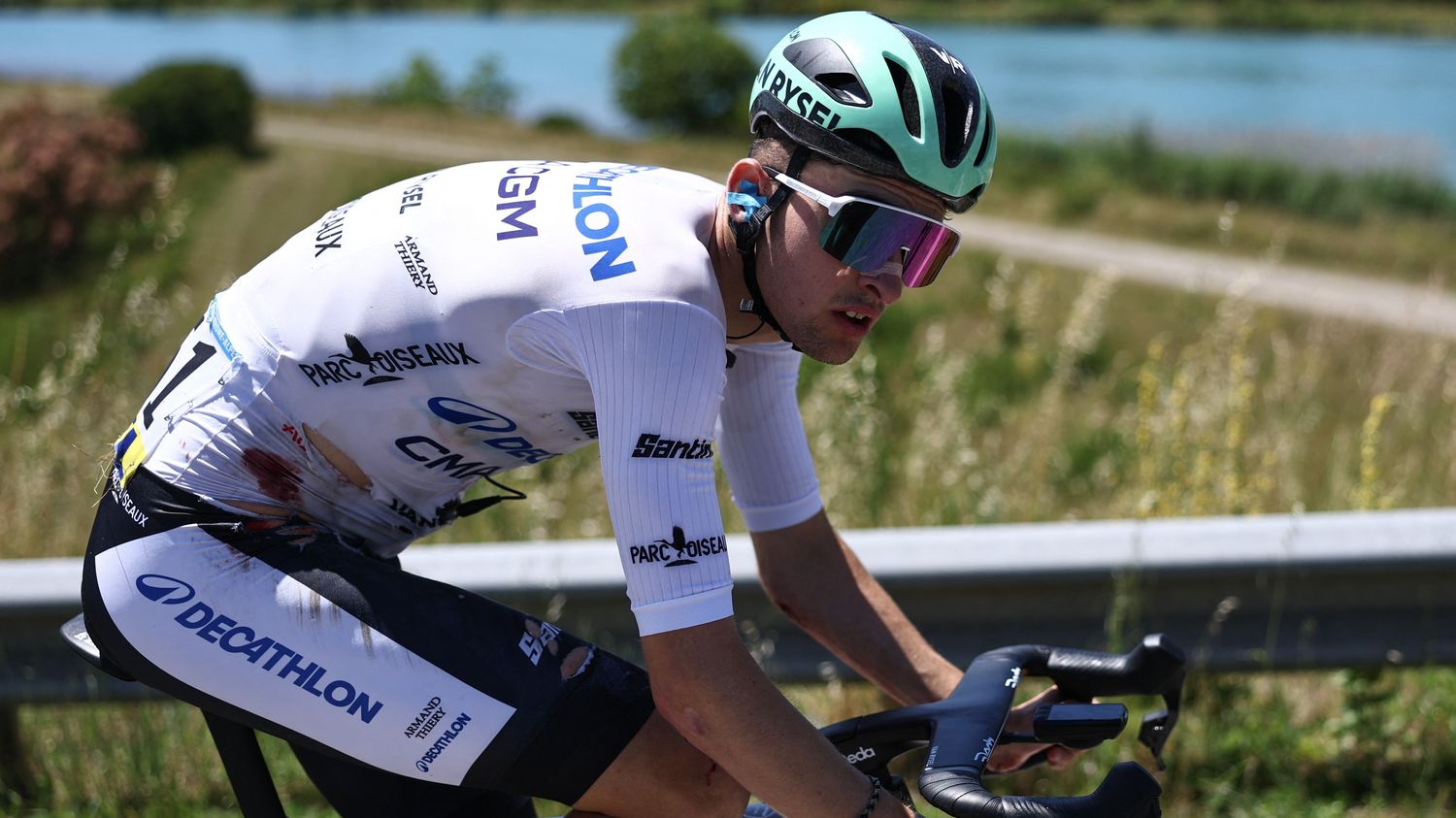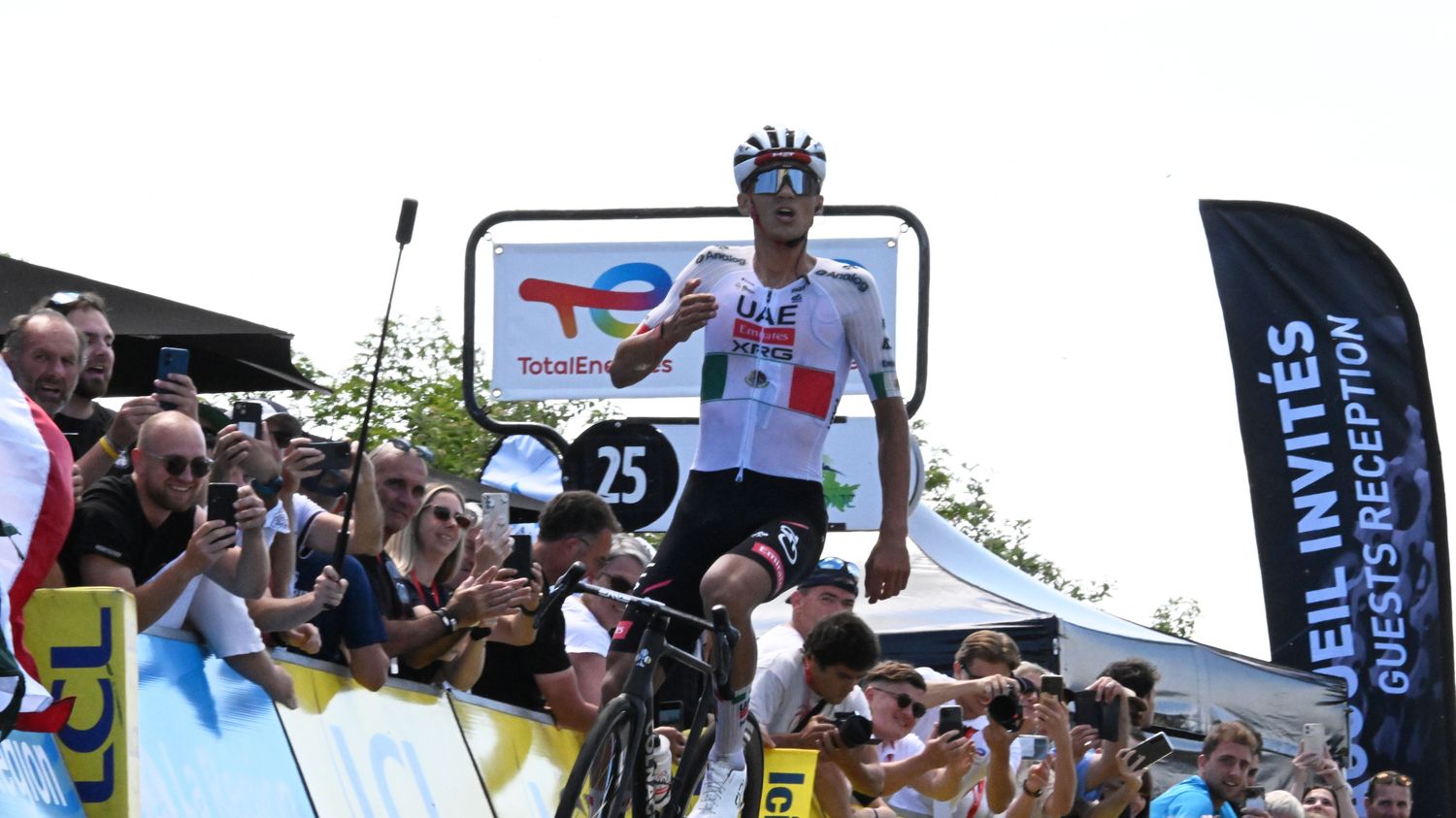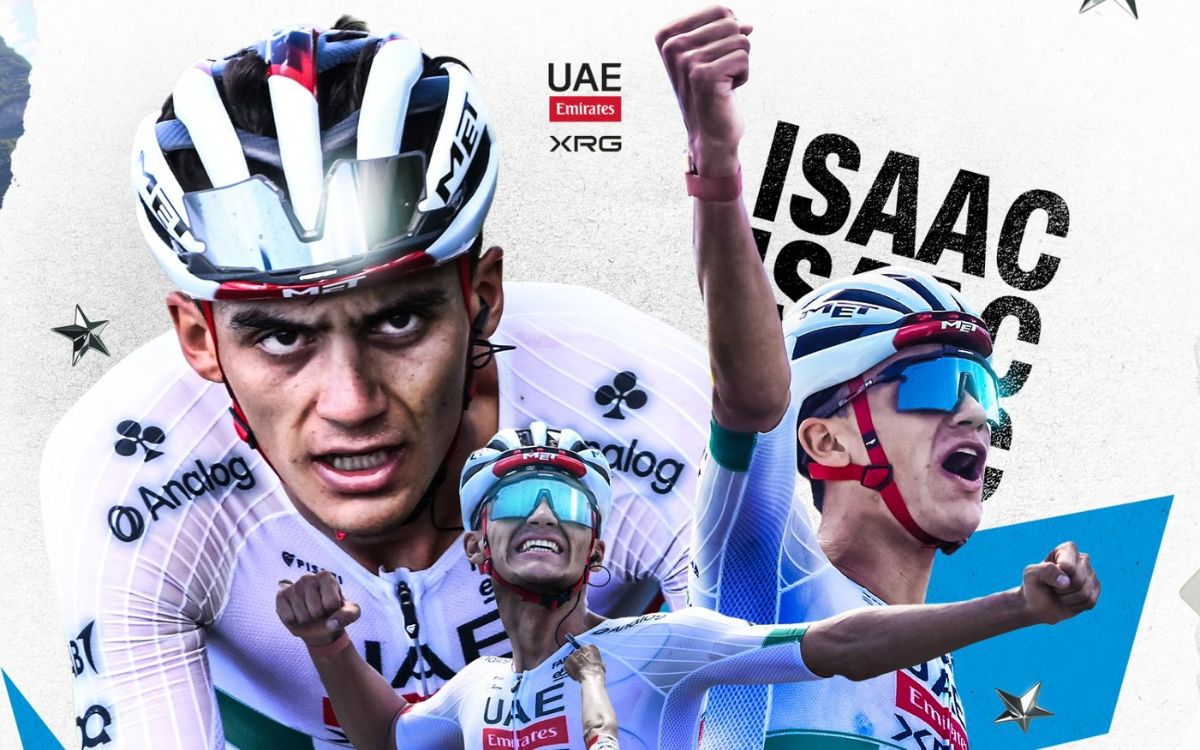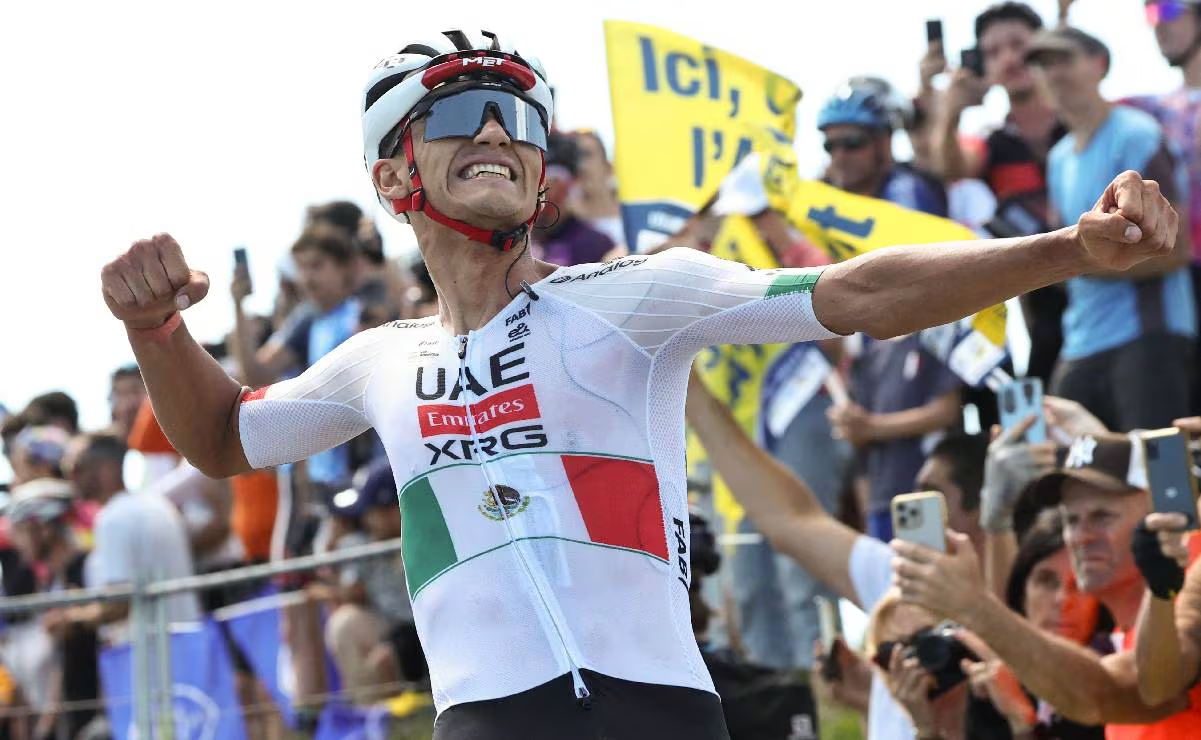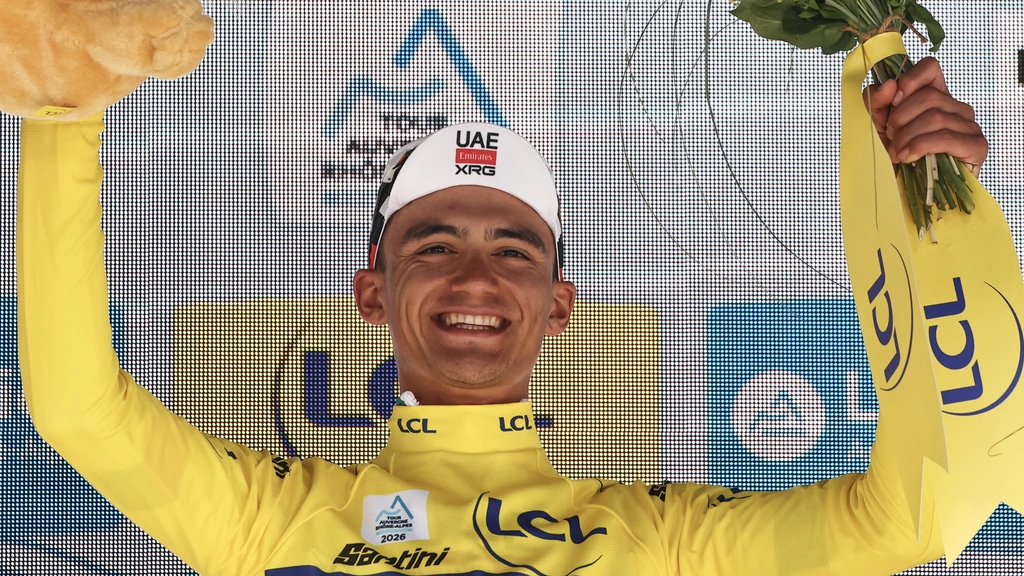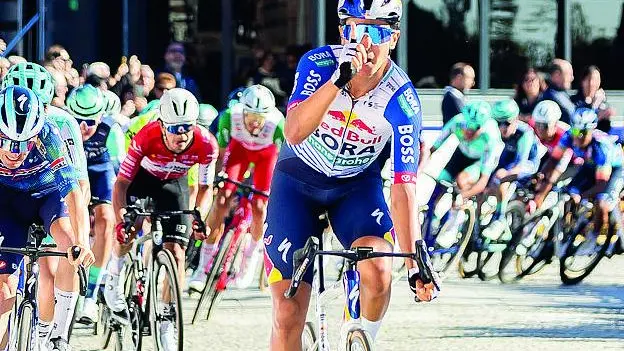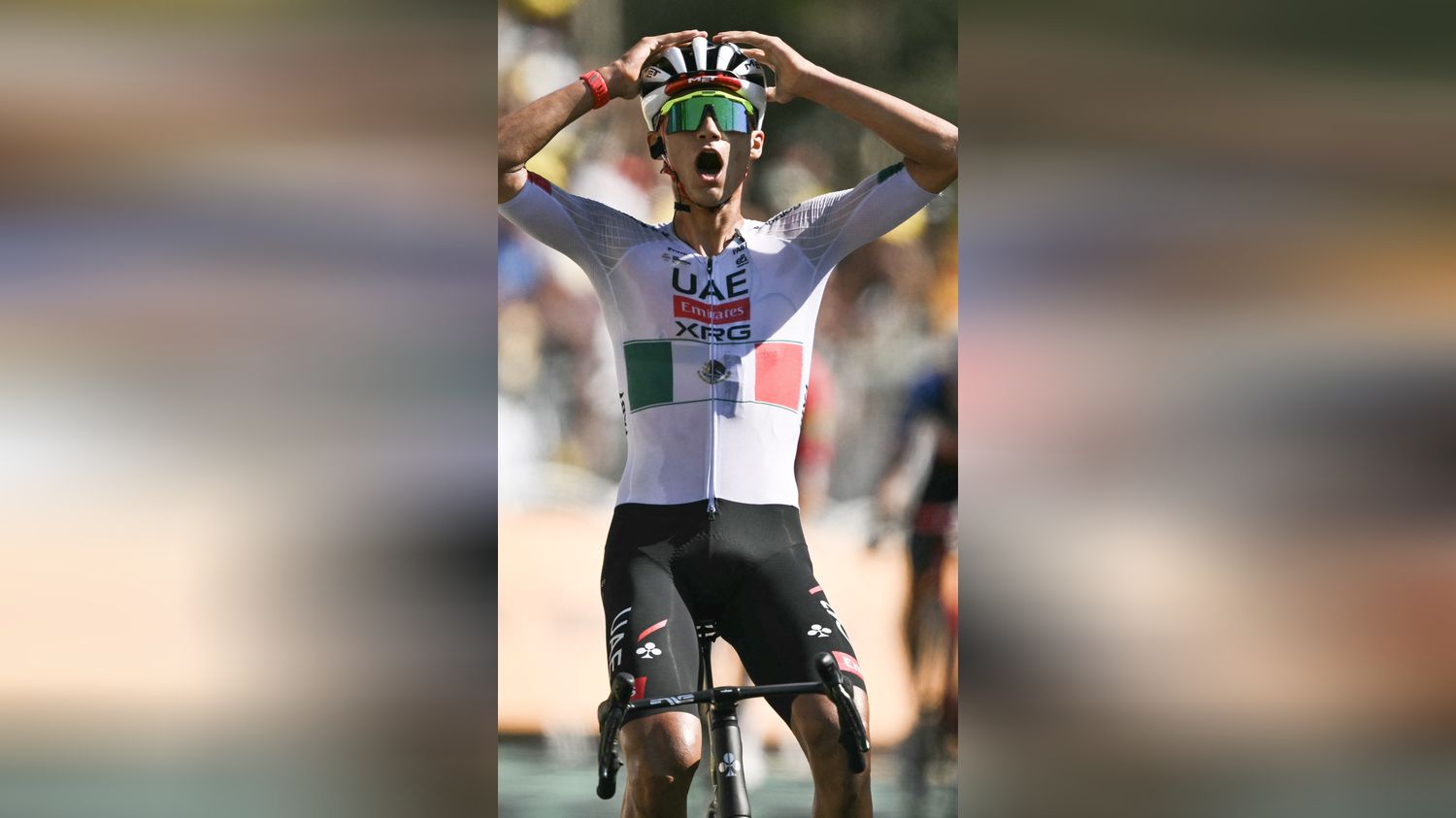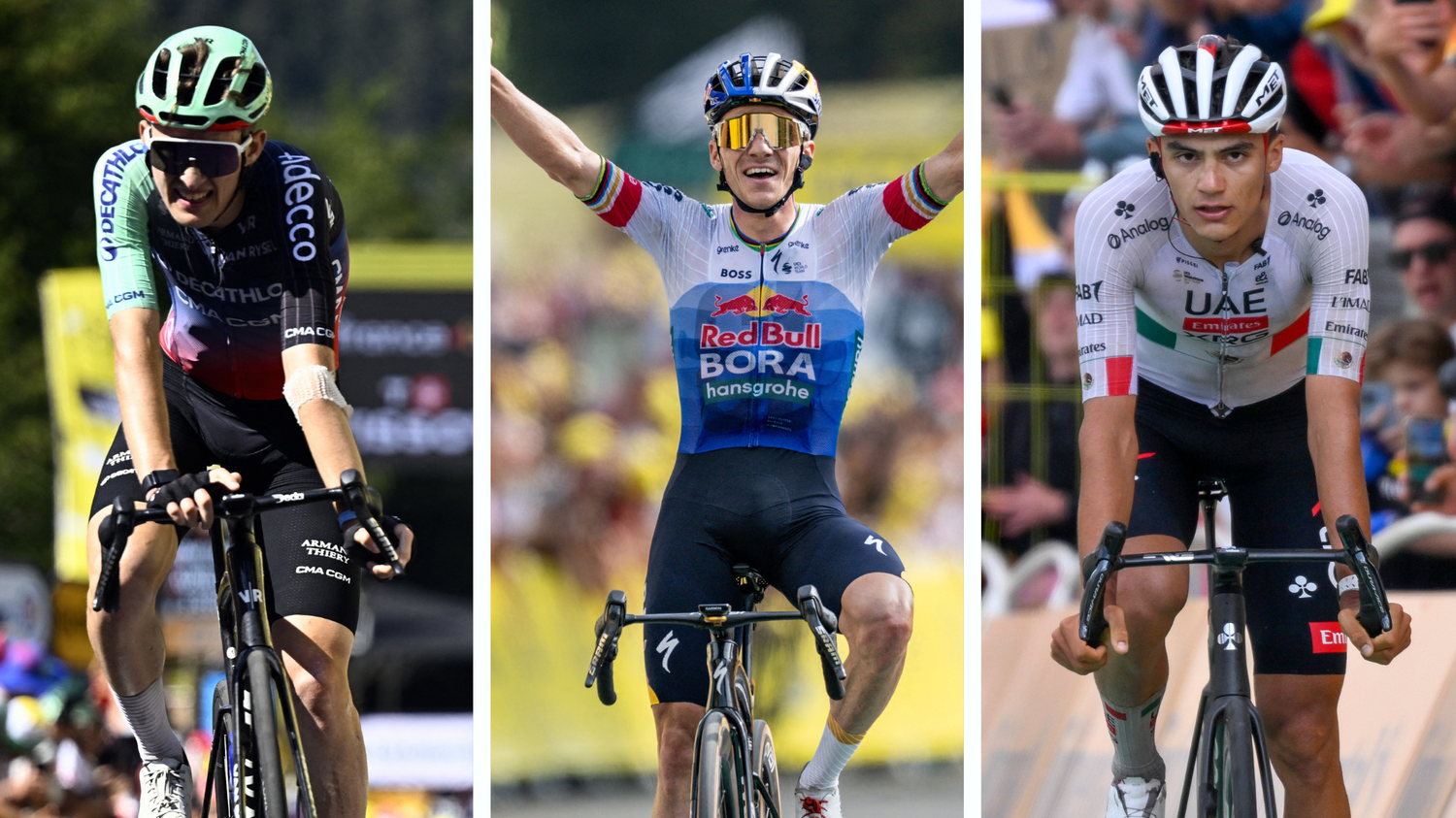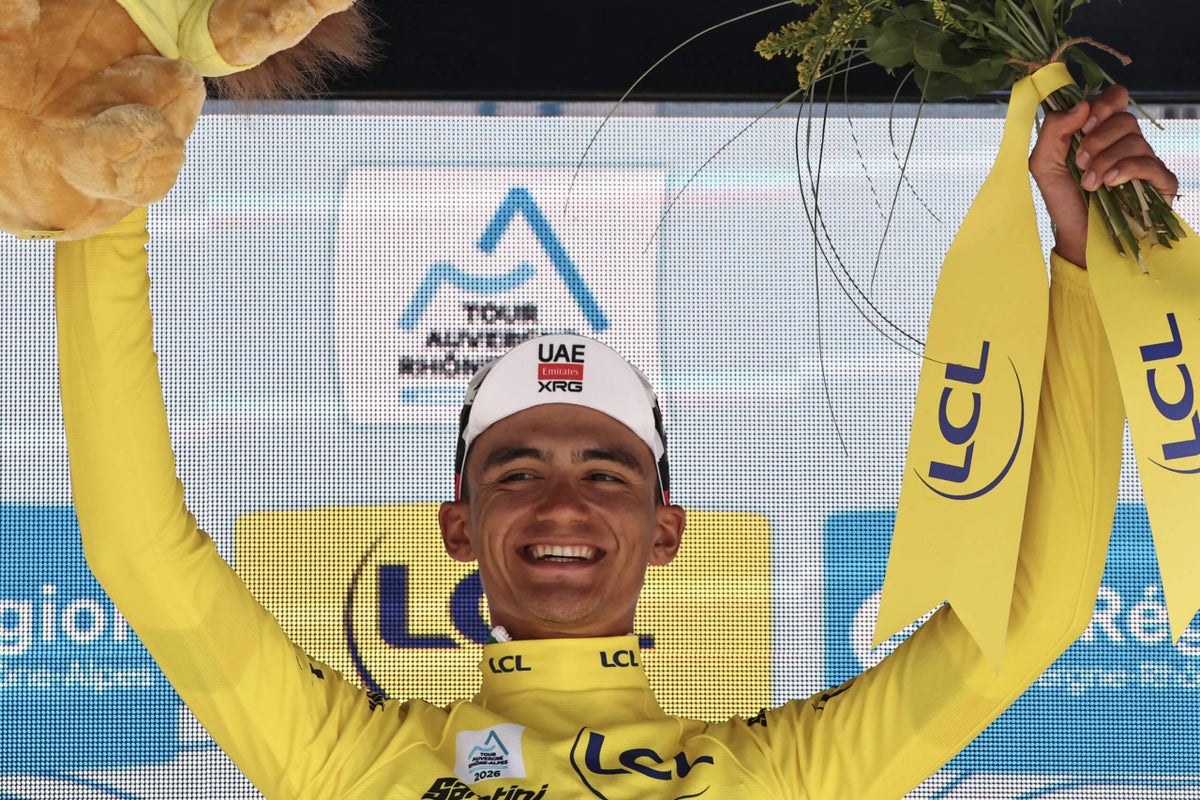
The Tour Auvergne-Rhône-Alpes — or the Critérium du Dauphiné if you prefer its old name — always sharpens minds and legs before the Tour de France, and this year’s race was no different.There were winners, losers, and a whole lot of talking points that could have a major impact on the Tour, which starts in Barcelona on July 4 with a team time trial.Isaac Del Toro of UAE Team Emirates-XRG won the final two stages up hors catégorie climbs to win the race by 54 seconds from Australian youngster Luke Tuckwell of Red Bull-Bora-hansgrohe.Tuckwell had unexpectedly taken the lead after finishing third from the breakaway on stage six, and though the 21-year-old was unable to prevent Del Toro from taking the yellow jersey off him, he held onto a very commendable second place. Lidl-Trek’s Juan Ayuso finished third with a deficit of 1:17 to his former UAE teammate Del Toro.French wonderkid Paul Seixas, who was billed as the race favorite before it began, suffered a high-speed crash on stage seven, and though he valiantly chased back and finished the stage, he abandoned after only an hour of racing on stage eight.He was one of 58 riders to drop out of the race, with illnesses and crashes taking their toll. Wout van Aert, the winner of stage five, withdrew before the race’s denouement.Netcompany-INEOS endured a worrying week. Josh Tarling broke his collarbone, while their leader Oscar Onley — fourth in last year’s Tour — found himself hanging from a tree next to a ravine after a horrifying crash on stage six. His participation in next month’s Tour is not thought to be in doubt, though.Netcompany-INEOS’ Josh Tarling receives attention after crashing on stage six (Anne-Christine POUJOULAT / AFP via Getty Images)The Athletic assesses the key stories from the race and what they might mean for the upcoming Tour de France.Del Toro ascends to a higher planeThis was a really big win for Del Toro, the biggest of his young career. He’s won the last five stage races he’s completed, but outside of the three Grand Tours none of them come bigger than the Tour Auvergne-Rhône-Alpes. It is the week-long stage race to win.“It’s simply something incredible,” the Mexican said. “I feel honoured. It’s an enormous privilege to be in this situation, to be in the best team in the world.”The cycling world has been so caught up in the Seixas hype in the past few months that it had largely forgotten about Del Toro, three years Seixas’s senior at 22. His two-month absence from racing after crashing out at the Itzulia Basque Country didn’t help his cause either.But this victory at the Dauphiné (yes, it’s going to take a while to not call the race by its new title) was a reminder of Del Toro’s enormous talent and potential. Seixas is still somewhat of an unknown — 2026 is only his second year in the pro ranks — but Del Toro is now comfortably established as one of the peloton’s general classification superstars.He almost certainly would have won the 2025 Giro d’Italia had he not got sucked into mind games on the Colle delle Finestre on the penultimate day of racing, a regretful tactical move that allowed Simon Yates to produce the most remarkable of comebacks.Del Toro clearly wasn’t too affected by Giro heartbreak, though, going on to win 16 races during the rest of the 2025 season, in a manner that befitted his teammate and idol Tadej Pogačar.No-one could match Del Toro’s form at this year’s race (Anne-Christine POUJOULAT / AFP via Getty Images)His two summit finish victories this past weekend were also Pogačar-like: seated attacks followed by a blistering but controlled pace all the way to the finish. No one could keep him within eyeshot. He even had flamboyant celebrations, à la Pogačar.Del Toro will make his debut at July’s Tour as Pogačar’s main mountain domestique, but he will go with ambitions of his own. He now has to be considered as one of the leading contenders for a podium spot, possibly even ahead of Red Bull-Bora-hansgrohe duo Remco Evenepoel and Florian Lipowitz, the riders who have occupied third place in the past two editions.
Tour Auvergne-Rhône-Alpes takeaways: Isaac Del Toro imperious as Paul Seixas learns a lesson
Key learnings from the race formerly known as the Critérium du Dauphiné – as the 2026 Tour de France looms into view
1,944 words~9 min read